Wastewater Sampler
Wastewater Sampler
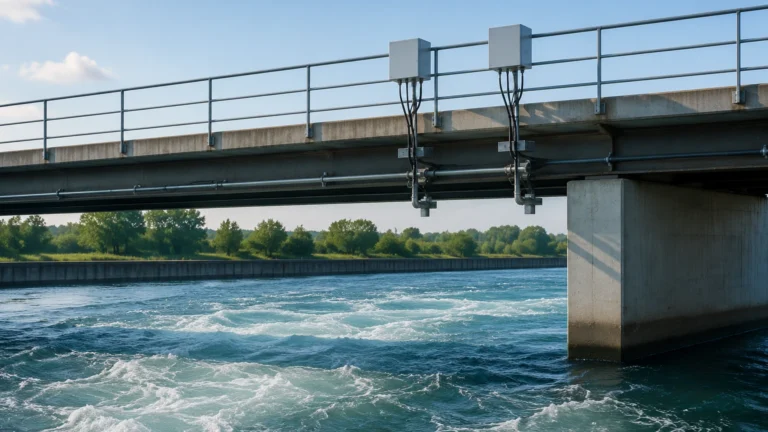
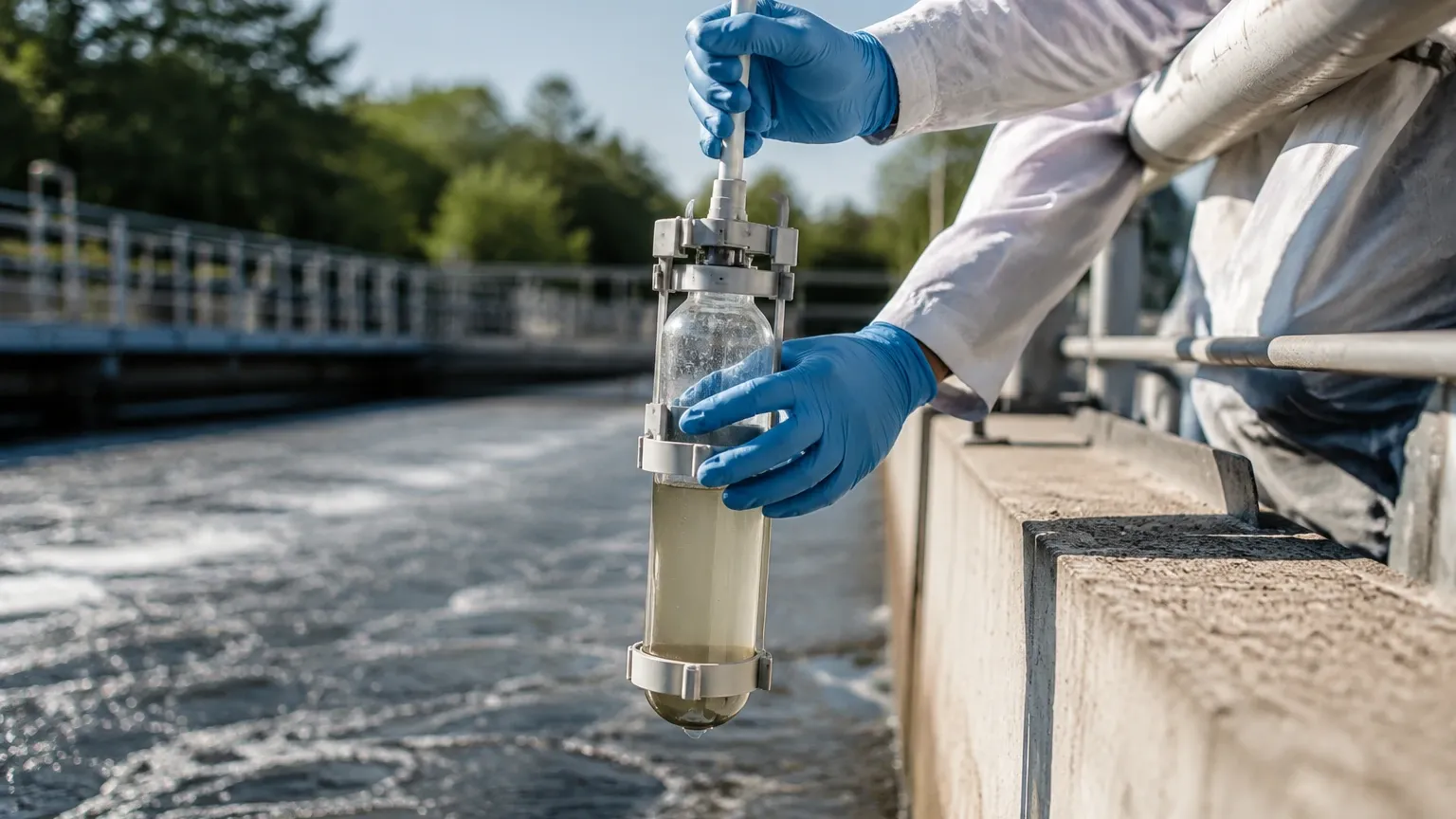
In the field of industrial and municipal water management, the wastewater sampler is a critical tool for regulatory compliance, process optimization, and environmental protection. These automated systems are designed to collect representative liquid samples from sewers, open channels, and industrial discharge points for subsequent laboratory analysis. By providing a historical record of water quality, samplers allow engineers to identify pollutant spikes, calculate total loading, and ensure that treatment processes are functioning within specified parameters.
Effective wastewater monitoring requires more than just a collection vessel; it necessitates a deep understanding of the relationship between fluid dynamics, timing, and chemical composition. To achieve accurate results, a wastewater sampler must often work in tandem with advanced level and flow measurement instruments to ensure that the samples collected truly reflect the characteristics of the waste stream over time.
Understanding Wastewater Sampling Principles
Before selecting a wastewater sampler, it is essential to understand the fundamental principles of how these devices operate. Sampling is generally categorized by how the collection trigger is determined.
Time-Proportional Sampling
This is the most basic method where the sampler collects a fixed volume of liquid at regular, pre-defined time intervals (e.g., 100 mL every 15 minutes). While simple to implement, this method can be misleading if the flow rate or pollutant concentration fluctuates significantly between intervals.
Flow-Proportional Sampling
Flow-proportional sampling is the industry standard for accurate loading calculations. In this mode, the sampler collects a sample after a specific volume of water has passed the monitoring point (e.g., one sample every 5,000 liters). This requires integration with a flow meter or a level transmitter installed in a primary device like a flume or weir. By linking sampling frequency to flow volume, the resulting "composite" sample provides a more accurate representation of the total mass of pollutants discharged.
Event-Based Sampling
Event-based sampling is triggered by specific environmental or process conditions. For instance, a sampler may be programmed to begin collection only when a pH sensor detects an acidity spike or when an ultrasonic level sensor detects a sudden rise in water level indicating a storm event or process overflow.
Types of Wastewater Samplers
Selecting the right hardware depends on the site conditions and the specific goals of the monitoring program. Samplers are generally divided into three main categories.
1. Portable Samplers
Portable units are lightweight and battery-operated, designed for short-term studies or remote locations where permanent power is unavailable. They are frequently used for manhole monitoring and temporary industrial discharge assessments. Most portable models feature rugged, weather-resistant housings and can be equipped with ice compartments to preserve samples.
2. Stationary Refrigerated Samplers
Stationary units are permanent installations, typically housed in a climate-controlled enclosure or featuring built-in refrigeration. These are essential for compliance monitoring where samples must be kept at a constant temperature (usually 4°C) to prevent biological degradation or chemical changes before they reach the laboratory.
3. Discrete vs. Composite Sampling
* Composite Samplers: Collect all individual samples into a single large container. This provides an average concentration over the entire sampling period.
* Discrete Samplers: Collect individual samples into separate bottles (e.g., 24 bottles for a 24-hour period). This allows for the analysis of how water quality changed at specific times throughout the day.
The Role of Level Measurement in Automated Sampling
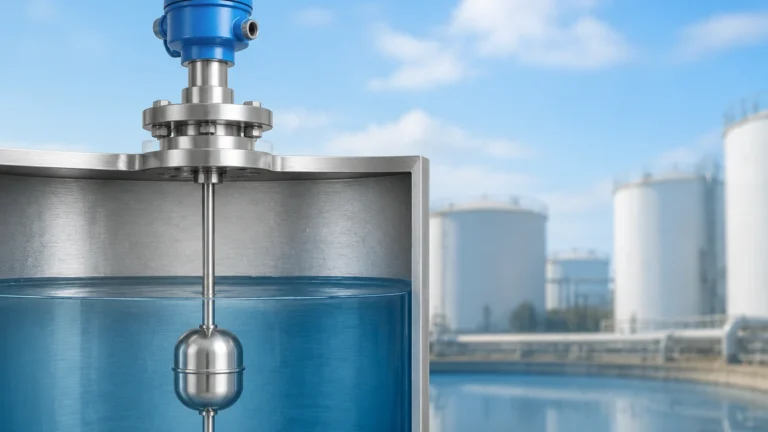
For a wastewater sampler to operate in flow-proportional mode, it must receive accurate data regarding the volume of water passing through the channel. This is where the integration of level measurement technology becomes vital. In open-channel flow applications, the flow rate is calculated based on the liquid level (head) behind a weir or within a flume.
Advanced instruments, such as those found on the Main Page, provide the precision required to trigger sampling cycles. For example, an ultrasonic level sensor can measure the distance to the water surface with millimeter accuracy. This level data is converted into a flow rate using standard hydraulic equations. The level meter then sends a pulse signal to the wastewater sampler every time a specific volume (e.g., 1,000 m³) has passed, ensuring the sampling frequency perfectly matches the flow variations.
Selection Criteria for Industrial Applications
Choosing the appropriate wastewater sampler requires a detailed evaluation of the application environment. The following table provides a comparison of key features to consider during the selection process.
| Feature | Portable Samplers | Stationary Refrigerated Samplers | Vacuum/Pressure Samplers |
| :— | :— | :— | :— |
| Power Source | Battery / Solar | AC Mains | AC Mains / Compressed Air |
| Temperature Control | Ice / Passive Cooling | Active Refrigeration (4°C) | Active Refrigeration |
| Typical Use Case | Manholes, Remote Sites | Treatment Plants, Factories | High-Solid Content Fluids |
| Max Vertical Lift | 6–8 Meters | 7–9 Meters | Up to 10+ Meters |
| Maintenance Level | High (Battery/Ice management) | Moderate (Compressor cleaning) | Moderate (Valve checks) |
| Sample Integrity | Moderate (Short duration) | High (Long duration) | High (Consistent volume) |
Installation Guidelines and Best Practices
Proper installation is paramount to ensuring that the wastewater sampler collects a representative sample and operates reliably over the long term.
1. Intake Placement: The suction strainer should be placed in a zone of high turbulence to ensure the solids are well-mixed and representative of the entire stream. Avoid placing the intake too close to the bottom (to prevent drawing in settled grit) or too close to the surface (to avoid floating oils and grease).
2. Suction Line Slope: The intake tubing should have a continuous downward slope from the sampler to the source. This prevents "loops" or low spots where water can pool and freeze or where cross-contamination between samples can occur.
3. Vertical Lift Considerations: Most peristaltic pump samplers have a maximum vertical lift capacity of approximately 7 to 8 meters (approx. 23–26 feet). If the sampler must be placed higher than this above the water source, a vacuum-based sampling system may be required.
4. Integration with Level Sensors: Ensure the level sensor (ultrasonic or radar) is installed at the correct distance upstream of the primary flow device (weir/flume) as specified by hydraulic standards. This ensures the flow signal sent to the sampler is based on stable, non-turbulent level readings.
Common Risks and Maintenance Requirements
Operating a wastewater sampler in harsh industrial environments carries inherent risks that must be managed through regular maintenance.
* Clogging and Fouling: Wastewater often contains fibrous materials, fats, oils, and grease (FOG). These can clog the intake strainer or the internal pump tubing. Regular inspection and the use of a "pre-purge" and "post-purge" cycle—where the pump blows air through the line before and after sampling—can significantly reduce this risk.
* Tubing Wear: In peristaltic models, the flexible pump tubing is a wear item. Over time, the mechanical action of the pump rollers weakens the tube, leading to reduced suction or complete failure. Tubing should be replaced on a scheduled basis, typically every 500 to 1,000 samples depending on the fluid abrasiveness.
* Sample Degradation: If the refrigeration system fails or if ice melts in a portable unit, the chemical composition of the sample can change due to biological activity. Monitoring the internal temperature of the sampler is a critical quality control step.
* Cross-Contamination: Residual liquid from a previous sampling cycle can contaminate the current sample. High-quality samplers use high-speed rinsing and air purges to minimize this "carryover" effect.
Frequently Asked Questions (FAQ)
Q: How often should I calibrate my wastewater sampler?
A: The sample volume should be calibrated at least once a month or whenever the suction lift height changes. While the timing is digital, the volume collected can vary based on tubing wear and lift height.
Q: Can I use a wastewater sampler for hazardous (Ex) zones?
A: Yes, but you must select a model specifically rated for explosive atmospheres (ATEX/IECEx). Many portable samplers are available in intrinsically safe versions for use in manholes where methane gas may be present.
Q: What is the benefit of using a radar level meter instead of ultrasonic for sampler triggering?
A: Radar level meters are non-contact and unaffected by steam, foam, or air temperature fluctuations. In many wastewater applications where the liquid surface is turbulent or covered in foam, radar provides a more stable signal for flow-proportional sampling than ultrasonic sensors.
Q: How do I choose between a 24-bottle set and a single large container?
A: Choose a 24-bottle set (discrete) if you need to identify exactly *when* a discharge violation occurred during the day. Choose a single container (composite) if you only need to know the average concentration for a 24-hour period to calculate daily loading fees.
For engineers and facility managers looking to optimize their monitoring stations, it is vital to review product options and application support to ensure the selected instruments meet both local regulatory requirements and the specific physical constraints of the site. Reliable data begins with the right combination of sampling technology and precision level measurement. To explore technical specifications for the level sensors that drive these systems, visit the Main Page for detailed guidance.