Water Quality Sampling Equipment
Water Quality Sampling Equipment
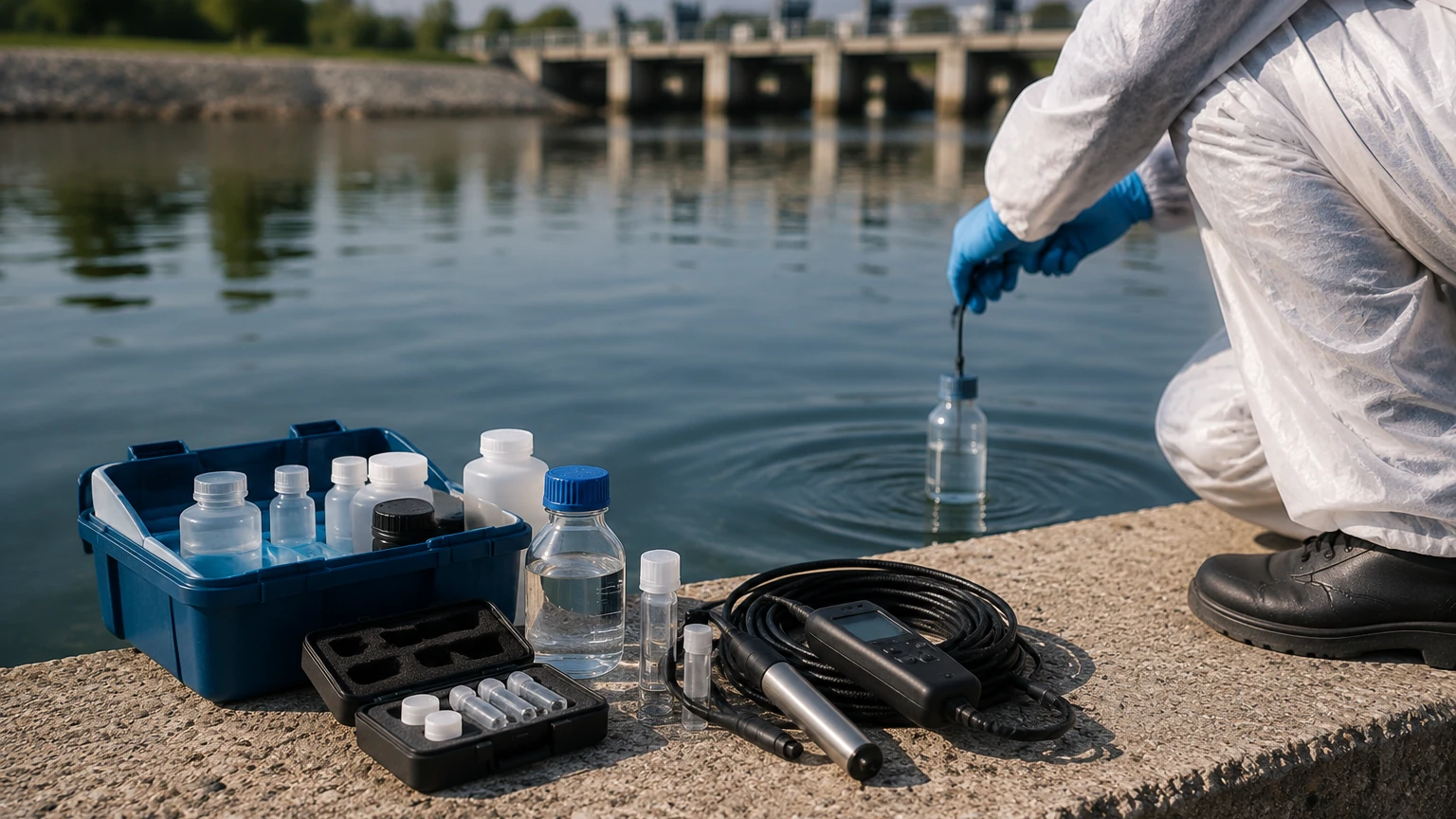
In industrial process control and environmental monitoring, the acquisition of representative liquid samples is fundamental to maintaining regulatory compliance, optimizing chemical dosing, and ensuring the integrity of wastewater discharge. Water quality sampling equipment encompasses a broad range of instruments designed to collect, preserve, and sometimes analyze liquid volumes from various sources, including open channels, pressurized pipes, and storage tanks. For engineers and plant managers, selecting the appropriate sampling system requires a deep understanding of the interaction between fluid dynamics, chemical stability, and the instrumentation used to trigger sampling events.
Effective water quality management is rarely a standalone process; it is intrinsically linked to accurate level and flow measurement. To achieve a representative sample, the equipment must often be synchronized with the physical state of the liquid being monitored. This article provides a technical overview of water quality sampling equipment, its operational principles, and the critical role of level measurement in modern automated sampling workflows.
Measurement and Sampling Principles
Water quality sampling is governed by the need to obtain a "representative sample"—a volume of water that accurately reflects the physical and chemical characteristics of the source at a specific time or over a specific interval. There are two primary methodologies used in the industry:
1. Time-Weighted Sampling
In time-weighted sampling, the water quality sampling equipment is programmed to collect a fixed volume of liquid at constant time intervals (e.g., every 15 minutes). This method is suitable for environments where the flow rate is relatively constant. However, in industrial applications where flow fluctuates significantly, time-weighted sampling can lead to data bias, as it does not account for the volume of water passing the sampling point.
2. Flow-Proportional (Flow-Paced) Sampling
This is the preferred method for wastewater treatment and industrial discharge monitoring. The sampler is linked to a flow meter—often utilizing an ultrasonic or radar level sensor positioned over a weir or flume. As the volume of water increases, the sampling frequency increases. This ensures that the composite sample reflects the total mass loading of pollutants over a given period. The integration of high-precision level meters is essential here to convert level data into accurate flow signals that trigger the sampler.
Types of Water Quality Sampling Equipment
Sampling hardware is generally categorized by its portability, automation level, and ability to preserve the sample's integrity.
Automatic Samplers
Automatic samplers are the standard for modern industrial facilities. They consist of a controller, a vacuum or peristaltic pump, and a distribution arm that directs liquid into one or more collection bottles.
* Refrigerated Samplers: These are stationary units used in permanent installations, such as the influent or effluent lines of a treatment plant. They include active cooling systems to maintain samples at 4°C (39.2°F), which is critical for inhibiting biological activity and preserving volatile organic compounds (VOCs).
* Portable Samplers: Designed for short-term studies or remote locations, these units are battery-powered and often rely on ice for sample cooling. They are frequently used in manholes or remote discharge points where permanent power is unavailable.
Composite vs. Discrete Sampling
* Composite Samplers: These collect multiple sub-samples into a single large container. This provides an average view of the water quality over a 24-hour period, which is typically required for National Pollutant Discharge Elimination System (NPDES) reporting.
* Discrete (Sequential) Samplers: These collect individual samples into separate bottles at specific times or flow intervals. This allows technicians to identify exactly when a contamination event occurred.
Technical Selection Criteria
When evaluating water quality sampling equipment, engineering teams should consider the following technical parameters:
| Feature | Specification/Consideration | Impact on Application |
| :— | :— | :— |
| Pump Type | Peristaltic vs. Vacuum | Peristaltic is easier to maintain; Vacuum is better for high-lift applications. |
| Suction Lift | Typically up to 7-8 meters (23-26 ft) | Determines if the sampler can be placed at ground level above a deep sump. |
| Sample Volume Accuracy | +/- 5% or better | Ensures consistent reporting and chemical analysis ratios. |
| Materials of Construction | Stainless steel, PTFE, or Polyethylene | Must be chemically compatible with the sampled fluid to avoid contamination. |
| Cooling Capacity | Active refrigeration vs. Passive ice | Critical for compliance with EPA or local environmental standards. |
| Communication Protocols | 4-20mA, Modbus, SDI-12 | Necessary for integration with SCADA and level measurement systems. |
The Role of Level Measurement in Sampling
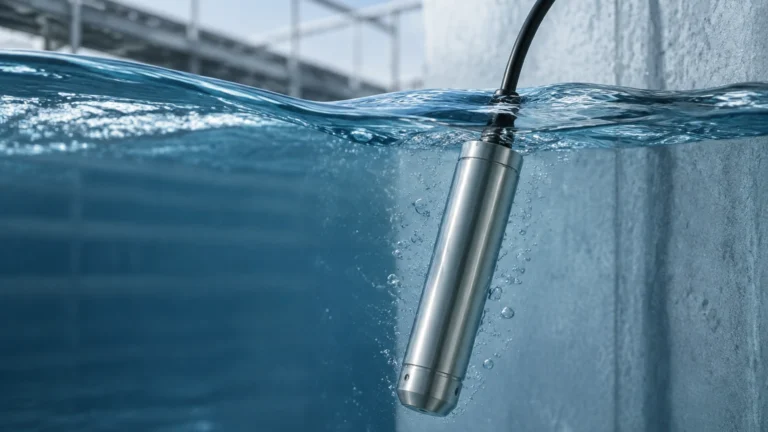
For water quality sampling equipment to function effectively in a flow-proportional mode, it must receive accurate data from level measurement instruments. In industrial automation, the level meter acts as the "eyes" of the sampling system.
For instance, in an open-channel flume, an ultrasonic level sensor or a non-contact radar level meter measures the head of the water. Using pre-programmed hydraulic formulas (such as those for Parshall or Palmer-Bowlus flumes), the level is converted into a flow rate. The sampler then receives a pulse for every X gallons or liters that pass through the channel.
Without reliable level measurement, the sampling data is decoupled from the actual volume of the waste stream, rendering the chemical analysis less useful for mass-balance calculations. For those designing integrated monitoring stations, reviewing advanced sensor options is a critical step. You can Review product options and application support on our Main Page to see how different level technologies—from hydrostatic transmitters to high-frequency radar—can be integrated into your sampling architecture.
Installation Considerations
Proper installation is as important as the equipment selection itself. Failure to follow engineering best practices can result in clogged lines, cross-contamination, or non-representative data.
1. Intake Placement: The intake strainer should be positioned in the center of the flow stream, away from the bottom to avoid sucking up heavy solids, and away from the surface to avoid floating oils and grease.
2. Suction Line Slope: The tubing between the source and the sampler should have a continuous slope. Any "dips" or "pockets" in the line will trap liquid, leading to cross-contamination between samples.
3. Purge Cycles: High-quality water quality sampling equipment should include a pre-sample and post-sample air purge. This clears the line of any residual liquid from the previous cycle.
4. Power Supply: For remote portable samplers, solar panels or high-capacity deep-cycle batteries are necessary, especially if the sampler is triggered frequently.
Limitations and Challenges
While modern water quality sampling equipment is highly sophisticated, it is not without limitations:
* Solids Handling: Standard peristaltic pumps can struggle with high concentrations of large solids or fibrous materials, which may clog the intake strainer or the pump tubing.
* Chemical Compatibility: Certain industrial effluents contain aggressive solvents or acids that can degrade standard Tygon or silicone tubing. In these cases, specialized PTFE-lined tubing is required.
* Vertical Lift Limits: Most samplers are limited by atmospheric pressure, meaning they cannot effectively pull a sample from a depth greater than approximately 8.5 meters (28 ft). For deeper applications, submersible pumps or pressurized systems must be used.
* Maintenance Requirements: Samplers require regular maintenance, including tubing replacement, bottle cleaning, and desiccant replacement for the controller electronics.
Frequently Asked Questions (FAQ)
Q: How often should the pump tubing be replaced in an automatic sampler?
A: In high-frequency applications, tubing should be inspected weekly and typically replaced every 500 to 1,000 samples, or every 3-6 months, depending on the abrasiveness of the liquid.
Q: Can water quality sampling equipment be used for hazardous locations?
A: Yes, but you must specify ATEX or IECEx certified equipment if the sampler is installed in an area where explosive gases (like methane in sewers) may be present.
Q: What is the advantage of non-contact level sensors for sampling triggers?
A: Non-contact sensors, such as radar or ultrasonic meters, do not touch the liquid. This prevents fouling and corrosion, ensuring the flow-proportional trigger remains accurate over long periods without manual cleaning.
Q: How does temperature affect sampling accuracy?
A: Temperature primarily affects the biological and chemical stability of the sample after collection. It does not significantly impact the volume of the sample collected, but it is the most critical factor for regulatory compliance in wastewater analysis.
Conclusion
Selecting the right water quality sampling equipment is a multi-faceted decision that involves balancing regulatory requirements with site-specific physical constraints. By understanding the principles of flow-proportional sampling and ensuring tight integration with reliable level measurement instruments, industrial operators can maintain high standards of environmental stewardship and process efficiency. For more information on the sensors that drive these automated systems, visit the Main Page to explore our full range of level and measurement solutions.