Water Reuse in Industrial Processes
Water Reuse in Industrial Processes
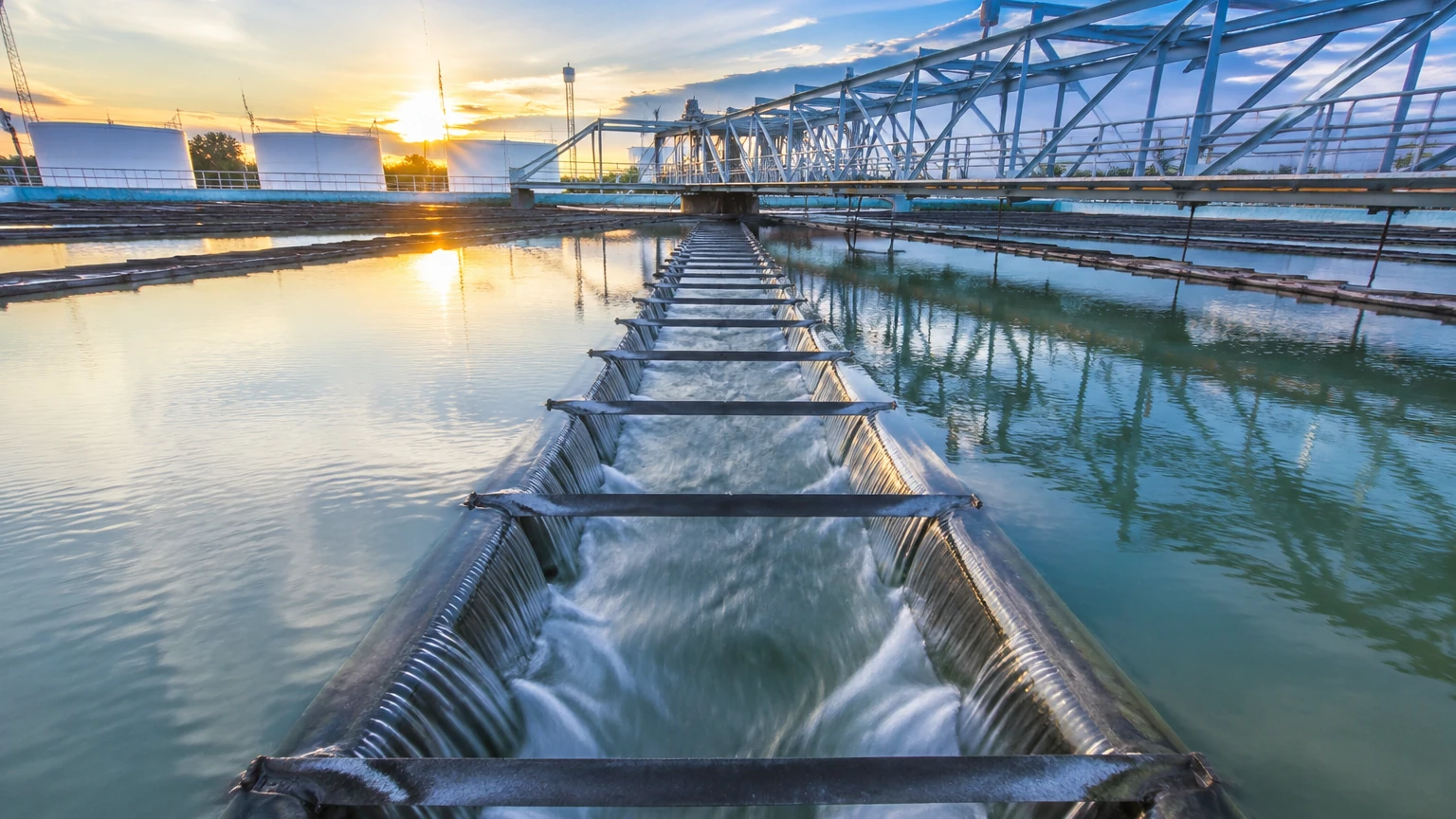
In the modern industrial landscape, the management of aqueous resources has shifted from a linear consumption model to a circular strategy. Water reuse in industrial processes is no longer merely a sustainability goal; it is a technical necessity driven by regulatory pressure, rising utility costs, and the need for operational resilience in water-scarce regions. Implementing an effective reuse system requires precise control over every stage of the water cycle, from initial collection and treatment to storage and redistribution. Central to this control is the deployment of accurate level measurement instrumentation, which ensures that reclaimed water is available when needed and that treatment processes operate within safe parameters.
Understanding Measurement Principles in Reuse Systems
Before selecting instrumentation for water reuse in industrial processes, engineers must understand the physical principles governing different level measurement technologies. Each method interacts with the fluid and the environment differently, making certain sensors more suitable for specific stages of the reuse cycle.
Radar Level Measurement (Non-Contact)
Radar level meters operate on the principle of Time Domain Reflectometry (TDR) or Frequency Modulated Continuous Wave (FMCW). In a non-contact setup, the sensor emits high-frequency electromagnetic pulses (typically in the 26GHz or 80GHz range) toward the liquid surface. These pulses are reflected back to the sensor. The time it takes for the signal to travel to the surface and back is directly proportional to the distance. Radar is particularly effective in industrial reuse because it is unaffected by changes in air temperature, pressure, or the presence of vapors, which are common in treated wastewater tanks.
Ultrasonic Level Measurement
Ultrasonic sensors emit high-frequency sound waves that bounce off the liquid surface. The distance is calculated based on the speed of sound. While cost-effective and reliable for many applications, ultrasonic measurement is sensitive to the medium's atmosphere. Since the speed of sound varies with air temperature, these sensors require integrated temperature compensation. They are best suited for stable environments like outdoor raw water collection pits or open-channel flow measurement in greywater systems.
Hydrostatic Level Measurement
This principle relies on the relationship between the height of a liquid column and the pressure it exerts at the base (P = ρgh). A submersible pressure transmitter or a flange-mounted sensor measures the head pressure of the water. This is a "contact" method that is highly reliable for deep tanks or underground reservoirs where top-down mounting is impractical. However, it requires a constant fluid density to maintain accuracy, which can be a challenge if the chemical composition of the recycled water fluctuates significantly.
Magnetic Level Gauges
Magnetic level gauges consist of a bypass chamber attached to the side of a vessel. A float containing a permanent magnet moves with the liquid level, flipping colored flags or triggering a reed chain transmitter on the outside of the chamber. This provides both a high-visibility local indication and a remote signal. These are often used in high-pressure or high-temperature reuse applications, such as boiler blowdown recovery systems.
Application Stages of Water Reuse in Industrial Processes
To successfully integrate water reuse in industrial processes, instrumentation must be tailored to the specific functional zones of the facility.
1. Collection and Equalization: Industrial effluent is gathered in equalization tanks to balance flow rates and pH levels. These tanks often contain foam or turbulence. Radar sensors are preferred here due to their ability to penetrate foam and ignore surface agitation.
2. Filtration and Clarification: During the removal of suspended solids, level sensors monitor the head loss across filters or the sludge blanket level in clarifiers. Precise level control prevents overflow and ensures optimal contact time for chemical flocculants.
3. Reverse Osmosis (RO) and Deionization: For high-purity reuse (e.g., electronics or pharmaceuticals), water passes through membranes. Level sensors in the permeate and concentrate tanks ensure the RO system does not run dry or over-pressurize.
4. Storage and Distribution: Treated water is stored in large tanks before being pumped back into the process. Hydrostatic transmitters are frequently used here for their durability in large-scale storage environments.
Technical Selection Criteria
Selecting the correct instrument requires a detailed evaluation of the process environment. Engineers should consult a Main Page of technical specifications to match sensor capabilities with the following factors:
* Fluid Composition: Does the recycled water contain corrosive chemicals, oils, or solvents? This determines the material of construction (e.g., PVDF, PTFE, or 316L Stainless Steel).
* Tank Geometry: Are there internal obstructions like agitators, heating coils, or ladders? Radar sensors with narrow beam angles (especially 80GHz models) are better at avoiding these false reflections.
* Process Conditions: High temperatures or vacuum conditions can disqualify ultrasonic sensors, making radar or magnetic gauges the primary choice.
* Accuracy Requirements: Does the process require millimeter-level precision for chemical dosing, or is a general volume estimate sufficient?
Practical Selection Table
| Technology | Best Application | Advantages | Limitations |
| :— | :— | :— | :— |
| Radar (80GHz) | Chemical storage, agitated tanks | Extremely accurate, narrow beam, ignores steam/dust | Higher initial investment |
| Ultrasonic | Open sumps, water pits | Non-contact, cost-effective | Affected by foam, wind, and temperature shifts |
| Hydrostatic | Deep reservoirs, vented tanks | Simple installation, reliable in deep water | Sensitive to density changes, contact-based |
| Magnetic Gauge | Boiler feed, high-pressure tanks | Visual backup, no power required for local display | Limited to side-mounting, bypass piping required |
| Level Switch | Overfill protection, pump dry-run | Low cost, high reliability for safety | Point level only, no continuous measurement |
Installation Considerations and Best Practices
Proper installation is as critical as sensor selection. Even the most advanced radar meter will fail if positioned incorrectly.
* Dead Zones (Blocking Distance): Every sensor has a minimum distance it cannot measure (the area immediately below the sensor). Ensure the sensor is mounted high enough that the maximum water level never enters this zone.
* Nozzle Design: For top-mounted sensors, the mounting nozzle should be short and wide enough to prevent the signal from reflecting off the nozzle walls. For radar, the antenna should ideally extend slightly past the nozzle into the tank.
* Positioning: Avoid mounting sensors directly above the tank inlet. The turbulence and splashing from incoming water will create "noise" in the signal, leading to erratic readings.
* Stilling Wells: In applications with extreme turbulence or heavy foam, installing the sensor inside a stilling well (a vertical pipe) can provide a calm surface for accurate measurement.
Limitations and Common Risks
While technology has advanced, certain risks remain inherent in water reuse in industrial processes.
Foam Interference: Heavy, dense foam can absorb ultrasonic and radar signals. In such cases, a hydrostatic transmitter or a radar sensor with specialized "tank mapping" software is necessary to distinguish the true liquid level from the foam layer.
Build-up and Scaling: Recycled water often has high mineral content. Over time, scale can build up on contact sensors (like hydrostatic diaphragms) or non-contact lenses. Regular maintenance and the use of self-cleaning or non-stick materials (like PTFE-faced radar antennas) are essential.
Signal Attenuation: In very large outdoor tanks, heavy rain or condensation can attenuate ultrasonic signals. Radar is generally immune to these atmospheric conditions, making it the more robust choice for outdoor industrial water infrastructure.
Frequently Asked Questions (FAQ)
Q: Can I use one type of sensor for all stages of water reuse?
A: Unlikely. A raw effluent pit has very different conditions (solids, turbulence) than a purified permeate tank. A hybrid approach using ultrasonic for pits and radar for process tanks is common.
Q: How does temperature affect my level readings?
A: For ultrasonic sensors, temperature changes the speed of sound, which can cause errors of 1% or more if not compensated. Radar and hydrostatic sensors are largely unaffected by air temperature fluctuations.
Q: Is non-contact measurement always better?
A: Not necessarily. In deep, narrow underground sumps, a submersible hydrostatic transmitter is often easier to install and maintain than a top-mounted radar unit that might struggle with the narrow geometry.
Q: How do I handle tanks with internal agitators?
A: Use a radar meter with a narrow beam angle and "false echo suppression" software. This allows the sensor to "learn" where the agitator blades are and ignore them during measurement.
Conclusion
Optimizing water reuse in industrial processes requires a granular understanding of fluid dynamics and instrumentation capabilities. By matching the measurement principle—whether radar, ultrasonic, or hydrostatic—to the specific challenges of the treatment stage, facilities can ensure a reliable supply of recycled water. For those designing or upgrading these systems, focusing on sensor accuracy and robust installation will yield long-term gains in both operational efficiency and environmental compliance. Before proceeding with a purchase, engineers should confirm chemical compatibility and tank dimensions to ensure the selected instrumentation meets the rigorous demands of the industrial water cycle.