Water Sampling Stations
Water Sampling Stations
In industrial water management and municipal wastewater treatment, water sampling stations serve as the frontline for environmental compliance and process optimization. These systems provide the necessary data to ensure that effluent meets regulatory standards and that internal treatment processes are functioning efficiently. However, a sampling station is only as effective as the instrumentation supporting it. Accurate level measurement is a fundamental requirement for automated sampling, as it determines when and how much water is collected based on flow or volume triggers.
Understanding Water Sampling Stations in Industrial Processes
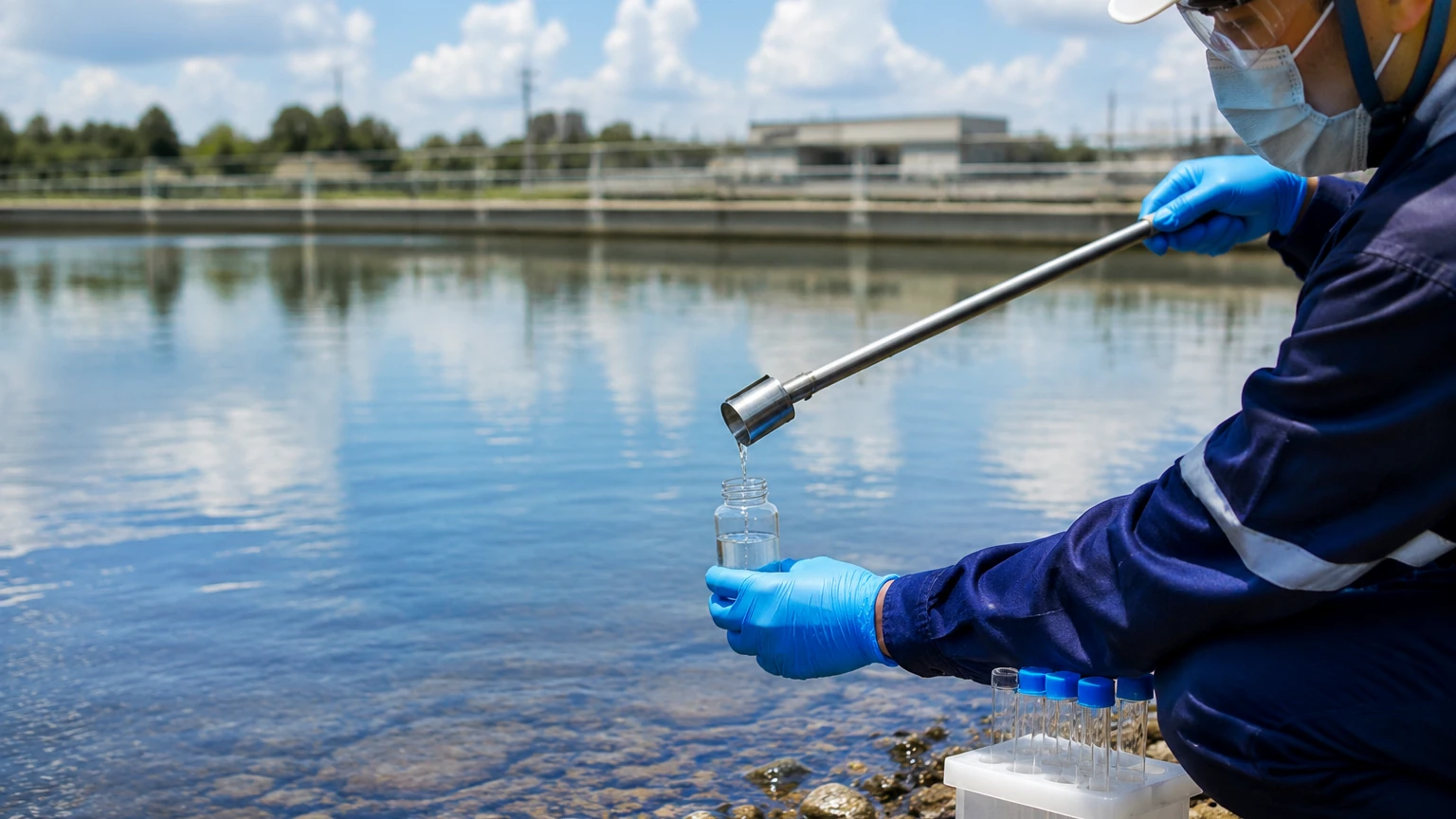
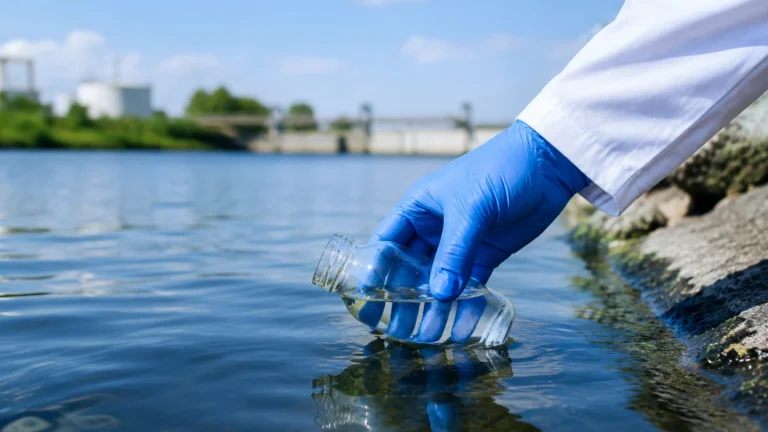
Water sampling stations are engineered enclosures or portable units designed to collect water samples from a source—such as a stream, tank, or open channel—at specific intervals or in response to specific events. These samples are then analyzed for chemical composition, biological oxygen demand (BOD), total suspended solids (TSS), and other critical parameters.
In B2B applications, these stations are often integrated into larger SCADA (Supervisory Control and Data Acquisition) systems. The primary goal is to obtain a representative sample that reflects the true state of the water over a period (composite sampling) or at a specific moment (grab sampling). To achieve this, the station must interact seamlessly with level and flow sensors to ensure sampling occurs at the correct hydraulic conditions.
Measurement Principles for Integrated Level Monitoring
Before selecting or installing water sampling stations, it is essential to understand the measurement principles of the sensors that trigger them. Level measurement in these applications typically relies on three primary technologies: hydrostatic, ultrasonic, and radar.
Hydrostatic Level Measurement
Hydrostatic transmitters operate on the principle that the pressure at a specific point in a liquid is proportional to the height of the liquid column above it. The formula used is $P = \rho \cdot g \cdot h$, where $P$ is pressure, $\rho$ is the density of the liquid, $g$ is gravity, and $h$ is the height. In sampling sumps or deep wells, a submersible hydrostatic transmitter provides a reliable, continuous signal that tells the sampling station the exact volume available for collection.
Ultrasonic Level Measurement
Ultrasonic sensors are non-contact devices that emit high-frequency sound pulses. These pulses reflect off the surface of the water and return to the sensor. By measuring the "time of flight," the sensor calculates the distance to the water surface. This is ideal for open-channel flow monitoring in sampling stations where the water may contain debris that could foul a contact-based sensor. However, it is sensitive to air temperature fluctuations and foam.
Radar Level Measurement
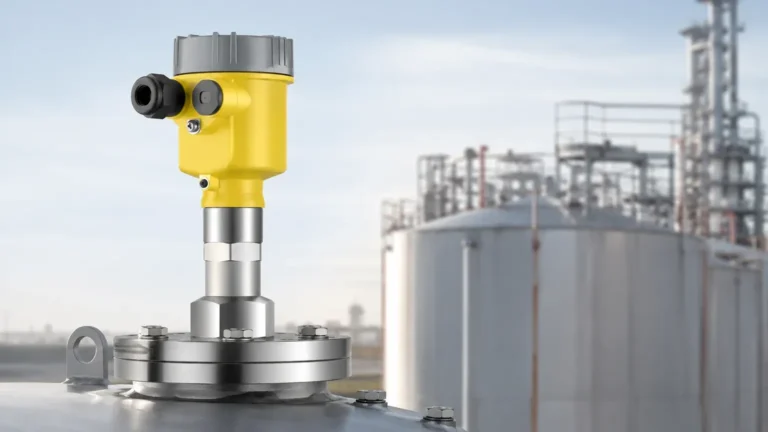
Radar technology uses high-frequency microwave pulses rather than sound waves. Like ultrasonic sensors, radar measures time of flight but is unaffected by air temperature, pressure, or vapor. In turbulent water sampling environments or where heavy steam is present, radar provides the highest accuracy for triggering flow-proportional sampling.
Key Evaluation Criteria for Water Sampling Stations
When evaluating water sampling stations for industrial use, engineers must consider the physical environment and the specific data requirements. The following table outlines the primary differences between common station configurations:
| Feature | Portable Sampling Stations | Fixed/Refrigerated Stations |
| :— | :— | :— |
| Primary Use | Short-term studies, remote monitoring | Permanent compliance monitoring |
| Power Source | Battery or solar (12V/24V DC) | Mains power (110V/220V AC) |
| Sample Preservation | Ice or passive cooling | Active refrigeration (typically 4°C) |
| Integration | Wireless/Cellular telemetry | Hardwired PLC/SCADA integration |
| Durability | Lightweight, weather-resistant plastic | Stainless steel or fiberglass reinforced |
Selecting the right station involves balancing the need for mobility against the requirement for sample integrity. For regulatory reporting, refrigerated stations are almost always required to prevent biological degradation of the sample before it reaches the laboratory.
Integrating Level Sensors with Sampling Logic
To ensure a representative sample, most modern water sampling stations utilize "flow-proportional" sampling. This method requires a continuous feed of level data, which is then converted into flow rates using known primary devices like flumes or weirs.
For instance, an ultrasonic level sensor mounted over a Parshall flume sends a 4-20mA signal to the sampler’s controller. As the water level rises, indicating increased flow, the sampler increases the frequency of its collection cycles. This ensures that the final composite sample accurately reflects the pollutant load during high-flow events, rather than just taking a sample every hour regardless of flow volume. For those looking to optimize their measurement setup, you can Review product options and application support at our Main Page to find compatible instrumentation.
Installation Considerations and Best Practices
Proper installation is critical to prevent data errors and equipment failure. When setting up a water sampling station and its associated level sensors, follow these guidelines:
1. Sensor Positioning: Level sensors (especially ultrasonic and radar) should be mounted away from the sampling intake pipe to avoid interference from turbulence. Ensure the sensor has a clear "view" of the water surface, free from ladders, pipes, or wall protrusions.
2. Stilling Wells: In applications with high turbulence or surface foam, installing the level sensor inside a stilling well (a vertical pipe with vent holes) can provide a stable surface for measurement, ensuring the sampling station triggers correctly.
3. Suction Head Limits: Most vacuum or peristaltic pumps in sampling stations have a maximum vertical lift (suction head), typically between 6 to 8 meters (20 to 26 feet). If the water level drops below this point, the station will fail to pull a sample. Hydrostatic transmitters are excellent for monitoring this "low-level" limit to prevent pump burnout.
4. Environmental Protection: While sampling stations are rated for outdoor use, level transmitters should be shielded from direct sunlight if they lack internal temperature compensation, as extreme heat can affect accuracy.
Common Risks and Limitations
Despite their automation, water sampling stations face several operational risks:
* Biofouling and Clogging: In wastewater applications, algae and debris can accumulate on sensor faces or inside sampling intake lines. Regular cleaning cycles are mandatory.
* Power Reliability: Portable stations relying on batteries can fail during extended cloudy periods if solar sizing is inadequate. Monitoring the battery voltage as a "level" input to the SCADA system is a common preventive measure.
* Freezing Conditions: In cold climates, sample lines must be self-draining or heat-traced. If the water level in the source freezes, pressure-based hydrostatic sensors may be damaged by ice expansion.
* Signal Interference: In narrow sumps, ultrasonic signals may bounce off the walls (multipath interference), leading to false level readings and incorrect sampling triggers.
Frequently Asked Questions (FAQ)
Q: How often should I calibrate the level sensors integrated with my sampling station?
A: For compliance-related sampling, we recommend a calibration check every 3 to 6 months. Hydrostatic sensors should be checked for zero-drift, while ultrasonic and radar sensors should be verified against a manual tape measure reading.
Q: Can a single level sensor control multiple water sampling stations?
A: Yes, through a PLC or a signal splitter, a single 4-20mA or Modbus signal from a level transmitter can be shared across multiple samplers. This is common in large treatment plants where redundant samples are required for different laboratory tests.
Q: What is the benefit of using radar over ultrasonic for sampling triggers?
A: Radar is superior in environments with heavy steam, foam, or varying air temperatures. If your sampling station is located over a hot process water tank or a fast-moving effluent stream that creates mist, radar will provide a much more stable signal than ultrasonic technology.
Q: How do I handle sampling in deep manholes?
A: For deep manholes (over 5 meters), submersible hydrostatic level transmitters are preferred. They are easier to install in confined spaces and are not affected by the narrow geometry of the manhole, which often causes "false echoes" for non-contact sensors.
By carefully selecting the appropriate level measurement technology and ensuring robust installation, industrial operators can maintain the integrity of their water sampling stations. This synergy between measurement and collection is what allows for accurate environmental reporting and efficient resource management. For detailed technical specifications on radar, ultrasonic, and hydrostatic sensors, visit our Main Page at https://www.level-meters.com/.