Weed Oil Extractor
Weed Oil Extractor
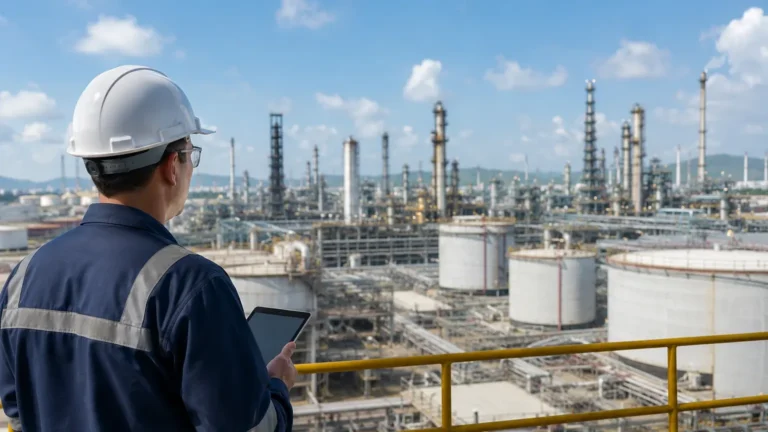
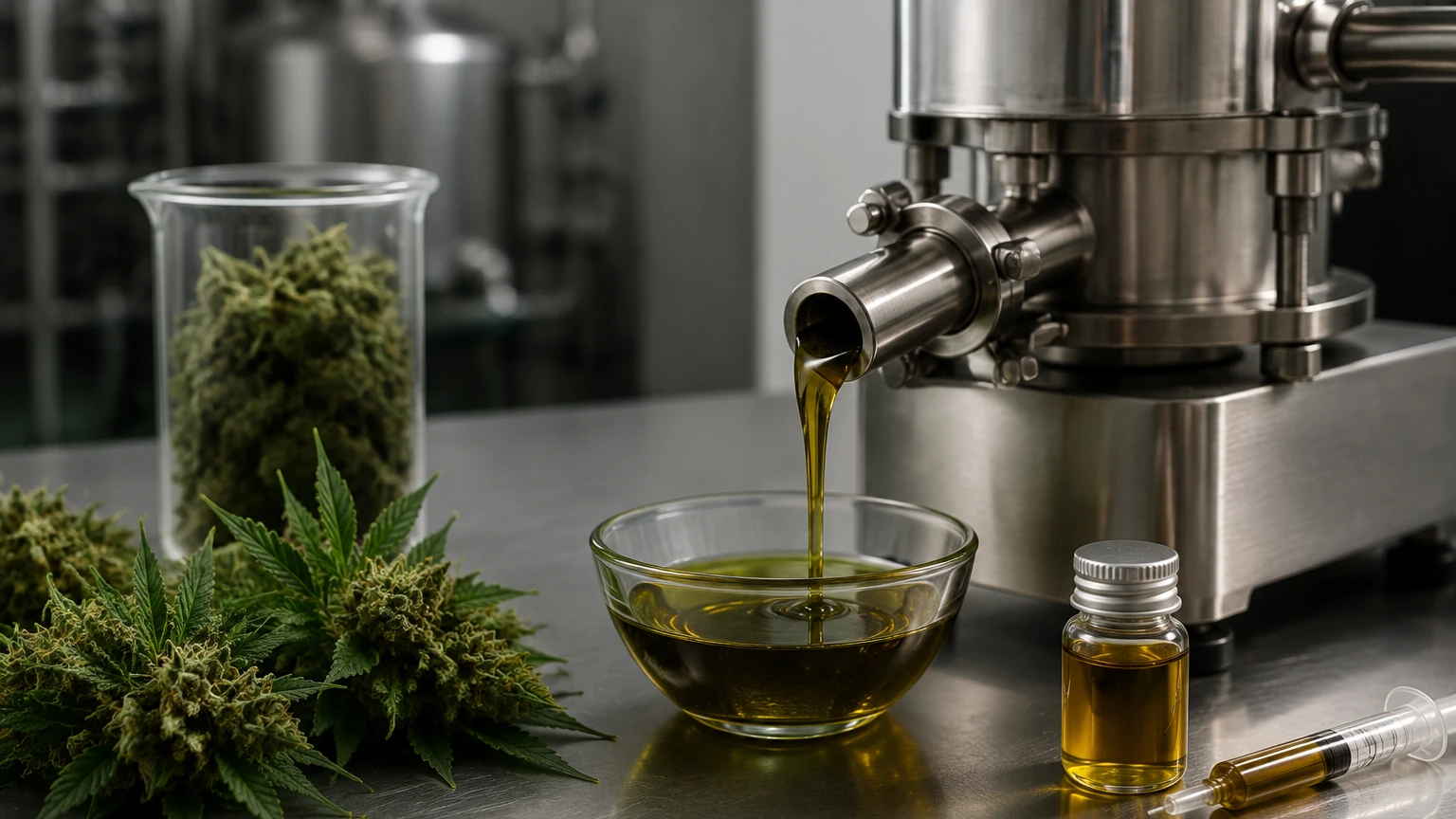
In the rapidly evolving landscape of botanical processing, the weed oil extractor has transitioned from niche laboratory equipment to large-scale industrial machinery. These systems, whether utilizing ethanol, CO2, or hydrocarbon solvents, rely heavily on precise process control to ensure product consistency, safety, and high throughput. A critical component of this control is accurate level measurement within extraction vessels, solvent storage tanks, and recovery systems.
For engineers and plant managers, understanding the interplay between the extraction process and level instrumentation is vital. This article explores the technical requirements for level measurement in a weed oil extractor environment, comparing various technologies and providing practical selection guidance.
Measurement Principles in Extraction Processes
Before selecting instrumentation for a weed oil extractor, it is essential to understand the physical principles governing level measurement. In industrial extraction, sensors must often operate in pressurized environments, handle varying dielectric constants, and comply with strict sanitary or explosive atmosphere standards.
Radar Level Measurement
Radar sensors are widely used in the chemical and botanical industries. They function by emitting electromagnetic pulses that reflect off the surface of the liquid.
* Non-Contact Radar: These devices emit a signal through the air (or vapor space). The time-of-flight between emission and reception determines the distance. This is ideal for corrosive solvents or where hygiene is paramount, as the sensor does not touch the medium.
* Guided Wave Radar (GWR): A probe or cable guides the radar signal directly to the liquid surface. This is particularly effective for liquids with low dielectric constants (like certain hydrocarbons used in extraction) or in vessels with internal obstructions or heavy turbulence.
Hydrostatic Level Measurement
Hydrostatic transmitters measure the pressure exerted by a liquid column. Since pressure is directly proportional to the height of the liquid and its density ($P = \rho gh$), these sensors provide a reliable continuous level reading. In a weed oil extractor, hydrostatic sensors are often used in atmospheric or vented tanks where density remains relatively constant.
Ultrasonic Level Measurement
Ultrasonic sensors use sound waves rather than electromagnetic waves. While cost-effective and non-contact, their accuracy can be compromised in extraction environments where heavy vapors, high pressure, or temperature fluctuations alter the speed of sound in the vapor space.
Magnetic Level Gauges
Magnetic level gauges provide a highly visible, mechanical indication of level. A float containing a magnet moves with the liquid level inside a bypass chamber, flipping external flags. These are often paired with reed chain transmitters for remote electronic monitoring, offering a fail-safe manual backup for pressurized extraction vessels.
Level Measurement Applications in Weed Oil Extraction
An industrial weed oil extractor is a complex assembly of several stages, each requiring specific level monitoring strategies.
1. Solvent Storage and Management
Whether using chilled ethanol or pressurized butane, solvent inventory must be tracked accurately. For bulk storage, non-contact radar is preferred due to its high accuracy and lack of moving parts. In these applications, maintaining a precise inventory is necessary for both production planning and safety compliance regarding flammable liquid storage limits.
2. The Extraction Vessel
This is the core of the weed oil extractor where the solvent interacts with the biomass. Level sensors here must often withstand high pressures (especially in supercritical CO2 extraction) and potential fouling from resins. Guided Wave Radar is frequently selected for its ability to ignore foam and provide stable readings even in narrow, high-pressure columns.
3. Evaporation and Recovery
After extraction, the solvent must be separated from the oil. This usually involves falling film evaporators or rotary evaporators. Monitoring the liquid level in the collection flask or the bottom of the evaporator column is critical to prevent "dry boiling" and to ensure the efficiency of the heat exchange process. Hydrostatic transmitters or high-temperature-rated radar sensors are common choices here.
4. Separation and Winterization Tanks
In the winterization phase, fats and waxes are precipitated out of the oil using cold ethanol. Level sensors in these tanks must operate at cryogenic temperatures (often down to -40°C or -80°C). Sensors must be carefully specified to ensure the electronics and seals can handle these extreme thermal cycles.
Selection Criteria for Level Instrumentation
Choosing the right sensor for a weed oil extractor depends on the specific solvent, vessel geometry, and process conditions. The following table provides a comparison of common technologies used in this sector.
| Technology | Accuracy | Suitability for Solvents | Pressure/Temp Resistance | Maintenance Needs |
| :— | :— | :— | :— | :— |
| Non-Contact Radar | High (±2mm) | Excellent | High | Low |
| Guided Wave Radar | High (±2mm) | Excellent (Low DC) | Very High | Low to Moderate |
| Hydrostatic | Moderate | Good | Moderate | Low |
| Ultrasonic | Moderate | Limited (Vapor sensitive) | Low | Low |
| Magnetic Gauge | Moderate | Excellent | Very High | Moderate (Cleaning) |
For a comprehensive overview of available sensor technologies and detailed specifications, professionals can visit the Main Page to review product options and application support.
Installation Considerations and Safety
In the context of a weed oil extractor, installation is not merely about mechanical fit; it is about process safety and signal integrity.
1. Hazardous Area Ratings: Most extraction solvents are flammable. Instruments must carry ATEX, IECEx, or UL/CSA explosion-proof or intrinsically safe certifications. This applies to the sensor head, the cabling, and the power supply.
2. Nozzle Geometry: For radar sensors, the height and diameter of the mounting nozzle can affect the signal. Engineers should ensure the nozzle is short enough to prevent signal interference from the nozzle walls (the "dead zone").
3. Agitation and Turbulence: Many extraction tanks use agitators. If using Guided Wave Radar, the probe must be positioned to avoid contact with moving blades. If using non-contact radar, software filtering (False Signal Suppression) should be used to map out reflections from the agitator shaft.
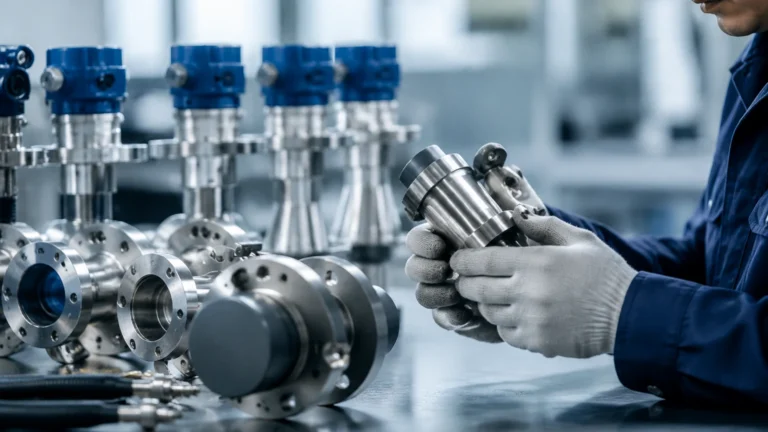
4. Material Compatibility: The wetted parts of the sensor (typically 316L stainless steel, PTFE, or PEEK) must be chemically compatible with the solvents and the botanical oils. In many cases, food-grade or sanitary finishes (Ra < 0.8 µm) are required to prevent bacterial growth and facilitate Cleaning-in-Place (CIP).
Limitations and Challenges
While modern instrumentation is highly advanced, certain conditions in a weed oil extractor can challenge level measurement accuracy:
* Dielectric Constant (DC) Fluctuations: Radar signals reflect differently based on the liquid's DC. Pure solvents like hexane have very low DCs, which can make them difficult to detect. GWR is usually the solution for low-DC fluids.
* Vapor Clouds: In high-temperature ethanol extraction, heavy vapor can attenuate ultrasonic signals. Radar is generally immune to these vapors.
* Coating and Buildup: Botanical resins are notoriously sticky. If resin builds up on a contact-type sensor (like a GWR probe or a float), it can cause "ghost" readings. Non-contact radar is the preferred solution to avoid maintenance issues related to coating.
Frequently Asked Questions (FAQ)
Q: Why is level measurement more critical in CO2 extraction than in ethanol extraction?
A: CO2 extraction often occurs at supercritical pressures (above 73.8 Bar). At these pressures, the density of the fluid changes significantly with small temperature shifts. Precise level and pressure monitoring are required to maintain the supercritical state and ensure efficient extraction of specific cannabinoids or terpenes.
Q: Can I use a standard water level sensor in a weed oil extractor?
A: Generally, no. Most water level sensors are not rated for the chemical compatibility required by solvents, nor do they possess the necessary explosion-proof certifications required for botanical extraction facilities.
Q: How does foam affect the level reading?
A: Foam can be a significant issue in extraction, particularly during the evaporation phase. Ultrasonic sensors may reflect off the top of the foam, giving a false high reading. High-frequency radar (80 GHz) or Guided Wave Radar can typically "see through" light foam to detect the true liquid level underneath.
Q: What is the benefit of using a digital output like 4-20mA HART or Modbus?
A: Digital protocols allow the weed oil extractor's central control system to receive not just the level reading, but also diagnostic data (e.g., signal strength, internal temperature). This enables predictive maintenance and faster troubleshooting.
Conclusion
Successful operation of an industrial weed oil extractor requires a synergistic approach to process engineering and instrumentation. By selecting level measurement technologies that account for the unique challenges of botanical solvents, high pressures, and resinous products, manufacturers can ensure safety and maximize the ROI of their extraction hardware. For those seeking specific instrument configurations and technical data sheets, the Main Page serves as a primary resource for industrial level measurement solutions.