Wfi Samplers
Wfi Samplers
In the pharmaceutical and biotechnology industries, Water for Injection (WFI) represents one of the most critical utilities. Maintaining the chemical and microbiological purity of WFI requires rigorous monitoring, not only of the water's properties but also of the storage and distribution system's integrity. Central to this process are Wfi samplers and the associated level measurement instrumentation that ensures the system operates within defined parameters. This article explores the technical principles of level measurement in high-purity water systems, the design requirements for sampling components, and practical considerations for engineering selection and installation.
Principles of Level Measurement in WFI Storage
Before selecting Wfi samplers for a distribution loop, engineers must ensure the storage tank is equipped with accurate and sanitary level measurement devices. In a WFI system, the level meter serves two primary functions: ensuring a constant supply of water for the distribution loop and preventing pump cavitation or tank overflow. Because WFI is a high-purity medium, the measurement technology must be non-intrusive and capable of withstanding frequent sterilization.
Radar Level Measurement
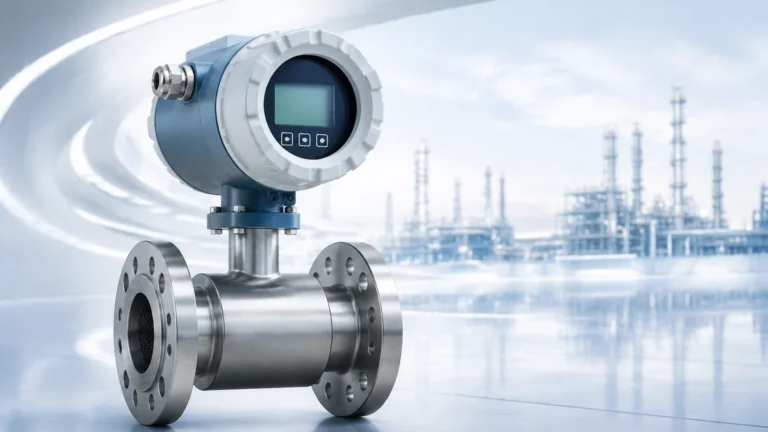
Radar level meters, particularly high-frequency 80GHz models, are the preferred choice for WFI tanks. The principle involves the emission of electromagnetic pulses that reflect off the surface of the liquid. The time-of-flight or frequency shift is measured to determine the distance.
For WFI applications, non-contact radar is advantageous because it does not physically touch the medium, eliminating a potential source of contamination. However, high-purity water has a low dielectric constant (εr ≈ 80 at room temperature, but decreasing as temperature rises), which can affect signal reflection. Modern FMCW (Frequency Modulated Continuous Wave) radar systems provide the sensitivity required to track the surface accurately even in the presence of steam or condensate, which is common in tanks stored at 80°C.
Ultrasonic Level Measurement
Ultrasonic sensors function by emitting sound waves that bounce off the liquid surface. While cost-effective, they are generally less suitable for WFI tanks than radar. The speed of sound is highly dependent on air temperature and vapor pressure. Since WFI tanks are often kept at high temperatures or undergo Steam-in-Place (SIP) cycles, the resulting vapor layers can attenuate the signal or cause measurement errors. If ultrasonic technology is used, it must include robust temperature compensation and be rated for sanitary environments.
Hydrostatic Pressure Measurement
Hydrostatic transmitters measure the pressure exerted by the liquid column. In a WFI context, these must use flush-mounted diaphragms made of 316L stainless steel with a high surface finish. While reliable, they are contact-based and require careful installation to avoid "dead legs" where bacteria could proliferate.
Understanding Wfi Samplers and Aseptic Valves
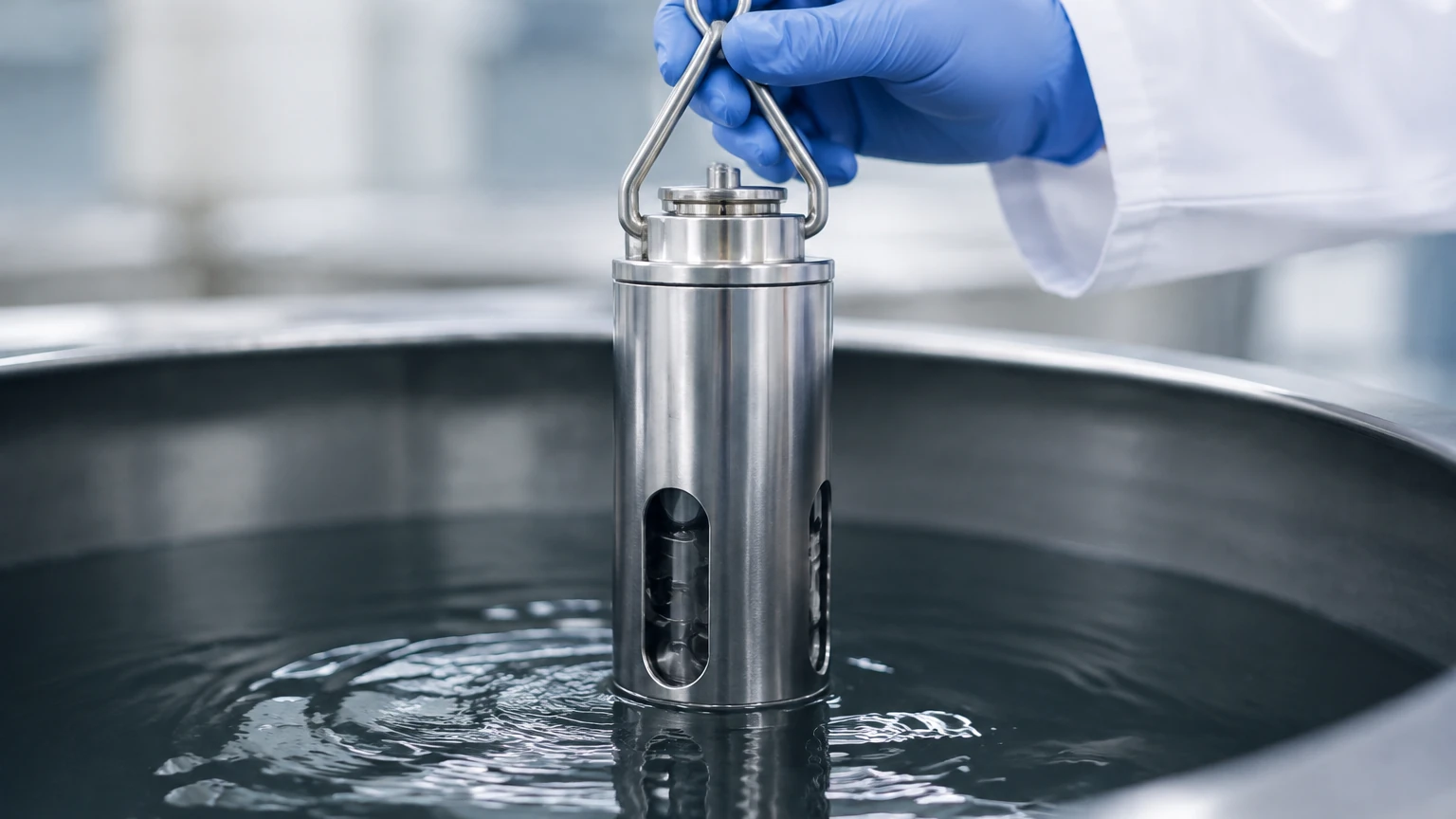
Wfi samplers are specialized components designed to extract water from a pressurized distribution loop or storage tank without compromising the sterility of the system. Unlike standard industrial valves, a WFI sampler must be designed to be completely drainable and sterilizable.
Aseptic Sampling Design
The primary challenge with Wfi samplers is the prevention of biofilm formation. Most samplers utilize a diaphragm valve design. The diaphragm separates the mechanical parts of the valve from the fluid path, ensuring that only the 316L stainless steel body and the medical-grade elastomer (typically EPDM or PTFE) come into contact with the water.
When a sample is required, the valve is opened, allowing a controlled volume of WFI to flow into a sterile container. After sampling, the valve body must be designed so that no residual water remains trapped in the outlet—a condition known as "self-draining."
Integration with Level Control
Effective sampling protocols are often linked to the tank level. If the level transmitter, such as those found on the Main Page of professional instrument suppliers, indicates a low-level condition, sampling may be inhibited to protect the system's hydraulic balance. Conversely, high-level alarms ensure that sampling does not occur during a potential overflow or during a CIP (Clean-in-Place) cycle where chemicals might be present.
Technical Selection Criteria for WFI Components
When selecting level meters and Wfi samplers, engineers must adhere to stringent material and design standards, such as ASME BPE (Bioprocessing Equipment). The following table outlines key selection criteria:
| Feature | Requirement for WFI Systems | Engineering Rationale |
| :— | :— | :— |
| Material | 316L Stainless Steel (1.4435) | Resistance to corrosion and high-temperature oxidation. |
| Surface Finish | Ra < 0.5 μm (Electropolished) | Minimizes surface area for microbial attachment and biofilm growth. |
| Elastomers | USP Class VI compliant (EPDM/PTFE) | Ensures no leachable substances enter the water supply. |
| Connection Type | Tri-Clamp or Hygienic Flange | Facilitates easy removal for inspection and ensures a crevice-free seal. |
| Temperature Rating | Up to 130°C – 150°C | Must withstand SIP cycles and continuous storage at 80°C. |
| Measurement Accuracy | ±2mm or better (for level) | Critical for inventory management and process automation. |
Installation Guidelines and Sanitary Standards
The installation of both Wfi samplers and level sensors is as critical as the hardware itself. Improper installation can create "dead legs," which are stagnant areas where water does not circulate, leading to microbial growth.
The 3D/2D Rule
In pharmaceutical piping, the length of a branch pipe (such as the one leading to a sampler) should not exceed a specific multiple of its diameter. Historically, the "3D rule" was the standard, but modern high-purity systems often strive for a "2D rule" (the length of the stagnant branch is no more than twice the pipe diameter). This ensures that the turbulence of the main flow continuously "refreshes" the water in the branch, preventing stagnation.
Level Sensor Placement
For radar and ultrasonic level meters, the sensor must be mounted away from the tank walls and the inlet stream to avoid false reflections. In WFI tanks, which often feature spray balls for cleaning, the sensor must be positioned so that it does not interfere with the spray pattern, yet remains protected from direct high-pressure water jets during CIP cycles.
Mounting Orientation
Wfi samplers should be installed at a slight downward angle to ensure they are fully self-draining. If a sampler is mounted horizontally, a small amount of water may remain in the valve seat, providing a breeding ground for bacteria between sampling intervals.
Operational Limitations and Risk Management
Despite advanced technology, WFI systems face several operational risks that must be managed through careful instrument selection and maintenance.
1. Biofilm Development: Even with 316L stainless steel and high surface finishes, biofilms can develop if the water velocity drops or if temperatures fluctuate. Regular sampling via Wfi samplers is necessary to detect these trends early.
2. Signal Interference in Level Meters: Condensation on the sensor face of a radar or ultrasonic meter can cause "signal loss." Selecting sensors with PTFE-encapsulated antennas or specialized "dripping" lens shapes helps shed condensate and maintain a clear signal.
3. Seal Degradation: The elastomers in sampling valves and level sensor seals are subject to thermal stress during SIP. A preventative maintenance schedule must be established to replace these seals before they crack or lose their hygienic integrity.
4. Ambient Temperature Effects: In some facilities, the temperature difference between the hot WFI tank (80°C) and the ambient room air can cause heavy condensation on the exterior of the instruments. Instruments should have high IP ratings (IP67/IP69K) to prevent moisture ingress into the electronics.
Frequently Asked Questions (FAQ)
Q: Why is 80GHz radar preferred over 26GHz for WFI tanks?
A: Higher frequency radar (80GHz) has a narrower beam angle. This allows the signal to avoid internal tank obstructions like agitators, ladders, or spray balls, which are common in pharmaceutical vessels. It also provides better resolution, which is critical for the precise volume control required in high-value WFI storage.
Q: Can I use a manual valve as a Wfi sampler?
A: Standard manual valves are generally not acceptable unless they are specifically designed as aseptic diaphragm valves. Ball valves or gate valves have internal cavities and "dead zones" that cannot be effectively cleaned or sterilized, making them a significant contamination risk for WFI systems.
Q: How often should Wfi samplers be sterilized?
A: Sampling valves are typically sterilized as part of the overall loop SIP (Steam-in-Place) cycle. However, if a sampler is used frequently, some designs allow for localized steaming of the valve outlet before and after each use to ensure the highest level of sample integrity.
Q: What is the impact of low dielectric constants on level measurement?
A: Pure water has a lower dielectric constant than tap water, which means it reflects radar waves less efficiently. While WFI still has a high enough dielectric constant for reliable measurement, the sensor must have a high dynamic range to distinguish the surface reflection from background noise, especially in turbulent conditions.
Conclusion
Maintaining the quality of Water for Injection requires a holistic approach to engineering, combining robust Wfi samplers with precise level measurement instrumentation. By understanding the principles of radar and ultrasonic technology, adhering to sanitary installation standards like the 2D rule, and selecting materials that withstand rigorous sterilization, facilities can ensure the continuous delivery of high-purity water. For those seeking reliable level measurement solutions tailored to industrial and pharmaceutical applications, exploring the technical options available on the Main Page is a recommended starting point for system design and optimization.