Wireless Water Level Sensor
Wireless Water Level Sensor
In the era of Industrial Internet of Things (IIoT), the wireless water level sensor has transitioned from a niche convenience to a critical component of modern infrastructure. Whether managing municipal water distribution, industrial wastewater treatment, or remote agricultural reservoirs, the ability to monitor liquid levels without the prohibitive costs of trenching and cabling offers significant operational advantages. This guide explores the underlying measurement technologies, wireless transmission protocols, and practical selection criteria for engineering professionals.
Core Measurement Principles
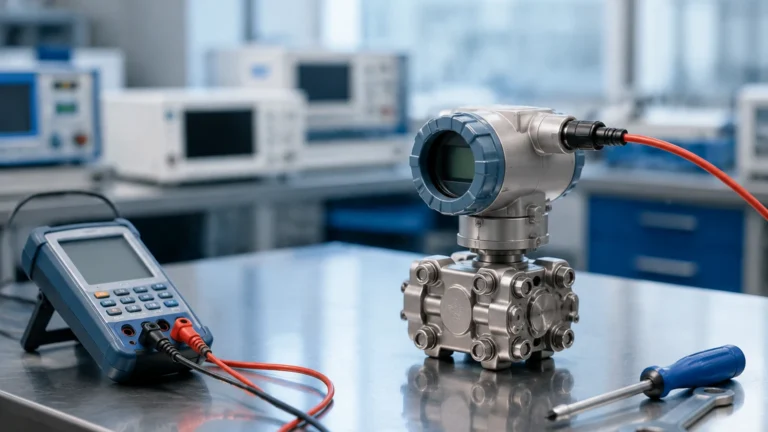
Before evaluating the wireless transmission aspect, it is essential to understand the sensing technology used to detect the water level. A wireless water level sensor is essentially a combination of a traditional level transmitter and a wireless communication module. The choice of sensing principle depends heavily on the physical characteristics of the installation site.
Hydrostatic Pressure Measurement
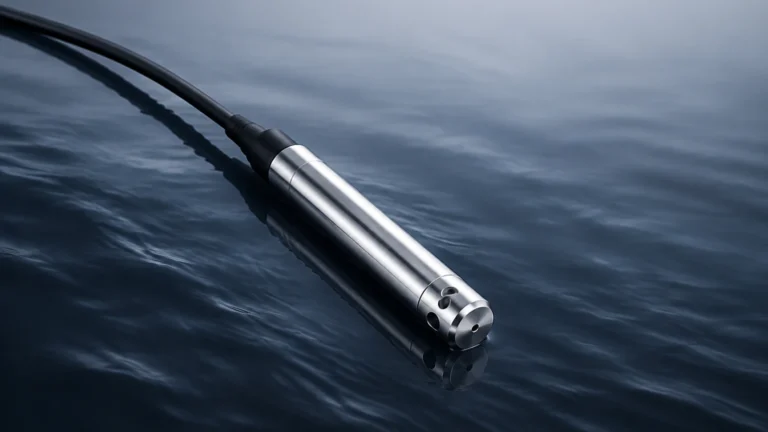
Hydrostatic sensors are submersible instruments that measure the liquid level based on the static pressure exerted by the water column above the sensor. The relationship is defined by the formula:
P = ρ · g · h
Where *P* is pressure, *ρ* (rho) is the liquid density, *g* is the gravitational constant, and *h* is the height of the liquid.
These sensors are ideal for deep wells, boreholes, and large reservoirs. Because they are submerged, they are unaffected by surface foam or turbulence, though they require venting to the atmosphere to compensate for changes in barometric pressure.
Ultrasonic (Non-Contact)
Ultrasonic sensors emit high-frequency sound waves that bounce off the water surface and return to the transducer. By measuring the time-of-flight (ToF), the sensor calculates the distance to the liquid. This technology is preferred for wastewater and corrosive liquids because the sensor does not come into contact with the medium. However, it can be affected by heavy foam, steam, or extreme temperature fluctuations which alter the speed of sound.
Radar (FMCW and Pulse)
Radar level meters use electromagnetic waves rather than sound. Frequency Modulated Continuous Wave (FMCW) radar is increasingly common in wireless configurations due to its high precision (often within ±2mm). Unlike ultrasonic waves, radar signals are not affected by air temperature, vacuum, or high pressure, making them the gold standard for critical industrial processes. For a comprehensive look at high-precision options, professionals can Review product options and application support to match radar frequencies to specific tank geometries.
Wireless Communication Protocols
The "wireless" component of the sensor determines how data reaches the end-user or the control system. Several protocols dominate the industrial landscape, each with trade-offs regarding range, power consumption, and data throughput.
1. LoRaWAN (Long Range Wide Area Network):
LoRaWAN is highly favored for remote water monitoring. It offers ranges up to 15 km (9.3 miles) in rural areas and has extremely low power consumption, allowing sensors to operate on internal batteries for 5 to 10 years. It is ideal for periodic level updates (e.g., every 15 minutes).
2. NB-IoT (Narrowband IoT):
This is a cellular-based protocol that utilizes existing mobile networks. It provides excellent penetration through walls and underground (useful for manhole monitoring). While it requires a SIM card and a subscription, it eliminates the need for the user to maintain their own gateway infrastructure.
3. Zigbee and WirelessHART:
These are mesh-networking protocols typically used within the confines of a processing plant. They offer high reliability through redundant paths but have a limited range (usually under 100 meters per node) compared to LoRa or NB-IoT.
4. 4G/5G Cellular:
Standard cellular sensors are used when high data rates or real-time streaming are required. However, the high power consumption usually necessitates solar panels or a permanent power source.
Practical Selection Table
Choosing the right combination of sensor and protocol is vital for long-term reliability. The following table summarizes typical applications:
| Application | Recommended Sensor Type | Wireless Protocol | Typical Range |
| :— | :— | :— | :— |
| Deep Groundwater Well | Hydrostatic (Submersible) | LoRaWAN / NB-IoT | 5km – 15km |
| Wastewater Lift Station | Ultrasonic | NB-IoT / 4G | 1km – 10km |
| Chemical Storage Tank | Radar (80GHz) | WirelessHART / Zigbee | < 500m (Mesh) |
| Irrigation Reservoir | Hydrostatic or Ultrasonic | LoRaWAN | 10km+ |
| Urban Manhole Monitoring | Hydrostatic | NB-IoT | Sub-surface to Cell Tower |
Installation Considerations
Successful deployment of a wireless water level sensor requires more than just mounting the hardware. Engineering teams must account for the physical environment's impact on both the measurement and the signal.
Signal Propagation and the Fresnel Zone
Wireless signals do not travel in a straight line like a laser; they occupy a football-shaped area called the Fresnel Zone. If obstacles like buildings, trees, or terrain encroach on this zone, the signal strength will degrade significantly. When installing gateways, height is the most critical factor for ensuring a stable connection to remote sensors.
Battery Life and Update Intervals
In wireless systems, the radio transmission consumes significantly more power than the actual measurement. To maximize battery life, users should configure the "Heartbeat" or update interval. For example, a sensor reporting every 1 hour might last 7 years, whereas the same sensor reporting every 1 minute might deplete its battery in 6 months.
Antenna Placement
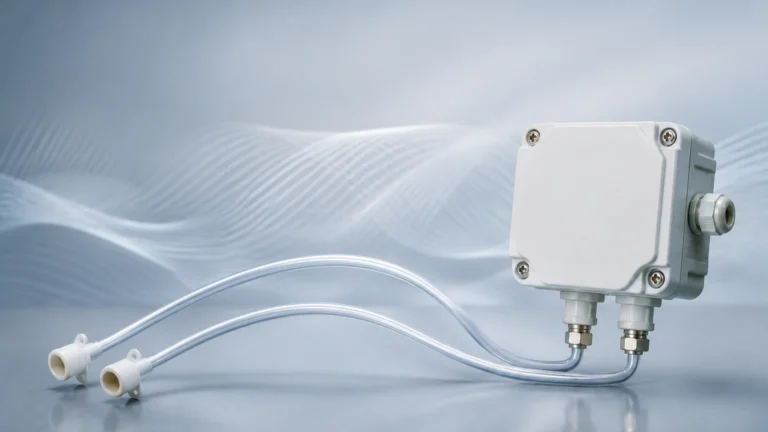
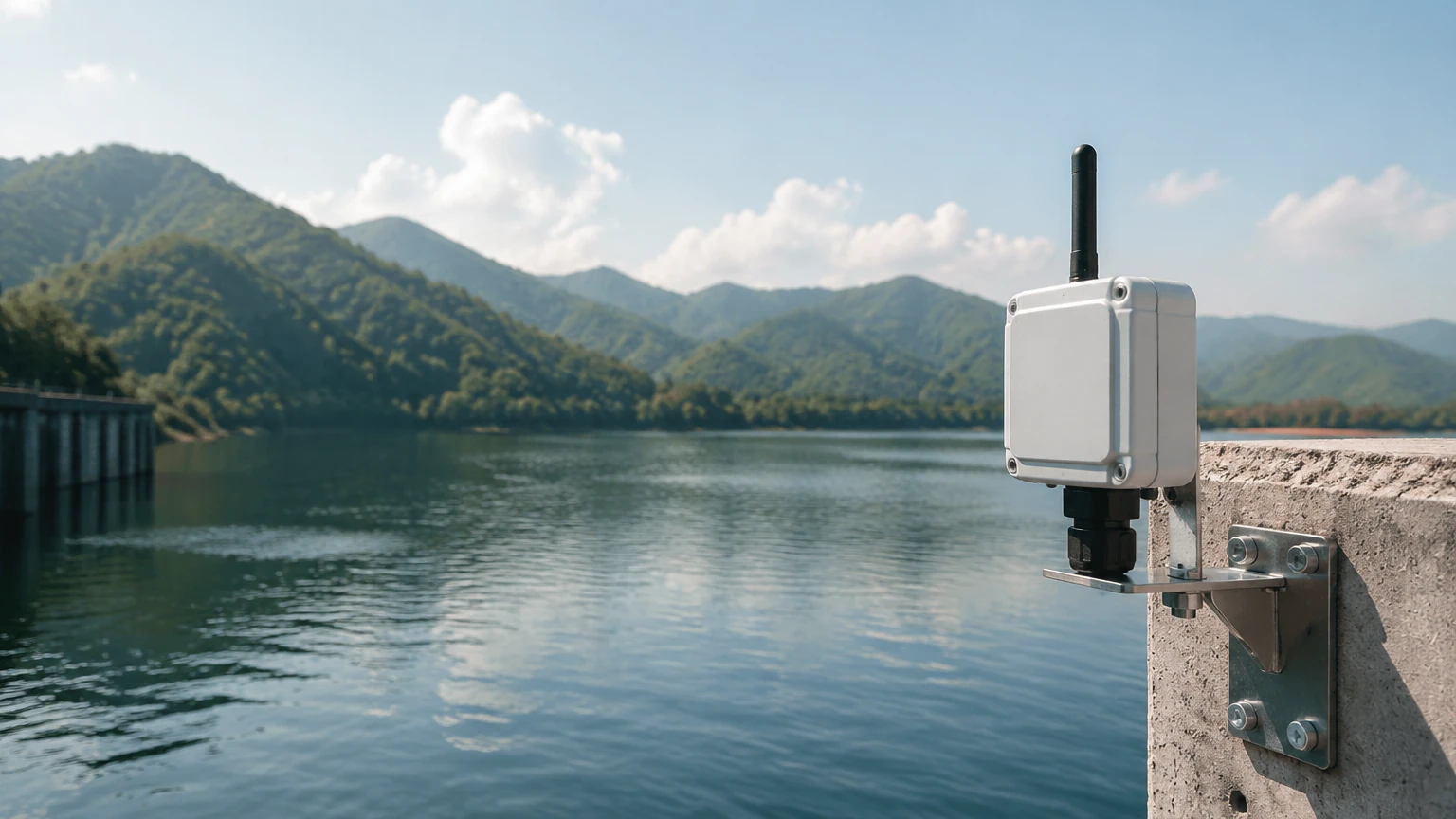
For submersible hydrostatic sensors, the wireless transmitter is often housed in a separate enclosure at the top of the well. It is crucial that the antenna is not shielded by metal covers. In municipal applications, composite or plastic manhole covers are often used to replace cast iron to allow RF signals to pass through.
Limitations and Common Risks
While wireless technology simplifies installation, it introduces specific risks that must be managed:
* Latency: Wireless sensors are generally not suitable for high-speed safety shut-off loops. If a tank fills in seconds, the latency of a LoRaWAN network may be too high to prevent an overflow. Hardwired switches are still recommended for primary safety functions.
* Signal Interference: In dense industrial environments, electromagnetic interference (EMI) from large motors or variable frequency drives (VFDs) can disrupt low-power wireless signals.
* Environmental Obstruction: Seasonal changes, such as leaf growth on trees or heavy snowfall, can attenuate signals that were strong during the initial site survey.
* Cybersecurity: Wireless data transmission must be encrypted (typically AES-128) to prevent unauthorized access to utility data or spoofing of level readings.
Maintenance Guidance
Wireless sensors are often "set and forget," but they do require a basic maintenance schedule:
1. Battery Monitoring: Most industrial wireless sensors report their battery voltage alongside the level data. Set alarms for 20% capacity to allow time for scheduled replacement.
2. Sensor Fouling: In wastewater applications, check ultrasonic transducers for spider webs or condensation buildup, and check hydrostatic probes for silt accumulation.
3. Firmware Updates: Periodically update the gateway and sensor firmware to patch security vulnerabilities and improve power management.
Frequently Asked Questions (FAQs)
Q: Can a wireless water level sensor work underground?
A: Yes, but with limitations. NB-IoT and LoRaWAN have better penetration than Wi-Fi. However, if the sensor is deep underground or covered by a thick metal lid, an external antenna must be routed to the surface.
Q: How accurate are these sensors compared to wired versions?
A: The measurement accuracy is identical to wired versions (e.g., ±0.25% to ±0.1% FS). The only difference is the data transmission method. However, the resolution of the data may be lower if the system uses aggressive data compression to save battery.
Q: What happens if the wireless signal is lost?
A: Most industrial-grade sensors have internal data logging. When the connection is restored, the sensor can "backfill" the missing data to the cloud or SCADA system, ensuring no gaps in the historical record.
Q: Are these sensors suitable for drinking water?
A: Yes, provided the materials in contact with the water (such as the 316L stainless steel of a hydrostatic probe or the PVDF of an ultrasonic sensor) are certified for food-grade or potable water use.
Conclusion
The implementation of a wireless water level sensor significantly reduces the Total Cost of Ownership (TCO) for liquid monitoring by eliminating the infrastructure requirements of traditional wired systems. By selecting the appropriate measurement principle—whether hydrostatic, ultrasonic, or radar—and pairing it with a robust wireless protocol like LoRaWAN or NB-IoT, industrial operators can achieve reliable, real-time insights into their water assets. For detailed technical specifications and to explore the full range of industrial measurement solutions, visit the Main Page of our product catalog.