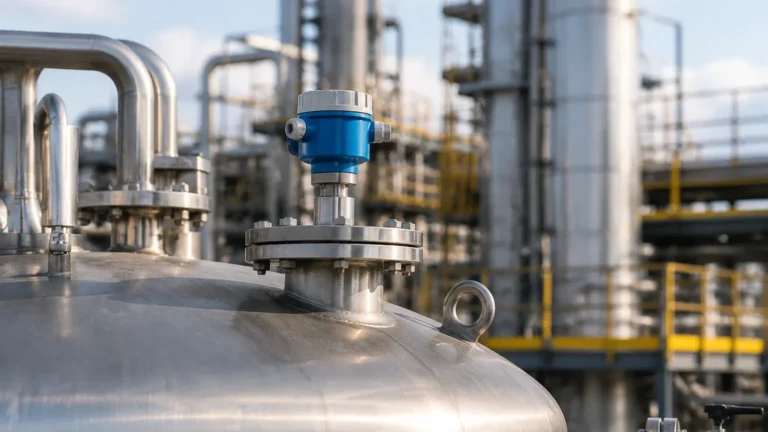
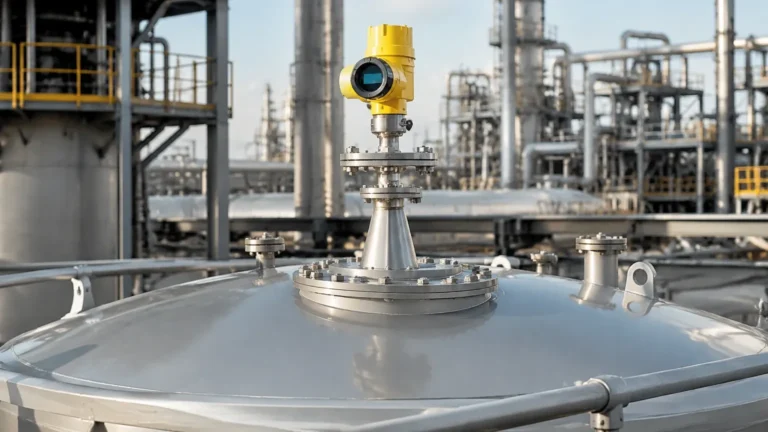
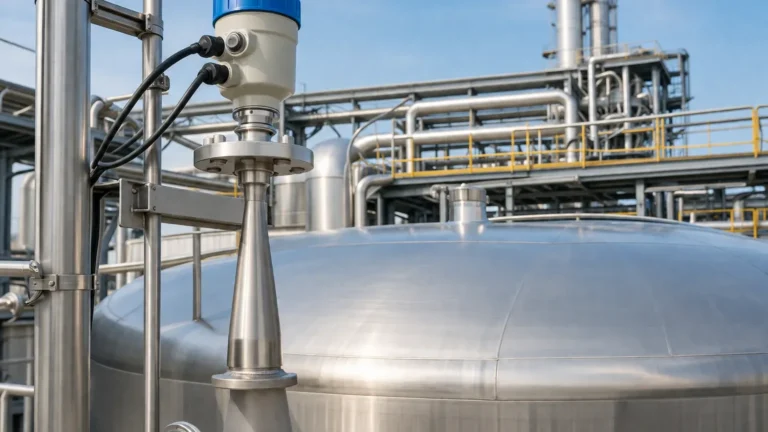
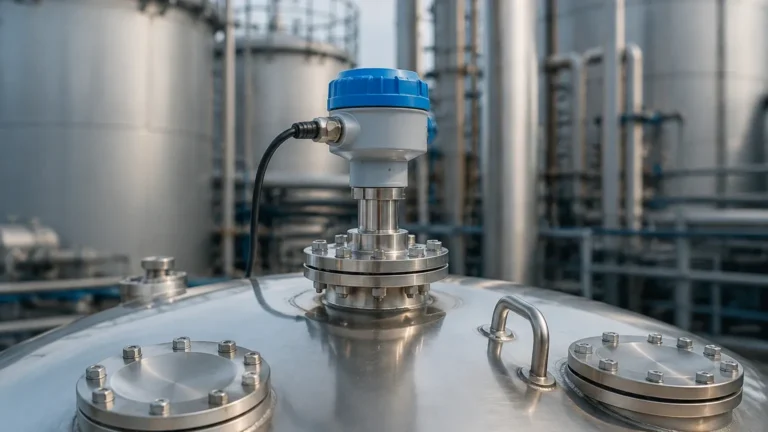
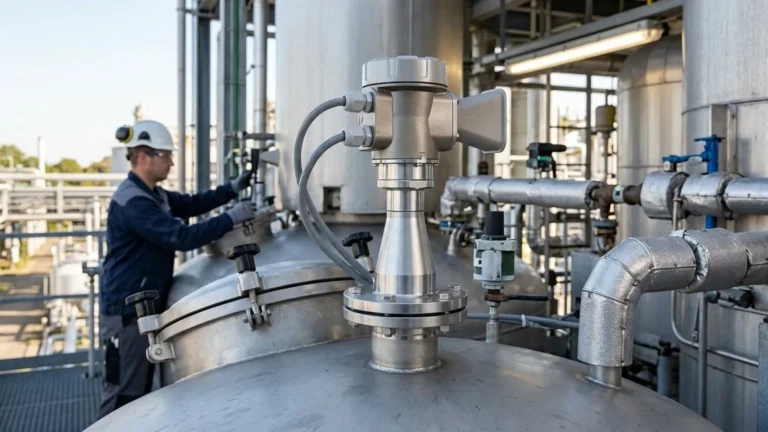
Non Contact Type Radar Level Transmitter
Non Contact Type Radar Level Transmitter: A Practical Engineering Guide
In modern industrial process control, the demand for precise, reliable, and maintenance-free level measurement has led to the widespread adoption of the non contact type radar level transmitter. Unlike traditional contact-based methods such as float switches or guided wave radar, non-contact radar technology operates without touching the process medium. This characteristic makes it an ideal solution for measuring corrosive, viscous, or hazardous materials where sensor fouling or mechanical wear would otherwise lead to frequent downtime.
As a professional manufacturer of industrial instrumentation, Welk provides a range of Radar Level Meters designed to meet the rigorous demands of water treatment, chemical processing, and oil and gas industries. This guide explores the engineering principles, selection criteria, and installation best practices for non-contact radar technology.
Understanding Measurement Principles
Non-contact radar level transmitters operate by emitting electromagnetic waves (microwaves) from an antenna toward the surface of the material being measured. These waves travel at the speed of light, reflect off the material surface, and return to the sensor. The transmitter then calculates the distance based on the time it takes for the signal to return.
There are two primary methods used in industrial radar measurement:
1. Pulse Radar (Time of Flight)
Pulse radar transmitters emit short microwave pulses. The instrument measures the time elapsed between the emission of the pulse and its reception after reflecting from the surface. This "Time of Flight" (ToF) is directly proportional to the distance. While historically popular due to lower power consumption, pulse radar is increasingly being superseded by FMCW technology in high-precision applications.
2. Frequency Modulated Continuous Wave (FMCW)
FMCW radar technology emits a continuous signal with a constantly changing frequency (a frequency sweep). When the reflected signal is received, it is compared to the signal being emitted at that exact moment. The frequency difference between the transmitted and received signals is proportional to the distance to the product surface. FMCW offers significantly higher accuracy and a better signal-to-noise ratio, making it the preferred choice for complex industrial environments.
The Role of the Dielectric Constant ($ε_r$)
The reliability of a non contact type radar level transmitter depends heavily on the dielectric constant of the medium. Materials with high dielectric constants (such as water, $ε_r ≈ 80$) reflect radar waves very effectively. Conversely, materials with low dielectric constants (such as hydrocarbons or solvents, $ε_r < 2.0$) reflect less energy, requiring more sensitive electronics and specialized antenna designs to ensure a stable reading.
Technology Comparison: 26GHz vs. 80GHz Radar
The frequency of the radar signal determines the beam angle and the instrument's ability to handle obstacles. Most industrial radar level meters operate in either the K-band (26GHz) or the W-band (80GHz).
| Feature | 26 GHz Radar | 80 GHz Radar |
| :— | :— | :— |
| Beam Angle | 8° to 20° (Wide) | 3° to 8° (Narrow) |
| Accuracy | ±3 mm to ±5 mm | ±1 mm |
| Max Range | Up to 30m – 70m (98ft – 230ft) | Up to 120m (394ft) |
| Antenna Size | Larger (Horn/Parabolic) | Compact (Lens/Small Horn) |
| Best Application | Large silos, standard liquids | Small vessels, narrow nozzles, high precision |
High-frequency 80GHz transmitters are particularly effective in vessels with internal obstructions like agitators or heating coils. The narrow beam can be directed to avoid these obstacles, reducing the risk of false echoes.
Selection Criteria for Industrial Applications
Choosing the right non contact type radar level transmitter requires a thorough analysis of the process environment. Engineers should consider the following factors:
1. Medium Characteristics
Is the medium liquid, slurry, or solid? For solids, dust levels can attenuate the radar signal, necessitating a high-power transmitter or a parabolic antenna. For liquids, consider if there is surface turbulence or foam, as these can scatter the signal.
2. Process Temperature and Pressure
Standard radar sensors are typically rated for temperatures up to 150°C (302°F) and pressures up to 4 MPa (40 bar). However, specialized high-temperature versions can withstand over 250°C (482°F) using ceramic seals and cooling fins.
3. Tank Geometry and Internal Obstacles
The presence of ladders, pipes, or agitators within the tank can create "false echoes." While modern software can perform a "false echo suppression" or "background subtraction," selecting a transmitter with a narrow beam angle (80GHz) is the most effective way to mitigate this issue.
4. Chemical Compatibility
The wetted parts of the antenna must be compatible with the process medium. Common materials include Stainless Steel (316L), PTFE, and Hastelloy. For highly corrosive acids, a fully PTFE-sealed antenna is often required.
Installation Considerations
Proper installation is critical to the performance of a non-contact radar level transmitter. Engineers should follow these standard guidelines:
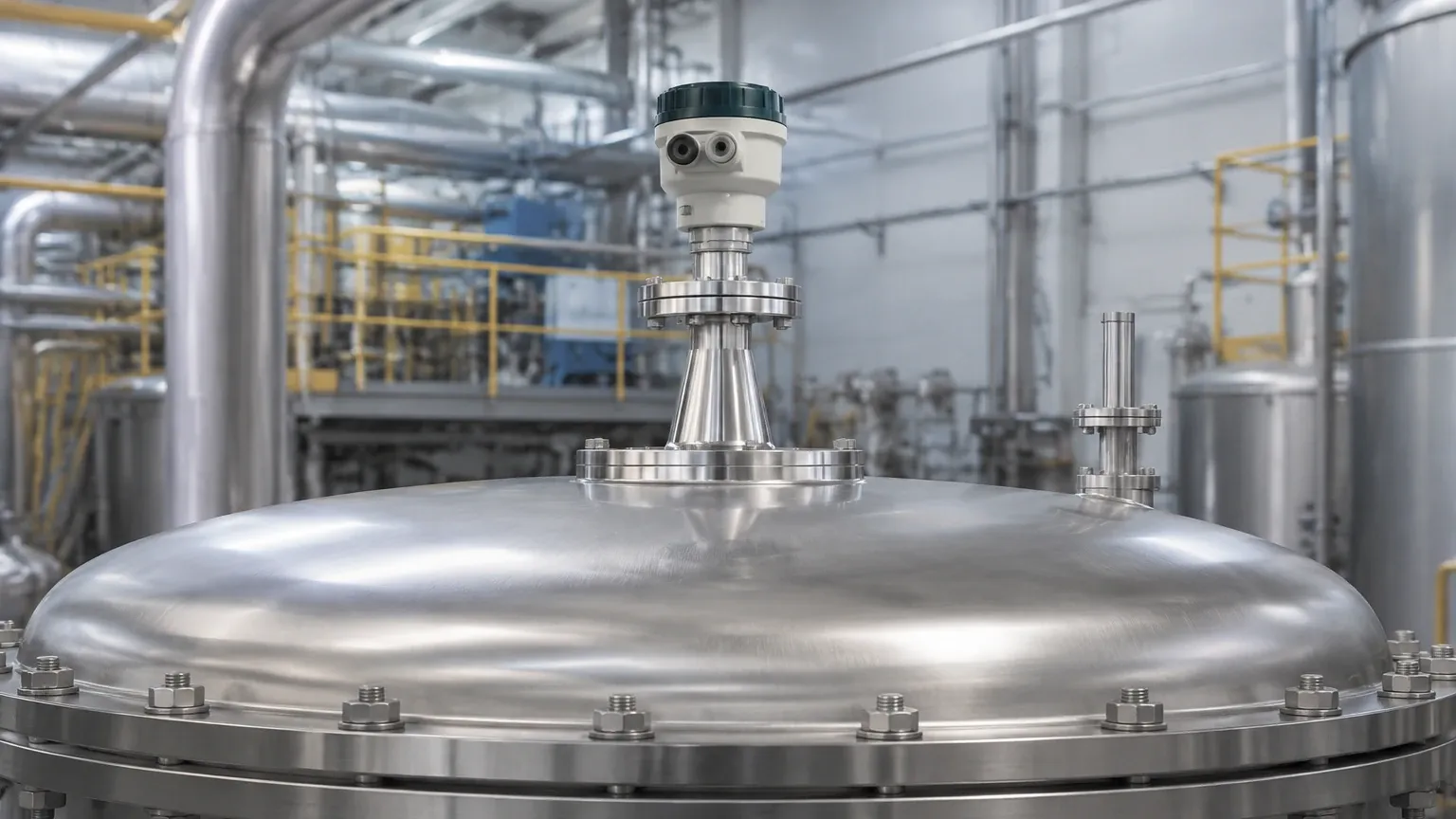
* Avoid the Center: Never install the radar in the exact center of a vaulted or dome-roof tank. This can cause multiple reflections that interfere with the signal.
* Wall Distance: Maintain a minimum distance from the tank wall (typically 1/6th of the tank diameter or at least 200mm / 8 inches) to prevent interference from wall weld seams or buildup.
* Nozzle Height: The antenna should ideally extend slightly beyond the mounting nozzle. If the nozzle is very long, it can cause internal reflections that create a "dead zone" at the top of the tank.
* Inlet Positioning: Ensure the radar beam does not intersect with the filling stream. The turbulence and falling material will cause significant signal noise.
* Agitator Synchronization: If an agitator is present, the transmitter should be mounted in a position where the beam avoids the blades, or the software should be configured to filter out the periodic interference from the moving blades.
Limitations and Application Risks
While highly versatile, non-contact radar is not a "one-size-fits-all" solution. Engineers must be aware of specific limitations:
1. Heavy Foam: Dense, thick foam can absorb the radar signal entirely, preventing it from reaching the liquid surface. In such cases, guided wave radar or ultrasonic sensors (for light foam) may be more appropriate.
2. Vacuum Environments: While radar waves travel through a vacuum, the sealing of the transmitter must be rated for vacuum service to prevent damage to the electronics.
3. Extremely Low Dielectrics: Materials like liquefied gases or certain dry powders may have a dielectric constant so low that the signal passes through them rather than reflecting. Specialized high-sensitivity radar or contact-based measurement may be necessary.
4. Condensation and Buildup: Heavy condensation on the antenna lens can attenuate the signal. Selecting an antenna with a convex lens (which allows droplets to run off) or using a clear-air purge connection can alleviate this.
Frequently Asked Questions (FAQ)
Q: Can non-contact radar measure through a plastic tank wall?
A: Yes. Because plastic has a low dielectric constant, radar waves can pass through the top of a plastic or fiberglass tank to measure the level inside without a process opening. This is a common solution for chemical storage totes.
Q: How does dust affect the measurement in a grain silo?
A: High-frequency radar (80GHz) is generally excellent at penetrating dust. However, if the dust is extremely thick and consists of large particles, it may scatter the signal. Using a transmitter with a high dynamic range and a dust-purging system is recommended.
Q: Is a non contact type radar level transmitter affected by changes in gas composition?
A: No. Unlike ultrasonic sensors, which depend on the speed of sound (which changes with gas density and temperature), radar waves are electromagnetic and their speed remains constant regardless of the gas medium in the tank headspace.
Q: What is the maintenance requirement for these sensors?
A: Because there are no moving parts and no contact with the medium, maintenance is minimal. Routine checks usually involve verifying the antenna lens is clean and ensuring the cable glands remain sealed against moisture.
Conclusion
The non contact type radar level transmitter represents the pinnacle of modern level measurement technology. By offering high precision, long-range capability, and resistance to harsh process conditions, it provides a significant return on investment through reduced maintenance and improved process safety. When selecting a device, engineers must balance frequency, antenna design, and material compatibility to ensure the chosen Radar Level Meters meet the specific needs of their facility.
For international buyers and plant managers, confirming the dielectric constant of the medium and providing a detailed tank drawing to the manufacturer are the most important steps in securing a reliable measurement solution. With the right configuration, non-contact radar provides the stability and accuracy required for the most demanding industrial automation tasks.