Apollo Ultrasonic Level Sensor Battery Replacement
Apollo Ultrasonic Level Sensor Battery Replacement: A Technical Maintenance Guide
In the realm of industrial and commercial fluid management, maintaining accurate inventory levels is critical for operational efficiency and safety. Ultrasonic level measurement has emerged as a preferred non-contact technology for monitoring liquids in tanks ranging from water and chemicals to fuel oils. Among the various market solutions, Apollo-branded sensors are widely utilized for light commercial and domestic oil tank monitoring. However, the reliability of these systems hinges on consistent power. This guide provides a comprehensive technical overview of the apollo ultrasonic level sensor battery replacement process, the underlying measurement principles, and how these devices compare to high-precision industrial Ultrasonic Level Meters.
Understanding Ultrasonic Level Measurement Principles
Before addressing maintenance tasks like battery replacement, it is essential to understand how these instruments function. Ultrasonic level sensors operate on the "Time-of-Flight" (ToF) principle.
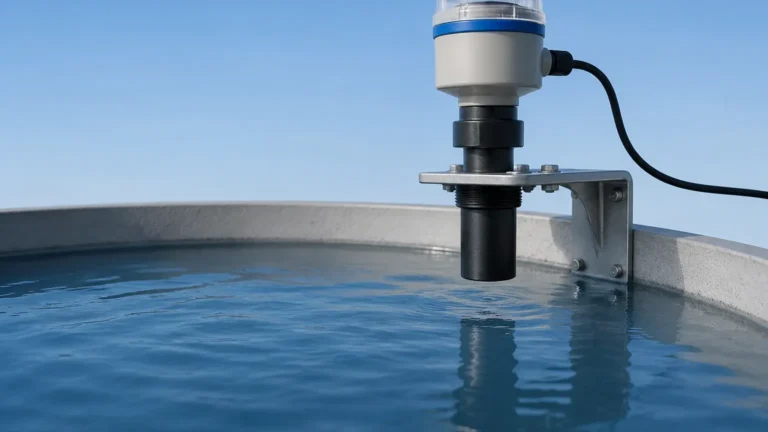
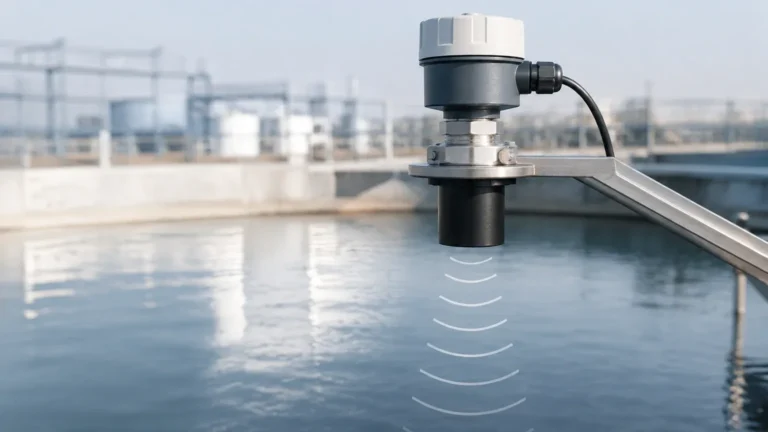
The sensor head contains a piezoelectric crystal that acts as a transducer. When energized, this transducer emits a high-frequency sound pulse (typically between 20 kHz and 200 kHz) toward the surface of the medium being measured. The pulse travels through the air gap, hits the liquid surface, and reflects back to the sensor.
The device then calculates the distance based on the following formula:
Distance = (Speed of Sound × Time Delay) / 2
Because the speed of sound in air is approximately 343 meters per second (at 20°C), the sensor can determine the distance to the liquid with high precision. By subtracting this distance from the total tank height (a parameter set during configuration), the instrument determines the actual level or volume of the fluid. Industrial-grade units, such as those manufactured by Welk, often include integrated temperature compensation to account for variations in the speed of sound caused by thermal fluctuations in the tank headspace.
Step-by-Step Apollo Ultrasonic Level Sensor Battery Replacement
For battery-powered units like the Apollo Smart or Apollo Visual, the transmitter located on top of the tank eventually requires a power cell swap. Typically, these units use a 3V CR2430 lithium coin cell or a similar high-capacity lithium battery designed for longevity in outdoor environments.
1. Safety and Preparation
Ensure the area around the tank is clean and free of debris. If the sensor is installed on a tank containing volatile chemicals or fuels, ensure all tools are non-sparking and follow local ATEX or safety protocols. Although the Apollo is generally used for heating oil, standard industrial safety practices apply.
2. Removing the Transmitter
Most Apollo units are fitted to the tank via a threaded base or a weather-proof bracket. Carefully unscrew the transmitter unit from the base. Be cautious not to drop the unit, as the ultrasonic transducer face is sensitive to physical impact.
3. Accessing the Battery Compartment
On the underside or the side of the transmitter, there are usually small screws (often cross-head) holding the housing together. Remove these screws and gently pry the casing apart. You will see a printed circuit board (PCB) with a battery clip.
4. Replacing the Cell
Slide the old battery out of the clip. It is recommended to wait approximately 30 to 60 seconds before inserting the new battery to allow the internal capacitors to discharge fully, which ensures a clean reset of the microprocessor. Insert the new 3V Lithium CR2430 battery, ensuring the positive (+) side is facing upward as indicated on the clip.
5. Reassembly and Sealing
Check the rubber O-ring or gasket that seals the housing. If it is cracked or compressed, it should be replaced to prevent moisture ingress. Reassemble the housing and tighten the screws firmly but do not over-torque, as this can crack the plastic casing. Reinstall the unit on the tank.
6. Re-synchronization
After an apollo ultrasonic level sensor battery replacement, the transmitter and the indoor receiver unit may need to be re-synchronized. This often involves holding a "matching" button on the receiver or following the manufacturer’s specific pairing sequence to restore the wireless link.
Evaluation Criteria for Industrial Ultrasonic Level Meters
While battery-powered sensors are convenient for remote or domestic applications, industrial process automation often requires more robust solutions. When selecting Ultrasonic Level Meters for factory or treatment plant environments, engineers must evaluate several key criteria:
| Criteria | Description | Industrial Requirement |
| :— | :— | :— |
| Measurement Range | The maximum distance the pulse can travel and return. | Typically 0.3m to 15m or more. |
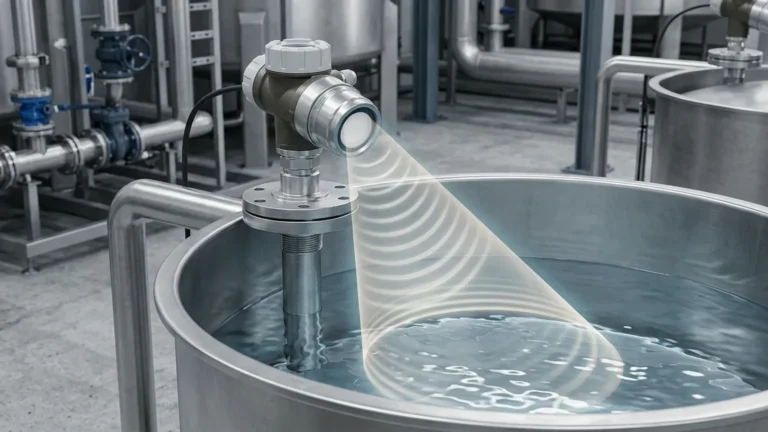
| Beam Angle | The width of the ultrasonic cone. | Narrower angles (e.g., 5°–10°) avoid internal obstructions. |
| Power Source | How the device is energized. | 24V DC Loop-powered or 220V AC for continuous monitoring. |
| Output Signals | Data transmission method. | 4-20mA, HART, RS485 Modbus, or Profibus. |
| Operating Pressure | The pressure the transducer can withstand. | Usually atmospheric, but some handle up to 0.3 MPa. |
| Ingress Protection | Resistance to dust and water. | IP66, IP67, or IP68 for submerged applications. |
Installation Considerations and Best Practices
To ensure the longevity of the battery and the accuracy of the level data, proper installation is paramount. Whether using a battery-operated Apollo or a hard-wired industrial meter, follow these guidelines:
* Avoid the "Dead Zone": Every ultrasonic sensor has a "blocking distance" or dead zone (typically the first 200mm to 500mm from the transducer face). The liquid level should never rise into this zone, or the sensor will fail to provide a reading.
* Perpendicular Alignment: The transducer must be mounted perfectly perpendicular to the liquid surface. A tilt of even a few degrees can cause the reflected signal to miss the receiver, leading to "Loss of Echo" errors.
* Obstruction Clearance: Ensure the ultrasonic beam path is clear of ladders, heating coils, or internal tank struts. If obstructions are unavoidable, high-end industrial meters offer "False Echo Suppression" software to ignore these reflections.
* Environmental Protection: While many sensors are rated for outdoor use, providing a sunshade can prevent extreme temperature fluctuations from affecting the electronics and prolonging the life of the battery in wireless units.

Limitations of Battery-Powered Ultrasonic Sensors
While the apollo ultrasonic level sensor battery replacement process is straightforward, users should be aware of the inherent limitations of battery-powered technology compared to mains-powered industrial systems:
1. Update Frequency: To conserve battery life, wireless sensors often only take a reading every 15 to 60 minutes. This is insufficient for fast-filling tanks or dynamic process control where real-time data is required.
2. Signal Strength: Battery-powered units rely on RF (Radio Frequency) transmission. Structural steel, thick concrete walls, or heavy rain can interfere with the signal between the tank and the control room.
3. Temperature Sensitivity: Lithium batteries perform poorly in extreme cold. In regions where temperatures drop below -20°C, battery capacity can diminish rapidly, leading to frequent maintenance cycles.
4. Lack of Advanced Diagnostics: Most battery-operated commercial sensors provide a simple level reading. Industrial Ultrasonic Level Meters provide echo curves, signal-to-noise ratios, and diagnostic alerts that allow for predictive maintenance.
Troubleshooting Common Issues in Ultrasonic Level Measurement
If a sensor fails to report data after a battery replacement, consider the following troubleshooting steps:
* Condensation on Transducer: In humid environments, water droplets can form on the transducer face, scattering the ultrasonic pulse. Selecting a sensor with a PTFE-coated face can help shed moisture.
* Foam on Liquid Surface: Foam is an excellent absorber of sound. If the tank medium is prone to foaming, ultrasonic technology may not be suitable, and a radar level meter or hydrostatic transmitter should be considered.
* Tank Turbulence: Rapidly agitating liquids create an uneven surface that scatters the signal. In these cases, installing a stilling well (a vertical pipe) can provide a calm surface for the sensor to measure.
* Incorrect Tank Height Calibration: If the battery was replaced but the reading is inaccurate, the internal "Full" and "Empty" calibration points may have been lost or corrupted during the power loss.
Frequently Asked Questions (FAQ)
Q: How long should a battery last in an Apollo ultrasonic sensor?
A: Under normal conditions, a high-quality lithium battery should last between 3 and 5 years. However, frequent update intervals or extreme temperatures can reduce this lifespan.
Q: Can I use a rechargeable battery for replacement?
A: It is not recommended. Rechargeable batteries typically have a lower nominal voltage (1.2V or 3.7V) and a higher self-discharge rate compared to primary lithium cells, which may cause the sensor to malfunction or report low battery prematurely.
Q: What is the difference between an Apollo sensor and an industrial ultrasonic transmitter?
A: Apollo sensors are designed for static volume monitoring in non-critical applications. Industrial transmitters, like those from Welk, offer higher accuracy (0.25% to 0.5% of range), faster sampling rates, and integration into PLC/SCADA systems via 4-20mA or digital protocols.
Q: Why does my sensor show "Full" when the tank is empty?
A: This is often caused by a "Double Echo" or the sensor detecting an obstruction near the top of the tank. Check for internal structures or ensure the sensor is not mounted too close to the tank wall.
For engineers and facility managers requiring high-reliability level measurement in demanding industrial environments, transitioning from basic battery-operated units to professional-grade Ultrasonic Level Meters ensures continuous data flow and integration into wider automation frameworks. While maintaining existing equipment through proper battery replacement is essential for current operations, upgrading to hard-wired, high-precision instrumentation remains the standard for modern industrial process control.
Download Apollo Ultrasonic Level Sensor Battery Replacement as a PDF