Ultrasonic Level Sensor Definition
Ultrasonic Level Sensor Definition: A Comprehensive Engineering Guide
In the field of industrial process control, accurate level measurement is critical for inventory management, process safety, and operational efficiency. Among the various technologies available, ultrasonic instruments are widely favored for their non-contact nature and versatility. This guide provides a detailed ultrasonic level sensor definition, explores the underlying physics of the technology, and offers practical advice for selecting and installing Ultrasonic Level Meters in diverse industrial environments.
1. Ultrasonic Level Sensor Definition
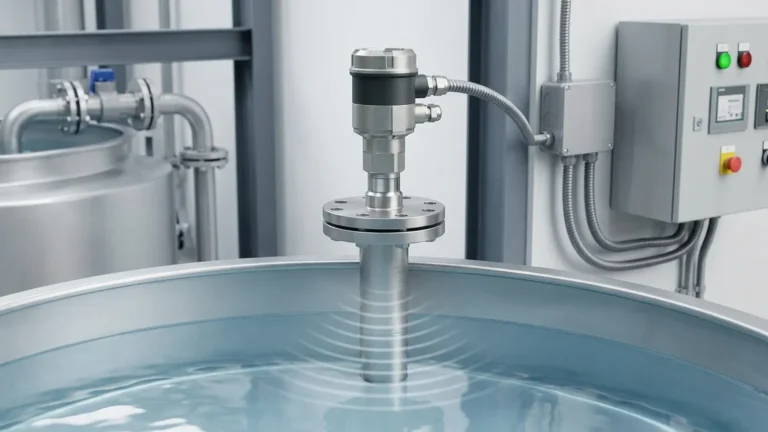
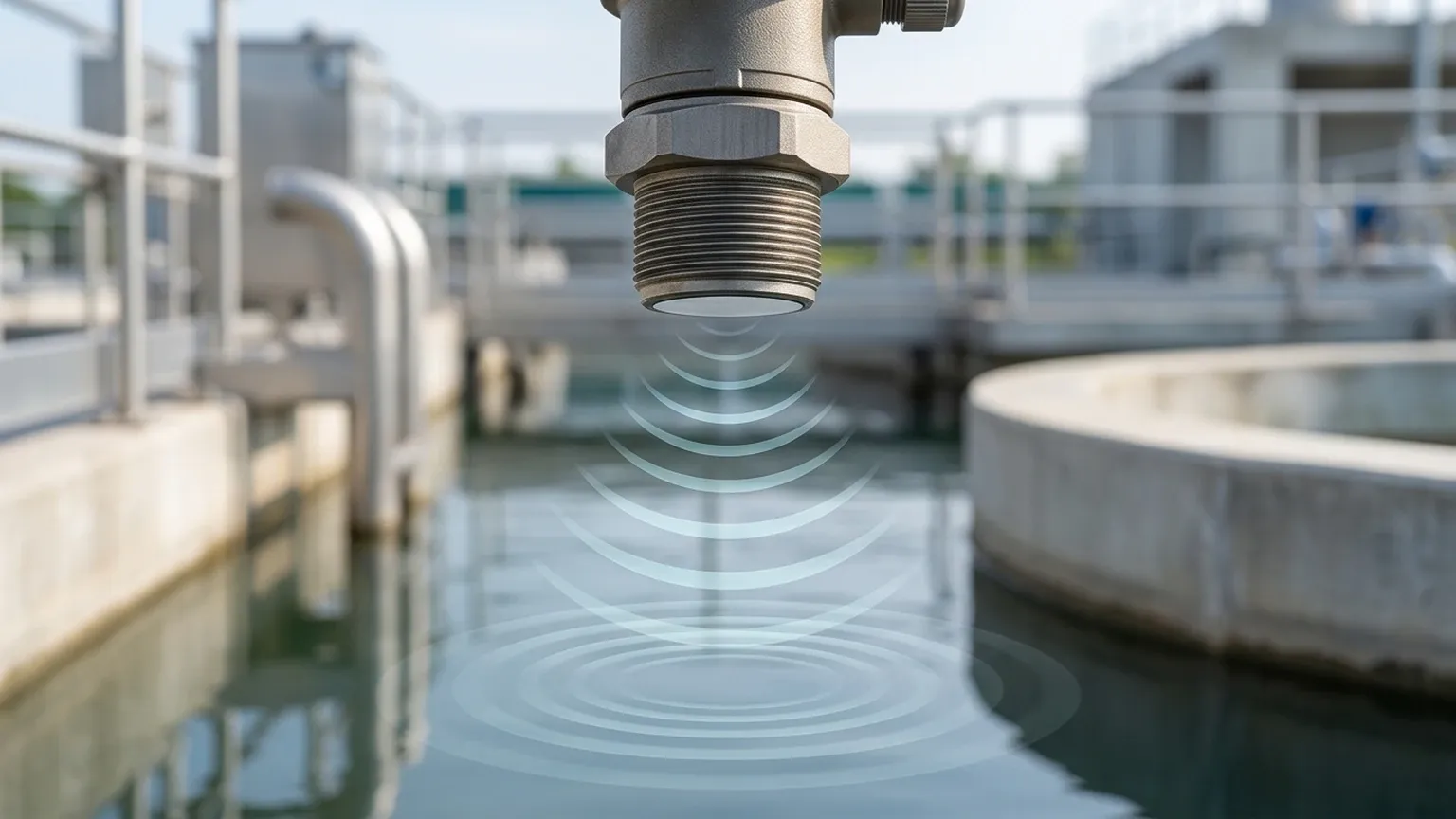
An ultrasonic level sensor definition can be summarized as follows: It is an electronic device that measures the distance to a target (typically a liquid or solid surface) by emitting high-frequency sound waves and timing how long it takes for the echo to return to the sensor.
Unlike contact-based methods, such as floats or displacers, ultrasonic sensors operate without touching the media. This makes them ideal for corrosive, sticky, or high-purity substances where contamination or mechanical wear must be avoided. In a B2B context, these devices are often integrated into larger automation systems via 4-20mA, HART, or Modbus protocols to provide real-time data to PLCs (Programmable Logic Controllers) or SCADA systems.
2. Measurement Principles: The Physics of Sound
To understand how Ultrasonic Level Meters function, one must look at the "Time-of-Flight" (ToF) principle.
2.1 Time-of-Flight (ToF) Calculation
The sensor's transducer contains a piezoelectric crystal that vibrates when an electrical pulse is applied. This vibration creates a burst of sound waves at a frequency above the range of human hearing—typically between 20 kHz and 200 kHz. These waves travel through the air, hit the surface of the material, and reflect back to the transducer.
The distance ($D$) is calculated using the formula:
$$D = \frac{v \times t}{2}$$
Where:
* $v$ is the speed of sound in the medium (usually air).
* $t$ is the total time elapsed from emission to reception.
Since the sound must travel to the surface and back, the result is divided by two to determine the distance from the sensor face to the material level.
2.2 The Role of Temperature
The speed of sound is not constant; it varies with the temperature of the gas medium through which it travels. In air, the speed of sound increases by approximately 0.6 meters per second for every degree Celsius increase. To maintain accuracy, modern industrial ultrasonic level meters include an internal temperature sensor to provide automatic compensation for these fluctuations.
3. Key Components and Design
Industrial-grade ultrasonic sensors are designed to withstand harsh environments. The main components include:
1. The Transducer: The "heart" of the unit, responsible for converting electrical energy into mechanical sound pulses and vice versa. High-quality transducers are often coated with PVDF or ETFE to resist chemical attack.
2. The Electronics Module: This unit processes the returned signal, filters out noise (false echoes), and converts the time measurement into a usable output signal (e.g., 4-20mA).
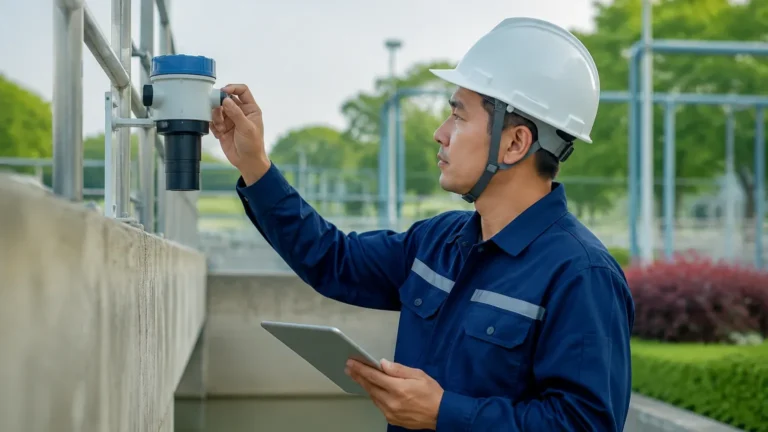
3. The Housing: Typically rated IP66, IP67, or IP68, the housing protects the electronics from moisture, dust, and impact. Materials like reinforced plastic or stainless steel are common.
4. Technical Selection Criteria
When specifying an ultrasonic level sensor for a project, engineers must evaluate several factors to ensure reliable performance. The following table provides a comparison of typical configurations found in B2B applications.
Industrial Selection Table
| Feature | Standard Liquid Sensor | Long-Range Solid/Liquid | Integrated Compact Type |
| :— | :— | :— | :— |
| Measuring Range | 0.3m – 15m (1ft – 49ft) | Up to 30m (98ft) | 0.2m – 8m (0.6ft – 26ft) |
| Accuracy | ±0.25% of Full Scale | ±0.5% of Full Scale | ±0.3% of Full Scale |
| Beam Angle | 8° – 12° | 5° – 10° | 10° – 15° |
| Operating Temp | -40°C to +70°C | -40°C to +80°C | -20°C to +60°C |
| Output Options | 4-20mA, RS485, Relays | 4-20mA, HART, Modbus | 4-20mA, 0-10V |
| Typical Media | Water, Acids, Oils | Silos, Aggregates, Sumps | Small Tanks, IBCs |
5. Installation Considerations and Best Practices
Proper installation is the single most important factor in the success of an ultrasonic measurement system. Incorrect placement can lead to "lost echoes" or erratic readings.
5.1 The Blanking Distance (Dead Zone)
Every ultrasonic sensor has a "blanking distance" or "dead zone" directly beneath the transducer face. This is the time required for the transducer's vibration to stop before it can act as a receiver. If the material level enters this zone, the sensor cannot measure it.
* Guideline: Ensure the maximum high-level of the material remains at least 0.2m to 0.5m (8" to 20") below the sensor face, depending on the model's specifications.
5.2 Beam Angle and Obstructions
The ultrasonic pulse spreads out in a cone shape. Any physical obstruction within this cone—such as ladders, pipes, or internal tank braces—will create a false echo.
* Guideline: Install the sensor away from the tank wall (typically at 1/3 the radius) and ensure the beam path is clear of structural elements.
5.3 Surface Conditions
* Turbulence: Rapidly moving or agitated liquids can scatter the sound waves. In these cases, using a stilling well (a vertical pipe) can provide a calm surface for measurement.
* Angle of Repose: When measuring solids (like grain or sand), the material forms a cone. The sensor should be positioned to account for this angle to ensure the echo returns to the transducer.
6. Limitations and Environmental Factors
While highly effective, Ultrasonic Level Meters have factual boundaries that must be respected to avoid project failure.
1. Vacuum Conditions: Sound requires a medium (gas) to travel. Therefore, ultrasonic sensors cannot function in a vacuum.
2. Heavy Foam: Thick, dense foam on a liquid surface acts as an acoustic insulator, absorbing the sound pulse rather than reflecting it. If foam is present, radar technology may be a better alternative.
3. High Pressure: As pressure increases, the density of the gas changes, which can affect the transducer’s ability to vibrate and the speed of sound. Most ultrasonic sensors are limited to atmospheric or low-pressure applications (typically < 3 bar).
4. Dust and Steam: While moderate dust is manageable, extremely dense dust or heavy steam can attenuate the signal, reducing the effective range of the sensor.
7. Common Applications
Welk’s range of ultrasonic solutions is utilized across various sectors due to their cost-effectiveness and reliability:
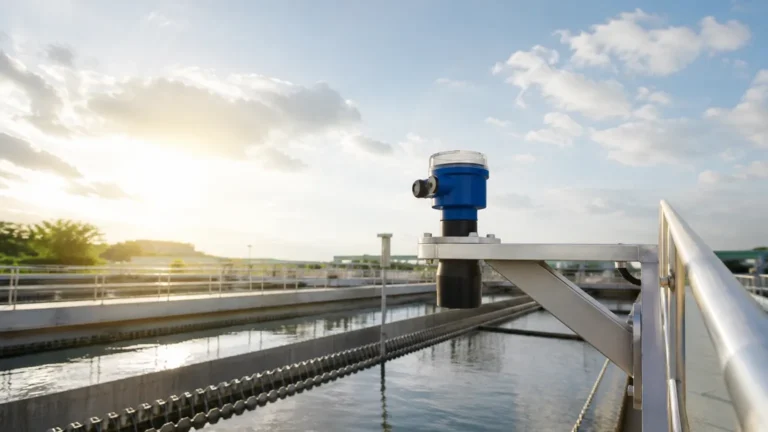
* Water and Wastewater: Monitoring levels in wet wells, pump stations, and open channel flow (using flumes and weirs).
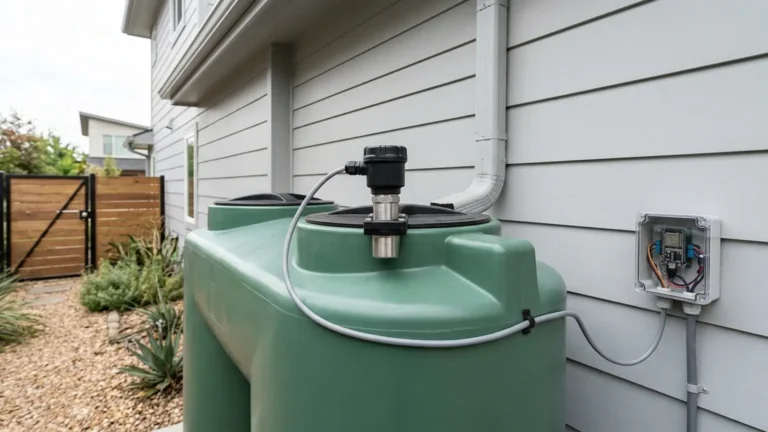
* Chemical Processing: Measuring corrosive acids or bases in plastic storage tanks where contact sensors would fail.
* Food and Beverage: Level control in storage vats where hygiene is paramount and non-contact measurement prevents contamination.
* Industrial Automation: Monitoring lubricant levels or coolant tanks in manufacturing plants.
8. Frequently Asked Questions (FAQ)
Q: Can ultrasonic sensors measure through a closed tank lid?
A: No. The sensor must have a clear "view" of the material. It is typically mounted through a hole in the tank top or via a flange/threaded connection.
Q: How do I handle heavy vapor in the tank?
A: If the vapor is a gas other than air (like heavy CO2), the speed of sound will change significantly. In these cases, you must use a sensor that allows for a custom speed-of-sound constant or switch to radar.
Q: What is the difference between an ultrasonic transmitter and a switch?
A: An ultrasonic level transmitter provides a continuous measurement (e.g., 0-100% full), while a level switch only provides a digital signal when the material reaches a specific point.
9. Conclusion
Defining the ultrasonic level sensor definition is the first step in understanding how to apply this technology to industrial challenges. By leveraging the Time-of-Flight principle, these instruments provide a reliable, low-maintenance solution for a wide range of level monitoring tasks. However, success depends on careful consideration of the environment, including temperature, pressure, and physical obstructions.
For engineers and procurement specialists looking for robust measurement solutions, Welk offers a variety of advanced instruments tailored to specific process needs. To explore technical specifications or request a quote for your next project, Review product options and application support to find the right fit for your facility.