Ethanol Cannabis Extraction Equipment
Ethanol Cannabis Extraction Equipment
In the rapidly evolving botanical processing industry, ethanol cannabis extraction equipment has emerged as the preferred choice for industrial-scale operations. Unlike hydrocarbon or CO2 methods, ethanol extraction offers a unique balance of throughput, safety, and solvent recovery efficiency. However, the engineering of these systems requires precise control over fluid dynamics, temperature, and volume. For engineers and facility managers, understanding the integration of level measurement technologies within these systems is critical for ensuring both process repeatability and site safety.
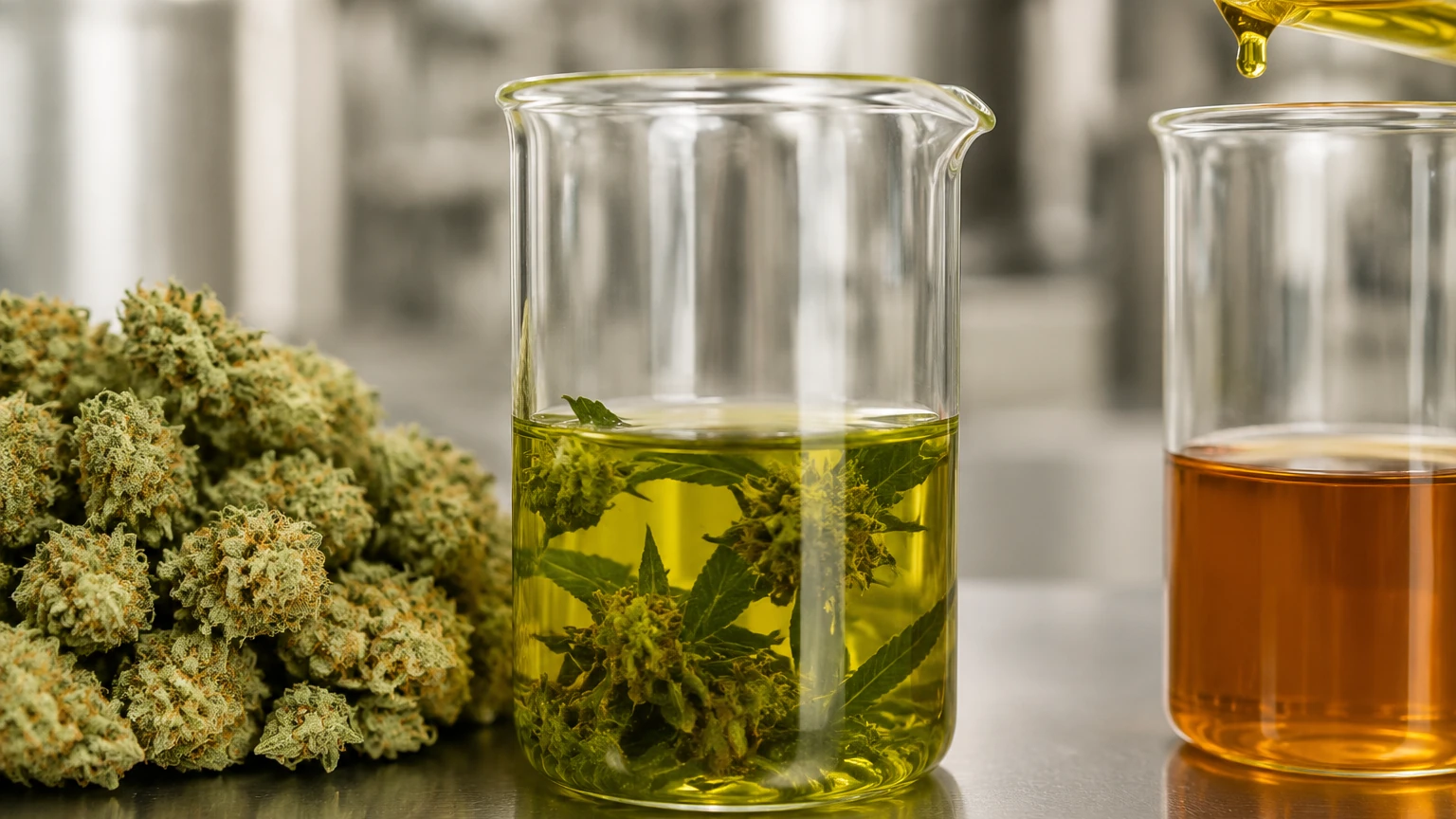
Ethanol extraction typically involves soaking cannabis biomass in chilled ethanol to dissolve cannabinoids and terpenes. The resulting "miscella" (the mixture of solvent and extracted oil) then undergoes several stages of filtration, evaporation, and decarboxylation. Throughout this journey, maintaining accurate fluid levels in storage tanks, centrifuges, and falling film evaporators is essential for automation and hazard prevention.
Core Components of Ethanol Cannabis Extraction Systems
To understand the requirements for level monitoring, one must first identify the primary stages of the extraction equipment stack:
1. Solvent Storage and Chilling: Large volumes of ethanol are stored in jacketed tanks and chilled to temperatures often as low as -40°C to -80°C. This "winterization" prevents the extraction of unwanted waxes and lipids.
2. Extraction Vessels/Centrifuges: The biomass is submerged in the chilled solvent. In centrifugal systems, the solvent is spun through the plant material. Level sensors here prevent overfilling and ensure the correct solvent-to-biomass ratio.
3. Filtration Units: These remove spent plant matter. Monitoring the level in surge tanks between filtration stages ensures a steady flow to the next phase.
4. Evaporation and Solvent Recovery: Falling film evaporators or rotary evaporators separate the ethanol from the crude oil. Precise level control in the evaporation chamber prevents "bumping" (violent boiling) and protects the heating elements.
5. Decarboxylation and Finishing: The final crude oil is heated to activate the cannabinoids. Because the volume of oil is significantly smaller than the solvent, high-precision measurement is required.
Level Measurement Principles in Ethanol Environments
Selecting the right instrumentation for ethanol cannabis extraction equipment depends on the physical properties of the solvent and the specific conditions of the vessel. Below are the primary measurement principles utilized in professional systems.
Radar Level Measurement (Non-Contact)
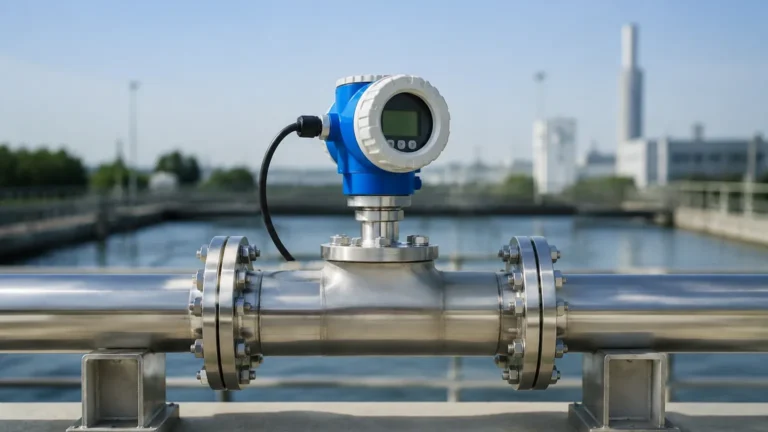
Radar level meters, particularly those operating at high frequencies like 80GHz, are the gold standard for solvent tanks. They utilize the Time of Flight (ToF) principle, where the sensor emits a microwave signal that reflects off the liquid surface and returns to the sensor. The distance is calculated based on the time elapsed.
* Advantages: Since the sensor does not touch the ethanol, there is no risk of contamination. High-frequency radar can penetrate heavy vapors and is unaffected by changes in pressure or temperature.
* Application: Ideal for bulk ethanol storage and solvent recovery tanks where high accuracy (±2mm) is required.
Ultrasonic Level Sensors
Ultrasonic sensors emit sound waves that reflect off the surface of the liquid. While cost-effective, they are generally less reliable in ethanol environments than radar. Ethanol vapors change the density of the air in the tank's headspace, which can alter the speed of sound and lead to measurement errors.
* Application: Best suited for water-based cleaning stages or wastewater tanks within the facility rather than the primary extraction solvent tanks.
Hydrostatic Level Transmitters
These sensors measure the pressure exerted by the liquid column at the bottom of a tank. The pressure is proportional to the height of the liquid and its density. In ethanol cannabis extraction equipment, hydrostatic sensors must be calibrated for the specific gravity of ethanol (approximately 0.789 at room temperature).
* Limitations: If the temperature of the ethanol fluctuates significantly (e.g., during the transition from cryogenic chilling to room temperature), the density changes, which can lead to inaccuracies unless temperature compensation is integrated.
Magnetic Level Gauges
For high-pressure recovery vessels, magnetic level gauges provide both a visual indication and an electronic signal. A float containing a magnet moves with the liquid level, flipping external flags and interacting with a reed-chain transmitter.
* Application: Useful for pressurized recovery tanks where a visual backup is required for safety audits.
Technical Selection Guide for Extraction Equipment
When specifying level sensors for a new or upgraded extraction line, the following table provides a baseline for technology selection based on the specific vessel type.
| Vessel Type | Recommended Technology | Key Requirement |
| :— | :— | :— |
| Cryogenic Solvent Storage | 80GHz Radar | Low-temperature rating (-40°C or lower) |
| Centrifuge/Extraction Tank | Tuning Fork Level Switch | Overfill protection and foam detection |
| Falling Film Evaporator | Guided Wave Radar | Resistance to turbulence and boiling |
| Crude Oil Collection | Hydrostatic (High Accuracy) | Sensitivity to small volume changes |
| Solvent Recovery Tank | Non-contact Radar | Explosion-proof (C1D1/C1D2) certification |
Safety and Regulatory Considerations
Ethanol is a Class IB flammable liquid. Therefore, all electrical components integrated into ethanol cannabis extraction equipment must adhere to strict hazardous location standards. In the United States, this typically means Class I, Division 1 (C1D1) for areas where ignitible concentrations of vapors exist under normal conditions, or Class I, Division 2 (C1D2) for areas where they are handled but contained.
Material Compatibility
Extraction equipment must be constructed from materials that do not leach into the solvent. Grade 304 or 316L stainless steel is the industry standard. Level sensors should feature wetted parts made of 316L SS, PTFE (Teflon), or PEEK to ensure chemical resistance and compliance with food-grade or pharmaceutical-grade standards.
Overfill Prevention
One of the highest risks in an extraction facility is the overfilling of a solvent tank. Redundancy is mandatory. A primary continuous level sensor (like radar) should be paired with a secondary high-level alarm, such as a vibrating tuning fork switch. These switches are designed to trigger an emergency shut-off valve if the liquid reaches a critical height, independent of the primary control system.
Installation and Engineering Best Practices
Proper installation is as important as the choice of technology. For engineers setting up Main Page solutions, consider the following:
* Nozzle Geometry: For radar sensors, ensure the mounting nozzle is not so long that it creates internal reflections (ringing) that obscure the signal near the top of the tank.
* Dead Zones: Every sensor has a "dead zone" or "blocking distance" near the face of the transducer where measurement is impossible. Ensure the tank design accounts for this to prevent overflow before the sensor can react.
* Agitation: Many extraction tanks use internal agitators. Level sensors must be positioned to avoid the path of the blades and should utilize software filtering to ignore the turbulence caused by the mixing process.
* Vapor Management: In evaporation stages, ethanol vapors can be extremely dense. Non-contact radar is preferred here because it is less sensitive to the dielectric changes in the vapor space compared to other technologies.
Maintenance of Level Instrumentation
In a B2B production environment, downtime is costly. Ethanol extraction systems often run 24/7. Maintenance protocols should include:
1. Calibration Verification: Annual checks against a manual dip-tape or sight glass to ensure the electronic sensors haven't drifted.
2. Cleaning of Wetted Parts: In crude oil tanks, the resin can be extremely sticky. Periodic cleaning of hydrostatic diaphragms or radar lenses with isopropyl alcohol may be necessary to prevent buildup that could dampen the signal.
3. Seal Inspection: Check the integrity of NPT or flanged connections to ensure no ethanol vapors are escaping into the electronics housing.
Frequently Asked Questions (FAQ)
Q: Can I use a standard water level sensor for ethanol extraction?
A: Generally, no. Ethanol has a lower dielectric constant than water, which affects how radar and capacitive sensors perceive the signal. Furthermore, ethanol is flammable, requiring explosion-proof ratings that standard water sensors lack.
Q: How does temperature affect level measurement in winterization tanks?
A: Temperature affects liquid density. If using hydrostatic pressure sensors, the reading will change as the ethanol cools, even if the volume remains the same. Radar is unaffected by these temperature-induced density shifts.
Q: Why is 80GHz radar preferred over 26GHz for extraction vessels?
A: 80GHz radar has a much narrower beam angle. Extraction vessels often have internal heating coils, agitators, or narrow diameters. A narrow beam can "see" past these obstructions to the liquid surface without interference.
Q: Are level sensors for cannabis extraction food-grade?
A: Most professional manufacturers, such as Welk, provide sensors with sanitary Tri-Clamp fittings and polished stainless steel surfaces that meet the requirements for food and pharmaceutical processing.
Conclusion
Optimizing ethanol cannabis extraction equipment requires a holistic approach to fluid management. By selecting level measurement technologies that account for the low temperatures, volatile vapors, and sanitary requirements of the process, operators can achieve higher yields and safer working environments. Whether managing bulk solvent storage or the delicate evaporation of crude oil, the precision of the level sensor is the heartbeat of the automated extraction line. For those looking to integrate these technologies into their process flow, consulting with a specialized manufacturer ensures that the instrumentation meets the rigorous demands of modern botanical extraction.