Ph Meter and Probe
Ph Meter and Probe
In industrial liquid management, measuring the acidity or alkalinity of a solution is as critical as monitoring its volume or level. A pH meter and probe system serves as the primary tool for this electrochemical analysis. While level sensors ensure the physical quantity of a liquid is known, pH instrumentation ensures the chemical quality of that liquid meets process specifications. This guide explores the technical principles, selection criteria, and installation best practices for pH measurement systems in B2B environments such as water treatment, chemical processing, and industrial automation.
Understanding the Measurement Principle
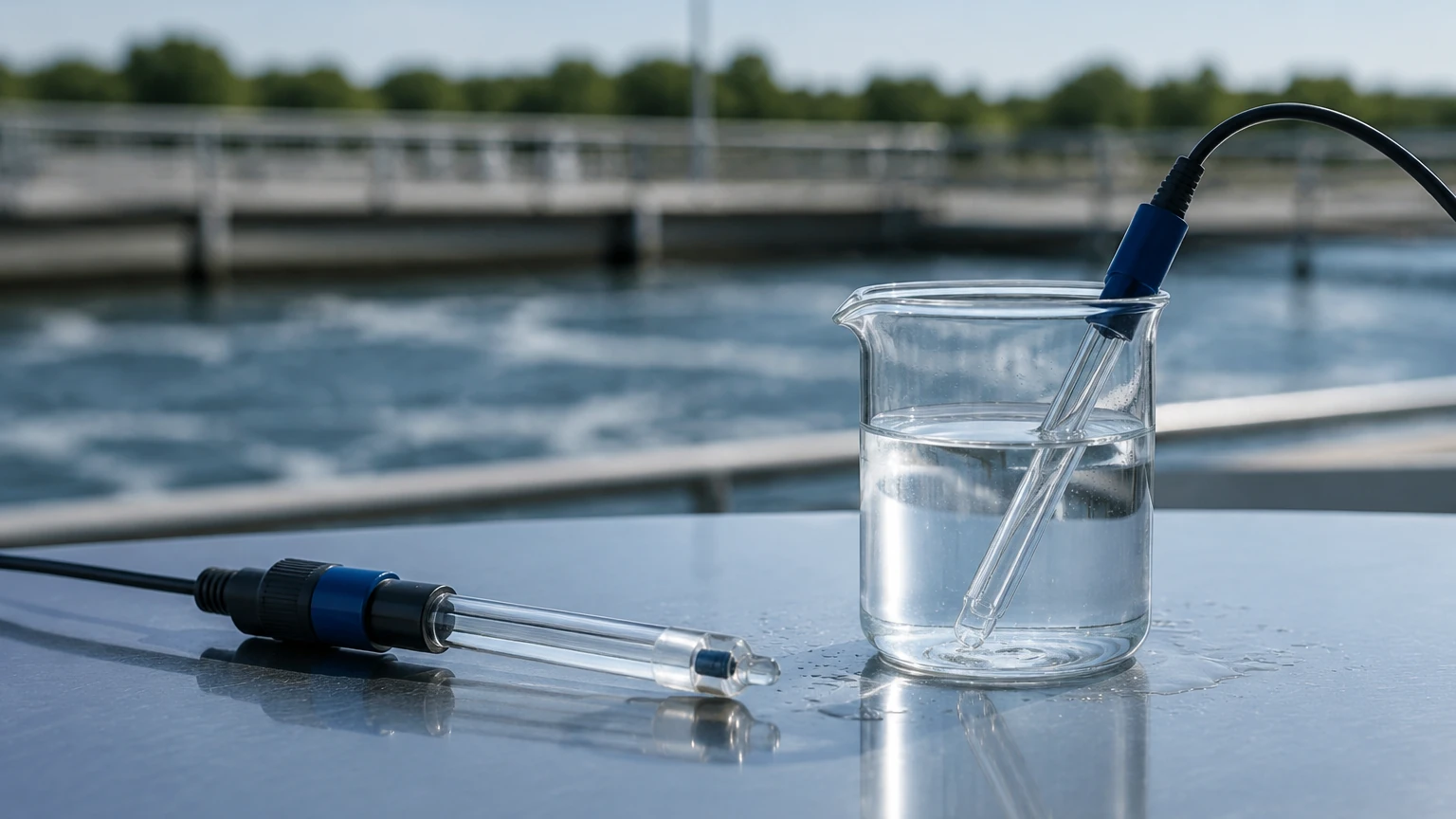
The operation of a pH meter and probe is based on potentiometry. The system measures the potential difference (voltage) between two electrodes immersed in a solution. In modern industrial applications, these two electrodes are often combined into a single "combination probe."
The Glass Electrode
The sensing part of the probe is a thin, hydrogen-ion-sensitive glass membrane. When this membrane comes into contact with an aqueous solution, a hydrated gel layer forms on the outside and inside of the glass. The hydrogen ion concentration (pH) of the process liquid creates a relative charge against the stable internal buffer solution. This creates a millivolt (mV) signal that varies linearly with the pH of the liquid.
The Reference Electrode
To measure the potential of the sensing electrode, a stable reference point is required. The reference electrode provides a constant electrochemical potential, regardless of the pH of the liquid. This is achieved through a reference junction (typically made of porous ceramic or Teflon) that allows a slow, controlled leakage of an internal electrolyte (usually Potassium Chloride, KCl) into the process liquid.
The Nernst Equation
The relationship between the measured voltage and the pH value is governed by the Nernst Equation. At 25°C (77°F), a change of one pH unit corresponds to a change of 59.16 mV. Because this relationship is temperature-dependent, industrial pH meters usually incorporate an Automatic Temperature Compensation (ATC) element within the probe to adjust the reading based on the process temperature.
Key Components of a pH Measurement System
An industrial pH setup consists of more than just a handheld device. For continuous monitoring, the system includes:
1. The pH Probe (Sensor): The electrochemical component that contacts the fluid. It is the most sensitive part of the system and is considered a consumable item due to its finite lifespan.
2. The Transmitter/Meter: The electronic unit that receives the high-impedance mV signal from the probe, converts it into a pH value, and provides an output (such as 4-20mA, Modbus, or HART) for integration into a PLC or SCADA system.
3. The Cable: High-quality, shielded low-noise cables are essential. Because the signal from the probe is very weak (high impedance), it is susceptible to electromagnetic interference (EMI).
4. The Mounting Hardware: Submersion assemblies, flow-through cells, or retractable housings that protect the probe and position it correctly within the tank or pipe.
For engineers seeking a comprehensive suite of liquid management tools, including level and quality sensors, reviewing the Main Page of specialized manufacturers can provide insights into integrated automation solutions.
Selection Criteria for Industrial pH Probes
Selecting the correct ph meter and probe requires a detailed understanding of the process environment. A standard laboratory probe will likely fail within hours in an industrial chemical reactor.
1. Temperature and Pressure
Standard glass electrodes are typically rated for 0°C to 80°C. For high-temperature processes (up to 130°C) or sterilization cycles (SIP), specialized high-temperature glass formulations are required. Similarly, if the probe is installed in a pressurized pipe, it must be rated for the process pressure (often up to 6 bar or 10 bar) to prevent the reference electrolyte from being forced back into the electrode.
2. Reference Junction Type
The junction is the most common point of failure.
* Ceramic Junctions: Standard for clean water applications.
* Teflon (PTFE) Junctions: Resistant to fouling and chemical attack.
* Open Junctions (Solid Polymer): Ideal for slurries, wastewater, and liquids with high solid content, as they are virtually impossible to clog.
3. Chemical Compatibility
The body material of the probe (often Glass, PVDF, or Stainless Steel) must be compatible with the process media. For example, in hydrofluoric acid (HF) applications, standard glass bulbs will dissolve; specialized HF-resistant glass is mandatory.
Selection Table: Probe Types by Application
| Application Type | Recommended Probe Feature | Junction Material | Body Material |
| :— | :— | :— | :— |
| Potable Water | General Purpose Glass | Ceramic | Glass/Plastic |
| Wastewater/Slurries | Flat Surface (Self-cleaning) | Porous PTFE | PVDF |
| Chemical Processing | High-Temp/High-Pressure Glass | Double Junction | Stainless Steel/PVDF |
| Food & Beverage | Hygienic Design (EHEDG) | Ceramic/Polymer | Stainless Steel |
| Low Conductivity | Refillable Electrolyte | High-Flow Ceramic | Glass |
Installation Considerations and Best Practices
Proper installation is vital for the longevity and accuracy of a ph meter and probe. Unlike level transmitters that might be mounted at the top of a tank, pH probes require direct contact with the liquid and specific orientations.
* Mounting Angle: Probes should never be installed horizontally or upside down. A minimum angle of 15° above the horizontal is required to ensure that the internal electrolyte stays in contact with the glass bulb and that no air bubbles are trapped inside the electrode.
* Submersion Depth: Ensure the probe is always submerged. If a pH probe dries out, the hydrated gel layer on the glass membrane will dehydrate, leading to sluggish response or permanent damage.
* Flow Velocity: In pipe installations, the flow velocity should be controlled. Excessive velocity can cause "streaming potentials" (static noise) or physical erosion of the glass bulb. Conversely, too little flow can lead to the buildup of deposits on the sensor.
* Proximity to Level Sensors: When installing pH probes in tanks alongside radar or ultrasonic level meters, ensure that the pH probe is positioned away from agitators or inlet pipes that could cause physical damage. For more information on coordinating level and quality sensors, visit the Main Page of industrial instrumentation providers.
Maintenance, Calibration, and Troubleshooting
Because pH probes rely on a chemical reaction, they drift over time and require regular calibration.
Calibration Procedure
Calibration should be performed using at least two buffer solutions (usually pH 4.0, 7.0, or 10.0). This process accounts for two variables:
1. Zero Point (Offset): The mV reading at pH 7.0. Ideally, this is 0 mV, but it shifts as the reference electrode ages.
2. Slope (Efficiency): The mV change per pH unit. A new probe has a slope of approximately 95-100% of the theoretical Nernst value. When the slope drops below 85%, the probe should be replaced.
Cleaning Protocols
If the probe response becomes slow, it is often due to coating.
* Grease/Oils: Clean with a mild detergent or isopropyl alcohol.
* Scale/Mineral Buildup: Soak in a 5% Hydrochloric Acid (HCl) solution for a few minutes.
* Proteins: Use a mixture of HCl and Pepsin.
Common Risks and Limitations
* Ground Loops: In industrial tanks, stray electrical currents can interfere with the pH signal. Using a transmitter with a solution ground (differential input) can mitigate this.
* Dehydration: If a process is batch-based and the tank is emptied, the probe must be kept wet using a storage boot or a wet-well assembly.
* Lifespan: In harsh industrial environments, a pH probe typically lasts between 6 to 18 months. Budgeting for regular replacement is a necessary part of operational planning.
Frequently Asked Questions (FAQ)
Q: Can I use a standard pH probe for ultrapure water?
A: No. Ultrapure water has very low conductivity, which leads to unstable readings and reference junction potential errors. You need a specialized probe with a high-flow reference junction and a low-resistance glass membrane.
Q: How far can the pH probe be from the transmitter?
A: Without a pre-amplifier, the distance is typically limited to 10–15 meters due to signal degradation. With a pre-amplifier or a digital sensor (like Memosens), the distance can be extended to 100 meters or more.
Q: Why does my pH reading drift after calibration?
A: This is often caused by temperature fluctuations if ATC is not used, or by a clogged reference junction. It can also occur if the probe was not allowed to stabilize sufficiently in the buffer solution during calibration.
Q: Is it possible to measure pH in non-aqueous solutions?
A: It is possible, but standard probes are designed for aqueous (water-based) solutions. Non-aqueous pH measurement requires specialized electrodes and different calibration standards, as the pH scale itself is defined based on water.
Summary for Project Procurement
When specifying a ph meter and probe for an industrial project, engineers must confirm the following before purchase:
* Process Temperature and Pressure: Ensure the sensor housing and glass can withstand the maximum operating conditions.
* Chemical Profile: Identify any solvents or acids that may attack the probe materials.
* Integration Requirements: Determine if the transmitter needs to output a simple analog signal or a digital protocol for the plant's control system.
* Maintenance Access: Ensure the probe is installed in a location where it can be easily removed for cleaning and calibration.
By selecting the appropriate instrumentation and following rigorous installation standards, facilities can ensure accurate liquid quality monitoring that complements their level measurement and automation strategies. For a broader range of industrial measurement tools, including level switches and transmitters, professionals can refer to the Main Page for technical specifications and support.