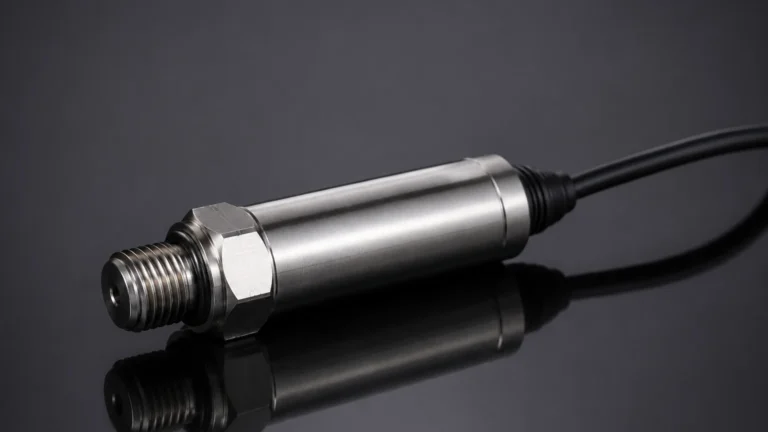
Sil Requirement for Combustion Pressure Sensor
Sil Requirement for Combustion Pressure Sensor
In industrial combustion processes, safety is the primary concern for engineers and plant operators. Whether managing a large-scale utility boiler, a chemical kiln, or a waste incinerator, the control of fuel and air pressures is critical to preventing catastrophic failures. The Safety Integrity Level (SIL) framework, defined by international standards such as IEC 61508 and IEC 61511, provides a structured approach to quantifying the reliability of safety functions. Understanding the specific sil requirement for combustion pressure sensor applications is essential for designing a robust Burner Management System (BMS) that protects both personnel and assets.
Pressure sensors in these environments do not operate in isolation; they are part of a Safety Instrumented Function (SIF). This function typically involves a sensor, a logic solver (such as a safety PLC), and a final control element (such as a fuel shut-off valve). This article explores the technical principles, selection criteria, and regulatory requirements for implementing SIL-rated pressure sensing in combustion systems.
Measurement Principles for Combustion Pressure Sensors
Before determining the necessary SIL rating, it is important to understand how pressure is measured in a combustion environment. Combustion processes often involve high temperatures, turbulent flows, and potentially corrosive byproducts. The choice of sensing technology impacts the long-term stability and safety of the system.
Piezoresistive Sensing
Piezoresistive pressure sensors utilize a diaphragm with integrated strain gauges. When pressure is applied, the diaphragm deforms, changing the electrical resistance of the gauges. This change is converted into a proportional electrical signal (typically 4-20 mA with HART). These sensors are valued for their high sensitivity and fast response times, which are critical for detecting sudden pressure spikes in a combustion chamber.
Capacitive Sensing
Capacitive sensors measure the change in electrical capacitance between a flexible sensing diaphragm and a fixed reference plate. As pressure moves the diaphragm, the capacitance changes. These sensors are known for their robustness and resistance to overpressure conditions. In many SIL-rated applications, capacitive technology is preferred due to its inherent stability and lower drift over time compared to other methods.
Differential Pressure for Airflow
In combustion control, pressure sensors are often used to measure the differential pressure across an orifice plate or Venturi tube to calculate the flow of combustion air. Maintaining the correct air-to-fuel ratio is a critical safety function; a loss of air pressure can lead to a fuel-rich environment and a subsequent explosion risk. These sensors must be highly accurate at low pressure ranges.
Determining the SIL Requirement for Combustion Pressure Sensor
The SIL requirement for a specific pressure sensor is not a fixed value inherent to the device itself, but rather a result of a comprehensive risk assessment of the entire process. This process usually involves a Hazard and Operability (HAZOP) study or a Layer of Protection Analysis (LOPA).
Risk Assessment and Target SIL
To determine the sil requirement for combustion pressure sensor loops, engineers evaluate the frequency and severity of potential hazardous events. For example, if the failure of a pressure sensor to detect a loss of flame-sustaining air pressure could lead to a major explosion with multiple fatalities, the required Safety Integrity Level for that loop will likely be SIL 2 or SIL 3.
* SIL 1: Typically applied to processes where the risk is relatively low, and a failure results in minor equipment damage or minor injuries.
* SIL 2: The most common requirement for industrial burner management systems. It signifies a high level of reliability, requiring the safety function to be available 99% to 99.9% of the time.
* SIL 3: Reserved for high-risk processes where a failure could have catastrophic environmental or human consequences. This level often necessitates redundancy (e.g., 1oo2 or 2oo3 voting architectures).
The Role of the Burner Management System (BMS)
In a combustion environment, the pressure sensor provides the input that allows the BMS to decide whether to continue firing or to initiate an emergency shutdown. If the sensor is part of a SIL 2 loop, every component in that loop—including the sensor—must meet the probabilistic and architectural requirements of SIL 2.
Evaluation Criteria and Selection Table
When selecting a pressure sensor for a SIL-rated combustion application, engineers must look beyond standard performance specifications. The following criteria are essential for compliance with IEC 61508.
Key Safety Parameters
1. PFDavg (Average Probability of Failure on Demand): This value represents the likelihood that the sensor will fail to perform its safety function when required. For SIL 2, the PFDavg must fall between 10⁻³ and 10⁻².
2. SFF (Safe Failure Fraction): This is the percentage of total failures that are either "safe" or "dangerous but detected" by internal diagnostics. A higher SFF allows for higher SIL ratings with less redundancy.
3. HFT (Hardware Fault Tolerance): This indicates how many faults the system can handle while still performing its safety function. An HFT of 0 means a single failure will cause a loss of the safety function.
Selection Table for SIL-Rated Pressure Sensors
| Feature | SIL 1 Requirement | SIL 2 Requirement | SIL 3 Requirement |
| :— | :— | :— | :— |
| SFF (Safe Failure Fraction) | > 60% | > 90% | > 99% |
| Redundancy (Typical) | 1oo1 (Single) | 1oo1 or 1oo2 | 1oo2 or 2oo3 |
| Proof Test Interval | 2-5 Years | 1-2 Years | < 1 Year |
| Diagnostics | Basic | Advanced (HART/Digital) | Continuous Self-Test |
| Documentation | Standard Manual | Safety Manual Required | Full Certification Data |
For engineers looking to integrate these sensors into a broader process control strategy, reviewing the Main Page of a professional manufacturer like Welk can provide insights into available instrument options and their respective safety certifications.
Installation and Maintenance Best Practices
Even the highest-rated SIL sensor will fail to provide safety if it is installed incorrectly. Combustion environments present unique challenges that must be addressed during the design phase.
Impulse Line Design
Pressure sensors in combustion systems are often connected via impulse lines to isolate the electronics from extreme heat. These lines should be as short as possible to minimize lag time but long enough to allow for adequate cooling. For steam or high-temperature gas, a siphon (pigtail or U-type) should be used to create a liquid seal, protecting the sensor diaphragm from direct contact with hot media.
Environmental Protection
Sensors located near burners are subject to high ambient temperatures and vibration. Heat shields and vibration-dampening mounts may be necessary to ensure the sensor operates within its certified temperature range. Exceeding the rated temperature of a SIL-certified sensor can invalidate its safety rating, as the failure rates (FIT) are calculated based on specific environmental limits.
Proof Testing
To maintain a SIL rating, the pressure sensor must undergo periodic proof testing. This involves manually simulating a high or low-pressure condition to ensure the sensor and the logic solver respond correctly. The frequency of these tests is determined during the initial SIL calculation. If a sensor is not tested according to the prescribed schedule, the safety integrity of the entire system is compromised.
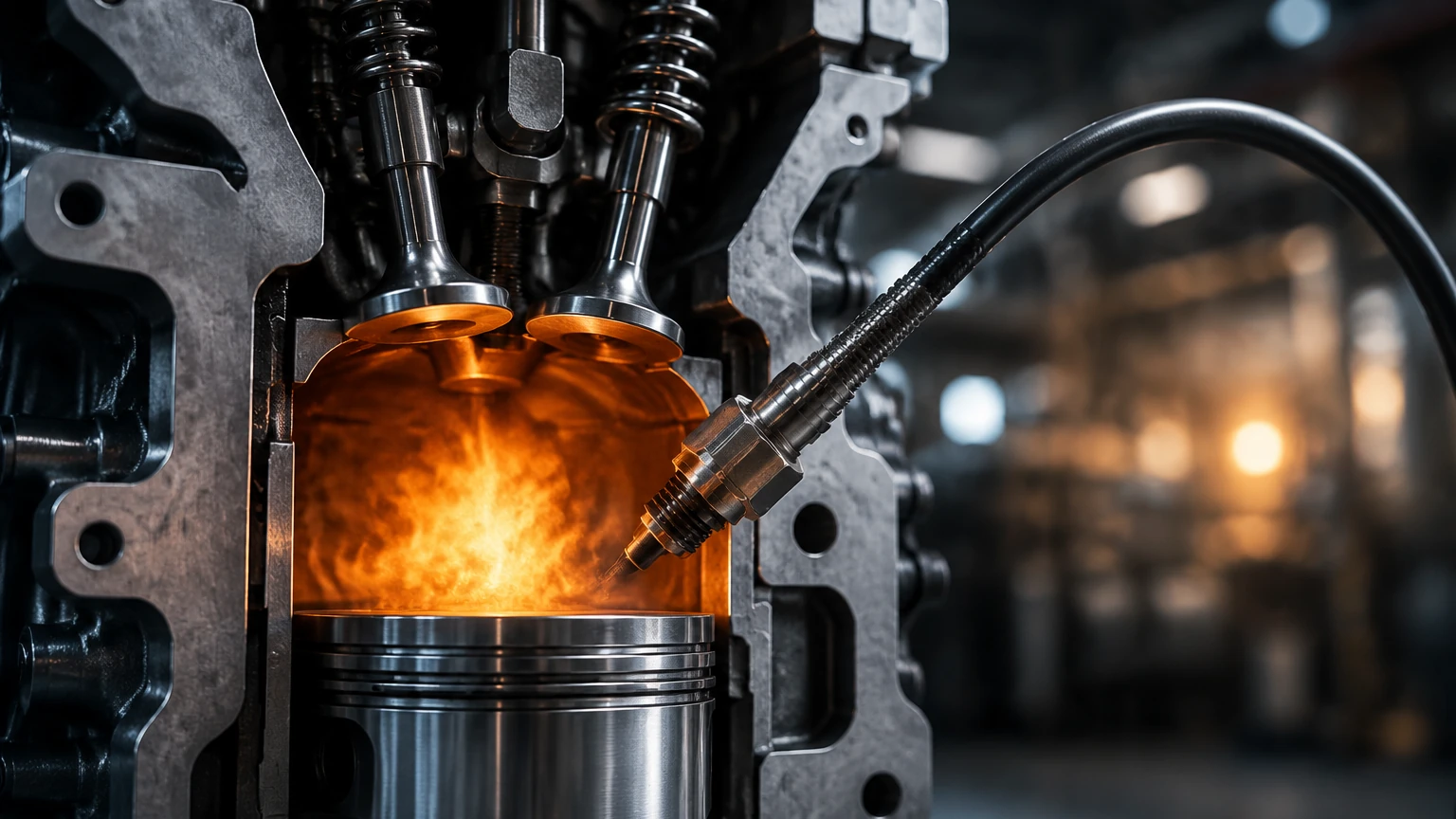
Common Risks and Limitations
While SIL-rated sensors significantly improve safety, they are not infallible. Understanding their limitations is key to effective risk management.
Clogging and Fouling
In coal-fired or heavy oil combustion, fly ash and soot can accumulate in the pressure ports or impulse lines. This can lead to a "frozen" signal where the sensor continues to report a normal pressure even when a dangerous condition exists. This is a "dangerous undetected" failure. Using diaphragm seals with flushing ports can mitigate this risk.
Thermal Drift
Extreme temperature fluctuations can cause the zero point of the sensor to drift. In a safety application, this drift might prevent the sensor from reaching the trip point during an actual overpressure event. Regular calibration and the use of sensors with active temperature compensation are required for combustion safety loops.
Systematic Failures
SIL ratings primarily address random hardware failures. However, systematic failures—such as software bugs in the sensor's firmware or incorrect configuration by a technician—can also occur. Using "proven-in-use" devices and following strict change-management protocols are the best defenses against systematic issues.
Frequently Asked Questions (FAQs)
Can I use a standard industrial pressure sensor in a SIL 2 loop?
A standard sensor can only be used if it has been "prior-use" justified or if it carries a formal SIL certification from a body like exida or TÜV. Without the detailed failure rate data (FMEDA) provided by a SIL certification, it is impossible to complete the required safety calculations for the loop.
What is the difference between "SIL-capable" and "SIL-certified"?
"SIL-capable" generally means the hardware and development processes meet the requirements of IEC 61508, allowing the device to be used in a SIL loop up to a certain level. "SIL-certified" means an independent third party has audited the device and confirmed its performance and failure data. For high-stakes combustion applications, certified devices are preferred for their verified reliability.
How does redundancy affect the SIL rating?
Adding redundancy (e.g., using two sensors instead of one) increases the Hardware Fault Tolerance. In a 1oo2 (one out of two) configuration, only one sensor needs to detect the danger to trigger a shutdown. This significantly lowers the PFDavg, often allowing a system to achieve SIL 3 even if the individual sensors are only SIL 2 capable.
Does a SIL rating guarantee safety?
No. A SIL rating is a statistical measure of the probability of failure. It ensures that the risk is reduced to an acceptable level, but it does not eliminate the possibility of an accident. Proper installation, rigorous maintenance, and comprehensive operator training are equally vital components of industrial safety.
Conclusion
Determining and meeting the sil requirement for combustion pressure sensor applications is a multi-faceted process that demands a balance of engineering precision and regulatory compliance. By understanding the measurement principles, adhering to strict selection criteria, and following best practices for installation and maintenance, industrial facilities can ensure their combustion processes remain both productive and safe. Manufacturers like Welk offer a range of industrial instruments designed to meet the rigorous demands of modern automation and safety standards, providing the reliable data needed to protect critical infrastructure.
Download Sil Requirement for Combustion Pressure Sensor as a PDF