Chlorine Probe
Chlorine Probe
In industrial water treatment and process automation, the chlorine probe serves as a critical component for ensuring disinfection efficacy and regulatory compliance. Whether managing municipal drinking water, cooling tower chemistry, or wastewater effluent, the accurate measurement of residual chlorine is essential to prevent biological growth while avoiding the corrosive and toxic effects of over-chlorination. This guide examines the technical principles, selection criteria, and installation requirements for chlorine probes, providing an engineering reference for process professionals.
Measurement Principles of Chlorine Probes
Chlorine measurement in aqueous solutions primarily relies on electrochemical methods. Understanding these principles is the first step in selecting the correct instrument for a specific application. The two most common technologies are amperometric and potentiometric (ORP) measurement.
Amperometric Measurement
Amperometric chlorine probes are the industry standard for direct concentration measurement. They operate by measuring the electric current produced during the chemical reduction of chlorine at a sensing electrode (the cathode).
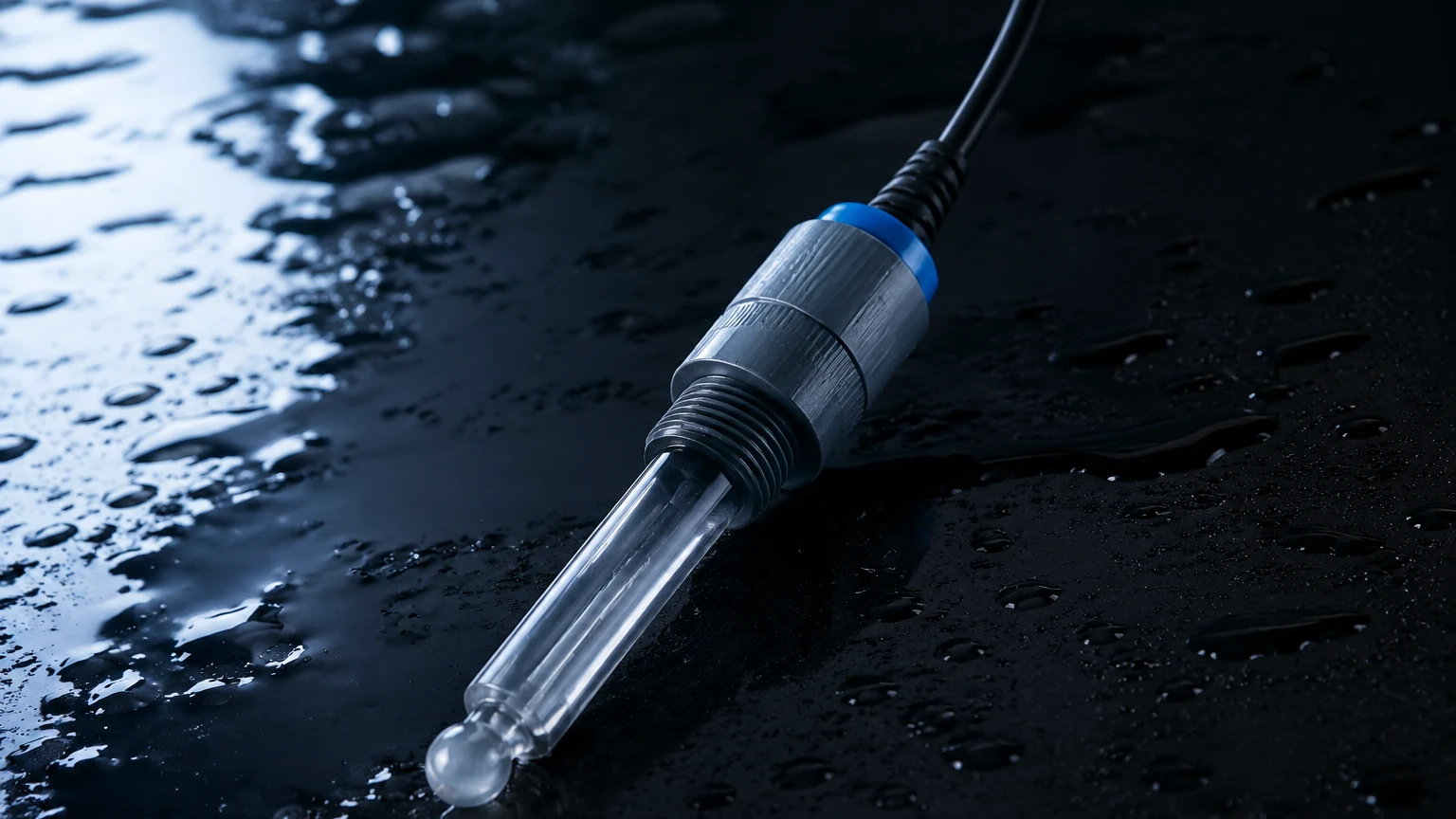
1. Membrane-Covered Sensors: These probes feature a gas-permeable membrane that separates the electrodes and electrolyte from the process water. Only specific chlorine species, such as hypochlorous acid (HOCl), pass through the membrane. This design reduces interference from other ions and minimizes electrode fouling.
2. Bare Electrode Sensors: These sensors lack a membrane and are in direct contact with the fluid. While they respond faster to changes, they are more susceptible to electrode coating and require constant flow and frequent cleaning.
In both types, the current generated is directly proportional to the concentration of chlorine in the water, typically measured in milligrams per liter (mg/L) or parts per million (ppm).
Potentiometric (ORP) Measurement
Oxidation-Reduction Potential (ORP) probes measure the overall oxidative capacity of the water rather than the specific concentration of chlorine. While ORP is a useful indicator of disinfection power, it is not a direct measurement of chlorine concentration. Factors such as pH, temperature, and the presence of other oxidants can significantly alter ORP readings even if the chlorine level remains constant. Consequently, ORP is often used for simple control loops, whereas amperometric probes are preferred for precise dosing and reporting.
Types of Chlorine Measured
When selecting a chlorine probe, it is vital to distinguish between the different forms of chlorine present in a system:
* Free Chlorine: The sum of dissolved chlorine gas (Cl2), hypochlorous acid (HOCl), and hypochlorite ion (OCl-). This is the most reactive and effective form for disinfection.
* Combined Chlorine: Chlorine that has reacted with ammonia or organic nitrogen compounds (chloramines). It is a weaker disinfectant than free chlorine.
* Total Chlorine: The sum of free chlorine and combined chlorine.
Most industrial applications focus on free chlorine probes, although total chlorine probes are necessary in wastewater treatment where chloramines are prevalent.
Technical Selection Criteria
Selecting the right chlorine probe requires an evaluation of the process environment. The following table summarizes the key factors to consider when comparing sensor technologies.
Comparison Table: Chlorine Sensor Selection
| Feature | Amperometric (Membrane) | Amperometric (Bare) | ORP Probe |
| :— | :— | :— | :— |
| Primary Application | Drinking water, Cooling towers | Wastewater, High-fouling | Pools, Basic monitoring |
| Accuracy | High (±1-5%) | Moderate | Low (Relative) |
| pH Sensitivity | High (Requires compensation) | High | Very High |
| Maintenance | Electrolyte/Membrane change | Mechanical cleaning | Simple cleaning |
| Response Time | 30–90 seconds | 10–30 seconds | <10 seconds |
| Interference | Low (Selective) | High | Very High |
The Impact of pH and Temperature
The equilibrium between HOCl and OCl- is highly dependent on pH. HOCl is a much stronger disinfectant and is the species typically measured by amperometric probes. As pH rises above 7.5, the concentration of HOCl decreases while OCl- increases. Without pH compensation—either through chemical buffering or electronic calculation—the chlorine probe will report lower-than-actual concentrations. Most modern systems include an integrated pH sensor and temperature element to provide a compensated "Total Free Chlorine" reading.
Integration with Level Measurement Systems
In a complete chemical dosing skid, the chlorine probe does not work in isolation. It is part of a feedback loop that includes dosing pumps and chemical storage tanks. To ensure continuous operation, engineers must monitor the inventory of the chlorine source (typically sodium hypochlorite or calcium hypochlorite).
This is where advanced level measurement instruments, such as those found on the Main Page of industrial instrumentation providers, become essential. For example, a Welk radar level meter or ultrasonic sensor can monitor the liquid level in the hypochlorite storage tank. If the level drops below a critical threshold, the system can trigger an alarm before the dosing pump runs dry. This prevents the chlorine probe from detecting a "zero" condition that would otherwise trigger an unnecessary increase in pump speed, potentially leading to a chemical surge once the tank is refilled.
Installation Considerations
Proper installation is paramount for the longevity and accuracy of a chlorine probe. Unlike level sensors that can often be mounted at the top of a tank, chlorine probes require specific hydraulic conditions.
1. Flow Cells: Amperometric probes are flow-dependent. They should be installed in a specialized flow cell (bypass assembly) that maintains a constant flow rate, typically between 30 and 60 liters per hour (L/h).
2. Positioning: The probe must remain submerged at all times. Air bubbles trapped against the membrane will cause erratic readings and may damage the sensor. The flow cell should be designed to vent air automatically.
3. Pressure Limits: Most membrane-covered probes are designed for atmospheric pressure or low-pressure bypass lines (typically < 1 bar or 14.5 psi). High-pressure applications require specialized housings.
4. Piping Materials: Use corrosion-resistant materials such as PVC, PVDF, or PTFE for the sample lines. Avoid copper or carbon steel, which can react with the chlorine and alter the sample concentration before it reaches the probe.
Limitations and Common Risks
While chlorine probes are highly effective, they are subject to several operational limitations:
* Fouling and Scaling: In hard water or wastewater applications, calcium carbonate scale or biological film can build up on the membrane or electrodes. This slows the response time and reduces sensitivity.
* Zero-Flow Conditions: If the sample flow stops, chlorine near the electrode is consumed, and the reading will drop to zero even if the process concentration is high. Flow switches are often interlocked with the analyzer to prevent false alarms.
* Chemical Interference: Strong oxidants like ozone, bromine, or chlorine dioxide can interfere with the readings of a standard chlorine probe. If these chemicals are present, specialized sensors must be used.
* Membrane Fragility: The thin membranes in amperometric sensors are susceptible to mechanical damage from large particulates. Pre-filtration (typically 50–100 microns) is recommended for raw water or wastewater samples.
Maintenance and Calibration
To maintain accuracy, a chlorine probe requires a regular maintenance schedule.
* Calibration: Probes should be calibrated against a laboratory reference method, such as the DPD (N,N-diethyl-p-phenylenediamine) colorimetric test. Calibration should be performed weekly or bi-weekly, depending on the stability of the process.
* Electrolyte Replacement: For membrane-covered sensors, the internal electrolyte solution is depleted over time. Typically, the electrolyte and membrane cap should be replaced every 3 to 6 months.
* Zero-Point Check: Periodically, the sensor should be checked in chlorine-free water to ensure there is no electronic offset or residual contamination.
Frequently Asked Questions (FAQs)
Q: Can I use a chlorine probe in saltwater?
A: Yes, but you must use a probe specifically designed for seawater. Standard probes may suffer from interference due to the high bromide content in seawater, which the probe may detect as chlorine.
Q: How long do chlorine probes last?
A: The sensor body can last several years, but the consumable parts—membranes and electrolyte—usually last 3 to 12 months depending on water quality. Bare electrode sensors may last longer but require more frequent physical cleaning.
Q: Why does my chlorine reading change when the pH changes?
A: Most amperometric probes are sensitive only to HOCl. As pH increases, HOCl converts to OCl-. Unless your analyzer has pH compensation, it will see less HOCl and report a lower value, even if the total amount of free chlorine hasn't changed.
Q: Is a flow meter necessary for a chlorine probe?
A: While not always strictly required if the flow is stable, a flow switch or flow meter is highly recommended. It ensures that the analyzer only provides valid data when the sample is moving across the sensor at the required velocity.
Conclusion
The chlorine probe is a vital instrument for modern water quality management. By understanding the electrochemical principles of amperometric measurement and accounting for variables like pH and flow, engineers can implement robust disinfection control systems. When paired with reliable level measurement solutions for chemical inventory management, these probes ensure that industrial processes remain safe, efficient, and compliant with environmental standards. For more information on integrating level sensors with your water treatment instrumentation, Review product options and application support to find the best fit for your specific industrial environment.