Atmospheric Pressure Transducer
Atmospheric Pressure Transducer
In the field of industrial process control and level measurement, the atmospheric pressure transducer serves as a fundamental component for ensuring accuracy in non-pressurized systems. Often referred to as a barometric pressure sensor, this device is designed to measure the ambient pressure exerted by the weight of the atmosphere. While it may seem like a simple meteorological tool, its integration into industrial automation—particularly in hydrostatic level measurement—is critical for compensating for environmental fluctuations that would otherwise compromise data integrity.
For engineers and facility managers, understanding the nuances of an atmospheric pressure transducer is essential when selecting instrumentation for water treatment, chemical storage, or open-tank applications. This article explores the technical principles, selection criteria, and practical installation considerations for these devices within the context of comprehensive level measurement solutions.
Principles of Atmospheric Pressure Measurement
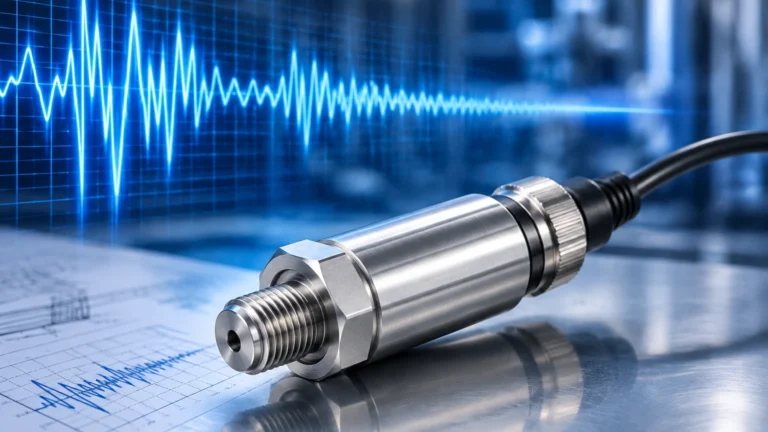
An atmospheric pressure transducer converts mechanical pressure into an electrical signal. The atmosphere is not static; it changes based on weather patterns, altitude, and temperature. To capture these changes accurately, several sensing technologies are employed.
Piezoresistive Sensing
This is the most common technology used in industrial transducers. It utilizes a silicon or ceramic diaphragm with integrated strain gauges. When atmospheric pressure changes, the diaphragm deflects, causing a change in the electrical resistance of the strain gauges. This change is proportional to the pressure and is processed by internal electronics into a standard output signal, such as 4-20mA or 0-10V.
Capacitive Sensing
Capacitive transducers measure the change in electrical capacitance between a flexible diaphragm and a fixed backplate. As ambient pressure moves the diaphragm, the distance between the plates changes, altering the capacitance. These sensors are known for their high sensitivity and long-term stability, making them ideal for high-precision barometric monitoring.
Resonant Sensing
Resonant sensors use a vibrating element, such as a quartz crystal, whose resonant frequency changes in response to pressure-induced stress. These offer the highest levels of accuracy and are often used in laboratory settings or high-end industrial reference gauges, though they come at a higher price point.
The Critical Link: Atmospheric Pressure and Hydrostatic Level
One of the primary applications of an atmospheric pressure transducer in industrial settings is the compensation of hydrostatic level sensors. Hydrostatic level measurement relies on the principle that the pressure at the bottom of a liquid column is proportional to the height of that liquid ($P = \rho gh$).
However, in an open tank or reservoir, the total pressure measured at the bottom of the tank ($P_{total}$) is the sum of the liquid pressure ($P_{liquid}$) and the atmospheric pressure ($P_{atm}$) acting on the surface of the liquid:
$$P_{total} = P_{liquid} + P_{atm}$$
To determine the actual liquid level, the atmospheric pressure must be subtracted from the total pressure. If a system does not account for changes in barometric pressure, a 10 mbar change in weather could result in a measurement error of approximately 10 cm (4 inches) of water level.
There are two primary ways to handle this:
1. Vented Cables: A vent tube inside the sensor cable allows the atmospheric pressure to reach the back of the sensor diaphragm, naturally canceling out the $P_{atm}$ term.
2. Differential Calculation: An independent atmospheric pressure transducer is installed near the tank. Its reading is digitally subtracted from the reading of a sealed (absolute) submersible pressure transmitter. This method is often preferred in high-humidity environments where vent tubes might become clogged with moisture.
For more information on how these sensors integrate into broader measurement systems, you can visit the Main Page to review product options and application support.
Technical Selection Criteria
When evaluating an atmospheric pressure transducer for industrial use, several technical specifications must be prioritized to ensure the device meets the needs of the specific application.
Measurement Range
Standard atmospheric pressure at sea level is approximately 1013.25 mbar (14.7 psi). However, transducers must be selected to cover the full range of possible weather extremes and the specific altitude of the installation site. A typical range for an industrial barometric sensor is 800 to 1100 mbar, though high-altitude versions may go lower.
Accuracy and Resolution
For level compensation, the accuracy of the atmospheric transducer should ideally exceed the accuracy of the level sensor itself. Look for "Full Scale" (FS) accuracy ratings. A rating of ±0.1% FS is standard for high-quality industrial units.
Output Signals
* Analog (4-20mA): The industry standard for long-distance transmission with high noise immunity.
* Digital (RS485/Modbus): Allows for easier integration into PLC/SCADA systems and provides diagnostic data.
* SDI-12: Common in environmental monitoring and low-power remote telemetry units.
Environmental Protection
Since these devices must be exposed to the atmosphere, they are susceptible to dust, moisture, and temperature swings. An IP65 or IP67 rating is generally required for outdoor or industrial indoor placements.
Practical Selection Table
| Feature | Piezoresistive Transducer | Capacitive Transducer | Resonant Transducer |
| :— | :— | :— | :— |
| Cost | Low to Moderate | Moderate | High |
| Accuracy | 0.25% to 0.5% FS | 0.1% to 0.05% FS | < 0.01% FS |
| Stability | Good | Excellent | Superior |
| Typical Use | General industrial process | High-precision level compensation | Lab reference / Aerospace |
| Durability | High | Moderate | Moderate |
Installation and Placement Guidelines
Proper installation is as important as the quality of the sensor itself. Incorrect placement can lead to "noise" in the data caused by local environmental factors.
1. Avoid Dynamic Pressure: Do not place the transducer directly in the path of high-velocity air, such as near HVAC vents or in wind-prone outdoor areas. Wind moving across the sensor can create a venturi effect, leading to false pressure drops.
2. Thermal Stability: While most modern transducers are temperature-compensated, extreme temperature fluctuations can still cause drift. Mount the device in a shaded area or an instrument enclosure to avoid direct solar heating.
3. Venting and Filtration: If the transducer is housed in a NEMA or IP-rated enclosure, the enclosure must be vented to the atmosphere. Use a sintered metal filter or a GORE-TEX vent to allow pressure equalization while blocking moisture and dust.
4. Orientation: Follow the manufacturer’s recommendations regarding orientation. Some sensors are sensitive to gravity-induced offsets if mounted horizontally versus vertically.

Maintenance and Calibration
Atmospheric pressure transducers are generally low-maintenance, but they are not "set and forget" devices. Over time, the sensing element may experience drift due to aging or environmental stress.
* Annual Calibration: It is recommended to verify the transducer against a primary standard or a recently calibrated reference barometer at least once per year.
* Inspection of Ports: Ensure that the pressure port is not obstructed by spider webs, dust, or ice. A clogged port will result in a "laggy" response to atmospheric changes.
* Desiccant Replacement: If using a vented system with a desiccant cartridge, check the color-change indicator regularly. Saturated desiccant can allow moisture to enter the sensor housing, leading to internal corrosion.
Common Risks and Mitigation
* Overpressure Events: While rare in purely atmospheric applications, sudden pressure spikes (e.g., from nearby explosions or heavy machinery in enclosed spaces) can damage sensitive diaphragms. Select a sensor with an overpressure rating at least 2x the maximum expected atmospheric pressure.
* Lightning and Surges: Outdoor installations are vulnerable to lightning strikes. Ensure the transducer is properly grounded and utilize surge protection devices on the signal lines.
* Signal Interference: In B2B environments with heavy electrical machinery, electromagnetic interference (EMI) can distort analog signals. Using shielded twisted-pair cabling and digital communication protocols (like Modbus) can mitigate this risk.
Frequently Asked Questions (FAQs)
Q: Can I use a standard gauge pressure transmitter to measure atmospheric pressure?
A: No. A gauge pressure transmitter measures pressure relative to the atmosphere (reading zero at ambient pressure). To measure the atmosphere itself, you need an absolute pressure transducer or a specialized barometric sensor.
Q: How does altitude affect my transducer selection?
A: Atmospheric pressure decreases as altitude increases. If your facility is located at a high elevation (e.g., 2000 meters above sea level), a standard 800-1100 mbar sensor may be out of range. You will need a sensor calibrated for lower absolute pressures.
Q: Is a separate atmospheric transducer better than a vented cable for level sensing?
A: Vented cables are simpler for single-tank setups. However, in large facilities with multiple tanks, or in environments with very high humidity where vent tubes often fail, using a single, high-quality atmospheric pressure transducer to compensate multiple absolute level sensors is often more reliable and cost-effective.
Conclusion
The atmospheric pressure transducer is a silent but vital partner in industrial level measurement and process control. By providing the necessary data to compensate for environmental variables, it ensures that hydrostatic readings remain accurate regardless of weather changes. When selecting a transducer, engineers must weigh the trade-offs between sensing technologies, accuracy requirements, and the specific challenges of the installation environment.
For those seeking to implement robust level measurement solutions, exploring the integrated options available on the Main Page provides a pathway to selecting the right combination of level sensors and atmospheric compensation tools for long-term operational success.