Kapillary Sensors Grease Fog Monitoring
Kapillary Sensors Grease Fog Monitoring
In industrial environments where high-temperature processing, commercial cooking, or chemical synthesis occurs, the management of airborne particulates and viscous residues is a critical operational challenge. Kapillary sensors grease fog monitoring represents a specialized subset of instrumentation engineering designed to address the unique difficulties of measuring levels and pressures in environments saturated with vaporized fats, oils, and greases (FOG). Standard sensing equipment often fails in these conditions due to the rapid accumulation of sticky residues that clog traditional pressure ports and foul sensitive electronic components.
For engineers and facility managers, understanding the mechanics of capillary-based sensing is the first step toward implementing a reliable monitoring system. These systems are not merely about detection; they are about maintaining safety, ensuring environmental compliance, and optimizing the maintenance cycles of filtration and extraction systems. By utilizing remote diaphragm seals and capillary tubes, these sensors isolate the delicate measuring instrument from the harsh process environment, providing a robust solution for grease fog monitoring.
Understanding the Principles of Capillary Sensing
Before selecting a specific instrument for grease fog monitoring, it is essential to understand the underlying measurement principle. Most capillary sensors used in these applications operate on the principle of hydrostatic pressure or differential pressure, but with a physical barrier between the process medium and the sensor electronics.
The Remote Diaphragm Seal
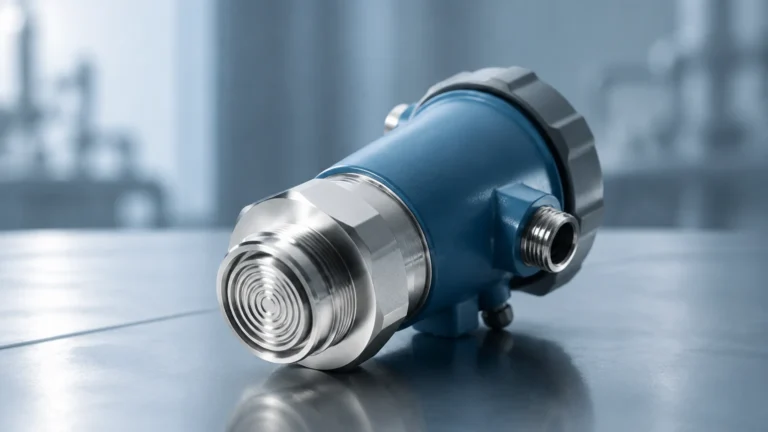
In a standard level or pressure transmitter, the process fluid comes into direct contact with the sensor's internal diaphragm. In grease fog environments, this would lead to immediate failure as the grease cools and solidifies on the sensor face. A capillary sensor utilizes a remote diaphragm seal—a flexible metal membrane—that is mounted at the point of measurement. This diaphragm is connected to the transmitter via a thin, flexible capillary tube filled with a specialized transmission fluid (usually silicone oil or a high-temperature synthetic oil).
Pressure Transmission
When the grease fog or accumulated liquid grease exerts pressure on the remote diaphragm, the diaphragm deflects slightly. This deflection compresses the transmission fluid within the capillary tube. Because the fluid is incompressible, the pressure is transmitted through the length of the capillary to the sensor element inside the transmitter body. This allows the transmitter to be mounted several meters away from the actual grease-heavy environment, protecting it from heat and chemical exposure.
Hydrostatic Level Measurement
In applications where grease is collected in tanks or separators, the capillary sensor measures the hydrostatic pressure exerted by the liquid column. The pressure is proportional to the height of the liquid and its density. For grease fog monitoring in ductwork, these sensors often measure the differential pressure across filters to determine when grease accumulation has reached a level that restricts airflow, indicating a fire hazard or a need for cleaning.
Why Grease Fog Monitoring is Essential for Industrial Safety
Monitoring grease fog is not just a matter of process efficiency; it is a fundamental safety requirement in many industries. The accumulation of grease in ventilation systems or wastewater separators poses significant risks that can be mitigated through accurate sensing.
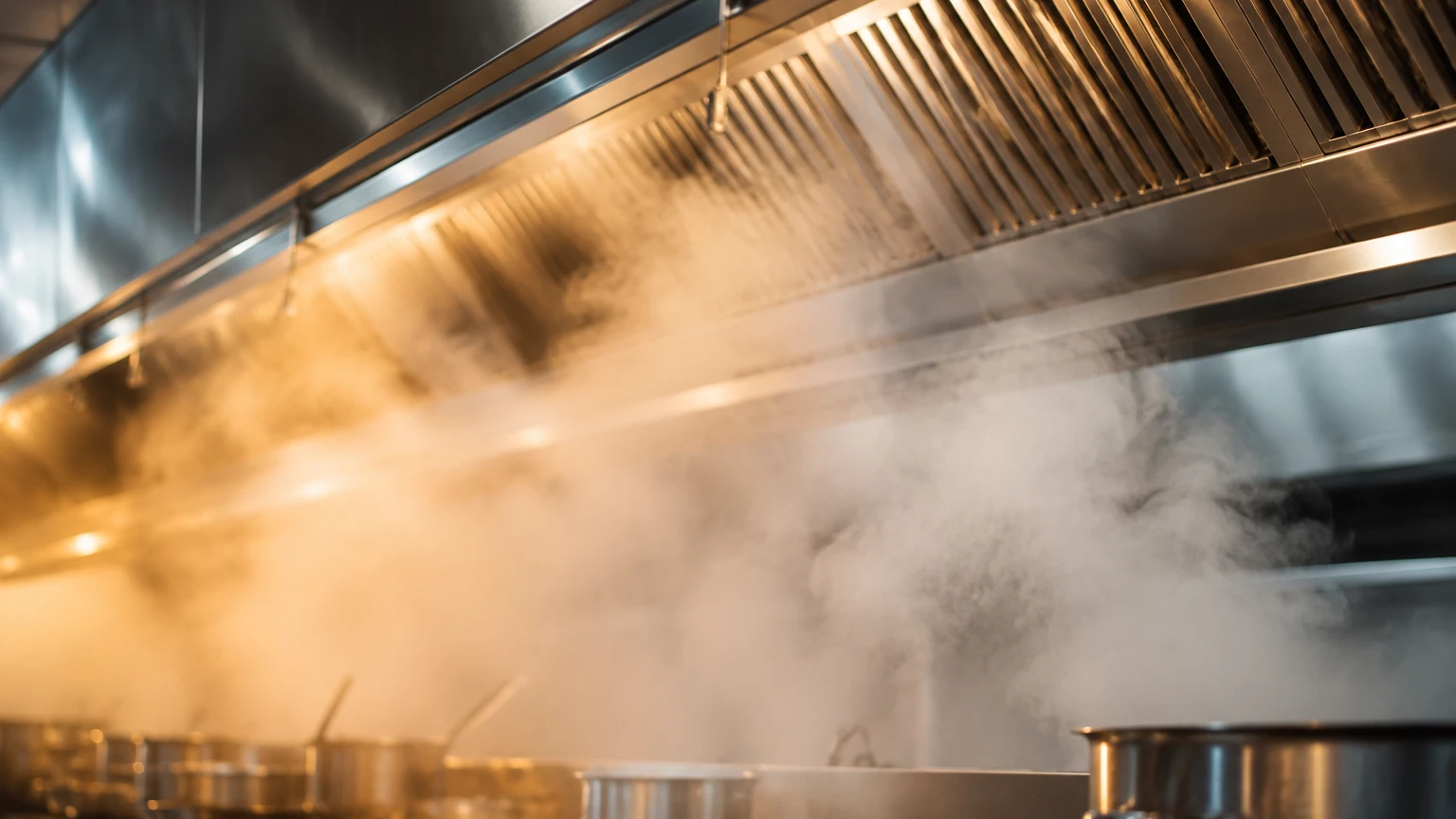
1. Fire Prevention: Grease is highly flammable. In commercial kitchens and industrial food processing plants, grease fog can settle inside exhaust ducts. If a spark enters the ductwork, the accumulated grease acts as fuel, leading to catastrophic fires. Monitoring the "fog" density or the pressure drop across grease filters allows for automated cleaning or emergency shutdowns.
2. Environmental Compliance: In wastewater management, grease traps must be monitored to prevent fats and oils from entering the municipal sewer system. Overflows caused by unmonitored grease levels can lead to heavy fines and environmental damage. Kapillary sensors grease fog monitoring ensures that grease levels are tracked accurately even when a thick layer of solid grease forms on the surface.
3. Equipment Longevity: High concentrations of grease fog can damage downstream equipment, such as heat exchangers, fans, and carbon filters. Continuous monitoring allows for predictive maintenance, ensuring that filters are replaced only when necessary, thereby reducing operational costs while protecting expensive hardware.
Key Evaluation Criteria for Kapillary Sensors
When evaluating instruments for grease fog applications, several technical factors must be considered to ensure long-term reliability. Not all capillary sensors are suitable for the high-viscosity and high-temperature nature of grease.
Diaphragm Material and Coating
The diaphragm is the only part of the sensor in direct contact with the grease. It must be made of a material that resists corrosion and prevents the grease from sticking. Stainless steel (316L) is the standard, but for aggressive chemical environments, Hastelloy C or PTFE (Teflon) coatings are often used. A non-stick coating is particularly beneficial in grease fog monitoring to prevent the buildup of a "crust" that could dampen the pressure signal.
Capillary Length and Diameter
The length of the capillary tube determines how far the transmitter can be mounted from the process. While longer capillaries offer better thermal isolation, they can also introduce a time lag in the measurement and are more susceptible to ambient temperature fluctuations. Typically, capillaries range from 1 meter to 15 meters. The internal diameter must be carefully selected based on the viscosity of the fill fluid to ensure a responsive signal.
Fill Fluid Selection
The fluid inside the capillary must remain stable across the entire operating temperature range of the grease fog environment. For food-grade applications, FDA-approved vegetable oils or specialized food-grade silicone oils are required. In industrial settings, high-temperature oils capable of withstanding up to 315°C (600°F) may be necessary.
Common Risks and Operational Limitations
While capillary sensors are superior to direct-contact sensors in grease environments, they are not without their limitations. Engineers must account for these factors during the design phase.
* Temperature Effects: As the ambient temperature around the capillary tube changes, the fill fluid expands or contracts. This can cause a "zero shift" in the pressure reading. To counter this, high-quality systems use temperature compensation or dual-capillary designs (differential pressure) where both lines are exposed to the same ambient conditions, canceling out the error.
* Response Time: Because the pressure must travel through a long, thin tube filled with oil, there is a slight delay in the sensor's response. In grease fog monitoring, where conditions change relatively slowly, this is rarely an issue, but it must be considered for high-speed control loops.
* Diaphragm Damage: The remote diaphragm is thin (often only 0.05 mm to 0.1 mm thick). If maintenance crews use high-pressure washers or mechanical scrapers to clean grease off the diaphragm, they can easily dent or rupture it, destroying the sensor's accuracy.
Installation and Maintenance Best Practices
Proper installation is the most significant factor in the success of a kapillary sensors grease fog monitoring project. Following these guidelines will ensure the highest possible accuracy.
Mounting the Transmitter
Whenever possible, the transmitter body should be mounted at the same elevation as the remote diaphragm or slightly below it. If the transmitter is mounted significantly higher than the diaphragm, the weight of the fill fluid column creates a vacuum effect (head pressure), which must be calibrated out of the final reading.
Capillary Routing
Capillary tubes should be protected from mechanical damage by conduit or armored sleeving. They should never be kinked or bent sharply; a minimum bend radius (typically 100 mm to 150 mm) must be maintained to prevent restricting the flow of the fill fluid. Additionally, avoid routing capillaries near steam lines or other localized heat sources to minimize temperature-induced errors.
Maintenance Protocols
Regular inspection of the diaphragm face is necessary. Instead of mechanical scraping, grease should be removed using compatible solvents or low-pressure steam. If the sensor is used in a grease trap, the "zero point" should be checked periodically to ensure that sediment buildup at the bottom of the tank is not affecting the hydrostatic level reading.
Technical Selection Table
The following table provides a general comparison of sensor types used in grease-heavy environments to help engineers determine if a capillary-based system is the correct choice.
| Feature | Standard Hydrostatic Sensor | Ultrasonic Level Sensor | Capillary Diaphragm Sensor |
| :— | :— | :— | :— |
| Grease Resistance | Low (Clogs easily) | Medium (Vapors interfere) | High (Isolated design) |
| High Temp Support | Limited | Low | Excellent (Up to 315°C) |
| Installation Complexity | Low | Medium | High (Capillary routing) |
| Maintenance Need | High (Frequent cleaning) | Medium (Transducer fouling) | Low (Self-cleaning options) |
| Accuracy | High (if clean) | Variable (affected by fog) | High (with compensation) |
| Cost | Low | Medium | High |
Frequently Asked Questions (FAQ)
Q: Can capillary sensors be used for both liquid grease and grease fog?
A: Yes. For liquid grease in tanks, the sensor measures hydrostatic pressure. For grease fog in ducts, the sensor is typically configured as a differential pressure transmitter to monitor filter loading or flow rates.
Q: How do I prevent the grease from solidifying on the diaphragm?
A: Using a flush-mount diaphragm rather than a recessed one prevents grease from being trapped in pockets. Additionally, PTFE coatings can reduce the adhesion of the grease to the metal surface.
Q: What is the maximum temperature a capillary sensor can handle?
A: With the correct fill fluid and stainless steel diaphragms, these sensors can operate in process temperatures exceeding 300°C, provided the transmitter electronics are mounted in a cooler ambient location.
Q: Are these sensors suitable for food production?
A: Yes, provided they are specified with food-grade fill fluids and sanitary process connections (such as Tri-Clamp fittings) that meet 3A or EHEDG standards.
Conclusion
Kapillary sensors grease fog monitoring is a specialized but vital field within industrial automation. By effectively isolating the sensing electronics from the destructive properties of grease, oil, and high-temperature vapors, these instruments provide the data necessary to maintain safe and efficient operations. Whether the application involves monitoring a commercial kitchen exhaust or managing a large-scale industrial grease separator, the use of remote diaphragm seals and capillary tubes remains the gold standard for reliability.
When planning a monitoring system, it is crucial to consult with experts who understand the nuances of hydrostatic pressure and material compatibility. For those looking to explore specific hardware options, including radar, ultrasonic, and hydrostatic solutions, you can Review product options and application support on our Main Page to find the right fit for your specific industrial requirements. Proper selection today ensures a safer, more compliant, and lower-maintenance facility tomorrow.