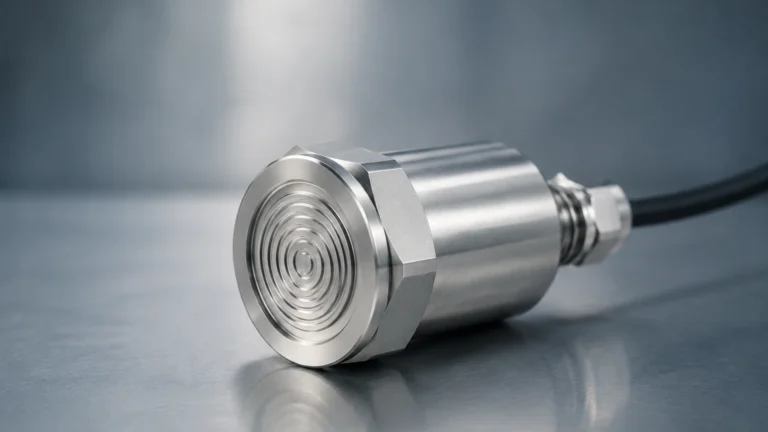
Diesel Fuel Tank Level Gauge Indicator
Diesel Fuel Tank Level Gauge Indicator
In industrial operations, the reliable management of diesel fuel is critical for maintaining operational uptime, especially for backup power systems, heavy machinery fleets, and remote processing plants. A diesel fuel tank level gauge indicator is more than just a visual readout; it is a vital component of a facility’s inventory management and safety protocol. Accurate monitoring prevents unexpected fuel exhaustion, detects potential leaks, and ensures that refueling schedules are optimized for cost and efficiency.
Selecting the appropriate measurement technology requires a deep understanding of the physical properties of diesel fuel and the specific environmental conditions of the storage site. This guide explores the principles of level measurement, the various technologies available, and the practical considerations for industrial implementation.
Understanding Diesel Fuel Level Measurement Principles
Diesel fuel presents specific challenges for level measurement. It is a hydrocarbon with a relatively low dielectric constant (typically between 2.0 and 2.2), it is combustible, and its density changes slightly with temperature. Most industrial level indicators operate on one of several physical principles:
Hydrostatic Pressure
This principle relies on the relationship between the height of the liquid and the pressure exerted at the bottom of the tank. The formula $P = \rho gh$ (where $P$ is pressure, $\rho$ is density, $g$ is gravity, and $h$ is height) allows a pressure transmitter to calculate the level. Since diesel density is approximately 830 to 850 kg/m³, the sensor must be calibrated to this specific gravity to provide an accurate reading.
Buoyancy and Magnetic Coupling
Mechanical indicators often use a float that sits on the surface of the diesel. In magnetic level gauges, this float contains a permanent magnet that interacts with a series of bi-color flaps or a follower on the outside of a sealed chamber. This provides a clear visual indication without the risk of fuel leaking through a sight glass.
Time-of-Flight (ToF)
Both radar and ultrasonic sensors use the Time-of-Flight principle. The sensor emits a pulse (either an electromagnetic wave for radar or a sound wave for ultrasonic) that reflects off the fuel surface and returns to the sensor. The time taken for this round trip is used to calculate the distance to the fuel surface. Because radar waves travel at the speed of light and are unaffected by air temperature or vapors, they are often preferred for diesel over ultrasonic methods.
Key Types of Diesel Fuel Tank Level Gauge Indicators
Choosing the right diesel fuel tank level gauge indicator involves matching the technology to the tank geometry and the required output (e.g., local display vs. remote monitoring).
1. Radar Level Meters (Non-Contact)
Radar sensors, particularly high-frequency 80GHz models, offer exceptional accuracy. They are mounted at the top of the tank and do not come into contact with the fuel.
* Advantages: High precision (often within ±2 mm), no moving parts to wear out, and unaffected by the heavy vapors often found in diesel tanks.
* Best For: Large bulk storage tanks and high-accuracy inventory control.
2. Magnetic Level Gauges
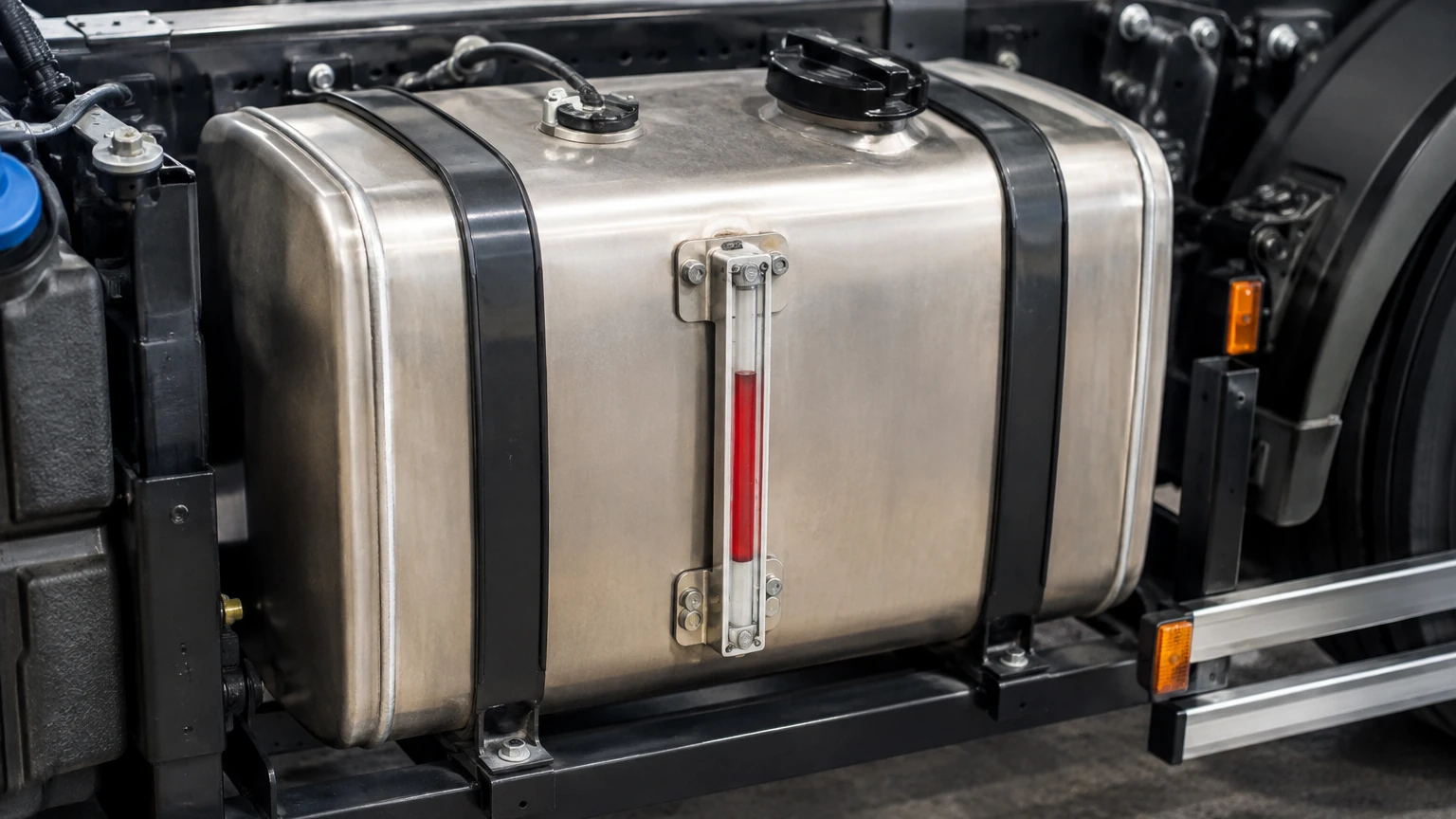
These are bypass systems mounted to the side of the tank. As the fuel level rises in the tank, it rises equally in the bypass chamber, moving the magnetic float.
* Advantages: Provides a highly visible local display that does not require power. It is inherently explosion-proof because the fuel is completely contained within a stainless steel or plastic chamber.
* Best For: Day tanks and applications where local visual verification is a safety requirement.
3. Hydrostatic Level Transmitters
These can be submersible (dropped to the bottom of the tank) or externally mounted via a flange at the tank base.
* Advantages: Cost-effective and easy to install in existing tanks. They provide a continuous 4-20mA signal for integration into PLC or SCADA systems.
* Best For: Vented underground storage tanks (UST) and standard above-ground tanks.
4. Ultrasonic Level Sensors
Ultrasonic sensors are a common choice for non-contact measurement in smaller, non-pressurized tanks.
* Advantages: Low cost and simple setup.
* Limitations: Can be affected by foam during high-speed filling and temperature fluctuations in the headspace of the tank.
For a comprehensive overview of industrial instrumentation and to compare specific models, engineers can visit the Main Page of the Welk product catalog.
Selection Criteria for Industrial Applications
When specifying a diesel fuel tank level gauge indicator, several technical factors must be evaluated to ensure long-term reliability.
| Criteria | Description | Recommended Technology |
| :— | :— | :— |
| Accuracy Requirement | High-precision inventory vs. general level monitoring. | Radar (High) / Hydrostatic (Medium) |
| Tank Geometry | Tall, narrow tanks vs. horizontal cylindrical tanks. | Radar or Guided Wave Radar |
| Environment | Hazardous areas (ATEX/IECEx) or corrosive coastal air. | Magnetic Level Gauge or Explosion-proof Radar |
| Installation Type | Top-mounted, side-mounted, or submersible. | Varies by tank access |
| Power Availability | Battery-powered remote sites vs. wired plant power. | Hydrostatic or Low-power Radar |
Media Compatibility
While diesel is not as corrosive as many acids, it is a solvent. Seals and gaskets (such as O-rings in hydrostatic sensors) must be made of compatible materials like Viton (FKM) to prevent swelling or degradation over time.
Hazardous Area Classification
Diesel fuel is a Class II combustible liquid. Depending on the local regulations and the proximity to the tank vent, the level indicator may need to be intrinsically safe or explosion-proof. Always check the ATEX, UL, or IECEx ratings of the instrument before installation.
Installation and Calibration Best Practices
Correct installation is as important as selecting the right sensor. Even the most advanced radar level meter will fail if installed incorrectly.
1. Avoid Obstructions: For top-mounted sensors (Radar/Ultrasonic), ensure the signal beam does not hit internal ladders, heating coils, or the tank wall. This prevents "false echoes."
2. Stilling Wells: In tanks with significant turbulence or foam during filling, a stilling well (a vertical pipe) can be installed to provide a calm surface for the sensor to measure.
3. Venting: Hydrostatic sensors measure the pressure of the liquid column plus the atmospheric pressure. If the tank is sealed or pressurized, a differential pressure transmitter or a vented cable must be used to compensate for changes in atmospheric pressure.
4. Grounding: Ensure all metallic components are properly grounded to prevent the buildup of static electricity, which is a significant risk during diesel transfer operations.
Common Risks and Limitations in Fuel Monitoring
Project managers should be aware of the following factors that can impact the performance of a diesel fuel tank level gauge indicator:
* Temperature-Induced Volume Changes: Diesel expands as it warms. A gauge measuring level (height) might show an increase even if no fuel was added. For high-accuracy mass balance, temperature compensation is required.
* Paraffin Wax Precipitation: In extremely cold climates, diesel can "cloud" as paraffin wax precipitates. This can coat mechanical floats or affect the sensitivity of certain sensors.
* Tank Bottom Sludge: Over time, water and sediment (sludge) settle at the bottom of diesel tanks. Submersible hydrostatic sensors should be mounted slightly above the tank floor (typically 50mm to 100mm) to avoid being buried in debris.
* Signal Attenuation: In radar applications, the low dielectric constant of diesel means the reflected signal is weaker than it would be for water. It is essential to use a sensor with high sensitivity or a guided wave radar (GWR) that uses a probe to direct the signal.
Frequently Asked Questions (FAQ)
Q: Can I use the same gauge for diesel and biodiesel?
A: Generally, yes, but biodiesel has different chemical properties. Ensure that any elastomers (seals) in the gauge are compatible with the specific blend of biodiesel (e.g., B20 or B100).
Q: How often should a diesel level gauge be calibrated?
A: For standard operational use, an annual calibration check is recommended. For custody transfer or high-accuracy environmental compliance, semi-annual calibration may be required.
Q: Is a visual gauge enough for a backup generator tank?
A: While a visual magnetic gauge is excellent for local checks, backup systems should ideally have an electronic transmitter (like a hydrostatic or radar sensor) connected to a remote alarm system to alert facility managers if levels drop below a critical threshold.
Q: What is the benefit of 80GHz radar over 26GHz for diesel?
A: 80GHz radar has a narrower beam angle, which makes it easier to avoid internal tank obstructions and allows for installation in smaller nozzles.
Conclusion
Implementing a robust diesel fuel tank level gauge indicator system is a fundamental requirement for modern industrial infrastructure. By understanding the measurement principles—from hydrostatic pressure to advanced radar—and considering the specific constraints of the installation environment, engineers can ensure accurate, safe, and reliable fuel monitoring. For further technical specifications and product selection support, visiting the Main Page of an established manufacturer like Welk provides the necessary data to move from planning to procurement.