Fuel Tank Level Monitoring
Fuel Tank Level Monitoring
Fuel tank level monitoring is a critical operational requirement for industries ranging from logistics and power generation to chemical processing and marine engineering. Accurate measurement of fuel—whether it is diesel, gasoline, heavy fuel oil (HFO), or aviation kerosene—ensures inventory precision, prevents environmental hazards due to overfills, and protects against unauthorized fuel removal.
Implementing a robust monitoring system requires an understanding of the physical properties of the fuel, the geometry of the storage vessel, and the technical capabilities of different sensing technologies. This guide explores the engineering principles behind modern level measurement and provides a framework for selecting the most appropriate instrumentation for industrial fuel applications.
Core Principles of Fuel Level Measurement
Before selecting a specific instrument for fuel tank level monitoring, it is essential to understand how various technologies interact with the fluid and the tank environment. Fuel storage presents unique challenges, including volatile vapors, temperature-induced density changes, and the requirement for explosion-proof equipment.
Radar Level Measurement (Non-Contact)
Radar transmitters, such as those produced by Welk, typically utilize either Pulse Radar or Frequency Modulated Continuous Wave (FMCW) technology. These sensors emit high-frequency electromagnetic waves (often in the 26GHz or 80GHz range) that reflect off the fuel surface. By measuring the time-of-flight or frequency shift of the returned signal, the device calculates the distance to the liquid level.
Radar is highly effective for fuel because electromagnetic waves are largely unaffected by the vapors and gases found in the headspace of a fuel tank. High-frequency 80GHz radar is particularly advantageous for tanks with internal obstructions or narrow nozzles, as it produces a narrow beam angle that minimizes false reflections.
Ultrasonic Level Sensors
Ultrasonic sensors function by emitting acoustic pulses. The time taken for the sound wave to travel to the surface and back determines the level. While cost-effective, ultrasonic technology is sensitive to the medium's vapor space. In fuel tanks, especially those containing volatile liquids like gasoline, the speed of sound can vary based on the concentration of vapors and temperature fluctuations, which may lead to measurement errors unless temperature compensation is accurately applied.
Hydrostatic Pressure Measurement
Hydrostatic level transmitters measure the pressure exerted by the liquid column at the bottom of the tank. The relationship is defined by the formula:
*P = ρ · g · h*
Where *P* is pressure, *ρ* (rho) is the density of the fuel, *g* is local gravity, and *h* is the height of the liquid.
This method is highly reliable for atmospheric tanks. However, because fuel density changes with temperature, hydrostatic systems often require integrated temperature sensors to maintain accuracy over a wide range of operating conditions. For pressurized tanks, a differential pressure (DP) approach is required to subtract the headspace pressure from the total bottom pressure.
Magnetic Level Gauges
Magnetic level gauges provide a clear visual indication of the fuel level. A float containing a permanent magnet moves with the liquid level inside a bypass chamber. This magnet flips external flags or rollers. For automated monitoring, these gauges can be fitted with reed-chain transmitters or magnetostrictive sensors to provide a 4-20mA or digital output to a control system.
Selecting the Right Sensor for Fuel Tank Level Monitoring
Choosing the correct technology depends on the tank type (underground vs. above-ground), the fuel type, and the required precision. The following table provides a comparison of common technologies used in industrial fuel management.
Technology Selection Table
| Technology | Accuracy | Best Application | Limitations | Maintenance Level |
| :— | :— | :— | :— | :— |
| 80GHz Radar | ±1 mm to ±2 mm | High-precision inventory, tall tanks | Higher initial cost | Very Low |
| Ultrasonic | ±0.25% of range | Small tanks, water-based fuels | Sensitive to heavy vapors/foam | Low |
| Hydrostatic | ±0.1% to ±0.5% | Underground diesel tanks | Density dependent | Medium |
| Magnetostrictive | ±1 mm | Custody transfer, retail fuel | Contacting (moving parts) | Medium |
| Level Switches | N/A (Point level) | Overfill protection | No continuous data | Low |
For a comprehensive look at specific instrument specifications and compatibility, engineers can refer to the Welk Main Page for detailed technical data sheets.
Installation Considerations for Reliable Data
The accuracy of fuel tank level monitoring is often determined more by the quality of the installation than the sensor's theoretical precision.
1. Nozzle Positioning: For non-contact sensors like radar or ultrasonic, the sensor should be mounted away from the tank wall to avoid signal interference. A general rule is to keep the sensor at least 200 mm to 500 mm from the wall, depending on the beam angle.
2. Obstruction Avoidance: Ensure the signal path is clear of internal structures such as ladders, heating coils, or agitators. If obstructions are unavoidable, many modern radar units allow for "false echo suppression" to ignore these static reflections.
3. Stilling Wells: In tanks with significant turbulence or foam, installing the sensor inside a stilling well (a vertical pipe with vent holes) can provide a calm surface for the measurement, significantly improving reliability.
4. Venting and Pressure: For hydrostatic sensors, ensure the vent tube in the cable is clear and protected from moisture. This allows the sensor to reference atmospheric pressure, preventing errors caused by weather-related barometric changes.
5. Hazardous Area Classification: Fuel tanks are typically classified as hazardous zones (ATEX/IECEx). All instrumentation must be appropriately rated (e.g., Ex ia or Ex d) to ensure safety in potentially explosive atmospheres.
Environmental and Safety Standards
Fuel tank level monitoring is not merely a matter of inventory; it is a regulatory requirement in most jurisdictions. Systems must be designed to mitigate the risk of leaks and spills.
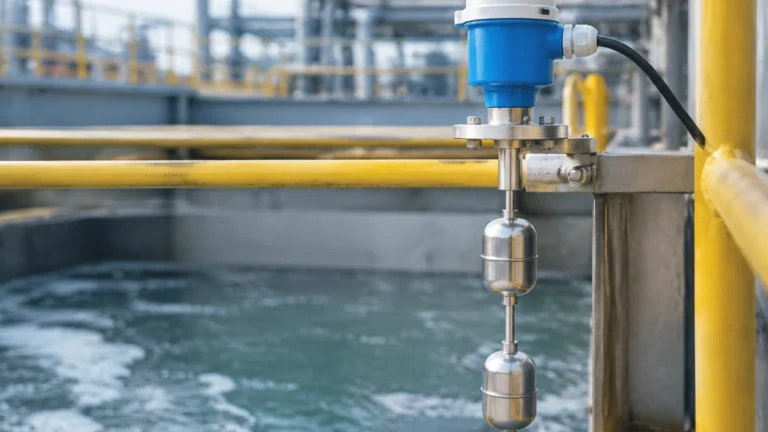
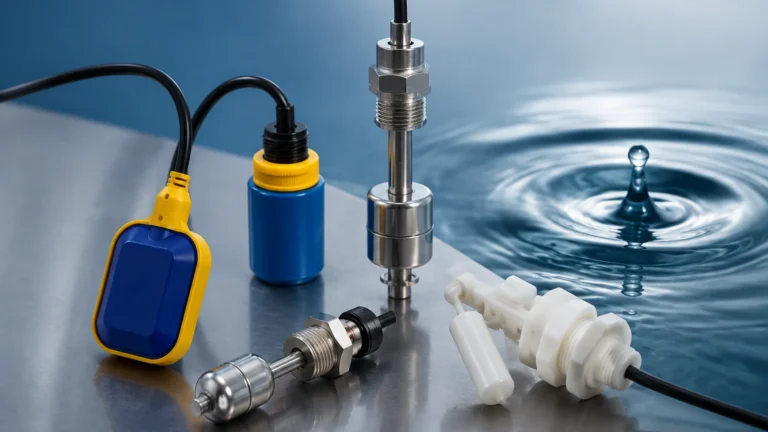
* Overfill Prevention: High-level alarms (HLAs) should be independent of the continuous level monitoring system. If the primary sensor fails, a dedicated level switch (such as a tuning fork or float switch) should trigger an emergency shutdown of the filling pumps.
* Leak Detection: By comparing the metered outflow of fuel with the change in tank level, automated systems can detect discrepancies that indicate a tank rupture or pipe leak. This is particularly vital for underground storage tanks (USTs).
* Secondary Containment: Monitoring systems should also be placed in the interstitial space of double-walled tanks or within the bund/containment area to detect the presence of fuel outside the primary vessel.
Maintenance and Operational Challenges
While modern electronic sensors are designed for longevity, the nature of fuel storage introduces specific maintenance needs:
* Paraffin and Wax Buildup: In cold climates, diesel and heavy oils can precipitate paraffin wax. This buildup can coat the probes of contacting sensors or the faces of ultrasonic transducers. Radar is generally more resistant to this, but periodic inspection is still recommended.
* Condensation: Temperature swings cause moisture to condense on the ceiling of the tank and the sensor face. Sensors with drip-off lens designs (common in 80GHz radar) are preferred to prevent water droplets from attenuating the signal.
* Calibration Verification: Annual or bi-annual verification against a manual dip tape is standard practice to ensure the electronic system has not drifted and that the tank strapping table (the conversion of height to volume) remains accurate.
Frequently Asked Questions
Q: Can I use the same sensor for diesel and gasoline?
A: While many sensors are compatible with both, gasoline is significantly more volatile. Radar is generally preferred for gasoline to avoid the vapor-related errors that can affect ultrasonic sensors. Additionally, gasoline requires stricter explosion-proof certifications.
Q: How does temperature affect my fuel level reading?
A: Fuel expands as temperature rises. A hydrostatic sensor measures mass (weight), which remains constant, but the volume (height) will increase. If your goal is inventory management by volume, you must use a system that integrates temperature data to calculate "Net Standard Volume."
Q: Is non-contact or contact measurement better for fuel?
A: Non-contact measurement (Radar) is typically superior for fuel because it reduces the risk of sensor corrosion and simplifies maintenance. However, contact methods like hydrostatic or magnetostrictive probes are often more cost-effective for smaller, underground tanks.
Q: What is the maximum range for radar fuel monitoring?
A: Welk radar units can typically measure up to 30 meters or more, depending on the model, making them suitable for even the largest refinery storage tanks.
Conclusion
Effective fuel tank level monitoring requires a balanced approach that considers the chemical properties of the fuel, the physical constraints of the tank, and the necessary safety protocols. By utilizing advanced technologies like 80GHz radar or high-precision hydrostatic transmitters, industrial operators can achieve the accuracy required for modern inventory management and environmental compliance. For technical support and to explore a full range of industrial level measurement instruments, visit the Welk Main Page for expert guidance and product specifications.