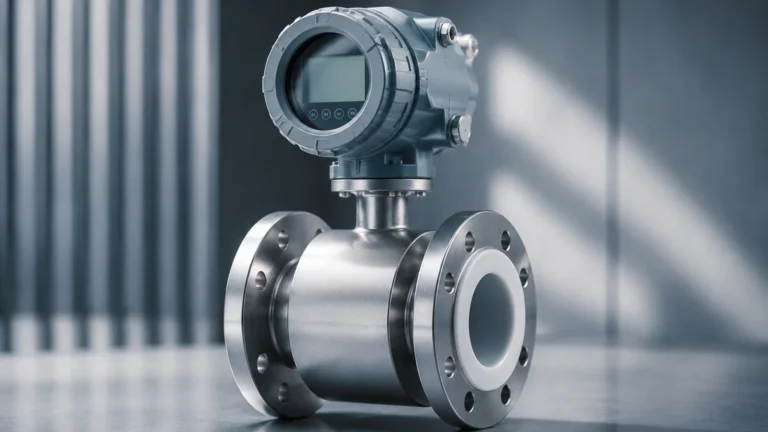
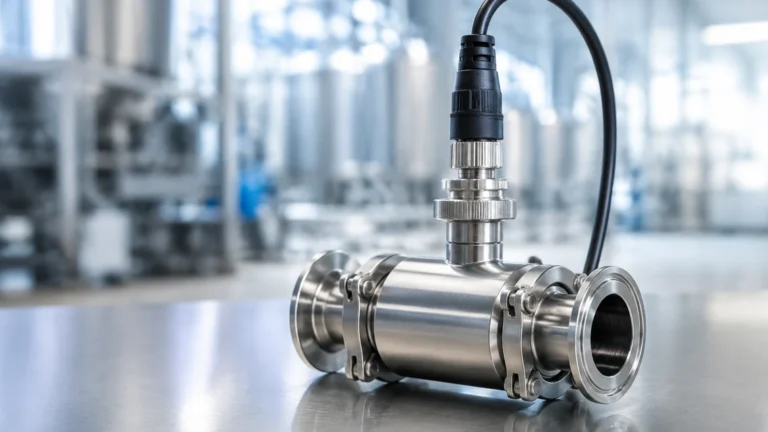
Dual-level Switch
Dual-level Switch
In the landscape of industrial process control, the ability to monitor and manage fluid levels at multiple points is critical for operational efficiency and safety. A dual-level switch is a specialized instrument designed to detect two distinct liquid levels within a single vessel or tank. Unlike single-point switches that only signal a "high" or "low" state, a dual-level switch provides the necessary data to automate complex tasks such as pump control, overflow prevention, and dry-run protection simultaneously.
For engineers and facility managers, selecting the right dual-level switch involves understanding the underlying physics of measurement, the chemical compatibility of materials, and the specific logic required for the application. As a professional manufacturer, Welk provides a range of solutions that integrate these multi-point detection capabilities into robust, industrial-grade hardware. To explore the full catalog of available technologies, you may visit the Main Page for a comprehensive overview of our measurement instruments.
Understanding the Measurement Principles of Dual-level Switches
Before selecting a dual-level switch, it is essential to understand how these devices translate physical liquid levels into electrical signals. Several technologies are commonly employed, each with distinct advantages depending on the media being measured.
Magnetic Float Technology
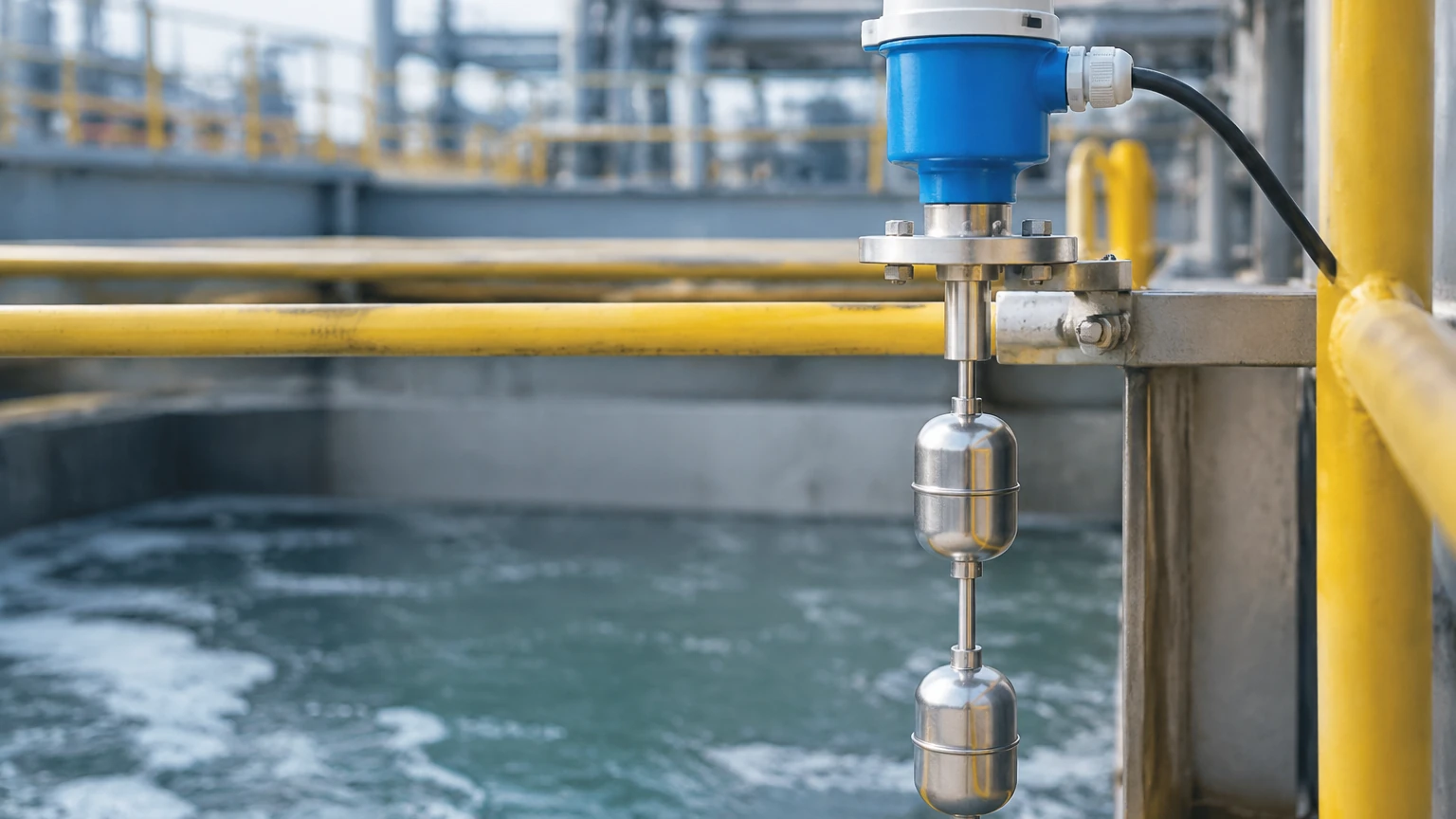
The most prevalent design for a dual-level switch is the magnetic float mechanism. This principle relies on buoyancy and magnetism. A hollow float containing a permanent magnet moves up and down a stationary stem. Inside the stem, two hermetically sealed reed switches are positioned at specific heights (the setpoints).
As the liquid level rises, the float travels toward the first reed switch. The magnetic field from the float causes the reed switch to close (or open), completing an electrical circuit. As the level continues to rise to the second setpoint, the same float (or a second float on the same stem) triggers the second reed switch. This technology is highly reliable because it has few moving parts and requires no external power to operate the sensing element itself.
Conductive Level Sensing
For conductive liquids, such as water, wastewater, or acids, a conductive dual-level switch is often utilized. This principle uses electrodes of varying lengths. A common electrode provides a reference, while two additional electrodes are cut to the lengths corresponding to the high and low setpoints. When the liquid touches an electrode, a low-voltage circuit is completed through the liquid back to the reference electrode. This signal is then processed by a controller to trigger relays. This method is exceptionally robust in high-pressure environments as there are no moving parts to fail.
Vibrating Tuning Fork Technology
While often used as single-point detectors, tuning fork sensors can be paired or integrated into systems to act as a dual-level switch. The fork vibrates at its natural resonance frequency in the air. When submerged in liquid, the frequency shifts. This shift is detected by internal electronics. For dual-level applications, two separate tuning fork sensors are typically mounted at different heights, or a single probe with dual-sensing elements is used. This technology is ideal for viscous liquids or applications where aeration and bubbles might interfere with float-based systems.
Core Applications in Industrial Automation
The implementation of a dual-level switch is usually driven by the need for automated logic. By having two setpoints, a system can establish a "deadband" or a range of operation that prevents rapid cycling of equipment.
Pump Control (Fill and Empty Logic)
One of the most common uses for a dual-level switch is managing a pump between a "start" and "stop" level.
- Tank Filling: The pump starts when the liquid drops below the lower switch (Low Level) and stops once it reaches the upper switch (High Level).
- Tank Emptying (Sump Control): The pump starts when the liquid reaches the upper switch and stops once it has been drained to the lower switch.
Using a single dual-level switch for this purpose is more cost-effective and easier to install than mounting two separate single-point sensors, as it requires only one process connection (flange or thread).
Safety Interlocks and Redundancy
In hazardous chemical processing, a dual-level switch often serves as a primary control and a secondary safety backup. For instance, the first setpoint might trigger a standard high-level alarm, while the second setpoint (mounted slightly higher) acts as a redundant "High-High" emergency shutdown signal to prevent catastrophic overflow.
Selection Criteria for Dual-level Switches
Choosing the correct instrument requires a detailed analysis of the process environment. Engineers should evaluate the following criteria to ensure long-term reliability.
1. Media Characteristics: Is the liquid corrosive, viscous, or prone to coating? For corrosive acids, plastic materials like Polypropylene (PP) or PVDF are preferred. For high-temperature oils, Stainless Steel (SS316L) is the standard.
2. Pressure and Temperature: Standard float switches may be rated up to 10-20 bar, while specialized conductive probes can handle much higher pressures. Ensure the housing and seals can withstand the maximum possible process temperature.
3. Mounting Orientation: Dual-level switches are typically top-mounted. The length of the probe (the "L" dimension) must be specified accurately to ensure the setpoints align with the tank's internal geometry.
4. Output Type: Most dual-level switches provide dry contact (SPST or SPDT) outputs. Ensure the electrical rating of the switch (Voltage and Amperage) is compatible with the PLC or motor starter being used.
Comparison of Dual-level Switching Technologies
| Technology | Suitable Media | Max Temperature (Approx) | Max Pressure (Approx) | Pros | Cons |
| :— | :— | :— | :— | :— | :— |
| Magnetic Float | Clean liquids, water, oil | 150°C (SS) / 80°C (PP) | 40 Bar (SS) | Simple, no power needed, low cost | Prone to jamming in dirty/viscous fluids |
| Conductive | Conductive liquids, acids | 200°C+ | 100 Bar+ | No moving parts, very durable | Only works with conductive media |
| Tuning Fork | Slurries, powders, liquids | 150°C | 40 Bar | Handles turbulence and foam well | Higher cost, requires power supply |
| Ultrasonic | Most liquids | 90°C | 5 Bar | Non-contact (if using dual-point radar/ultrasonic) | Affected by heavy foam or vapor |
Installation Guidelines and Best Practices
Correct installation is vital to prevent false triggering and mechanical fatigue of the dual-level switch.
* Avoid Turbulence: Do not install the switch directly under a fill pipe. The force of the incoming liquid can cause floats to bounce or damage the stem. If turbulence is unavoidable, use a stilling well (a perforated pipe) to shield the sensor.
* Clearance: Ensure there is enough vertical clearance to remove the probe for maintenance. For long stems, ensure there is no internal tank structure (like baffles or agitators) that could interfere with the float movement.
* Wiring and Sealing: Use a proper cable gland to maintain the IP rating (typically IP65 or IP68) of the junction box. Moisture ingress is the leading cause of premature failure in reed-switch based instruments.
* Grounding: For conductive switches and electronic sensors, proper grounding of the tank and the instrument is necessary to prevent electrical noise from causing false signals.
Limitations and Operational Risks
While highly effective, the dual-level switch has specific limitations that must be acknowledged during the design phase:
* Build-up and Scaling: In wastewater or mineral-rich water, calcium or debris can build up on the float or the electrodes. This can cause the float to stick in one position or create a permanent conductive path, leading to false "high" signals. Regular inspection is required in these environments.
* Specific Gravity: Float-based switches rely on the density of the liquid. If the liquid's specific gravity is lower than the float's design limit (e.g., < 0.7), the float will not rise. Always confirm the liquid density before ordering.
* Viscosity: Highly viscous liquids (like heavy syrups or crude oil) can create a drag force on moving parts, delaying the response time of the switch or preventing it from moving entirely.
Frequently Asked Questions (FAQ)
Q: Can a dual-level switch be used for both high and low alarms?
A: Yes. This is one of the most common configurations. One setpoint is placed near the top of the tank for the high alarm, and the second is placed near the bottom for the low alarm.
Q: What is the difference between SPST and SPDT contacts in these switches?
A: SPST (Single Pole Single Throw) is a simple on/off switch. SPDT (Single Pole Double Throw) has a common terminal and two contacts (one normally open, one normally closed), allowing you to toggle between two different circuits (e.g., turning on a green light when the tank is full and a red light when it is not).
Q: How do I test a dual-level switch during maintenance?
A: For float switches, you can manually move the float along the stem and check for continuity at the junction box using a multimeter. For conductive or electronic switches, you must submerge the probes in the process liquid or a test medium to verify the trigger points.
Q: Are these switches suitable for explosive environments?
A: Yes, but you must specify an intrinsically safe (Ex ia) or explosion-proof (Ex d) version. These versions use specialized housings and require safety barriers in the control panel to limit electrical energy.
Conclusion
The dual-level switch remains a cornerstone of industrial level control due to its simplicity and multi-functional capability. Whether managing a simple water storage tank or a complex chemical reactor, these devices provide the critical data points needed to maintain safety and automation. By understanding the physical principles and selection criteria outlined in this guide, engineers can ensure they deploy a solution that offers long-term reliability and accuracy. For technical specifications and customized OEM/ODM level measurement solutions, please refer to the Main Page of our product catalog for further assistance.