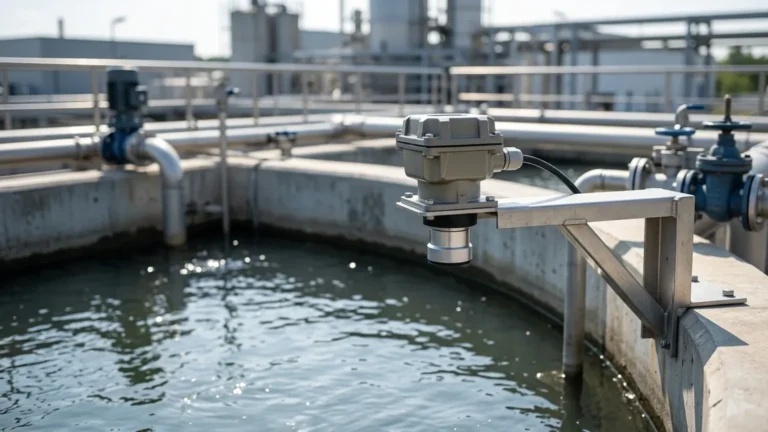
Ultrasonic Water Level Sensor Tuya
Ultrasonic Water Level Sensor Tuya: A Technical Guide to IoT-Enabled Level Measurement
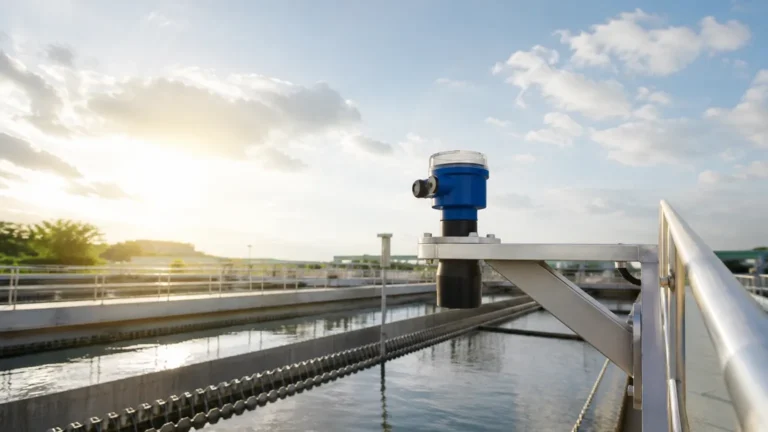
In the landscape of modern industrial automation and smart infrastructure, the ability to monitor liquid levels remotely has transitioned from a luxury to a fundamental requirement. The integration of the ultrasonic water level sensor Tuya ecosystem represents a significant shift in how facility managers and engineers approach liquid management. By combining the reliability of non-contact ultrasonic technology with the connectivity of a global IoT platform, these sensors provide real-time data accessibility that was previously reserved for high-end SCADA systems.
This guide explores the technical foundations of Ultrasonic Level Meters, the specific advantages of Tuya-integrated solutions, and the practical considerations for deploying these instruments in professional environments.
Understanding the Measurement Principle
Before selecting or installing an ultrasonic sensor, it is essential to understand the physics of the measurement. Ultrasonic sensors operate on the "Time-of-Flight" (ToF) principle.
The Time-of-Flight Mechanism
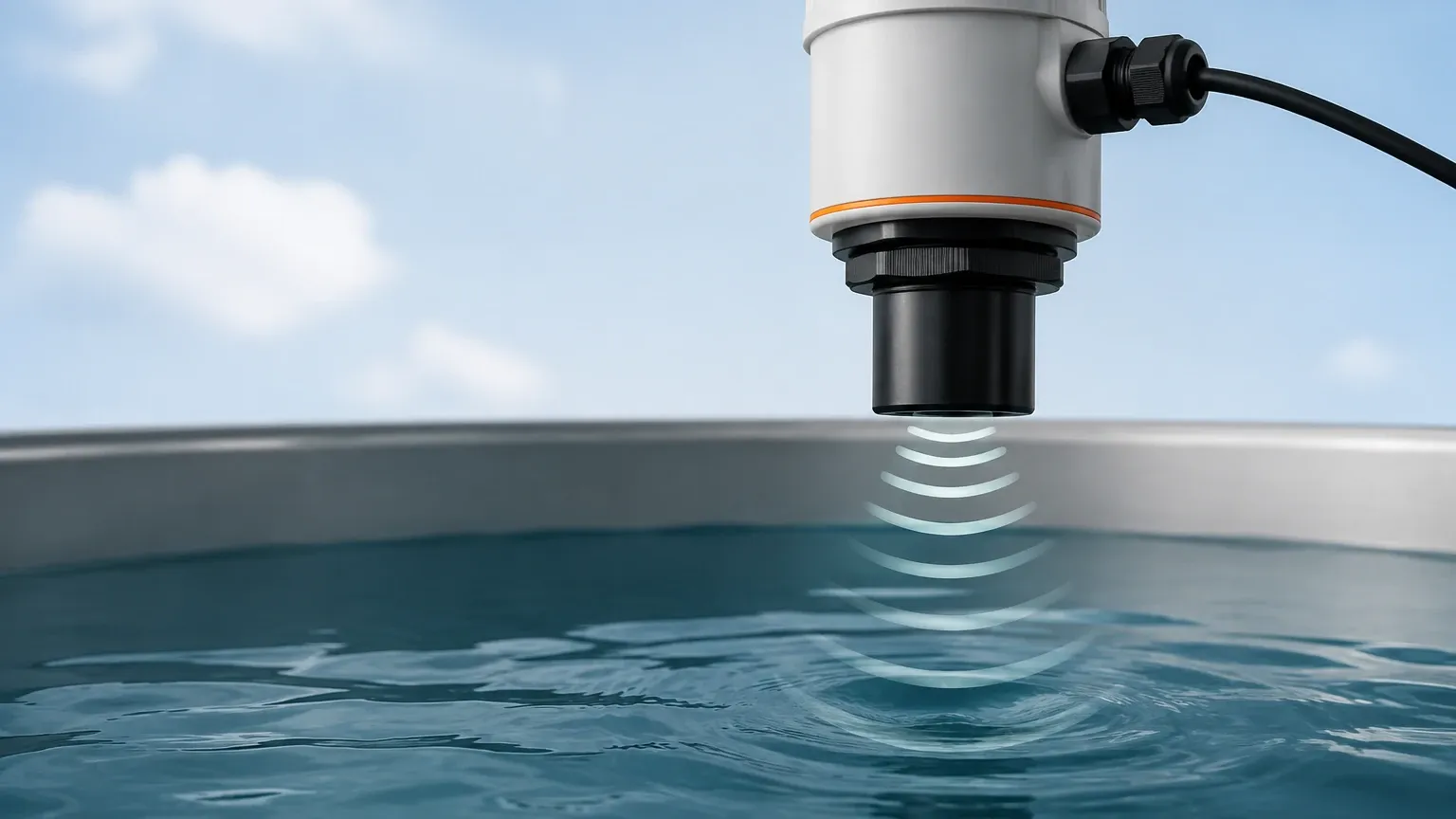
An ultrasonic transducer, typically containing a piezoelectric crystal, emits a high-frequency sound pulse (usually between 40 kHz and 200 kHz). This pulse travels through the air until it strikes the surface of the liquid. Upon impact, the sound wave is reflected back toward the sensor as an echo.
The sensor’s internal microprocessor measures the exact time interval between the emission of the pulse and the reception of the echo. Using the known speed of sound in air, the device calculates the distance to the liquid surface using the following formula:
Distance = (Speed of Sound × Time) / 2
Since the height of the tank or vessel is a known constant, the sensor subtracts the measured distance from the total height to determine the actual level of the liquid.
Environmental Factors and Compensation
The speed of sound is not constant; it varies primarily with air temperature. At 0°C, sound travels at approximately 331.5 m/s, whereas at 20°C, it travels at 343.4 m/s. To maintain accuracy, professional-grade ultrasonic level meters include an integrated temperature sensor to provide real-time compensation for these fluctuations.
The Role of the Tuya Ecosystem in B2B Applications
Tuya is a leading global IoT platform that provides a standardized framework for device connectivity. An ultrasonic water level sensor Tuya compatible device allows for seamless integration into a broader management system via Wi-Fi, Zigbee, or NB-IoT.
For B2B users, this integration offers several advantages:
1. Remote Monitoring: Real-time level data can be accessed from any location via a smartphone or web dashboard.
2. Automated Alerts: Users can configure push notifications for "High Level" or "Low Level" thresholds, preventing overflows or dry-run conditions in pumps.
3. Data Logging: Historical data is stored in the cloud, allowing for trend analysis, consumption tracking, and predictive maintenance scheduling.
4. Interoperability: The sensor can trigger other Tuya-enabled hardware, such as smart valves or pumps, to create a closed-loop automation system without complex PLC programming.
Key Evaluation and Selection Criteria
Choosing the right sensor requires a match between the instrument's specifications and the application's physical environment. The following table provides a baseline for evaluating different ultrasonic solutions.
Selection Table: Industrial vs. IoT-Lite Ultrasonic Sensors
| Feature | Professional Industrial Meter | Tuya-Enabled IoT Sensor |
| :— | :— | :— |
| Measurement Range | Up to 30 meters | Typically 0.1m to 5m |
| Accuracy | 0.2% to 0.5% of span | 1% to 2% of span |
| Output Signal | 4-20mA, RS485/Modbus, HART | Wi-Fi, Zigbee, Bluetooth |
| Power Supply | 24V DC / 220V AC | 12-24V DC or Battery/Solar |
| Housing Material | PVDF, Stainless Steel, Cast Al | ABS, Polycarbonate |
| Ingress Protection | IP67 / IP68 | IP65 / IP66 |
| Typical Application | Chemical processing, large silos | Water tanks, sumps, agriculture |
Range and Dead Zone
Every ultrasonic sensor has a "dead zone" (also known as the blocking distance) directly beneath the transducer face. In this zone, the sensor cannot accurately process the returning echo because the transducer is still vibrating from the initial pulse. For a standard water level sensor, this dead zone is typically between 10cm and 25cm. It is critical to ensure the maximum liquid level never enters this zone.
Installation Considerations
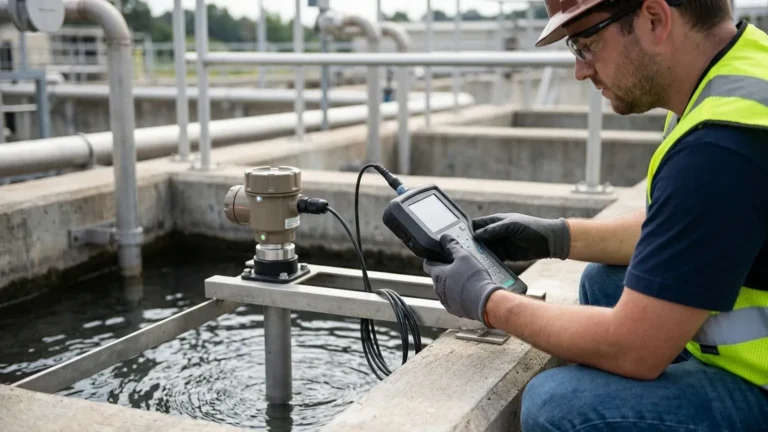
Proper physical installation is the most significant factor in ensuring the reliability of an ultrasonic level meter. Even the most advanced sensor will fail if the acoustic path is obstructed.
1. Positioning and Alignment
The sensor must be mounted perpendicular to the liquid surface. If the sensor is tilted, the ultrasonic pulse will reflect away from the transducer rather than back toward it, resulting in a "Lost Echo" error.
2. Avoiding Obstructions (The Beam Angle)
Ultrasonic pulses do not travel in a straight line; they spread out in a cone shape, typically at an angle of 10° to 15°. Any internal tank structures—such as ladders, pipes, or agitators—within this cone will create false echoes.
* Rule of Thumb: Mount the sensor at least 20cm away from the tank wall for every meter of depth to avoid wall-effect interference.
3. Entry Points and Turbulence
Avoid mounting the sensor directly above the liquid inlet. The turbulence and splashing caused by incoming fluid will scatter the ultrasonic signal and create unstable readings. If turbulence is unavoidable, a stilling well (a vertical pipe that stabilizes the liquid surface) may be required.
Limitations and Prohibitions
While ultrasonic technology is versatile, it is not a universal solution. Certain process conditions will interfere with the acoustic signal:
* Heavy Foam: Foam on the liquid surface acts as an acoustic absorber. If the foam is thick and dense, the ultrasonic pulse may not reflect at all.
* Steam and Vapor: High concentrations of steam or chemical vapors can change the density of the air medium, significantly affecting the speed of sound and causing measurement errors.
* High Pressure/Vacuum: Ultrasonic sensors rely on air as a medium. In a vacuum, sound cannot travel. In high-pressure environments (exceeding 3 bar), the change in air density can attenuate the signal.
* Dusty Environments: In solid level measurement, heavy dust during filling can scatter the ultrasonic pulse. For these applications, radar level meters are often preferred.
Maintenance and Troubleshooting
Ultrasonic sensors are generally low-maintenance because they have no moving parts and do not touch the liquid. However, the following checks should be performed periodically:
* Transducer Cleaning: In high-humidity environments, condensation or mineral buildup can occur on the transducer face. Wipe the face gently with a soft cloth and mild detergent. Do not use abrasive materials.
* Connectivity Check: For Tuya-enabled devices, ensure the Wi-Fi or Zigbee gateway signal strength remains consistent. Signal drops can lead to gaps in data logging.
* Recalibration: If the sensor is moved to a different tank, the "Empty Distance" and "Full Distance" parameters must be updated in the Tuya app to ensure accurate volume calculations.
Frequently Asked Questions (FAQ)
Q: Can I use an ultrasonic sensor for diesel or gasoline?
A: Yes, but the sensor housing must be compatible with fuel vapors (typically PVDF), and the device should be rated for hazardous areas (ATEX/Ex-proof) if the fuel is flammable.
Q: How does the Tuya sensor handle power outages?
A: Most Tuya-enabled level sensors use non-volatile memory, meaning they will retain their configuration settings. Once power or internet connectivity is restored, the device will automatically reconnect and resume data transmission.
Q: What is the maximum distance for a Tuya Wi-Fi level sensor?
A: The measurement range is usually up to 5 meters. The communication range depends on your Wi-Fi router, typically 30-50 meters indoors. For longer distances, Zigbee or NB-IoT versions are recommended.
Q: Can the sensor measure the level of solids like grain or sand?
A: Yes, but the effective range is reduced by approximately 50% because solids absorb more sound than liquids. Additionally, the sensor must be positioned to account for the "angle of repose" (the cone shape) of the solid material.
Conclusion
The ultrasonic water level sensor Tuya integration offers a cost-effective, scalable solution for modern liquid management. By understanding the underlying physics of ultrasonic measurement and adhering to strict installation guidelines, B2B users can implement a robust monitoring system that improves operational efficiency and reduces the risk of manual errors. For more complex industrial requirements involving higher pressures or greater distances, exploring the full range of professional Ultrasonic Level Meters is recommended to ensure long-term reliability and precision.