Level Switch Barksdale
Level Switch Barksdale
In industrial process control, point level detection serves as a critical safeguard for preventing tank overfills, protecting pumps from dry running, and managing automated filling cycles. Among the various technologies available, the level switch Barksdale design—primarily based on magnetic float technology—has established a reputation for reliability in hydraulic systems, chemical processing, and water treatment. Understanding the functional mechanics, selection criteria, and installation requirements of these instruments is essential for engineers seeking to maintain system integrity.
This guide explores the engineering principles behind float-based point level detection, provides a comparison of technologies, and offers practical advice for selecting and maintaining Level Switches in demanding industrial environments.
Principles of Point Level Measurement
Before selecting a specific instrument, it is necessary to understand the physics of the measurement. While several technologies exist, the most common principles utilized in Barksdale-style switches and industrial equivalents include buoyancy-driven magnetic floats, vibration-based tuning forks, and ultrasonic gap sensors.
Magnetic Float Principle
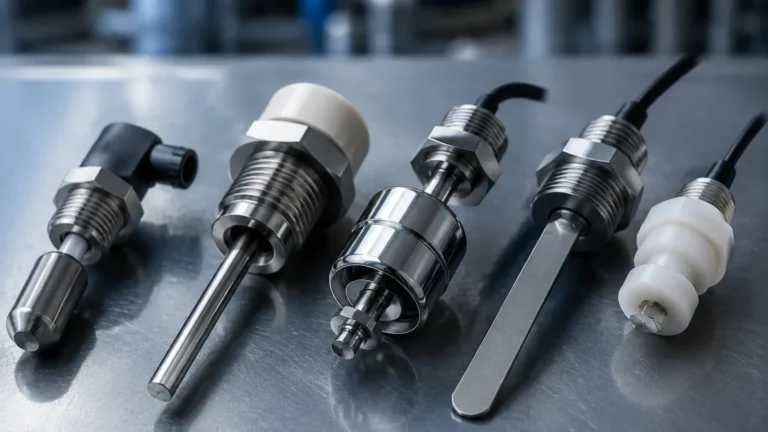
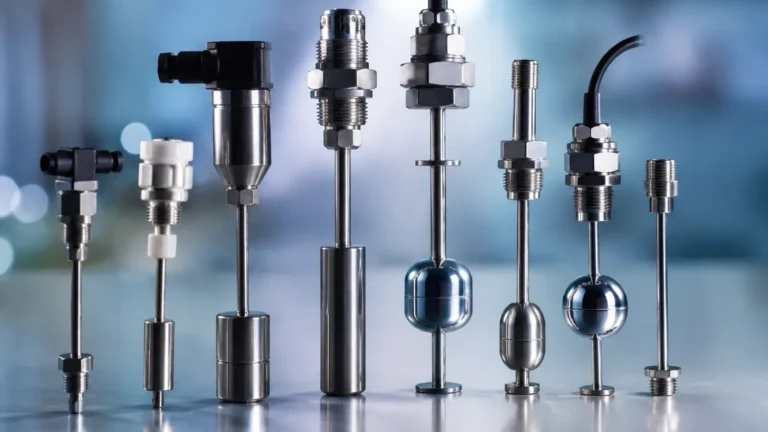
The level switch Barksdale configuration typically utilizes a magnetic float principle. This design consists of a hollow float containing a permanent magnet, which moves up and down a stationary stem. Inside the stem, hermetically sealed reed switches are positioned at specific set points.
As the liquid level rises, the float moves toward the reed switch. The magnetic field from the float causes the reed switch contacts to close (or open, depending on the configuration), completing an electrical circuit. This signal is then sent to a controller, PLC, or alarm system. This method is highly valued for its simplicity and the fact that it does not require external power to operate the sensing element itself.
Tuning Fork (Vibration) Principle
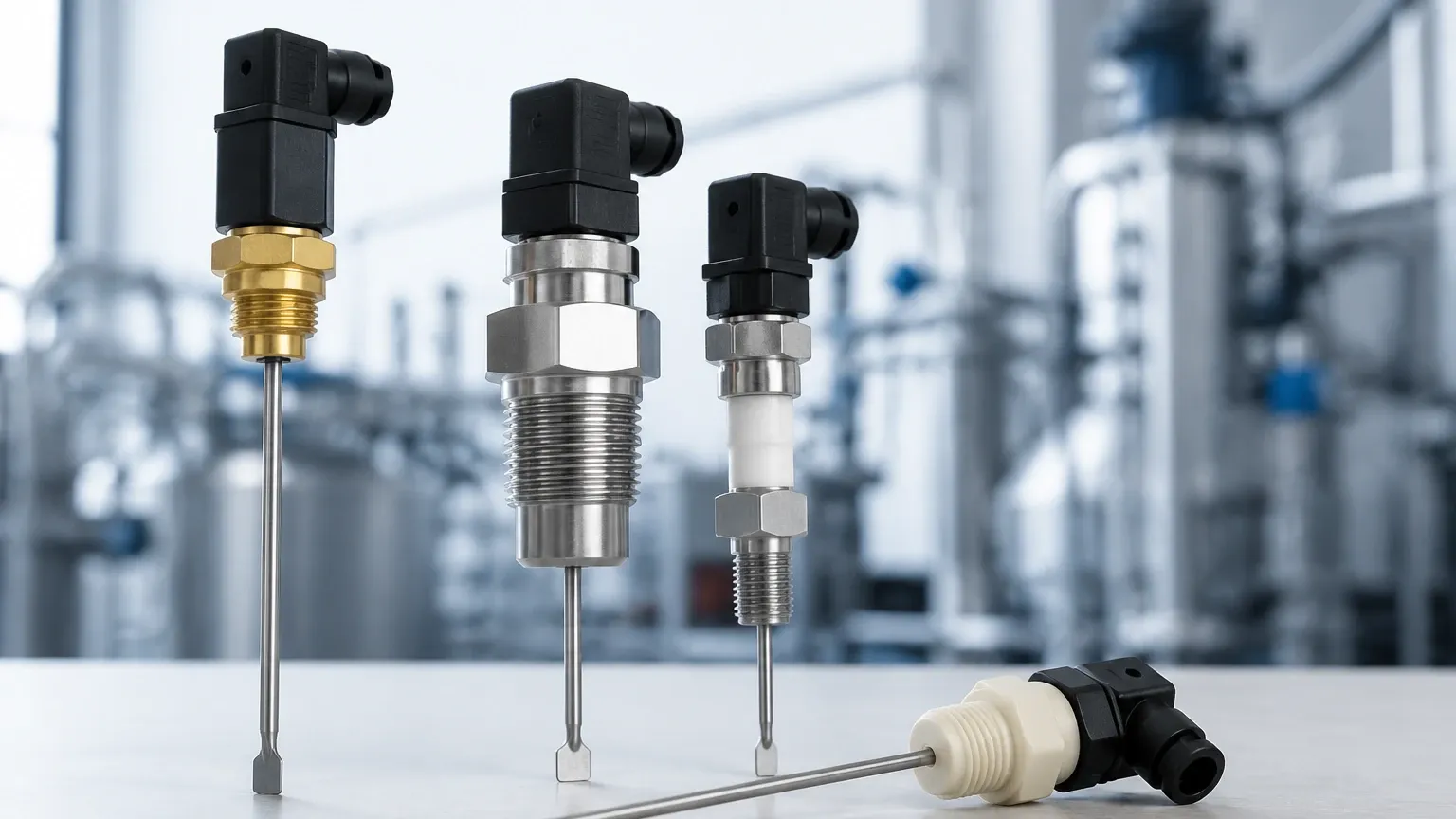
Tuning fork switches utilize a piezoelectric crystal to vibrate the fork at its natural resonance frequency in air. When the fork is submerged in a liquid, the frequency changes or the vibration is dampened. This change is detected by the electronics and converted into a switching signal. This technology is ideal for applications where liquid density may vary or where turbulence is present.
Ultrasonic Gap Principle
Ultrasonic level switches use a pair of crystals (transmitter and receiver) separated by a small gap. When the gap is filled with liquid, the ultrasonic signal travels across; when the gap is empty (filled with air or gas), the signal is attenuated. This is a solid-state solution with no moving parts, reducing mechanical wear.
Key Evaluation Criteria for Level Switch Barksdale Applications
Selecting the correct level switch requires an analysis of the physical and chemical properties of the medium, as well as the mechanical constraints of the vessel. The following factors are primary considerations for Barksdale-style float switches and similar industrial level instruments.
1. Media Compatibility and Material Selection
The material of the float and stem must be chemically compatible with the process fluid. Common materials include:
* Stainless Steel (316/316L): Suitable for high-pressure, high-temperature, and corrosive chemical applications.
* Buna-N (Nitrile): Often used in oil, fuel, and hydraulic fluid applications due to its excellent buoyancy and oil resistance.
* Polypropylene (PP) / PVDF: Utilized for highly corrosive acids or deionized water where metallic contamination must be avoided.
2. Specific Gravity (Density)
For a float switch to function, the float must be less dense than the liquid it is measuring. Most standard floats are designed for liquids with a specific gravity (SG) of 0.8 or higher. For light hydrocarbons or liquefied gases with an SG below 0.7, specialized high-buoyancy floats are required.
3. Operating Pressure and Temperature
Standard industrial level switches are rated for specific environmental envelopes. For instance, a stainless steel level switch Barksdale unit might handle pressures up to 50 bar (725 psi) and temperatures up to 180°C (356°F). In contrast, plastic units are typically limited to 3 bar (43 psi) and 80°C (176°F). Exceeding these limits can lead to float collapse or seal failure.
4. Switch Logic (NO vs. NC)
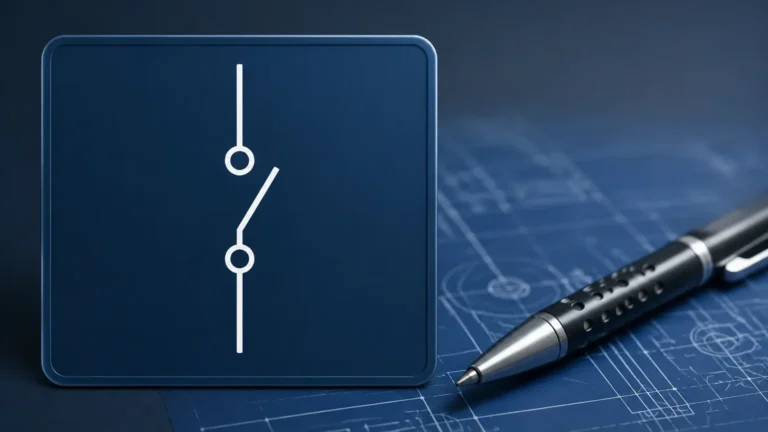
Most reed-switch-based instruments allow for field reversibility. By removing the float and flipping it 180 degrees, the user can change the logic from Normally Open (NO) to Normally Closed (NC). This flexibility is crucial for adapting the switch to different safety logic requirements (e.g., fail-safe high-level alarm).
Technology Comparison and Selection Table
The following table compares the magnetic float technology commonly found in the level switch Barksdale series with other prevalent point level technologies used in industrial automation.
| Feature | Magnetic Float Switch | Tuning Fork Switch | Ultrasonic Gap Switch |
| :— | :— | :— | :— |
| Primary Use | General purpose, Oils, Water | Slurries, Viscous liquids | Clean liquids, Bubbling media |
| Moving Parts | Yes (Float) | No (Vibration) | No |
| Viscosity Limit | Low to Medium (< 500 cP) | High (up to 10,000 cP) | Low to Medium |
| Media Build-up | Sensitive | Resistant | Moderate Sensitivity |
| Power Required | No (for dry contact) | Yes (DC/AC) | Yes (DC) |
| Max Pressure | Up to 50 bar (725 psi) | Up to 100 bar (1450 psi) | Up to 70 bar (1015 psi) |
| Typical Accuracy | ±3 mm (0.12 in) | ±1 mm (0.04 in) | ±2 mm (0.08 in) |
Installation and Mounting Considerations
Proper installation is vital to ensure the longevity and accuracy of a level switch. Whether installing a single-point or multi-point level switch Barksdale assembly, the following engineering guidelines should be followed:
Mounting Orientation
* Top Mounting: The most common method for multi-point switches. The stem hangs vertically into the tank. Ensure the stem is perfectly vertical (within ±30°) to prevent the float from sticking.
* Side Mounting: Often used for single-point high or low alarms. These typically use a hinged float mechanism or a short horizontal stem.
Turbulence and Slosh Shields
In tanks with agitators or high-velocity fill cycles, liquid turbulence can cause "chatter" (rapid opening and closing of the switch). To mitigate this, a slosh shield—a perforated tube surrounding the float—should be installed to stabilize the float’s movement.
Electrical Wiring and Protection
Reed switches are sensitive to high-current surges. When switching inductive loads (such as motor starters or solenoid valves), it is essential to use a relay or a protective circuit (R-C snubber for AC, or a diode for DC) to prevent the contacts from welding shut. Always adhere to local electrical codes regarding hazardous area classifications (Ex-proof or Intrinsically Safe) if flammable vapors are present.
Limitations and Operational Risks
While highly reliable, the level switch Barksdale float design has specific limitations that engineers must account for during the design phase:
1. Coating and Scaling: If the process fluid is prone to crystallization or heavy coating, the float may eventually stick to the stem, leading to a failure to switch. In these cases, non-contact radar or tuning fork technologies are preferred.
2. Magnetic Particles: Since the system relies on magnets, any metallic fines or magnetic particles in the fluid will be attracted to the float, potentially weighing it down or jamming the mechanism.
3. Mechanical Wear: Over millions of cycles, the reed switch may fatigue. Regular testing (proof testing) is recommended for safety-critical applications.
Frequently Asked Questions (FAQs)
Q: Can I use a level switch Barksdale for multi-point detection?
A: Yes, many Barksdale-style switches (such as the UNS series) are available as multi-point assemblies. A single stem can contain up to six separate reed switches, allowing for low-low, low, high, and high-high level control in a single tank penetration.
Q: How do I verify if the switch is functioning without filling the tank?
A: For float switches, you can manually slide the float along the stem while checking the continuity with a multimeter. For installed units, some advanced models feature a "test pin" or manual override to simulate float movement.
Q: What is the difference between SPST and SPDT in these switches?
A: SPST (Single Pole Single Throw) provides a simple on/off contact. SPDT (Single Pole Double Throw) provides both a normally open and a normally closed contact, allowing you to signal two different states (e.g., an "OK" light and an "ALARM" light) simultaneously.
Conclusion
The level switch Barksdale remains a staple in industrial level control due to its mechanical simplicity and proven track record in hydraulic and process tanks. However, successful implementation depends on a thorough understanding of the fluid properties and environmental conditions. By carefully selecting materials, accounting for specific gravity, and following rigorous installation standards, operators can ensure reliable point level detection for years of service.
For those requiring high-precision measurement or specialized designs for unique industrial challenges, exploring a wide range of Level Switches and sensors is the best path toward optimizing process safety and automation efficiency.