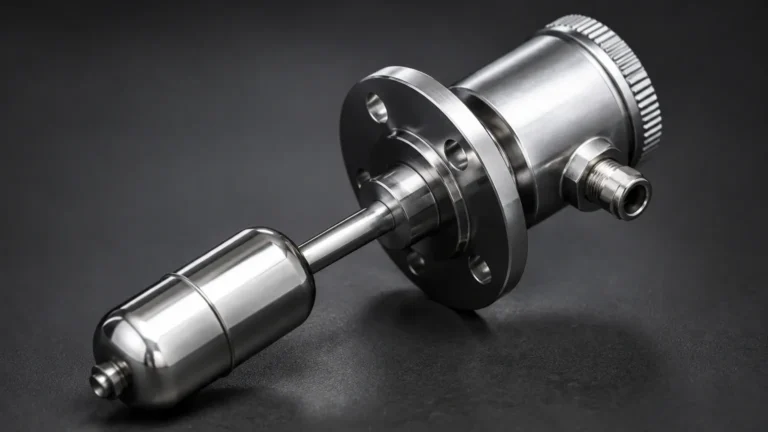
Level Sensor Genie
Level Sensor Genie
In the landscape of industrial automation, the term "level sensor genie" has come to represent the ideal of a seamless, intelligent monitoring solution that eliminates the complexities of tank management. For process engineers and facility managers, finding this "genie"—the perfect match between sensor technology and application requirements—is essential for ensuring operational safety, preventing overflows, and optimizing inventory. Whether managing volatile chemicals, wastewater, or dry solids, the selection of high-performance Level Switches and continuous transmitters forms the backbone of reliable process control.
Understanding Measurement Principles
Before selecting a level sensor genie for your facility, it is critical to understand the underlying physics of level detection. Industrial level measurement is generally divided into two categories: point-level detection and continuous-level measurement.
Point-Level Detection (Level Switches)
Point-level detection is used to identify when a material reaches a specific height in a vessel. These devices, known as level switches, act as triggers for alarms or pump controls. Common principles include:
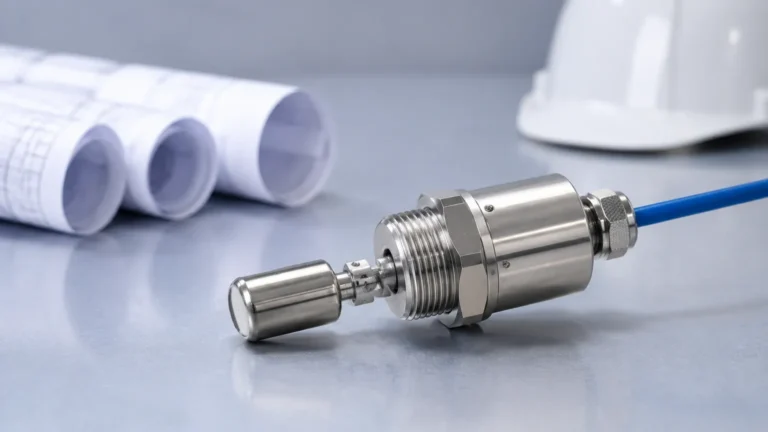
- Buoyancy: A float moves with the liquid level, mechanically or magnetically actuating a switch. This is a robust method for clean liquids.
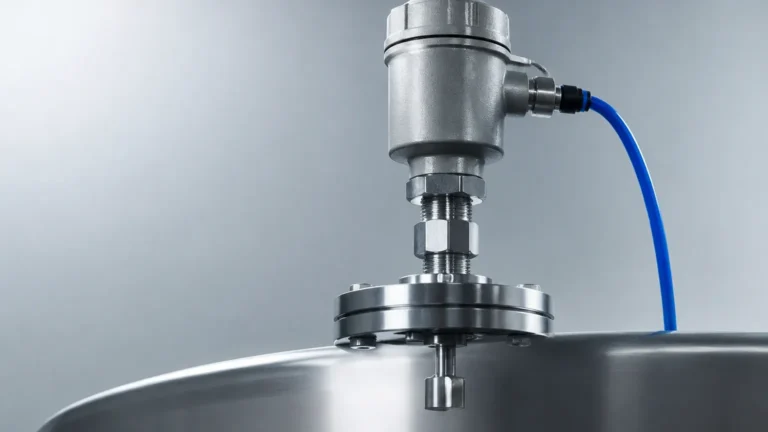
- Vibration (Tuning Fork): A fork vibrates at its natural frequency in the air. When submerged in liquid or solids, the frequency shifts, triggering the switch. This is highly effective for preventing overfills in viscous or aerated liquids.
- Conductivity: Uses the electrical conductivity of the liquid to complete a circuit between two electrodes. This is limited to conductive liquids like water or acids.
Continuous-Level Measurement
Continuous sensors provide a constant real-time output of the level throughout the entire range of the tank. The "level sensor genie" in this category often utilizes non-contact technologies:
- Ultrasonic: Emits high-frequency sound waves that reflect off the material surface. The time-of-flight determines the distance. It is cost-effective but sensitive to surface turbulence and temperature fluctuations.
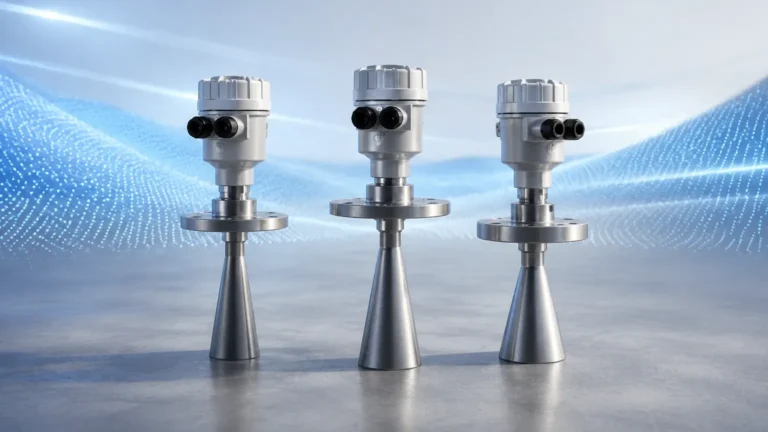
- Radar (ToF): Uses microwave pulses. Unlike ultrasonic waves, radar pulses are unaffected by vacuum, pressure, or dust, making them the gold standard for complex industrial environments.
Types of Level Switches and Their Industrial Applications
Choosing the right level sensor genie involves matching the mechanical design to the medium's characteristics. Below are the primary types of level switches used in modern B2B industrial environments.
1. Magnetic Float Level Switches
Magnetic float switches are favored for their simplicity and reliability. A permanent magnet within the float actuates a reed switch located inside the stem. These are widely used in water treatment and oil storage. However, they are not suitable for liquids containing magnetic particles or highly viscous fluids that might cause the float to stick.
2. Vibrating Level Switches
Often referred to as tuning fork sensors, these are the versatile workhorses of the chemical and food industries. Because they rely on frequency shifts rather than mechanical movement, they are less prone to wear. They can handle aerated liquids, slurries, and even some powders.
3. Hydrostatic Level Transmitters
While often used for continuous measurement, hydrostatic sensors can be configured for point-level alerts. They measure the pressure exerted by the liquid column. In deep wells or large reservoirs, a submersible hydrostatic sensor is often the most practical level sensor genie due to its ease of installation and high accuracy in deep water.
Selection Criteria for Level Monitoring Systems
To identify the optimal level sensor genie for a specific site, engineers must evaluate several environmental and physical factors. The following table provides a quick reference for common selection criteria.
| Technology | Medium Type | Temperature Range | Pressure Limit | Key Advantage |
| :— | :— | :— | :— | :— |
| Magnetic Float | Clean Liquids | -20°C to 150°C | Up to 40 bar | Low cost, no power required |
| Tuning Fork | Liquids/Solids | -40°C to 150°C | Up to 64 bar | Ignores foam and bubbles |
| Ultrasonic | Liquids/Slurries | -40°C to 80°C | Up to 3 bar | Non-contact, easy setup |
| Radar | All Mediums | -40°C to 250°C | Up to 100 bar | Extreme precision, non-contact |
| Hydrostatic | Water/Oil | -10°C to 80°C | N/A (Submersible) | Ideal for deep tanks/wells |
Installation Considerations for Reliable Performance
Even the most advanced level sensor genie will fail if installed incorrectly. Proper placement is the most significant factor in long-term reliability.
1. Avoid the Fill Stream: Never install a level switch or sensor directly in the path of the incoming material. The turbulence and force of the falling product will cause false readings and mechanical fatigue.
2. Dead Zones (Blanking Distance): Non-contact sensors like ultrasonic and radar have a "dead zone" near the face of the transducer where measurement is impossible. Ensure the sensor is mounted high enough that the maximum liquid level does not enter this zone.
3. Obstructions: Internal tank structures such as ladders, agitators, or heating coils can reflect signals. For ultrasonic and radar sensors, a clear line of sight is required, or "false echo suppression" software must be used to map out obstructions.
4. Nozzle Height: If mounting on a nozzle, the height and diameter of the nozzle must be within the manufacturer's specifications to prevent signal interference from the nozzle walls.
Operational Limitations and Environmental Factors
No single technology serves as a universal level sensor genie. Every method has physical boundaries that must be respected.
* Foam and Steam: Heavy foam can absorb ultrasonic waves, leading to signal loss. In such cases, radar or vibrating switches are preferred. Similarly, dense steam can affect the speed of sound, making ultrasonic sensors less accurate unless temperature compensation is used.
* Dielectric Constant: Radar sensors rely on the dielectric constant (εr) of the material. Materials with a very low dielectric constant (like some oils or liquefied gases) may reflect a weak signal, requiring specialized high-sensitivity radar antennas.
* Build-up and Coating: In applications involving wastewater or sticky chemicals, material can build up on the sensor. Vibrating forks have some resistance to coating, but conductive probes or mechanical floats may fail entirely.
Practical Maintenance Guidance
To maintain the "genie-like" performance of your level instruments, a routine maintenance schedule is recommended. For contact-based level switches, visual inspections for corrosion or scaling should be performed every six months. For non-contact sensors, checking the transducer face for condensation or dust build-up is usually sufficient. In high-vibration environments, ensure that cable glands and mounting bolts remain secure to prevent signal intermittent failures.
Frequently Asked Questions (FAQs)
Q: Can a level switch be used for continuous monitoring?
A: No, a standard level switch only provides a binary signal (on/off) at a specific point. For continuous tracking, you need a level transmitter (Radar, Ultrasonic, or Hydrostatic).
Q: What is the best sensor for a high-pressure chemical reactor?
A: Radar level meters or high-pressure magnetic level gauges are typically the best choices, as they can be hermetically sealed and are unaffected by the internal atmosphere of the reactor.
Q: How do I handle level measurement in a tank with an agitator?
A: If using non-contact sensors, mount the sensor away from the agitator blades and use software filtering to ignore the blades' movement. Alternatively, a bypass pipe (stilling well) can be installed to provide a calm surface for measurement.
Q: Is the level sensor genie compatible with IoT systems?
A: Most modern industrial level sensors offer 4-20mA HART, Modbus, or Profibus outputs, allowing them to integrate seamlessly with PLC systems and cloud-based monitoring platforms for remote inventory management.
By understanding these technical nuances, organizations can move beyond guesswork and implement a level sensor genie strategy that ensures accuracy, safety, and long-term cost savings in their industrial processes.