Level Switch Conductive Type
Level Switch Conductive Type
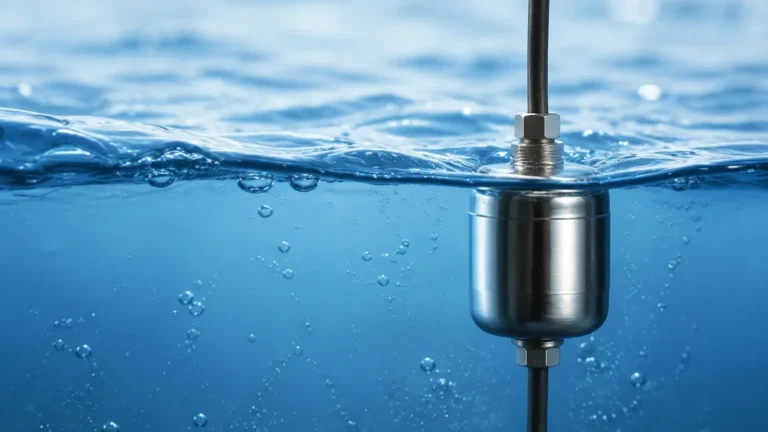
In the landscape of industrial automation, point level detection serves as a critical safeguard for process stability and equipment protection. Among the various technologies available, the level switch conductive type remains one of the most reliable and cost-effective solutions for monitoring conductive liquids. These devices are engineered to detect the presence or absence of a medium at a specific height, triggering alarms, controlling pumps, or interfacing with PLC systems to manage tank levels.
Conductive level switches are primarily utilized in applications involving water-based liquids, acids, alkalis, and other media with sufficient electrical conductivity. Because they lack moving parts, they offer a significant advantage over mechanical float switches in terms of longevity and maintenance requirements, particularly in turbulent or pressurized environments.
Measurement Principle of Conductive Level Switches
The operation of a level switch conductive type is based on the electrical conductivity of the process medium. The system typically consists of a set of electrodes (probes) and an electronic controller. The probes are suspended in the vessel or mounted through the tank wall at the desired detection points.
The Electrical Circuit
When the conductive liquid rises and makes contact with the electrode, it completes an electrical circuit between the probe and a reference point. This reference point can be a second electrode (the "common" probe) or the metallic wall of the tank itself, provided it is properly grounded.
AC Voltage and Electrolysis Prevention
To prevent the buildup of ions and the eventual degradation of the electrodes through electrolysis, high-quality Level Switches utilize a low-voltage AC signal rather than DC. The electronic controller monitors the resistance between the probes. When the liquid bridges the gap, the resistance drops significantly, allowing a small current to flow. The controller detects this change and toggles an output relay or transistor signal.
Sensitivity Adjustment
Different liquids possess varying levels of conductivity, measured in Microsiemens per centimeter (µS/cm). For instance, demineralized water has very low conductivity, while salt water or acids have high conductivity. Most conductive level controllers feature adjustable sensitivity settings, allowing engineers to calibrate the device to distinguish between the actual liquid level and residual foam or film buildup on the probes.
Key Components and Configurations
A standard conductive level system is comprised of three main elements: the probe assembly, the mounting connection, and the relay controller.
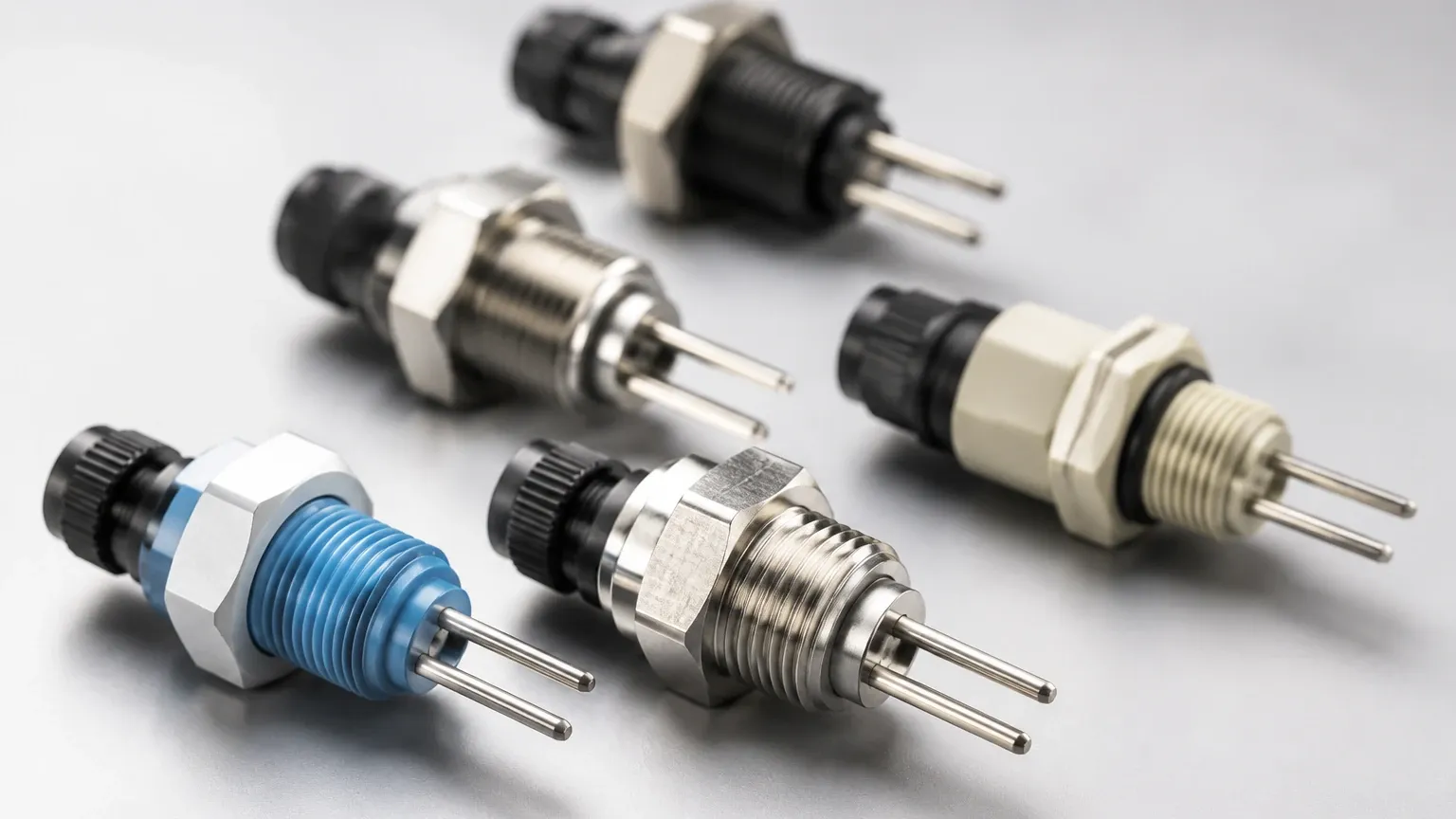
1. Electrodes (Probes): These are typically stainless steel (SS304 or SS316) rods, though specialized materials like Titanium or Hastelloy are used for highly corrosive environments. For deep tanks, wire-rope electrodes with weights may be used instead of rigid rods.
2. Insulators: To prevent short-circuiting at the mounting point, the electrodes are encased in insulating materials such as PTFE (Teflon) or PP (Polypropylene). This ensures the circuit is only completed when the liquid reaches the exposed tip of the probe.
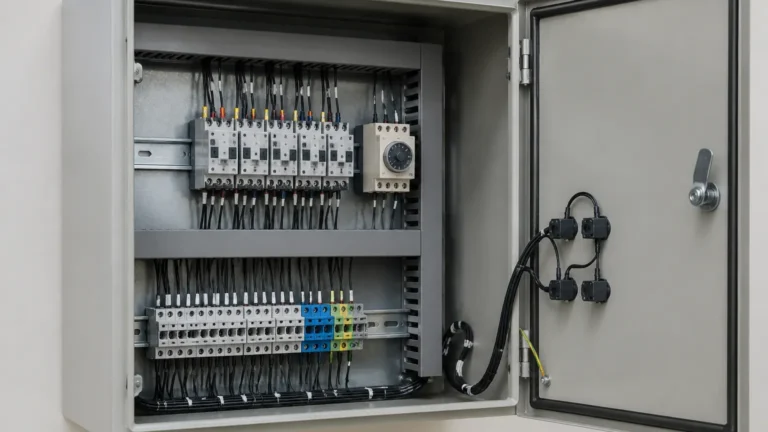
3. Controller: The controller is the "brain" of the system. It may be integrated into the sensor head (compact design) or mounted remotely in a control panel (remote design). Remote mounting is often preferred in high-temperature or high-vibration applications to protect the electronics.
Multi-Point Detection
One of the primary benefits of the level switch conductive type is the ability to monitor multiple levels with a single process connection. A single probe head can house up to five or more electrodes of different lengths, enabling the detection of high-high, high, low, and low-low levels, as well as providing a common reference probe.
Practical Selection Criteria
Selecting the correct level switch conductive type requires a thorough understanding of the process environment. Engineers should evaluate the following parameters before procurement:
Media Conductivity
The medium must have a minimum conductivity, typically greater than 5 to 10 µS/cm. While tap water and most industrial chemicals are suitable, non-conductive liquids like oils, hydrocarbons, and pure solvents cannot be detected using this technology.
Material Compatibility
The electrodes and insulators must be chemically resistant to the process medium. Stainless steel 316L is the standard for water and mild chemicals, while PTFE-coated probes are necessary for aggressive acids.
Process Conditions
* Temperature: Standard probes can handle up to 100°C, but high-temperature versions with specialized ceramic insulators can operate in much hotter environments.
* Pressure: The mounting connection (threaded or flanged) must be rated for the vessel's maximum operating pressure, typically ranging from atmospheric to 20 bar (approx. 290 psi).
Selection Table: Conductive vs. Alternative Technologies
| Feature | Conductive Level Switch | Tuning Fork Switch | Float Switch |
| :— | :— | :— | :— |
| Moving Parts | None | None | Yes (Mechanical) |
| Media Type | Conductive Liquids | Liquids & Solids | Liquids only |
| Viscosity Limit | Low to Medium | High | Low |
| Coating Resistance | Moderate (Adjustable) | High | Low |
| Multi-point Support | Yes (Up to 5+ points) | No (Single point) | Possible (Limited) |
| Cost | Low | Medium to High | Low |
Installation and Engineering Considerations
Proper installation is paramount to ensuring the long-term reliability of a level switch conductive type. Failure to follow engineering best practices can lead to false triggers or system failure.
Positioning and Turbulence
Probes should be installed away from tank inlets where splashing or turbulence might cause intermittent contact. If turbulence is unavoidable, a stilling well (a perforated pipe surrounding the probes) should be used to provide a calm surface for measurement.
Grounding and the Common Electrode
In non-metallic tanks (plastic, fiberglass, or lined steel), a "common" electrode must be installed. This electrode must be longer than the lowest detection probe to ensure a constant return path for the electrical signal. In metallic tanks, the tank wall serves as the common, provided there is a low-resistance electrical path to the controller.
Probe Trimming
Rigid rod electrodes are often supplied in standard lengths (e.g., 1000 mm). These can usually be trimmed to the exact required length during installation. However, care must be taken to ensure that the insulation is stripped back correctly at the tip (typically 10-20 mm) to allow for contact with the liquid.
Avoiding False Triggers from Build-up
In applications involving sticky or viscous conductive liquids, a film may form across the insulators, creating a conductive path even when the liquid level has dropped. To mitigate this, engineers should:
* Select probes with extended insulation sleeves.
* Install the probes vertically rather than horizontally to encourage drainage.
* Adjust the controller sensitivity to a lower threshold so that the thin film of residue does not trigger the relay.
Limitations and Risks
While the conductive type level switch is highly versatile, it is not a universal solution. Understanding its limitations prevents misapplication in the field.
* Non-Conductive Media: As previously mentioned, this technology is entirely ineffective for oils, diesel, or ultra-pure water. In these cases, capacitive or ultrasonic switches are preferred.
* Insulating Build-up: If the medium contains non-conductive solids (like waxes or oils) that coat the electrodes, the probes may become insulated from the liquid, preventing the circuit from completing even when submerged.
* Electrode Corrosion: Over time, even stainless steel can succumb to aggressive chemicals. Regular inspection of the probe tips is necessary to ensure electrical integrity.
* Vessel Geometry: In very narrow pipes or small vessels, the proximity of the probe to the wall can cause capacitive coupling or accidental contact, leading to false signals.
Applications in Industry
The level switch conductive type is a staple in several key sectors due to its simplicity and reliability:
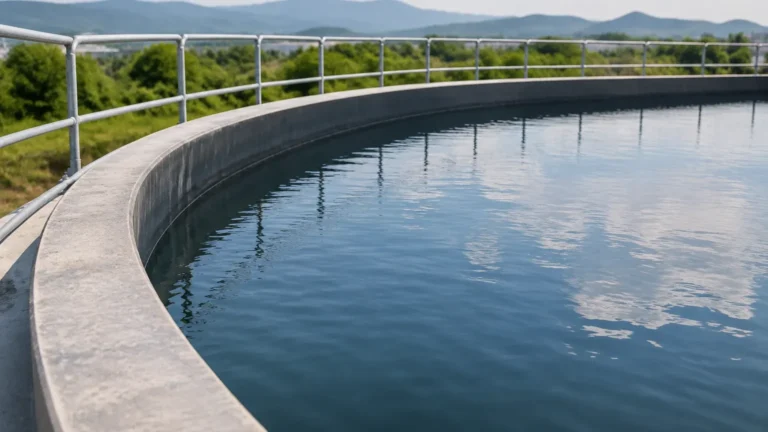
1. Water and Wastewater Treatment: Monitoring levels in sumps, storage tanks, and dosing stations. It is frequently used for pump control (start/stop) to prevent dry running or overflows.
2. Chemical Processing: Detecting levels of acids and bases in mixing tanks. The multi-point capability allows for complex sequence control within a single vessel.
3. Food and Beverage: Used in CIP (Clean-In-Place) systems and storage of conductive ingredients like juices or brine solutions.
4. Boiler Control: Conductive probes are often used as low-water cut-offs in steam boilers, though these applications require high-pressure and high-temperature rated assemblies.
Frequently Asked Questions (FAQ)
Q: How do I test if my liquid is compatible with a conductive level switch?
A: You can measure the conductivity of the liquid using a handheld conductivity meter. If the reading is above 10 µS/cm, a conductive switch will typically function. Most water-based solutions meet this requirement.
Q: Can I use a conductive level switch for solids?
A: Generally, no. While some moist or metallic solids are conductive, the contact resistance is often too high and inconsistent for reliable detection. Tuning fork or vibration switches are better suited for bulk solids.
Q: What is the maximum length for the probe rods?
A: For rigid rods, the practical limit is usually around 3 meters (approx. 10 feet) due to the risk of bending or swaying. For deeper vessels, wire-rope electrodes with weights are used, which can extend up to 20 meters or more.
Q: Is the voltage on the probes dangerous?
A: No. Industrial conductive level controllers typically use a very low voltage (usually less than 12V AC) and extremely low current, making the probes safe to touch and preventing significant electrical hazards in the tank.
Q: How often should electrodes be cleaned?
A: The maintenance interval depends entirely on the medium. In clean water applications, electrodes may last years without attention. In wastewater or scaling environments, a quarterly inspection and cleaning with a wire brush or abrasive cloth may be required to remove buildup.
By following these technical guidelines and understanding the fundamental physics of the level switch conductive type, engineers can implement a robust level control strategy that minimizes downtime and maximizes process efficiency.