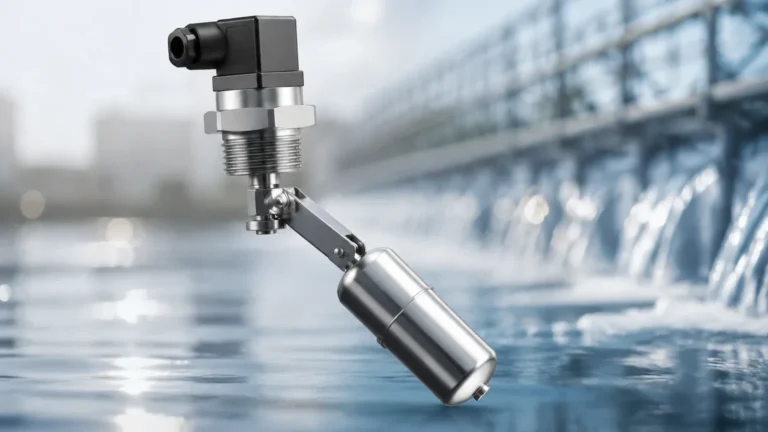
Cleverlevel Level Switch (frequency Sweep)
Cleverlevel Level Switch (frequency Sweep)
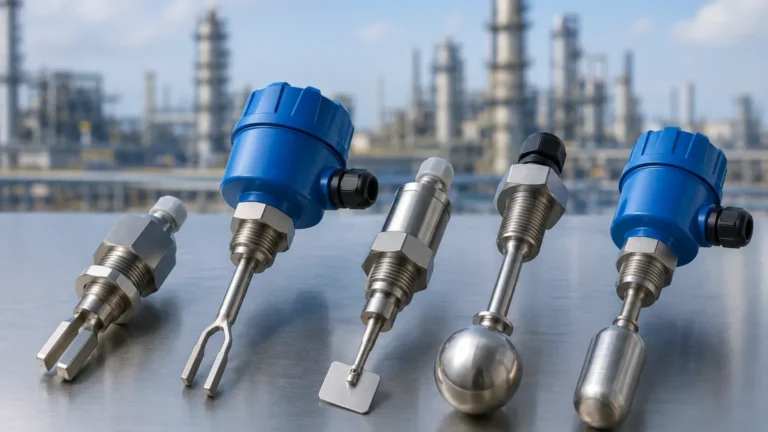
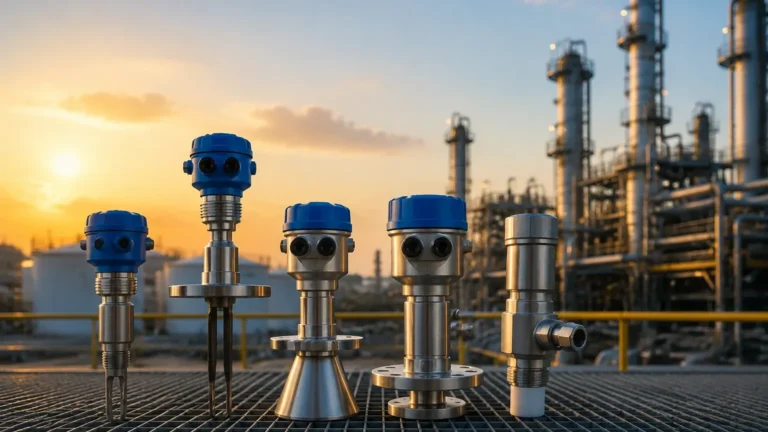
In the landscape of industrial process automation, point level detection serves as a critical safeguard for preventing tank overflows, protecting pumps from dry running, and ensuring the precise filling of vessels. While traditional technologies such as vibrating forks, float switches, and standard capacitive sensors have long been the industry standard, they often encounter significant operational hurdles when faced with viscous media, heavy foam, or sticky residues. The cleverlevel level switch (frequency sweep) represents a sophisticated evolution in sensing technology, designed specifically to overcome these challenges through advanced electromagnetic analysis.
As a professional manufacturer of industrial level measurement instruments, Welk provides high-performance solutions across the chemical, water treatment, and food processing sectors. Understanding the underlying physics of frequency sweep technology is essential for engineers and plant managers tasked with selecting the most reliable Level Switches for complex process environments.
The Principle of Frequency Sweep Measurement
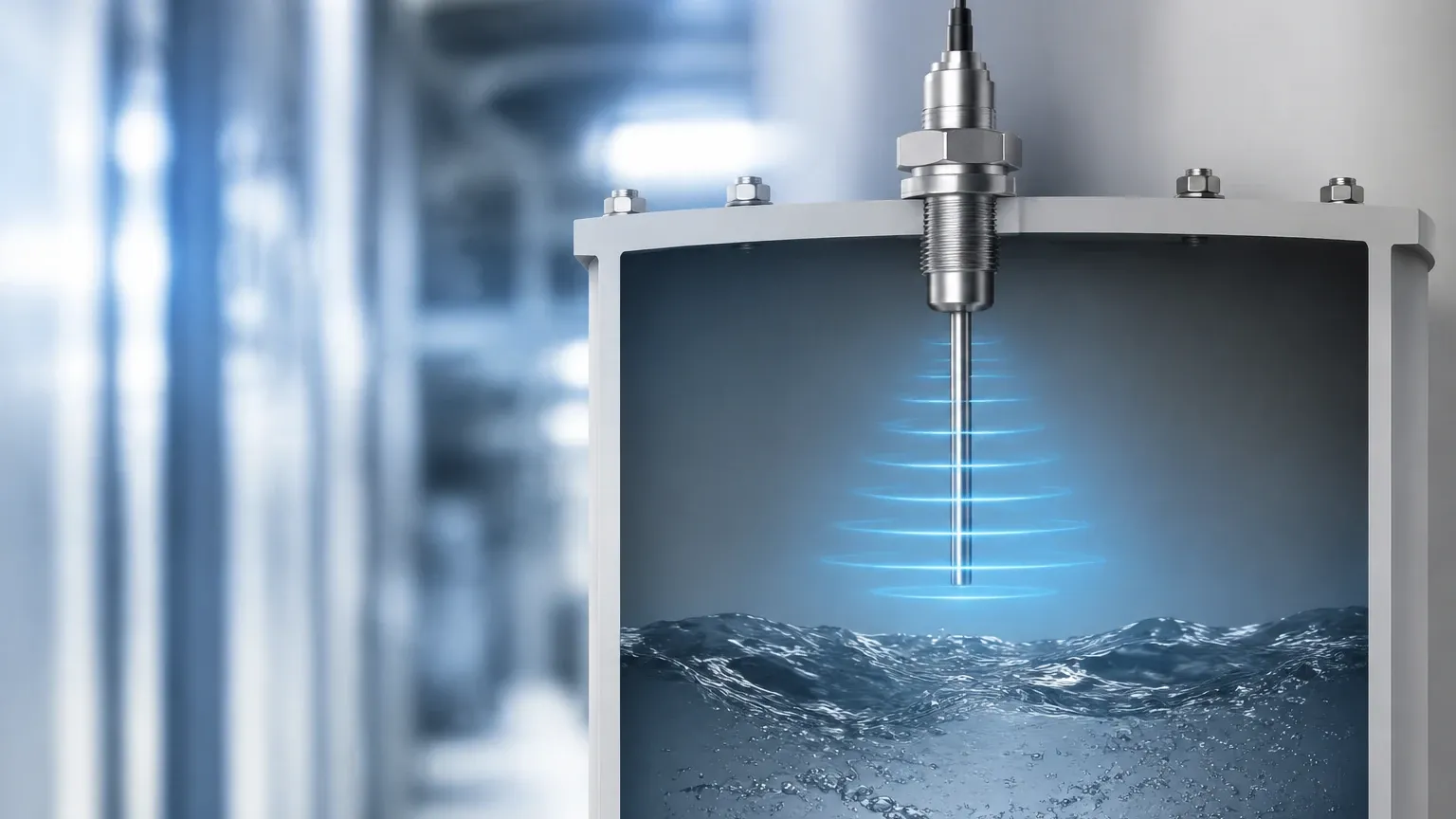
Frequency sweep technology, often categorized under the broader umbrella of impedance spectroscopy or frequency domain reflectometry, operates by emitting a high-frequency electromagnetic signal into the medium surrounding the sensor tip. Unlike traditional capacitive sensors that measure a single frequency to determine the dielectric constant, a cleverlevel level switch (frequency sweep) scans a broad range of frequencies.
How the Signal Interacts with Media
The sensor tip acts as a capacitor in an oscillating circuit. When the tip is immersed in a medium, the dielectric properties of that substance alter the resonant frequency and the phase shift of the signal. Every material—whether it is water, oil, chocolate, or plastic granules—possesses a unique dielectric constant ($\\varepsilon_r$).
1. Signal Emission: The sensor emits a signal that sweeps through a predefined frequency spectrum (typically in the MHz to GHz range).
2. Phase Shift Detection: The electronics within the sensor measure the change in the phase angle between the emitted and reflected signal.
3. Dielectric Analysis: By analyzing how the signal behaves across multiple frequencies, the sensor can distinguish between the actual bulk medium and a thin layer of residue or foam adhering to the sensor tip.
This "windowing" capability allows the device to be programmed or "taught" to trigger only when a specific dielectric threshold is met, effectively ignoring the parasitic capacitance caused by buildup.
Comparison with Traditional Level Detection Methods
To appreciate the utility of the cleverlevel level switch (frequency sweep), it is helpful to compare it against more conventional point level technologies used in industrial automation.
| Technology | Operating Principle | Best For | Major Limitation |
| :— | :— | :— | :— |
| Frequency Sweep | Electromagnetic phase shift across a spectrum | Viscous liquids, foam, sticky media, solids | Higher initial cost than basic floats |
| Vibrating Fork | Mechanical resonance frequency change | Clean liquids, non-coating media | Prone to clogging in viscous or fibrous media |
| Capacitive | Change in capacitance at a fixed frequency | General purpose, non-conductive liquids | Highly sensitive to buildup and coating |
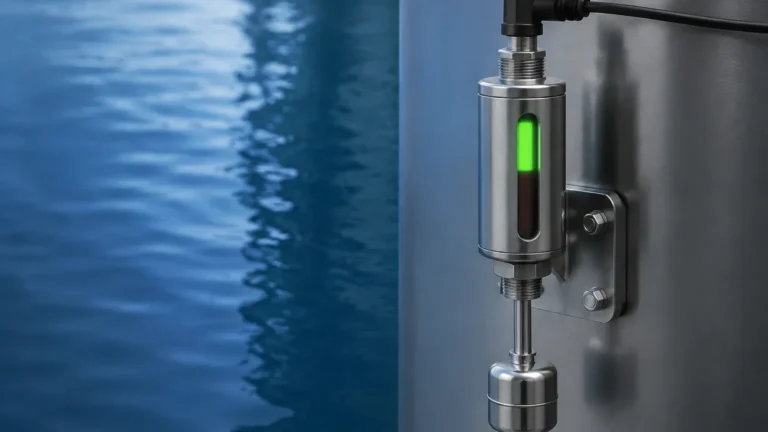
| Float Switch | Mechanical buoyancy | Water and low-viscosity oils | Moving parts are prone to wear and jamming |
| Ultrasonic Switch | Sound wave attenuation | Non-contact requirements | Affected by heavy steam, foam, and pressure |
Frequency sweep sensors are particularly valued because they lack moving parts, reducing mechanical wear, and their flush-mounted designs minimize flow resistance and cleaning difficulties in hygienic applications.
Key Features and Advantages
The adoption of frequency sweep technology in modern processing plants is driven by several distinct technical advantages:
1. Buildup Suppression
One of the most significant failure points for level switches in the food and chemical industries is the accumulation of sticky substances (e.g., honey, glues, or resins) on the sensor. A standard capacitive sensor would see this buildup as a "full" state even when the tank is empty. The frequency sweep method identifies the difference in the dielectric signature between a thin film of residue and the bulk volume of the product, ensuring the switch returns to its "off" state correctly.
2. Foam Immunity
In fermentation or detergent mixing tanks, foam can create false positives for many level sensors. Frequency sweep sensors can be adjusted to ignore light foam and only trigger when the liquid phase reaches the sensor tip, providing a more accurate representation of the actual volume.
3. Media Differentiation
Because the sensor analyzes the dielectric properties, it can be used to detect the interface between two different liquids, such as oil and water. This makes it an invaluable tool for separation processes where identifying the boundary layer is critical for quality control.
4. Hygienic Design
Most cleverlevel level switch (frequency sweep) models feature a smooth, stainless steel housing (often 316L) and a PEEK (Polyether ether ketone) sensor tip. These materials are resistant to aggressive Cleaning-in-Place (CIP) and Sterilization-in-Place (SIP) cycles, making them compliant with 3-A and EHEDG standards.
Selection Criteria for Frequency Sweep Sensors
When specifying a frequency sweep level switch for a project, engineers should evaluate the following parameters to ensure long-term reliability:
* Dielectric Constant Range: Ensure the sensor is capable of detecting the specific $\\varepsilon_r$ of your media. Most frequency sweep switches handle a range from $\\varepsilon_r > 1.5$ to 100.
* Process Temperature: Standard models typically operate up to 115°C, but high-temperature versions are available for applications reaching 200°C.
* Pressure Rating: Check the maximum process pressure. Many industrial units are rated for up to 40 bar (approx. 580 psi).
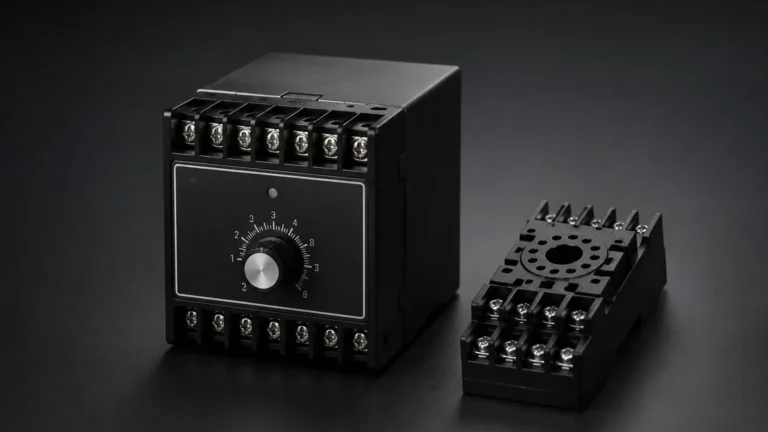
* Output Signal: Determine if the system requires PNP/NPN digital outputs, IO-Link for digital integration, or a standard 4-20 mA analog signal for diagnostic purposes.
* Fitting Type: Common process connections include G 1/2 threads, hygienic clamps (Triclamp), or weld-in sleeves.
Installation Considerations and Best Practices
Proper installation is paramount to the performance of any level switch. For frequency sweep devices, follow these engineering guidelines:
Positioning
The sensor should be installed at a point where the medium is representative of the tank level. Avoid areas near high-turbulence inlets or agitator blades. If installed in a pipe, ensure the sensor tip is oriented in a way that prevents air pockets from being trapped around the sensing element.
Tank Wall Interference
While frequency sweep sensors are less sensitive to tank walls than standard capacitive probes, a minimum clearance should still be maintained. For non-metallic tanks, the sensor may require a grounding reference to function correctly.
Mounting Torque
Over-tightening the sensor into a threaded boss can damage the PEEK tip or the internal electronics. Always adhere to the manufacturer's specified torque settings (usually between 15 and 25 Nm for G 1/2 fittings).
Limitations and Constraints
While highly versatile, frequency sweep technology is not a universal solution for every application:
* Extremely Low Dielectric Media: Materials with a dielectric constant below 1.5 (such as certain liquefied gases or highly refined oils) may not provide enough of a phase shift for the sensor to detect reliably.
* Large Granulates: In silos containing very large, dry solids (e.g., large rocks or coarse wood chips), the air gaps between the solids can lower the effective dielectric constant at the sensor tip, potentially leading to inconsistent switching.
* Cost: Compared to a simple mechanical float switch, the frequency sweep sensor is a more significant investment, though this is often offset by reduced maintenance and downtime.
Frequently Asked Questions (FAQ)
Q: Can a frequency sweep level switch be used for both liquids and solids?
A: Yes. It is highly effective for liquids, pastes, and fine-grained solids (like flour or plastic pellets) because it measures the dielectric property rather than mechanical resistance.
Q: Does the sensor require calibration for every new medium?
A: Many modern sensors come with factory presets for common media. However, for specialized substances or to optimize buildup suppression, a simple "teach-in" process (often via a magnetic trigger or IO-Link) is recommended.
Q: Is the sensor affected by the conductivity of the liquid?
A: Frequency sweep technology is largely independent of conductivity. It focuses on the permittivity (dielectric constant) of the material, making it more stable in varying chemical concentrations than conductive probes.
Q: Can these sensors detect the level through a plastic tank wall?
A: Generally, no. Frequency sweep switches are designed for direct contact with the media. For non-contact detection through a wall, ultrasonic or radar technologies are usually preferred.
Conclusion
The cleverlevel level switch (frequency sweep) has become an indispensable tool in modern process engineering, offering a robust alternative to sensors that struggle with coating, foam, and high-viscosity fluids. By leveraging the dielectric signature of the media across a frequency spectrum, these devices provide a level of reliability that directly translates to improved plant safety and efficiency.
For those seeking to upgrade their current monitoring systems or integrate new detection points into an automated workflow, exploring a range of industrial Level Switches is the first step toward a more resilient process. Whether your application involves wastewater treatment, chemical processing, or food production, selecting the right technology—backed by sound measurement principles—ensures accurate data and long-term operational success.
Download Cleverlevel Level Switch (frequency Sweep) as a PDF