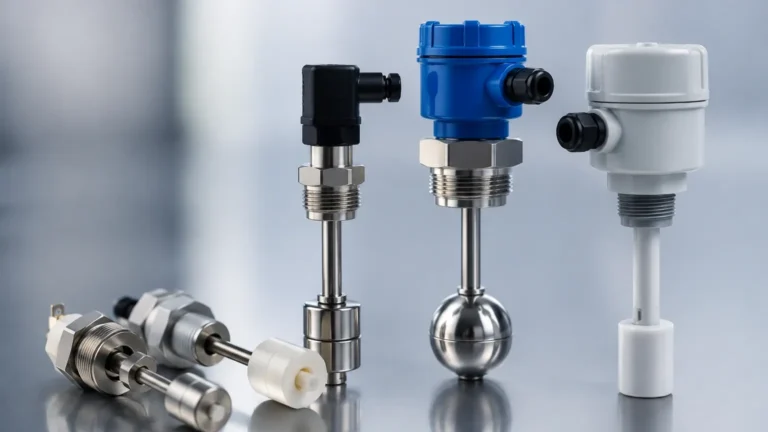
Cisco Entry Level Switches
Cisco Entry Level Switches
In the landscape of industrial automation and process control, the reliability of data begins at the field level with robust sensors and extends through the networking infrastructure that carries those signals to the control room. For facilities managing liquid storage, chemical processing, or water treatment, the integration of point-level detection devices with reliable networking hardware is critical. While the primary focus of process engineering is often the accuracy of Level Switches, the choice of communication hardware, such as cisco entry level switches, plays a pivotal role in ensuring that these critical alerts reach the Programmable Logic Controller (PLC) or SCADA system without latency or failure.
This article explores the technical principles of level detection, the selection criteria for both sensors and networking components, and the practical considerations for integrating field devices into an industrial Ethernet framework.
The Intersection of Level Detection and Industrial Networking
Point-level measurement is a fundamental requirement in industrial safety and inventory management. Unlike continuous level transmitters that provide a constant stream of data, a level switch is designed to trigger a discrete output—typically a relay or a digital signal—when a specific level is reached. This is often used for high-level alarms to prevent overfills or low-level alarms to protect pumps from running dry.
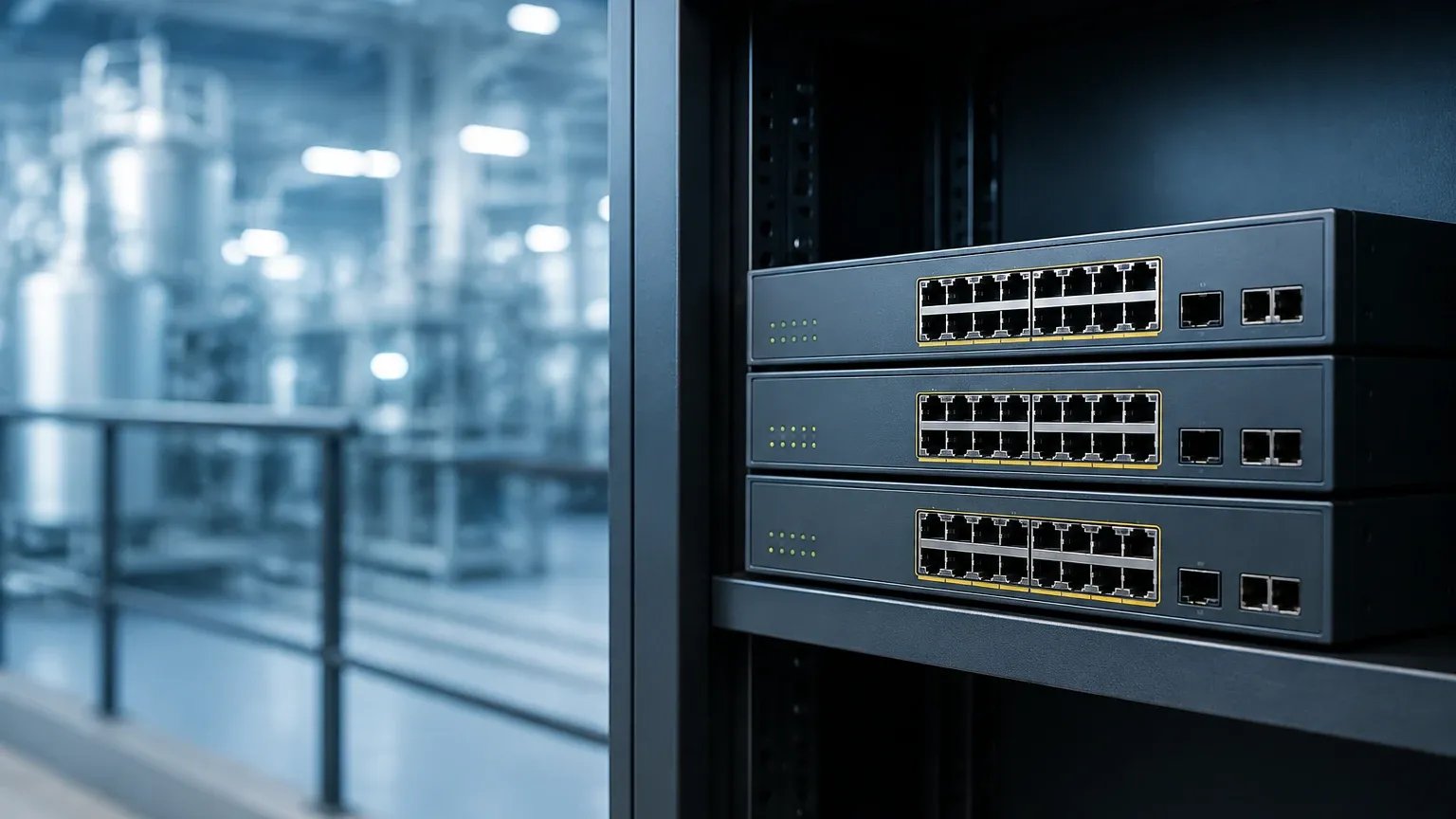
In modern "Industry 4.0" environments, these discrete signals are rarely wired directly to a local light or buzzer. Instead, they are aggregated into remote I/O modules or networked sensors. This is where cisco entry level switches become relevant. These switches provide the necessary port density and ruggedized connectivity to link multiple field devices across a facility. By using entry-level industrial switches, engineers can create a scalable network that supports both current level detection needs and future expansions in sensor density.
Core Measurement Principles for Level Switches
Before selecting a networking strategy, it is essential to understand the physical principles of the sensors being deployed. Different media and environmental conditions require specific measurement technologies.
1. Vibrating Tuning Fork Principle
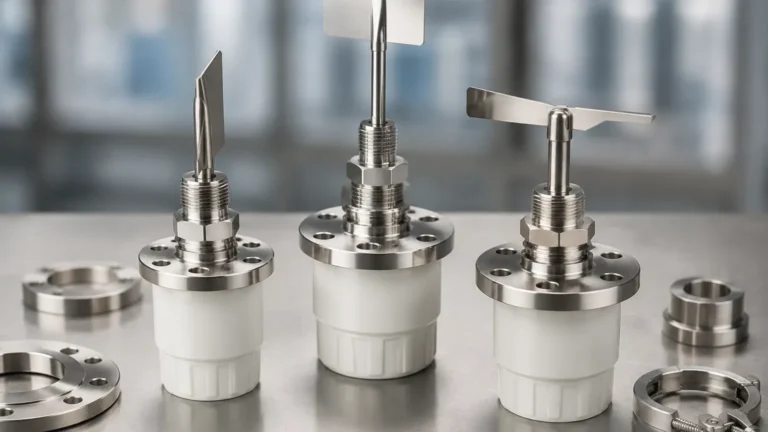
The vibrating level switch utilizes a tuning fork-shaped probe that is energized by a piezoelectric crystal, causing it to vibrate at its natural resonance frequency in the air. When the probe is submerged in a liquid or solid, the frequency changes or the vibration is dampened. This change is detected by the internal electronics and converted into a switching signal. These are highly reliable for liquids and granulates and are unaffected by flow, turbulence, or bubbles.
2. Float and Magnetic Level Switches
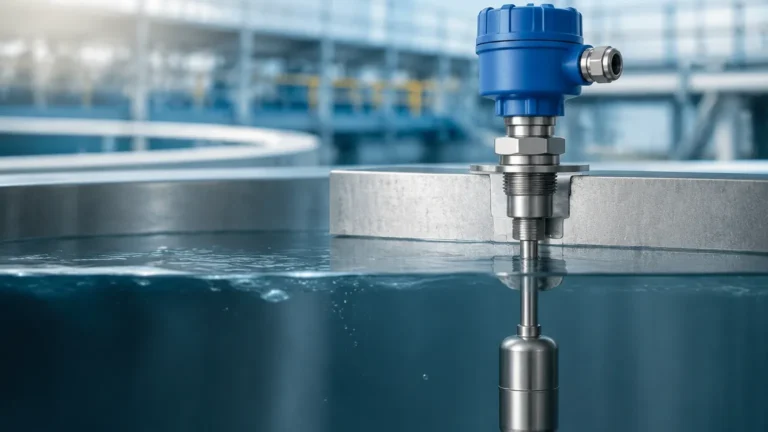
Float-based switches operate on the principle of buoyancy. A float containing a permanent magnet moves along a guide tube as the liquid level rises or falls. Inside the tube, a hermetically sealed reed switch is positioned. When the magnet aligns with the reed switch, the circuit closes (or opens). This technology is simple, cost-effective, and requires no external power to operate the sensing element itself, making it ideal for basic water and oil tank applications.
3. Capacitive Level Switches
Capacitive sensors treat the probe and the tank wall (or a second probe) as two plates of a capacitor. The medium acts as the dielectric. As the level rises and covers the probe, the capacitance increases because the dielectric constant of most liquids is significantly higher than that of air. This technology is versatile but requires calibration to the specific dielectric properties of the medium and can be sensitive to material buildup on the probe.
Evaluating Cisco Entry Level Switches for Sensor Integration
When integrating these sensors into a broader system, the networking layer must be industrial-grade. Cisco entry level switches, particularly those in the Industrial Ethernet (IE) or Catalyst series, are designed to bridge the gap between the rugged field environment and the enterprise network.
Key Features for Industrial Use
* Environmental Hardening: Unlike standard office switches, industrial entry-level models are often DIN-rail mountable and rated for wide temperature ranges (e.g., -40°C to +70°C).
* Power over Ethernet (PoE): Many modern level sensors, especially those with integrated communication modules, can be powered directly via the Ethernet cable, simplifying wiring.
* VLAN Support: For security and performance, it is common practice to segment sensor data from general network traffic using Virtual Local Area Networks (VLANs).
For small to medium-scale deployments, utilizing cisco entry level switches allows for a managed network environment without the complexity or cost of high-end core switches. This ensures that a high-level alarm from a chemical tank is prioritized and delivered to the safety system with high availability.
Practical Selection Table for Level Measurement Technologies
Choosing the right technology depends on the physical properties of the substance being measured. The following table provides a general comparison of common point-level technologies.
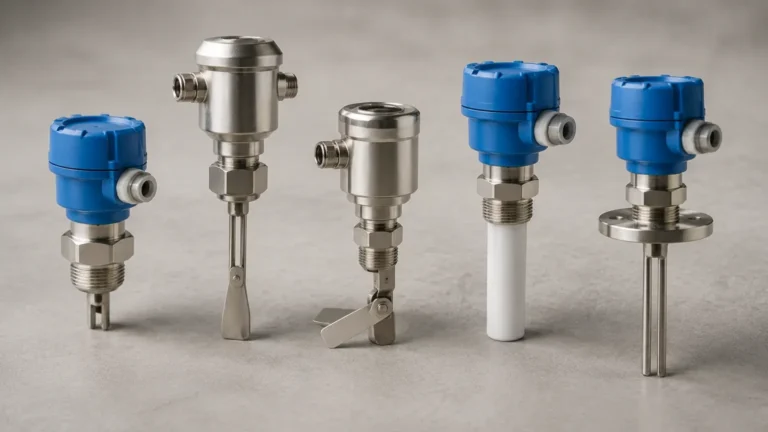
| Technology | Suitable Media | Temperature Range | Pressure Range | Advantages |
| :— | :— | :— | :— | :— |
| Vibrating Fork | Liquids, Powders | -50°C to +150°C | Up to 40 bar | No calibration, foam resistant |
| Float Switch | Clean Liquids | -20°C to +120°C | Up to 20 bar | Simple, no power needed for sensor |
| Capacitive | Liquids, Solids | -40°C to +200°C | Up to 25 bar | No moving parts, handles high temp |
| Ultrasonic Switch | Non-foaming Liquids | -40°C to +80°C | Up to 3 bar | Non-contact options available |
Installation Considerations and Wiring Best Practices
Proper installation is as critical as device selection. Even the most advanced Level Switches will fail if environmental factors are ignored.
1. Mounting Position: Avoid installing switches directly in the path of the filling stream. This can cause false triggers or physical damage to the probe. If top-mounting a float switch, ensure the guide rod is vertical within ±5 degrees.
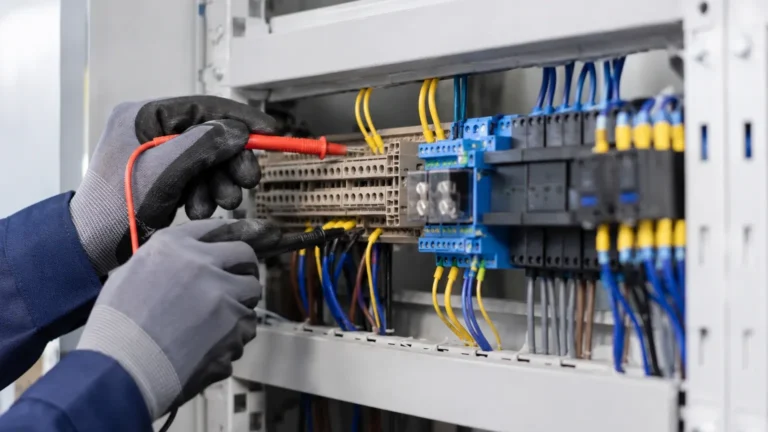
2. Cable Shielding: In industrial environments, Electromagnetic Interference (EMI) from large motors or VFDs can corrupt digital signals. Use shielded twisted pair (STP) cabling when connecting sensors to cisco entry level switches to maintain signal integrity.
3. Sealing and Ingress Protection: Ensure that all cable glands are tightened to maintain the IP65, IP67, or IP68 rating of the sensor housing. Moisture ingress is the leading cause of premature failure in level switches.
4. Dead Zones: Be aware of the "dead zone" or switching differential. This is the distance between the point where the switch activates and the point where it resets. This must be accounted for in the control logic to prevent rapid cycling (chattering) of pumps.
Addressing Common Risks in Point-Level Monitoring
Engineers must account for several risks when designing a level monitoring system:
* Material Buildup: In applications involving viscous liquids or sticky solids (like wastewater or slurries), material can coat the sensor. Vibrating forks and capacitive probes are particularly susceptible. Selecting a sensor with a "coat-rejection" feature or a self-cleaning design is necessary in these cases.
* Turbulence and Foam: Mechanical floats and ultrasonic switches may struggle in turbulent tanks. In such environments, a stilling well (a pipe that surrounds the sensor to dampen surface movement) is recommended.
* Network Latency: While cisco entry level switches are highly efficient, improper network configuration can lead to packet loss. In safety-critical applications, ensure that the network utilizes a ring topology or a redundancy protocol like MRP (Media Redundancy Protocol) to ensure the signal reaches the controller even if a cable is damaged.
Frequently Asked Questions
Q: Can I use a level switch for continuous level monitoring?
A: No. A level switch only detects if the material has reached a specific point. For continuous measurement (e.g., 0% to 100% volume), you should use a radar level meter or a hydrostatic pressure transmitter.
Q: Why choose an industrial entry-level switch over a commercial one?
A: Commercial switches are designed for climate-controlled offices. Industrial-grade cisco entry level switches offer vibration resistance, fanless cooling, and DC power inputs (typically 24V DC), which are standard in industrial control panels.
Q: How do I test if my level switch is working?
A: Most modern electronic switches, such as vibrating forks, have a test magnet or a local LED indicator. For float switches, you can manually move the float (if the tank is empty) and check for continuity across the terminals using a multimeter.
Q: What is the benefit of a managed switch for simple sensors?
A: Managed switches provide diagnostics. If a cable to a level switch is severed or a port fails, the managed switch can send an SNMP trap or an email alert to maintenance personnel, whereas an unmanaged switch would simply stop working without notification.
Conclusion
Successful level management requires a holistic approach that combines precise field instrumentation with reliable data transmission. By understanding the measurement principles of various Level Switches and ensuring they are supported by a robust network of cisco entry level switches, industrial operators can achieve higher levels of safety, efficiency, and uptime. Whether managing a single water tank or a complex chemical processing plant, the synergy between sensing and switching is the foundation of effective process automation.