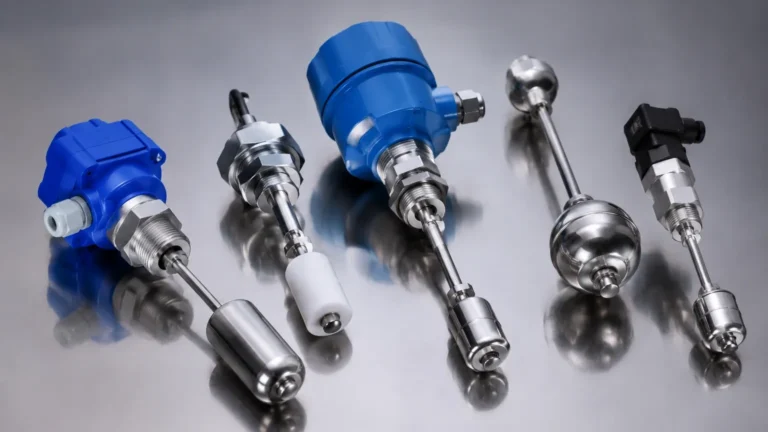
Honeywell Level Switches
Honeywell Level Switches
In the landscape of industrial automation and process control, point level detection serves as a fundamental safety and operational requirement. Honeywell level switches, particularly their optoelectronic and basic sensing lines, represent a significant segment of the market for liquid level detection. These devices are engineered to provide reliable signals when a liquid reaches a specific height in a tank, pipe, or container, preventing dry-run conditions for pumps or hazardous overfill scenarios.
Understanding the technical specifications and the physical principles behind these instruments is essential for process engineers and maintenance professionals. This guide examines the operational mechanisms of Honeywell level switches, selection criteria for various industrial environments, and how they compare to broader industrial Level Switches used in heavy processing industries.
Principles of Point Level Measurement
Before selecting a specific sensor, it is critical to understand the physics governing the measurement. Honeywell primarily utilizes optoelectronic technology for its liquid level sensing line, though the broader industry employs several different methods depending on the media characteristics.
Optoelectronic (Optical) Principle
Most Honeywell liquid level sensors (such as the LLE and LLN series) operate on the principle of total internal reflection. The sensor consists of an infrared LED and a phototransistor housed within a plastic or metal casing with a transparent hemispherical or conical tip (prism).
1. Dry State: When the sensor tip is surrounded by air or gas, the infrared light emitted by the LED is reflected internally within the prism and directed back to the phototransistor. This completes the circuit and indicates a "dry" state.
2. Wet State: When the sensor tip is submerged in a liquid, the refractive index at the prism-to-medium interface changes. Instead of reflecting back, the infrared light escapes into the liquid. The phototransistor detects a loss of light intensity, triggering a change in the output signal to indicate a "wet" state.
This method is highly effective because it has no moving parts, making it resistant to mechanical wear. However, it relies on the optical properties of the fluid and the cleanliness of the sensor tip.
Vibrating Tuning Fork Principle
While Honeywell focuses heavily on optical and basic mechanical switches, many industrial applications utilize the tuning fork principle. A piezoelectric crystal excites a metal fork to vibrate at its natural resonance frequency in air. When the fork is immersed in a liquid, the frequency shifts due to the increased density of the surrounding medium. This frequency shift is detected by the electronics and converted into a switching signal. This method is particularly robust against bubbles, turbulence, and suspended solids.
Float and Magnetic Principles
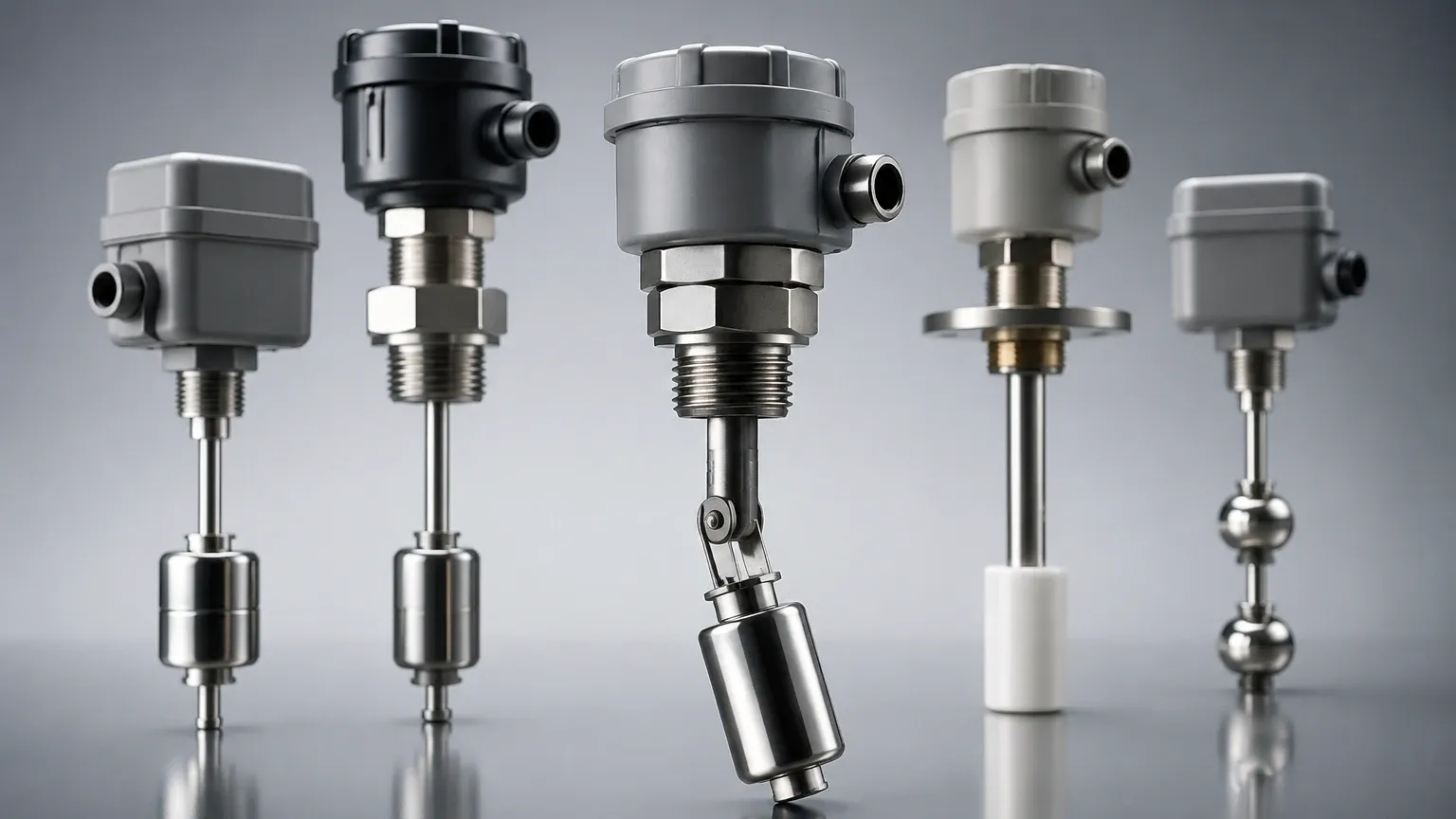
Mechanical float switches remain a staple for simple water treatment and oil-water separation. A float containing a magnet moves along a stem as the liquid level rises or falls. When the magnet reaches a reed switch embedded in the stem, the circuit opens or closes. While simple, these are prone to mechanical failure if the media contains debris that can jam the float.
Honeywell Level Switch Series Overview
Honeywell’s portfolio is often categorized by the environment in which the sensor must operate. Their designs typically prioritize compact footprints and integration into OEM (Original Equipment Manufacturer) equipment.
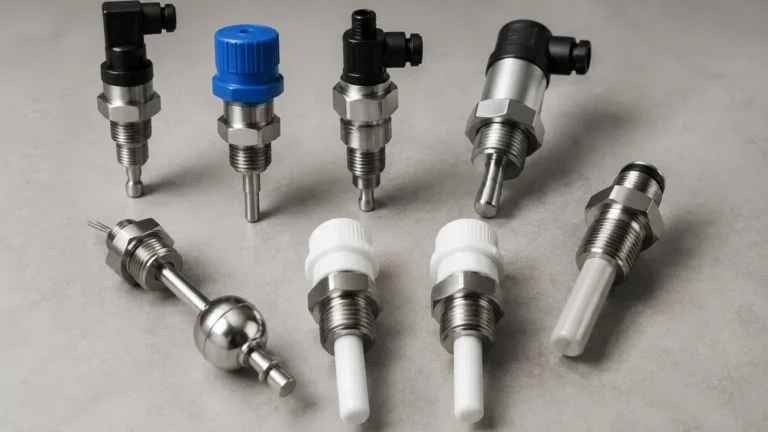
LLE Series (Polysulfone Housing)
These are miniature sensors designed for commercial and industrial applications where space is limited. They are commonly used in home appliances, vending machines, and medical equipment. The polysulfone (PSU) housing provides good chemical resistance to many common fluids but has limitations regarding high temperatures and aggressive solvents.
LLN Series (Metal Housing)
For more demanding environments, the LLN series utilizes stainless steel housings. These are designed for industrial use where the sensor may be exposed to higher pressures (up to 25 bar / 362 psi) and more rugged handling. They often feature higher ingress protection (IP) ratings, such as IP67, making them suitable for wash-down environments.
Basic and Hazardous Area Switches
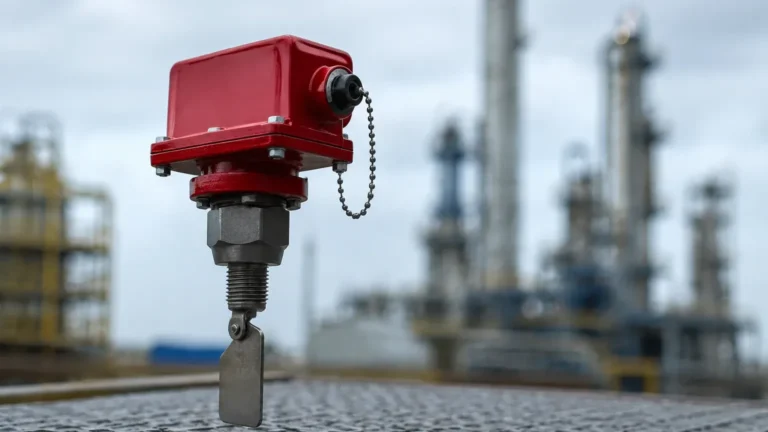
Honeywell also manufactures heavy-duty limit switches that can be actuated by mechanical level mechanisms (like a lever arm attached to a float). These are frequently used in oil and gas applications where explosion-proof certifications (ATEX/IECEx) are mandatory.
Technical Selection Criteria
Choosing the correct level switch requires an evaluation of the process media and the physical environment. Engineers should consult the following parameters before procurement:
1. Media Compatibility
The chemical composition of the liquid determines the housing material. Polysulfone is suitable for water, acids, and some oils, but it can crack when exposed to certain hydrocarbons or esters. For aggressive chemicals, stainless steel or specialized fluoropolymers are required. Welk, as a professional manufacturer, often recommends a thorough chemical compatibility check to ensure the longevity of the sensor tip.
2. Pressure and Temperature Limits
Standard optical switches are often limited to temperatures below 125°C (257°F). If the process involves high-pressure steam or cryogenic liquids, the sealing technology and the electronics' thermal stability must be verified. High-pressure applications (exceeding 50 bar) typically require specialized hydrostatic or heavy-duty magnetic level switches.
3. Output Configuration
Honeywell switches typically offer NPN or PNP transistor outputs. It is essential to match the output type to the PLC (Programmable Logic Controller) or control system being used:
* NPN (Sinking): The switch connects the load to the negative terminal.
* PNP (Sourcing): The switch connects the load to the positive terminal.
4. Viscosity and Coating
Optical sensors can struggle with highly viscous liquids (like heavy syrups or crude oil) that leave a thick coating on the prism. If the coating is thick enough to reflect or refract light even after the level has dropped, the sensor may give a false "wet" reading.
Practical Selection Table
| Feature | LLE Series (Plastic) | LLN Series (Metal) | Industrial Tuning Fork | Hydrostatic Switch |
| :— | :— | :— | :— | :— |
| Housing Material | Polysulfone | Stainless Steel | 316L Stainless Steel | 316L / Hastelloy |
| Max Pressure | 5 bar (72 psi) | 25 bar (362 psi) | 40+ bar (580+ psi) | 100+ bar |
| Max Temp | 85°C (185°F) | 125°C (257°F) | 150°C+ (302°F+) | 80°C (176°F) |
| Best For | Clean liquids, OEM | Industrial fluids | Aerated liquids, Slurries | Deep tanks, Wells |
| Mounting | M12 or 1/2" NPT | 1/2" NPT / BSP | Flange or Thread | Submersible |
Installation Considerations
Proper installation is vital to ensure the accuracy of level switches. For Honeywell optical sensors, the following guidelines should be observed:
* Orientation: While these sensors can be mounted horizontally, vertically, or at an angle, horizontal mounting is generally preferred to allow liquid to drain off the prism tip easily. If mounted vertically from the top, ensure the tip is not positioned in a "dead zone" where air pockets can form.
* Avoid Turbulence: Do not install the sensor directly in the path of an incoming fluid stream. The kinetic energy of the liquid can cause false triggering or mechanical stress on the sensor housing.
* Wiring and Shielding: In industrial environments with high electromagnetic interference (EMI) from motors or VFDs (Variable Frequency Drives), use shielded cables and ensure the sensor is properly grounded to prevent signal noise.
* Clearance: Ensure there is at least 15 mm (0.6 inches) of clearance between the sensor tip and any opposite wall or internal tank structure. Reflections from a nearby surface can interfere with the optical path, leading to false "dry" readings.
Limitations and Common Risks
Despite their reliability, Honeywell level switches and similar optoelectronic devices have specific limitations:
1. Ambient Light Interference: Strong sunlight or high-intensity industrial lighting can occasionally interfere with the phototransistor if the liquid is clear and the tank is open. Using opaque housings or shielding the sensor can mitigate this.
2. Bubbles and Foam: Optical sensors may not distinguish between a dense foam and the liquid itself. If the application involves significant foaming, a vibrating fork or a Level Switch with sensitivity adjustment might be a better choice.
3. Scaling and Calcification: In water treatment applications, calcium deposits can build up on the prism. This requires periodic cleaning with a mild descaling agent to maintain optical clarity.
Frequently Asked Questions (FAQs)
Q: Can Honeywell level switches be used in hazardous (Ex) areas?
A: Only specific models with the appropriate ATEX, UL, or CSA certifications for hazardous locations should be used. Standard LLE/LLN series sensors are typically intended for general-purpose industrial use.
Q: How do I test if an optical level switch is functioning?
A: For an NPN/PNP output, you can power the sensor and observe the output state change when you immerse the tip in a cup of water. If the output does not toggle, check the wiring and the cleanliness of the prism.
Q: What is the typical response time?
A: Most Honeywell optoelectronic switches have a response time in the range of microseconds to milliseconds, making them suitable for high-speed filling lines.
Q: Are these sensors compatible with oils?
A: Yes, provided the housing material (like Polysulfone or Stainless Steel) is compatible with the specific type of oil. Optical sensors work well with oils because they generally have a consistent refractive index.
Conclusion
Honeywell level switches offer a compact and efficient solution for point level detection in a variety of clean-liquid applications. By leveraging the principle of total internal reflection, these sensors provide a solid-state alternative to mechanical floats. However, for applications involving high-viscosity media, extreme pressures, or heavy foaming, engineers should evaluate specialized industrial alternatives. For a comprehensive range of measurement technologies tailored to specific process conditions, professionals can Review product options and application support to find the most suitable instrumentation for their infrastructure.