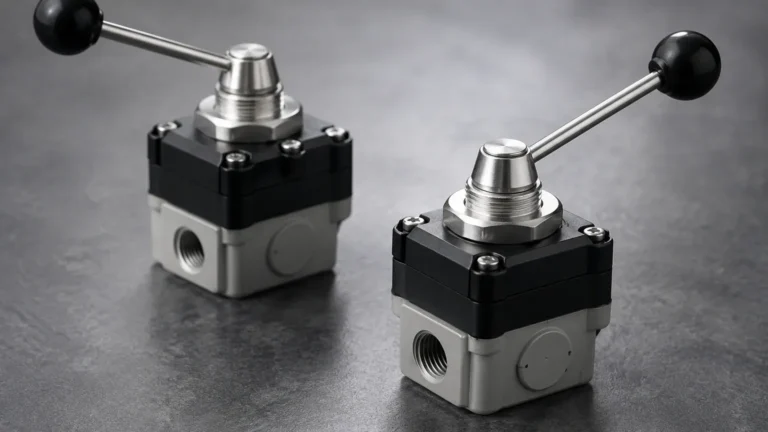
Level Switch Kimray
Level Switch Kimray
In the demanding environments of oil and gas production, chemical processing, and industrial automation, the reliability of point level detection is critical for safety and operational efficiency. One of the most recognized names in oilfield level control is the level switch Kimray, particularly known for its pneumatic and mechanical robustness. Understanding how these devices function, how they compare to modern electronic Level Switches, and how to select the right technology for specific process conditions is essential for any instrumentation engineer.
This guide examines the engineering principles behind displacement-style level switches, provides detailed selection criteria, and explores the practical considerations for integrating these instruments into industrial control systems.
Understanding Point Level Measurement Principles
Point level measurement involves detecting when a liquid or solid reaches a specific height within a vessel. Unlike continuous level measurement, which provides a constant reading of the volume, point level switches act as triggers for alarms, pumps, or valves.
The Displacement Principle
Most configurations of the level switch Kimray utilize the principle of buoyancy, specifically the Archimedes principle. A "displacer"—a weighted element denser than the process fluid—is suspended in the liquid. As the liquid level rises and covers more of the displacer, the buoyant force increases, effectively reducing the weight of the displacer. This change in force is transmitted through a pivot arm to actuate a pilot or an electrical switch.
Unlike a float switch, which floats on the surface of the liquid, a displacer remains partially or fully submerged. This makes it less susceptible to turbulence and allows for more precise control in high-pressure separators and treaters.
Pneumatic vs. Electric Actuation
Level switches generally fall into two categories based on their output:
1. Pneumatic Switches: These use a supply of compressed air or process gas. When the level reaches the set point, the internal pilot either opens or closes the supply to a control valve. This is ideal for remote oilfield locations where electrical power is unavailable.
2. Electric Switches: These use a microswitch or a dry contact relay. When the level changes, the mechanical movement trips the switch, sending an electrical signal to a Programmable Logic Controller (PLC) or a motor starter.
The Role of the Level Switch Kimray in Oil and Gas Applications
The level switch Kimray, specifically the Gen II series, is a staple in upstream and midstream operations. Its primary function is to manage the liquid level in production separators, heaters, and scrubbers. By controlling the "dump valve," the switch ensures that oil or water is removed from the vessel only when it reaches a certain height, maintaining the necessary residence time for phase separation.
Snap-Acting vs. Throttling Pilots
A key distinction in these switches is the type of pilot mechanism used:
* Snap-Acting: This pilot provides an immediate, full-pressure output once the set point is reached. It is typically used for "on/off" control, such as emptying a dump tank.
* Throttling: This pilot provides a variable output pressure proportional to the liquid level. It is used for modulating control valves to maintain a steady liquid level rather than a simple high/low cycle.
Key Technical Specifications and Selection Criteria
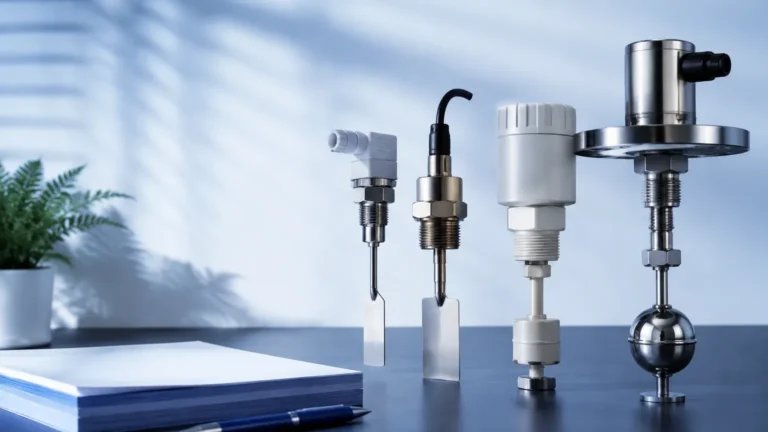
When selecting a level switch for industrial use, engineers must evaluate several parameters to ensure long-term reliability and accuracy. The following table compares traditional pneumatic displacer switches with modern electronic alternatives often found in the Welk product line.
Selection Comparison Table
| Feature | Pneumatic Displacer (Kimray Style) | Magnetic Float Switch | Tuning Fork (Vibratory) |
| :— | :— | :— | :— |
| Power Requirement | Compressed Air/Gas (1.4–3.1 bar) | None (Passive) | 24V DC / 220V AC |
| Max Pressure | Up to 275 bar (4000 psi) | Up to 100 bar (1450 psi) | Up to 64 bar (928 psi) |
| Max Temperature | 204°C (400°F) | 150°C (302°F) | 150°C (302°F) |
| Output Type | Pneumatic Signal | SPDT/DPDT Relay | Transistor (PNP/NPN) |
| Media Density | Min 0.5 SG | Min 0.45 SG | Min 0.7 SG |
| Hazardous Areas | Naturally Intrinsically Safe | Explosion-Proof Housing | Intrinsically Safe Options |
Fluid Compatibility and Material Selection
The wetted parts of the switch must be compatible with the process fluid. For sour gas applications (H2S), NACE MR0175/ISO 15156 compliance is mandatory. Standard materials usually include 316 Stainless Steel for the displacer and Viton or HNBR for the O-rings and seals. If the fluid is highly corrosive, specialized coatings or exotic alloys may be required.
Installation and Calibration Procedures
Correct installation is paramount for the mechanical integrity of a level switch Kimray. Because these devices rely on mechanical force, alignment and orientation directly impact performance.
Mounting Options
* Side Mounting: The switch is installed through a 2-inch (50 mm) NPT or flanged connection on the side of the vessel. This is the most common configuration for separators.
* External Cage: In applications with high turbulence or foaming, the switch is often mounted in an external "bridle" or cage. This isolates the displacer from the main vessel turbulence, providing a stable reading.
Calibration Steps
1. Zeroing the Switch: With the vessel empty or the level below the displacer, the pilot should be adjusted so there is no output signal.
2. Setting the Trip Point: The displacer arm is moved manually (if safe) or the vessel is filled to the desired trip level. The pilot adjustment screw is turned until the switch "snaps" or the pneumatic signal changes.
3. Hysteresis Adjustment: Many industrial Level Switches allow for an adjustable deadband. This prevents the switch from "chattering" (rapidly cycling) if the liquid surface is wavy.
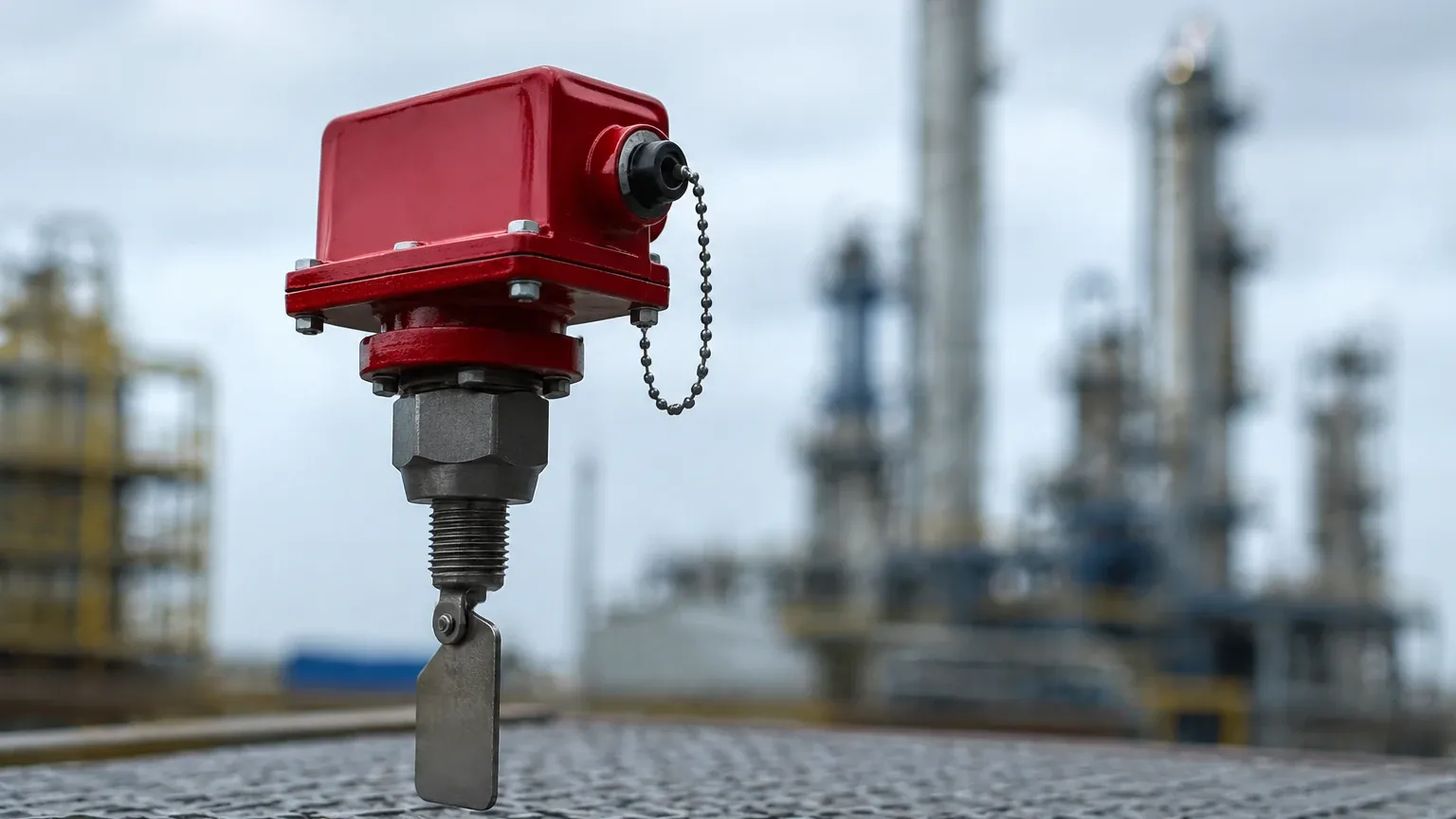
Comparison of Mechanical and Electronic Level Switches
While the level switch Kimray is a robust mechanical solution, modern industrial automation often leans toward electronic sensors, such as those manufactured by Welk. Choosing between them depends on the infrastructure of the facility.
Advantages of Mechanical/Pneumatic Switches
* No Electricity Needed: Ideal for remote "off-grid" locations.
* High Pressure Tolerance: Capable of operating in high-pressure gas streams where electronic seals might fail.
* Simplicity: Maintenance staff can often repair these units in the field without specialized electronic diagnostic tools.
Advantages of Electronic Switches (e.g., Ultrasonic or Radar)
* No Moving Parts: Electronic switches like tuning forks or ultrasonic sensors do not suffer from mechanical wear or pivot point corrosion.
* Remote Monitoring: They provide digital feedback (HART, Modbus) to a central control room, allowing for predictive maintenance.
* Self-Diagnostics: Modern sensors can detect if the sensor face is coated or if the electronics are failing, reducing the risk of an undetected failure.
Limitations and Maintenance Requirements
Despite their durability, mechanical level switches have inherent limitations that must be managed through a rigorous maintenance schedule.
Common Limitations
* Mechanical Wear: The pivot points and seals are subject to friction. Over time, this can lead to "sticking," where the switch fails to trip even when the level changes.
* Orifice Plugging: In pneumatic models, small amounts of debris or paraffin in the process gas can plug the pilot orifice, causing the switch to fail in the open or closed position.
* Density Sensitivity: Since these are buoyancy-based, a significant change in the specific gravity (SG) of the liquid (e.g., switching from oil to water) will change the trip point.
Maintenance Checklist
* Monthly: Visual inspection for leaks around the NPT connections and the pilot exhaust.
* Quarterly: Function test by manually raising the level or using the manual override lever (if equipped) to ensure the dump valve actuates.
* Annually: Replace O-rings and inspect the displacer for pitting, corrosion, or buildup of scale/paraffin.
Frequently Asked Questions
Q: Can a level switch Kimray be used for interface detection?
A: Yes. By adjusting the weight of the displacer or the spring tension, the switch can be calibrated to sink in the top fluid (oil) and float in the bottom fluid (water), allowing it to detect the interface level between the two.
Q: What happens if the supply gas pressure is too high?
A: Excessive supply pressure can damage the internal diaphragms of the pneumatic pilot. Most units require a regulated supply between 20 and 45 psi (1.4 to 3.1 bar).
Q: Are there electric versions of the Kimray switch?
A: Yes, Kimray offers electric pilots that can be retrofitted onto their standard level switch bodies, allowing them to interface with electrical control systems while retaining the displacement-style mechanical linkage.
Q: How do I choose between a snap-acting and a throttling switch?
A: Choose snap-acting if you are controlling an on/off pump or a standard dump valve. Choose throttling if you are using a control valve that needs to stay partially open to maintain a constant flow rate.
Conclusion
The level switch Kimray remains a foundational component in oilfield instrumentation due to its mechanical simplicity and ability to operate without electrical power. However, as industrial plants move toward more integrated digital ecosystems, the choice between traditional pneumatic switches and advanced electronic Level Switches becomes a matter of balancing environmental constraints with the need for data visibility.
For engineers designing new systems, it is recommended to evaluate the process fluid density, the availability of instrument air versus electricity, and the required communication protocols. Whether utilizing the time-tested displacement principle of a Kimray-style switch or the high-precision solid-state technology of a Welk level sensor, proper selection and regular maintenance are the keys to preventing vessel overfills and ensuring process safety.