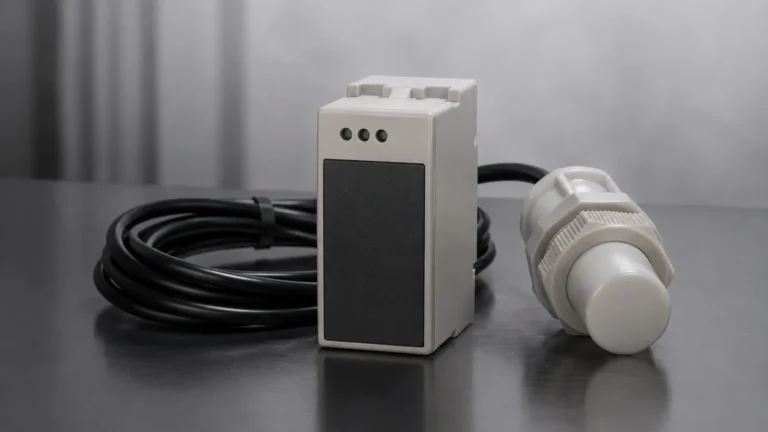
Level Electrical Switches
Level Electrical Switches
In the landscape of industrial automation and process control, level electrical switches serve as the fundamental sensory components for point-level detection. Unlike continuous level transmitters that provide a constant stream of data regarding the exact volume or height of a substance, a level switch is designed to trigger a specific electrical response when a substance reaches a predetermined threshold. These devices are critical for preventing tank overflows, protecting pumps from dry running, and managing automated filling or emptying cycles in sectors ranging from water treatment to chemical processing.
Selecting the appropriate level electrical switches requires a deep understanding of the physical properties of the medium being measured, the environmental conditions of the vessel, and the electrical requirements of the control system. This guide provides a technical overview of measurement principles, selection criteria, and installation best practices for industrial engineering applications.
Core Measurement Principles and Technologies
Before selecting a device, it is essential to understand the underlying physics that govern how different Level Switches detect the presence or absence of a medium. Each technology offers distinct advantages depending on the viscosity, conductivity, and turbulence of the fluid or solid.
Float Level Switches
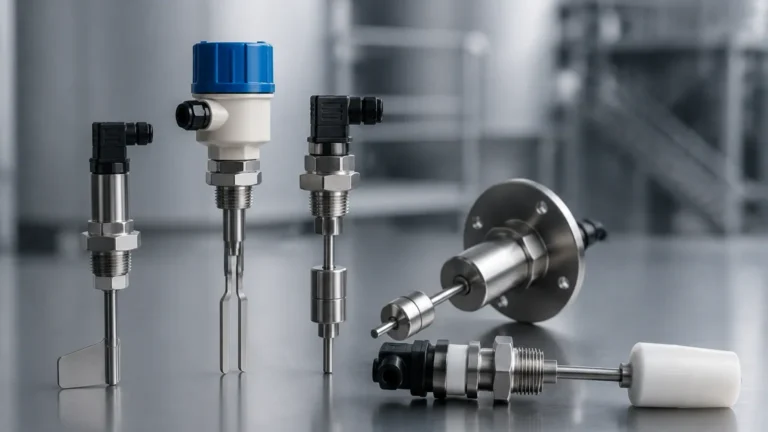
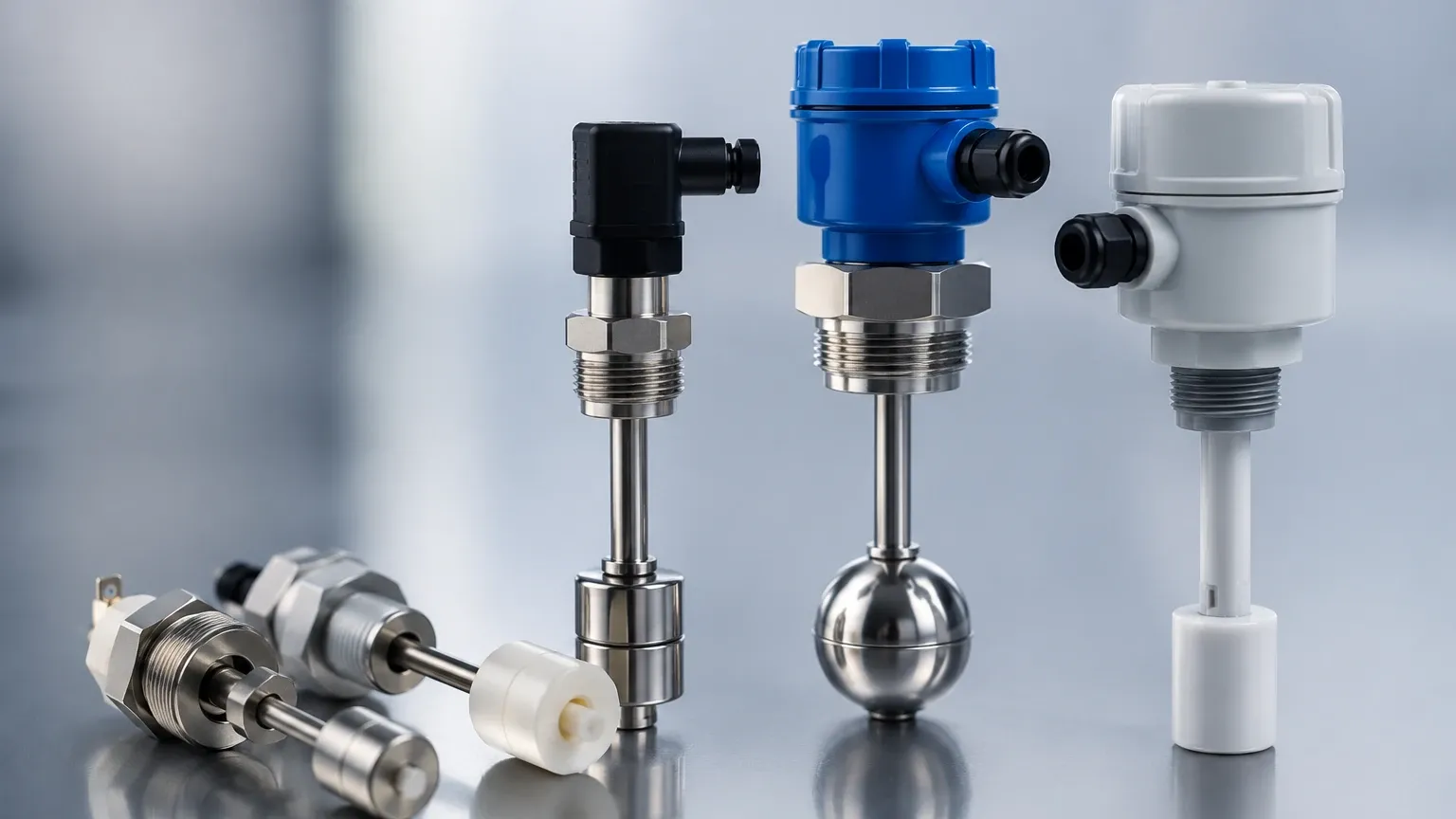
The most traditional form of level electrical switches, float switches operate on the principle of buoyancy. A float, typically made of stainless steel or plastic, contains a magnet and moves along a stem or pivots on a hinge as the liquid level rises or falls. When the float reaches a specific point, the magnetic field actuates a reed switch or a microswitch within the assembly. These are highly effective for clean liquids but are susceptible to mechanical failure if the medium contains debris or high viscosity that causes sticking.
Vibrating Tuning Fork Switches
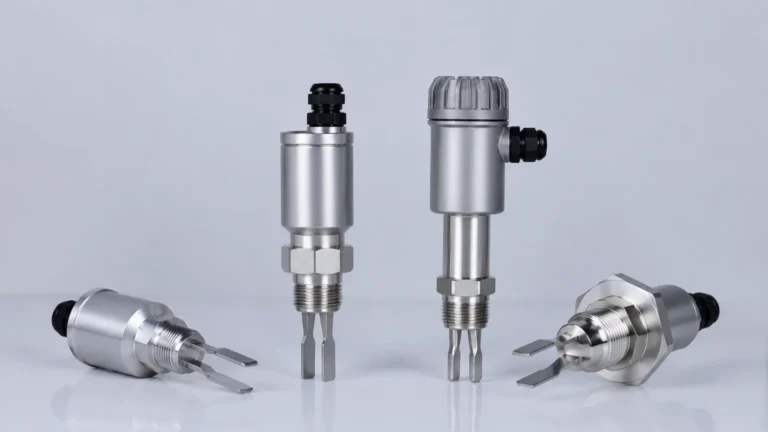
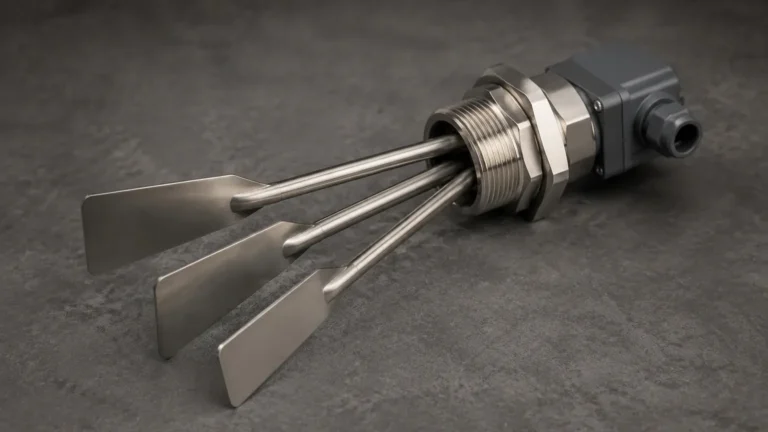
Vibrating switches utilize a piezoelectric crystal to energize a tuning fork at its natural resonant frequency. When the fork is immersed in a liquid or solid, the frequency changes or the vibration is damped. The internal electronics detect this shift and switch the electrical output. This technology is highly reliable because it is generally unaffected by flow, turbulence, bubbles, or foam. It is a preferred choice for high-accuracy applications in the chemical and food industries.
Capacitive Level Switches
Capacitive sensors treat the probe and the tank wall (or a reference electrode) as two plates of a capacitor. The medium acts as the dielectric. As the level rises and covers the probe, the capacitance changes based on the dielectric constant of the material. These level electrical switches are excellent for detecting powders, granules, and liquids, though they may require calibration to account for the specific dielectric properties of the substance.
Ultrasonic Point Level Switches
These non-contact or gap-style sensors use high-frequency sound waves. In a gap-style ultrasonic switch, a signal is transmitted across a small space; when liquid fills that space, the signal transmission changes, triggering the switch. Because they have no moving parts, they are often used in hazardous or corrosive environments where mechanical floats would fail.
Conductivity Level Switches
Used exclusively for conductive liquids (such as water or acids), these switches use a low-voltage current between two electrodes. When the liquid touches the electrodes, the circuit is completed. These are simple and cost-effective but cannot be used with oils, distilled water, or other non-conductive fluids.
Technical Selection Criteria for Industrial Applications
Choosing the right level electrical switches involves more than just picking a technology; it requires matching the hardware to the specific rigors of the process environment. Engineers should evaluate the following parameters during the specification phase:
1. Media Characteristics
* Viscosity: High-viscosity fluids may cause float switches to stick or tuning forks to require higher sensitivity settings.
* Corrosiveness: For aggressive chemicals, wetted parts must be constructed from materials like PTFE, PVDF, or high-grade 316L stainless steel.
* Density: Float switches must be rated for the specific gravity of the liquid to ensure they actually float or sink as intended.
2. Process Conditions
* Temperature: Standard switches may handle up to 80°C, but high-temperature variants are required for steam applications or chemical reactors, often reaching 250°C or higher.
* Pressure: The housing and sensing element must withstand the maximum operating pressure of the vessel, typically measured in bar or PSI. For example, high-pressure boilers require robust magnetic or heavy-duty float designs.
* Turbulence and Foam: If the tank has an agitator, a tuning fork or ultrasonic switch is usually superior to a float switch, which might bounce and cause "chatter" in the electrical signal.
3. Electrical Output and Integration
Level electrical switches provide various output types to interface with PLCs (Programmable Logic Controllers) or alarm systems:
* Relay Outputs (SPDT/DPDT): Ideal for directly switching pumps or heavy loads.
* Transistor Outputs (PNP/NPN): Common in high-speed DC automation circuits.
* Two-wire Contact: Simple on/off state used in many safety-instrumented systems.
Practical Selection Table
| Technology | Suitable Media | Max Temp (Approx.) | Pressure Resistance | Key Advantage |
| :— | :— | :— | :— | :— |
| Float Switch | Clean liquids, water | 120°C | Up to 40 bar | Low cost, simple logic |
| Tuning Fork | Liquids, powders, foam | 150°C – 250°C | Up to 64 bar | No moving parts, high reliability |
| Capacitive | Solids, liquids, pastes | 200°C | Up to 100 bar | Detects through non-metallic walls |
| Conductivity | Conductive liquids | 100°C | Low to Medium | Very economical for multi-point |
| Ultrasonic | Corrosive liquids | 135°C | Up to 60 bar | No contact with medium (gap type) |
Installation Guidelines and Best Practices
Proper installation is as critical as device selection. Even the highest quality level electrical switches will fail if positioned incorrectly within a vessel.
Orientation and Positioning
* Side Mounting: Most tuning forks and float switches can be mounted horizontally through the side of a tank. Ensure the device is positioned away from the direct path of the inlet flow to prevent false triggering or mechanical damage.
* Top Mounting: Vertical installation is common for long-stem float switches or ultrasonic sensors. Ensure there is sufficient clearance from internal baffles or ladders.
Avoiding Interference
For capacitive and ultrasonic switches, the "dead zone" or "blocking distance" must be considered. This is the area immediately adjacent to the sensor where measurements are not possible. Additionally, ensure that the sensing element is not placed too close to the tank wall to avoid parasitic capacitance or signal echoes.
Wiring and Protection
* Cable Glands: Always use appropriately rated cable glands to maintain the IP (Ingress Protection) rating of the enclosure (e.g., IP65, IP67, or IP68).
* Drip Loops: When wiring, create a drip loop in the cable before it enters the switch housing to prevent moisture from traveling down the cable and entering the electronics.
* Grounding: Ensure the switch and the tank are properly grounded, especially in capacitive applications, to provide a stable reference point.
Common Risks, Limitations, and Troubleshooting
While level electrical switches are designed for durability, certain conditions can compromise their performance:
1. Material Buildup: In applications involving wastewater or slurries, material can coat the sensing element. Tuning forks with "coating rejection" logic or non-contact sensors are often required to mitigate this risk.
2. Contact Arcing: When using mechanical switches to drive high-inductive loads (like large motors), arcing can weld the contacts together. Using an intermediate relay or a snubber circuit is recommended.
3. Turbulence: Rapidly fluctuating levels can cause the switch to toggle on and off rapidly. This can be solved by implementing a time-delay relay or using a switch with built-in hysteresis.
4. Environmental Sealing: In outdoor or high-humidity environments, internal condensation can lead to short circuits. Utilizing desiccant packs or hermetically sealed switches can extend service life.
Frequently Asked Questions (FAQ)
Q: Can level electrical switches be used for both high and low-level alarms?
A: Yes. Most switches can be configured as "Normally Open" (NO) for high-level alarms or "Normally Closed" (NC) for low-level (dry run) protection. Many industrial switches allow the user to reverse the logic during installation.
Q: What is the difference between a level switch and a level transmitter?
A: A level switch provides a discrete output (On/Off) at a specific point. A level transmitter provides a continuous signal (such as 4-20mA or RS485) that represents the exact level across the entire range of the tank.
Q: Are there switches suitable for explosive atmospheres?
A: Yes. For oil and gas or chemical applications, you must specify switches with ATEX, IECEx, or UL hazardous area certifications. these often utilize intrinsically safe circuits or explosion-proof housings.
Q: How do I handle foaming liquids?
A: Foaming can trick ultrasonic and capacitive sensors. Tuning fork switches are generally the most effective in these scenarios as they detect the density of the liquid rather than the surface of the foam.
Conclusion
Level electrical switches are the silent working horses of industrial fluid management. By selecting the right technology—whether it be the mechanical simplicity of a float or the solid-state reliability of a tuning fork—engineers can ensure process safety and efficiency. For those looking to implement these solutions, it is vital to confirm the chemical compatibility of wetted parts and the electrical integration requirements of the facility. For a comprehensive range of industrial options, engineers can Review product options and application support to find the specific configuration that meets their operational demands.