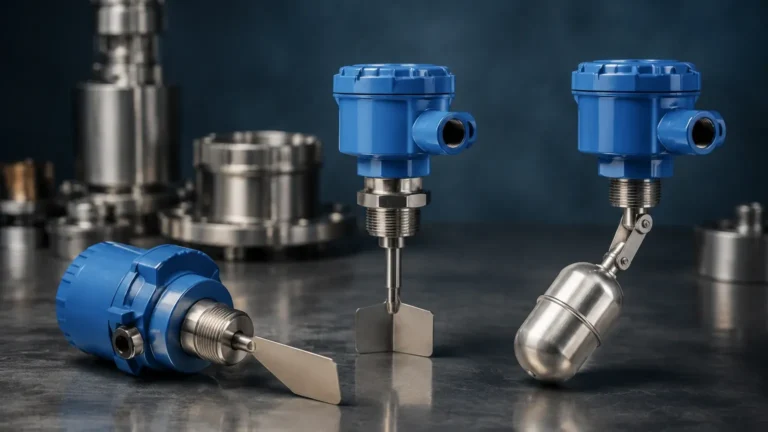
Madison Level Switches
Madison Level Switches
In the landscape of industrial automation and process control, point-level detection remains a critical safety and operational requirement. Madison level switches have established a significant presence in this sector, particularly known for their diverse range of float-based and non-contact sensing technologies. Selecting the right level switch requires a deep understanding of fluid dynamics, material compatibility, and the mechanical principles that govern reliable switching. This guide explores the engineering fundamentals behind these instruments, provides selection frameworks, and outlines the practical considerations necessary for integrating level switches into modern industrial systems.
Measurement Principles of Level Switches
Before selecting a specific model, it is essential to understand the physics behind the various sensing technologies utilized in Madison level switches and similar industrial instruments. Level switches are designed to provide a discrete output (typically a dry contact or transistor signal) when a liquid or solid reaches a specific height.
Buoyancy (Float) Principles
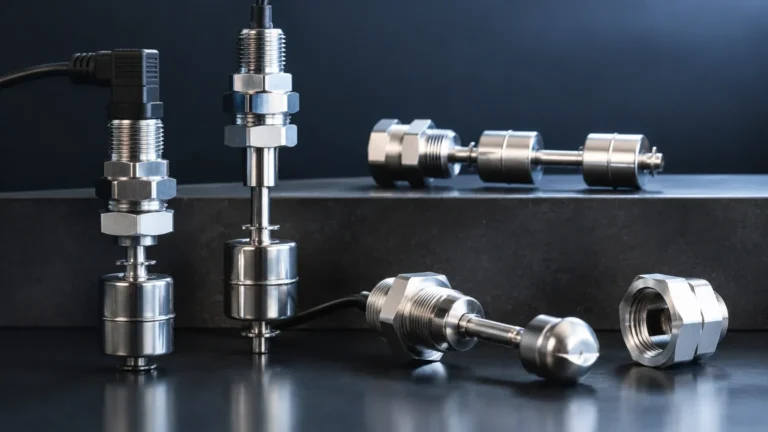
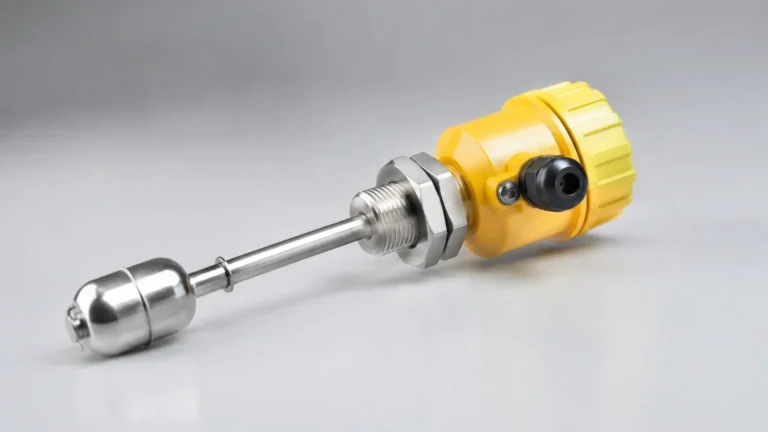
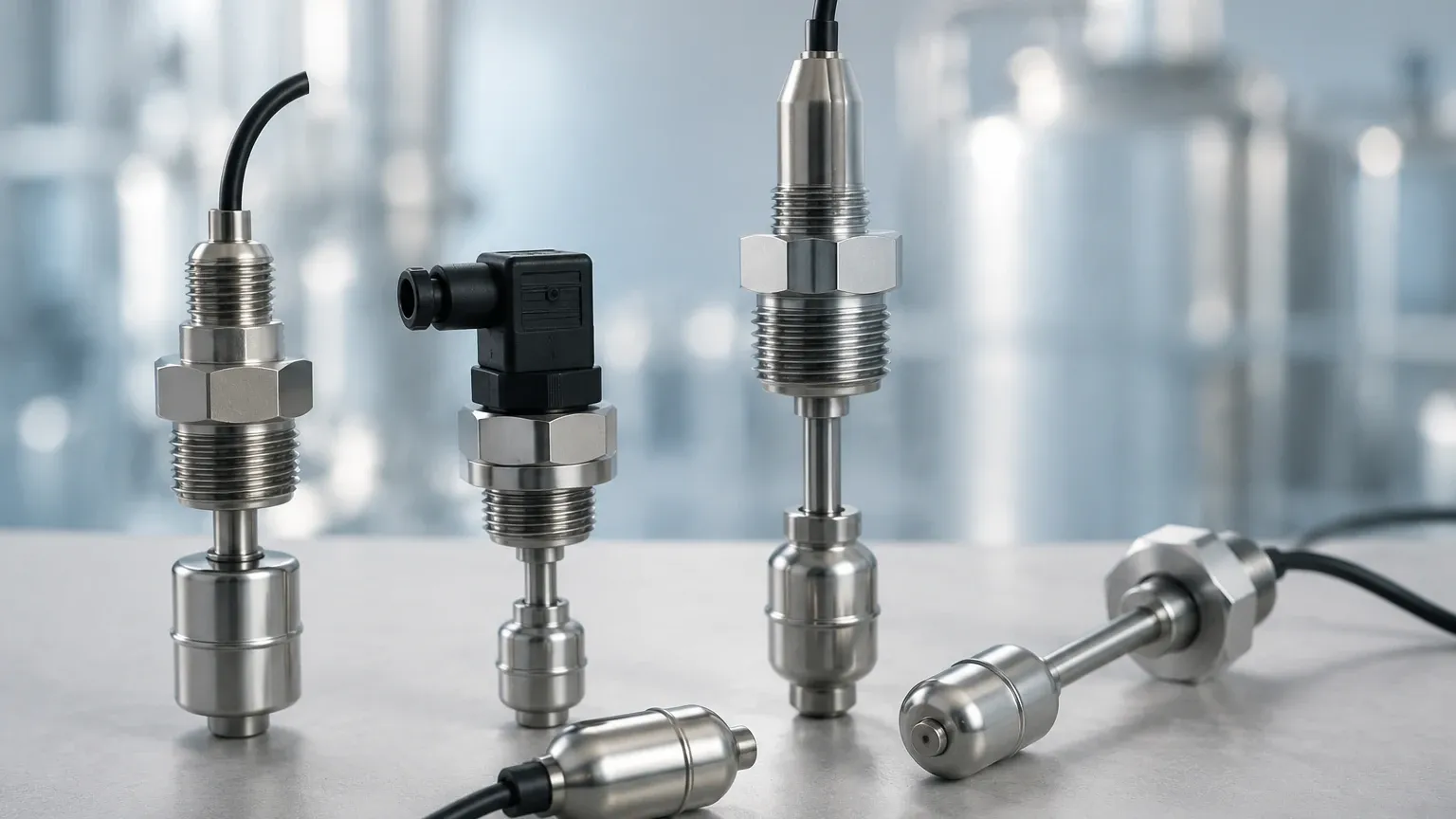
Float-based level switches operate on the principle of buoyancy. A float, which is less dense than the process liquid, moves vertically along a stem or pivots on a hinge as the liquid level rises or falls. Inside the float is a permanent magnet. As the float reaches a predetermined point, the magnetic field actuates a hermetically sealed reed switch located within the stationary stem. This method is highly reliable because the electrical components are completely isolated from the process media.
Ultrasonic Sensing
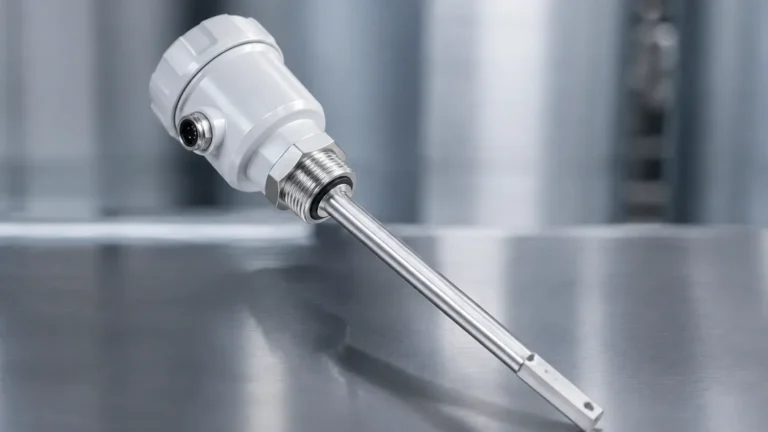
Non-contact Madison level switches often utilize ultrasonic technology. These sensors emit high-frequency sound waves that reflect off the surface of the liquid. The sensor measures the "time of flight" for the echo to return. While often used for continuous measurement, in a switch configuration, the internal electronics trigger a relay when the calculated distance matches the setpoint. This is ideal for corrosive or sticky media where physical contact would lead to mechanical failure.
Optical Refraction
Optical level switches use an infrared LED and a light receiver housed within a prism-shaped tip. When the tip is in the air, the infrared light reflects internally within the prism back to the receiver. When liquid submerges the tip, the light refracts into the liquid, causing a loss of signal at the receiver. This change in state triggers the switch. These are valued for their compact size and lack of moving parts.
Conductivity
Conductive level switches use a low-voltage electrode to detect the presence of a conductive liquid. When the liquid touches the electrode, it completes an electrical circuit between the probe and the tank wall (or a reference probe). This technology is limited to conductive liquids like water or certain chemicals but is extremely robust in high-pressure environments.
Key Evaluation Criteria for Madison Level Switches
When specifying Madison level switches for an application, engineers must look beyond simple "on/off" functionality. The longevity of the instrument depends on how well its materials and design match the operating environment.
1. Chemical Compatibility: The wetted materials—ranging from 316 stainless steel to plastics like Polypropylene, PVDF (Kynar), and PBT—must be resistant to the process fluid. For instance, while stainless steel is excellent for high temperatures, PVDF is often preferred for highly acidic environments.
2. Specific Gravity: For float switches, the float's buoyancy is dependent on the liquid's density. If the liquid's specific gravity is lower than the float's design limit (often 0.4 to 0.8), the float will not rise, and the switch will fail to actuate.
3. Temperature and Pressure: Standard plastic switches may only handle up to 100°C (212°F), whereas specialized stainless steel models can withstand temperatures exceeding 200°C (392°F) and pressures up to 200 bar (approx. 2900 PSI).
4. Electrical Configuration: Switches are typically available as Normally Open (NO) or Normally Closed (NC). Many Madison level switches allow the user to reverse the switch orientation by simply removing the float and flipping it over, providing field flexibility.
Practical Selection Table
The following table provides a generalized comparison of common level switch technologies used in industrial applications to assist in the initial narrowing of choices.
| Technology | Media Suitability | Max Temp (Typical) | Pressure Rating | Advantages |
| :— | :— | :— | :— | :— |
| Single Point Float | Clean, non-coating liquids | 200°C (SS) / 105°C (Plastic) | High (up to 200 bar) | Low cost, high reliability, no power needed for reed type. |
| Multi-Point Float | Clean liquids, multiple levels | 150°C | Medium | One entry point for multiple alarms (High/Low/Low-Low). |
| Ultrasonic Switch | Corrosive, dirty, or viscous | 80°C | Low to Medium | Non-contact, no moving parts to clog. |
| Optical Switch | Clean, thin liquids | 125°C | High | Extremely compact, fast response time. |
| Conductive Probe | Conductive liquids only | 250°C+ | Very High | No moving parts, handles extreme heat/pressure. |
Installation Considerations and Best Practices
Proper installation is the most significant factor in preventing premature failure of Level Switches. Even the highest quality Madison level switches can malfunction if environmental factors are ignored.
Turbulence and Slosh
In tanks with agitators or high-velocity fill lines, liquid turbulence can cause a float to "bounce," leading to rapid cycling of the switch (chatter). This can burn out relay contacts or cause false alarms in the control system. To mitigate this, engineers should specify a "slosh shield"—a protective sleeve around the float that dampens liquid movement while allowing the average level to be sensed.
Mounting Orientation
Level switches are generally designed for either vertical or horizontal mounting. Vertical switches are installed through the top or bottom of a tank and are ideal for multi-point sensing. Horizontal switches are installed through the side wall and are typically used for high or low-level limit detection in restricted spaces.
Wiring and Protection
Reed switches used in many float designs have specific current and voltage limits. Switching inductive loads (like motor starters or solenoid valves) directly through a small reed switch can cause the contacts to weld shut due to back-EMF. It is standard practice to use an intermediate isolation relay or a surge suppression circuit to protect the switch contacts.
Limitations and Common Risks
While Madison level switches are versatile, they are not universal solutions. Understanding their limitations is key to avoiding process downtime.
* Build-up and Scaling: In applications involving wastewater or calcium-rich liquids, material can build up on the float or the stem. This increases the weight of the float or causes it to stick, leading to a permanent "on" or "off" state. In such cases, non-contact ultrasonic sensors or vibrating fork switches are superior.
* Magnetic Interference: Since many float switches rely on internal magnets, the presence of heavy magnetic particles (iron filings) in the liquid can coat the float and interfere with the reed switch operation.
* Dielectric Constant: For certain capacitive or RF-based switches, changes in the liquid's dielectric constant (e.g., moving from oil to water) can affect the trip point, requiring recalibration.
Comparison with Welk Level Measurement Solutions
While Madison offers a robust catalog of standardized switches, manufacturers like Welk provide specialized Level Switches and sensors designed for more complex industrial automation environments. Welk’s portfolio often bridges the gap between simple point-level switching and advanced continuous monitoring. For example, in applications where a Madison float switch might struggle with high-viscosity fluids, a Welk radar level meter or a heavy-duty magnetic level gauge can provide more reliable data with less maintenance.
Furthermore, Welk emphasizes customized OEM/ODM services, allowing for the integration of level switches into larger, pre-engineered assemblies for water treatment or chemical processing. When a project requires not just a component but a validated measurement solution with strict quality control, comparing the standard Madison offerings with Welk’s application-specific engineering can lead to better long-term ROI.
Frequently Asked Questions (FAQs)
1. Can Madison level switches be used in hazardous (Ex) areas?
Yes, many models are available with intrinsically safe ratings or explosion-proof housings. However, the switch must be used in conjunction with a certified safety barrier if it is installed in a Zone 0 or Zone 1 environment.
2. How do I change a switch from Normally Open to Normally Closed?
For most Madison float switches, you simply remove the "C" clip at the bottom of the stem, slide the float off, flip it 180 degrees, and reinstall it. The internal magnet will then interact with the reed switch in the opposite state.
3. What is the minimum specific gravity required for a stainless steel float?
Typically, a standard 316 stainless steel float requires a liquid with a specific gravity of at least 0.7 to 0.8. For lighter liquids like fuels or certain oils, specialized high-buoyancy floats are required.
4. Can these switches handle high-viscosity liquids?
Float switches are generally not recommended for highly viscous liquids (like heavy syrups or crude oil) because the liquid can create drag on the float, slowing its response or causing it to stick. For these applications, vibrating level switches or ultrasonic sensors are preferred.
5. Are there lead-free options for potable water?
Yes, many Madison level switches are manufactured using NSF-certified materials specifically for use in drinking water and food-grade applications. It is important to verify the specific material certifications (such as FDA or NSF/ANSI 61) before installation.
Conclusion
Madison level switches represent a fundamental tool in the industrial engineer's toolkit for managing tank levels and preventing overflows or dry-run conditions. By carefully matching the sensing technology—whether float, optical, or ultrasonic—to the specific chemical and physical properties of the process media, operators can ensure high system reliability. When standard components do not meet the extreme demands of industrial automation, seeking professional-grade alternatives and customized solutions from manufacturers like Welk ensures that level measurement remains accurate, cost-effective, and safe across all applications.