Noise Level of Keyboard Switches
Noise Level of Keyboard Switches
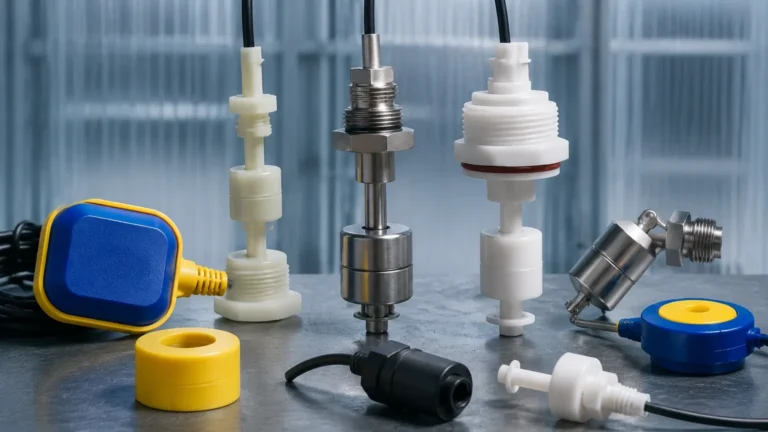
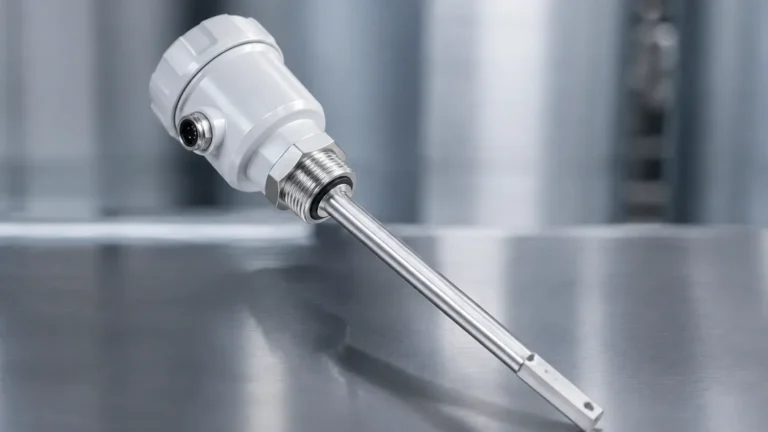
In the realm of industrial control rooms and automated process environments, the tactile and auditory feedback of human-machine interfaces (HMIs) plays a critical role in operational efficiency. While engineers often focus on the ruggedness of field instrumentation, such as Level Switches, the ergonomic environment of the control station is equally vital. The noise level of keyboard switches is a primary consideration in designing these workspaces, affecting operator concentration, communication clarity, and long-term fatigue.
Understanding the acoustic profile of mechanical switches requires an analysis of mechanical physics, material science, and sound measurement principles. This guide examines how noise is generated in switching mechanisms, how it is measured, and how to select the appropriate switch profile for industrial B2B applications.
Measurement Principles of Switch Acoustics
Before selecting a switch based on its sound profile, it is essential to understand the variables that contribute to its acoustic signature. Sound in mechanical switches is not a single event but a sequence of mechanical impacts.
Sound Pressure Level (SPL) and Decibels
The noise level of keyboard switches is measured in decibels (dB), a logarithmic unit that describes the ratio of a physical quantity—usually power or intensity—to a specified or implied reference level. In a standard office or control room environment, ambient noise typically ranges from 40 dB to 50 dB.
When measuring switch noise, engineers look at the peak SPL during three distinct phases:
1. The Actuation Click: In "clicky" switches, a dedicated mechanism (like a click bar or click jacket) creates a sharp acoustic peak.
2. Bottom-out Sound: This occurs when the keycap or stem hits the top of the switch housing or the PCB (Printed Circuit Board).
3. Top-out Sound: This occurs when the switch stem returns to its original position and hits the upper housing.
Frequency and Pitch
Two switches may have the same decibel rating but sound entirely different. This is due to the frequency spectrum. Higher frequency sounds (often described as "clacky") are typically produced by harder plastics like ABS (Acrylonitrile Butadiene Styrene) hitting metal. Lower frequency sounds ("thocky") are often the result of denser materials like PBT (Polybutylene Terephthalate) or specialized nylon housings. In industrial settings, lower-frequency noise is generally preferred as it is less intrusive and does not interfere as much with verbal communication.
Force-Travel Curves and Sound
The acoustic output is directly related to the force-travel curve of the switch. A switch with a high operating force (measured in Newtons or Centinewtons) often results in a louder bottom-out sound because the operator applies more kinetic energy to overcome the resistance, which is then dissipated as sound and vibration upon impact.
Classification of Switches by Noise Profile
In the B2B and industrial sector, keyboard switches are categorized into three primary functional groups based on their mechanical design and resulting noise levels.
1. Linear Switches (Quiet to Moderate)
Linear switches provide a smooth, consistent keystroke from top to bottom without any tactile bump or audible click. They are often the quietest option because they lack the internal mechanisms designed to create noise. In control rooms where rapid data entry is required, linear switches reduce the overall acoustic floor of the room.
2. Tactile Switches (Moderate)
Tactile switches feature a physical bump at the actuation point. While they do not have a dedicated "clicker," the mechanical friction of the bump and the tendency for operators to bottom out after the bump creates a moderate noise level. These are preferred for critical systems where the operator needs physical confirmation that a command has been registered without the piercing sound of a clicky switch.
3. Clicky Switches (Loud)
Clicky switches are designed specifically to produce a sharp, high-pitched sound upon actuation. These are rarely used in shared industrial control rooms but may be used in isolated maintenance stations where auditory confirmation is necessary over the sound of nearby machinery. Their noise level can easily exceed 60 dB, which is significantly higher than the ambient noise of a quiet office.
Technical Selection Table
The following table provides a comparison of typical noise levels and mechanical characteristics for standard switch categories used in industrial consoles.
| Switch Type | Typical Noise Level (dB) | Actuation Force (N) | Dominant Frequency | Ideal Application |
| :— | :— | :— | :— | :— |
| Silent Linear | 30 – 38 dB | 0.45 – 0.60 N | Low (Muffled) | Shared Control Rooms |
| Standard Linear | 40 – 48 dB | 0.45 – 0.65 N | Mid-Range | General Data Entry |
| Tactile | 45 – 55 dB | 0.50 – 0.70 N | Mid to High | Critical Process Input |
| Clicky | 55 – 65+ dB | 0.50 – 0.80 N | High (Sharp) | Isolated Test Labs |
| Industrial Membrane| 35 – 45 dB | 1.50 – 3.00 N | Low (Thud) | High-Dust Environments |
Installation and Acoustic Optimization
Selecting the right switch is only the first step. The integration of the switch into the keyboard or control panel significantly alters the noise level of keyboard switches.
Case Material and Density
The housing that holds the switches acts as a resonance chamber. A hollow plastic case will amplify high-frequency sounds, making even a quiet switch sound loud. For industrial-grade consoles, heavy aluminum or weighted polymer cases are used to dampen vibrations. Adding internal foam (such as Poron or EVA foam) between the PCB and the case can reduce the "pinging" sound caused by metallic resonance.
Mounting Styles
* Tray Mount: The PCB is screwed directly to the case. This is common but often results in uneven sound and higher noise levels due to direct vibration transfer.
* Gasket Mount: The PCB is suspended by rubber or silicone gaskets. This decouples the switching mechanism from the outer shell, significantly lowering the decibel output and softening the pitch.
Lubrication
In high-end B2B applications, switches may be pre-lubricated with synthetic greases (e.g., Krytox or Tribosys). Lubrication reduces the friction between the stem and the housing, eliminating "scratchy" noises and deepening the sound profile. This also extends the mechanical life of the switch, which is a priority for 24/7 industrial operations.

Relationship Between Keyboard Switches and Industrial Level Switches
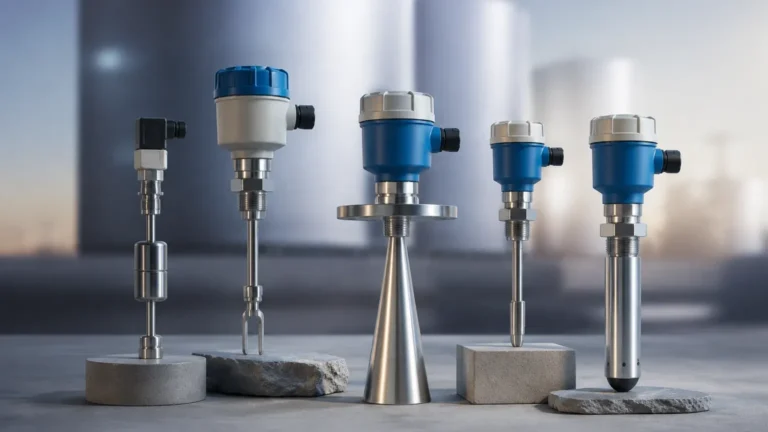
While the "noise" in keyboard switches is acoustic, the concept of "noise" in Level Switches and other industrial sensors refers to signal interference. However, there is a mechanical overlap. In heavy-duty industrial level switches—such as those used in silos or chemical tanks—the mechanical snap-action of the internal microswitch provides both a tactile and acoustic signal that the device has triggered.
Just as a keyboard switch must be chosen for its environment, an industrial level switch must be selected based on its mechanical feedback and resistance to external vibration. In environments with high ambient vibration, a switch with a higher actuation force and a more distinct mechanical "latch" is required to prevent false triggering, similar to how a tactile keyboard switch prevents accidental keystrokes.
Limitations and Environmental Factors
When evaluating the noise level of keyboard switches, certain environmental limitations must be acknowledged:
1. Dust and Contamination: In industrial settings like water treatment or chemical processing, dust ingress can enter the switch housing. This increases friction, changing a quiet linear switch into a noisy, "scratchy" component and eventually leading to failure.
2. Temperature Fluctuations: Extreme cold can stiffen lubricants, increasing the force required and altering the sound profile. High heat may cause plastics to expand, potentially leading to "sticky" keys or increased housing rattle.
3. Wear and Tear: Over millions of cycles, the leaf springs and stems within a switch wear down. This usually results in an increase in noise level and a decrease in tactile consistency.
Frequently Asked Questions (FAQ)
Q: Can I make a loud keyboard switch quiet?
A: Yes. The most common method is the installation of O-rings on the keycap stems, which cushions the impact when the key is pressed down. Additionally, applying switch lubricant can significantly dampen internal mechanical noise.
Q: Does the keycap material affect the noise level?
A: Absolutely. Thick PBT keycaps produce a deeper, more muted sound compared to thin ABS keycaps, which tend to produce a higher-pitched "clack."
Q: Are silent switches less durable?
A: No. Silent switches use internal silicone dampeners on the stem. While these change the feel of the switch (making it feel "mushy" to some), they do not inherently reduce the lifespan of the mechanical components, provided they are manufactured to industrial standards.
Q: Why does my switch make a metallic ringing sound?
A: This is known as "spring ping." It occurs when the internal coil spring vibrates after being compressed. This is common in unlubricated switches and can be resolved by applying a small amount of oil to the springs.
Conclusion
In an industrial B2B context, the noise level of keyboard switches is more than a matter of preference; it is a technical specification that impacts the workspace's ergonomic integrity. By understanding the principles of sound generation—from the actuation click to the bottom-out impact—engineers can specify HMI components that enhance rather than detract from the control room environment.
Whether you are designing a complex control console or selecting ruggedized Level Switches for field operations, the goal remains the same: reliable, accurate, and appropriate feedback for the task at hand. For high-stakes industrial applications, prioritizing switches with dampened acoustic profiles and robust mechanical construction ensures long-term operational success.