Level Switch E&h
Level Switch E&h
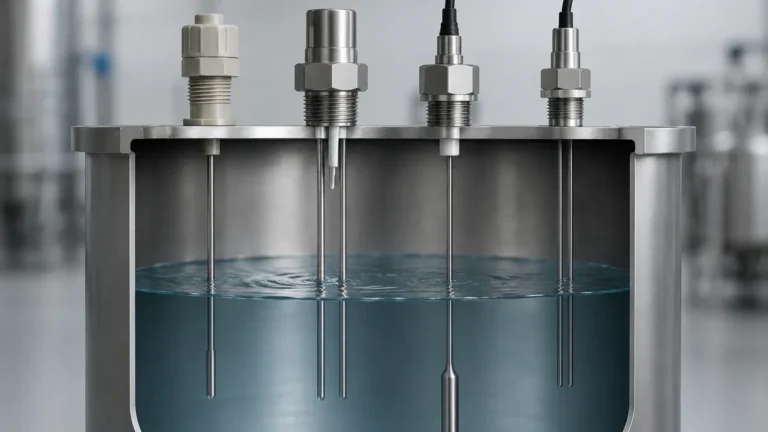
In the landscape of industrial automation and process safety, point level detection serves as a critical safeguard against overfills, dry-run conditions, and pump damage. Among the various solutions available to engineers, the term "level switch e&h" often refers to the industry-standard instruments produced by Endress+Hauser, such as the Liquiphant and Soliphant series. However, selecting the correct level switch requires a deep understanding of the underlying measurement principles, the specific demands of the media, and the environmental constraints of the application.
This guide provides a technical overview of point level measurement technologies, evaluates the performance characteristics associated with premium brands like E&H, and offers practical engineering advice for selecting and installing Level Switches in diverse industrial environments.
Understanding Point Level Detection in Industrial Processes
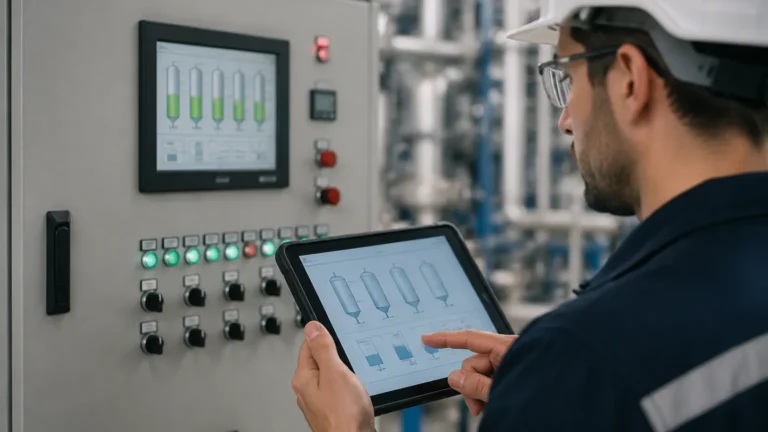
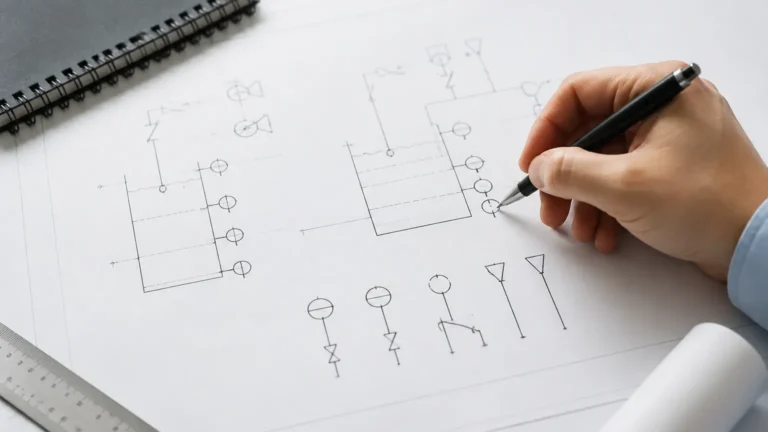
Unlike continuous level measurement, which provides a constant reading of the liquid or solid height in a vessel, a level switch is designed to detect a specific discrete level. When the medium reaches the sensor's position, the switch changes state (e.g., from open to closed), triggering an alarm or an automated response within the PLC (Programmable Logic Controller).
In B2B sectors such as water treatment, chemical processing, and oil and gas, these devices are the primary line of defense in Safety Instrumented Systems (SIS). Reliability is paramount; a failure in a high-level switch can lead to environmental disasters or catastrophic equipment failure. Consequently, many engineers look toward established brands for "level switch e&h" solutions to ensure compliance with international safety standards like SIL (Safety Integrity Level).
Core Measurement Principles for Level Switches
Before selecting a specific model, it is essential to understand the physics behind the detection. Different media properties—such as density, conductivity, and dielectric constant—dictate which technology will be most effective.
1. Vibronic (Tuning Fork) Principle
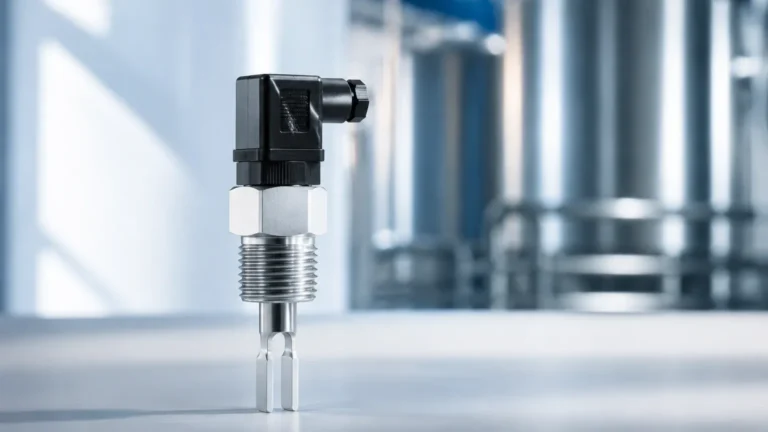
This is perhaps the most common technology associated with high-end level switches. The sensor consists of a tuning fork that is piezoelectrically energized to vibrate at its resonance frequency in the air. When the fork is submerged in a liquid or covered by solids, the frequency shifts or the amplitude decreases.
* Liquids: The frequency decreases when the fork is immersed. This shift is detected by the electronics and converted into a switching signal.
* Solids: The vibration is dampened by the presence of bulk solids. This is highly effective for powders and fine-grained materials.
* Advantages: Independent of the medium's electrical properties, turbulence, foam, or bubbles.
2. Capacitance Principle
Capacitive level switches operate based on the change in electrical capacitance between the sensor probe and the tank wall (which acts as the second electrode). As the medium displaces air around the probe, the dielectric constant ($ε_r$) changes, thereby changing the capacitance.
* Application: Best suited for liquids and solids with a consistent dielectric constant. It is often used for interface detection (e.g., oil and water).
* Limitations: Highly sensitive to build-up on the probe, though modern "active shield" technologies can mitigate this.
3. Conductive Principle
This is a simple, cost-effective method for conductive liquids. Two electrodes are placed at the desired switching point. When the liquid touches both, it completes an electrical circuit.
* Application: Water treatment, acidic or alkaline solutions.
* Limitations: Does not work with non-conductive fluids like oils or pure hydrocarbons.
4. Ultrasonic Principle
Ultrasonic switches use a pair of crystals (transmitter and receiver) separated by a gap. When the gap is filled with liquid, the ultrasonic signal passes through; when filled with air, the signal is attenuated.
* Advantages: Non-contact (in some configurations) and highly reliable for clean liquids.
Evaluating the level switch e&h Portfolio and Alternatives
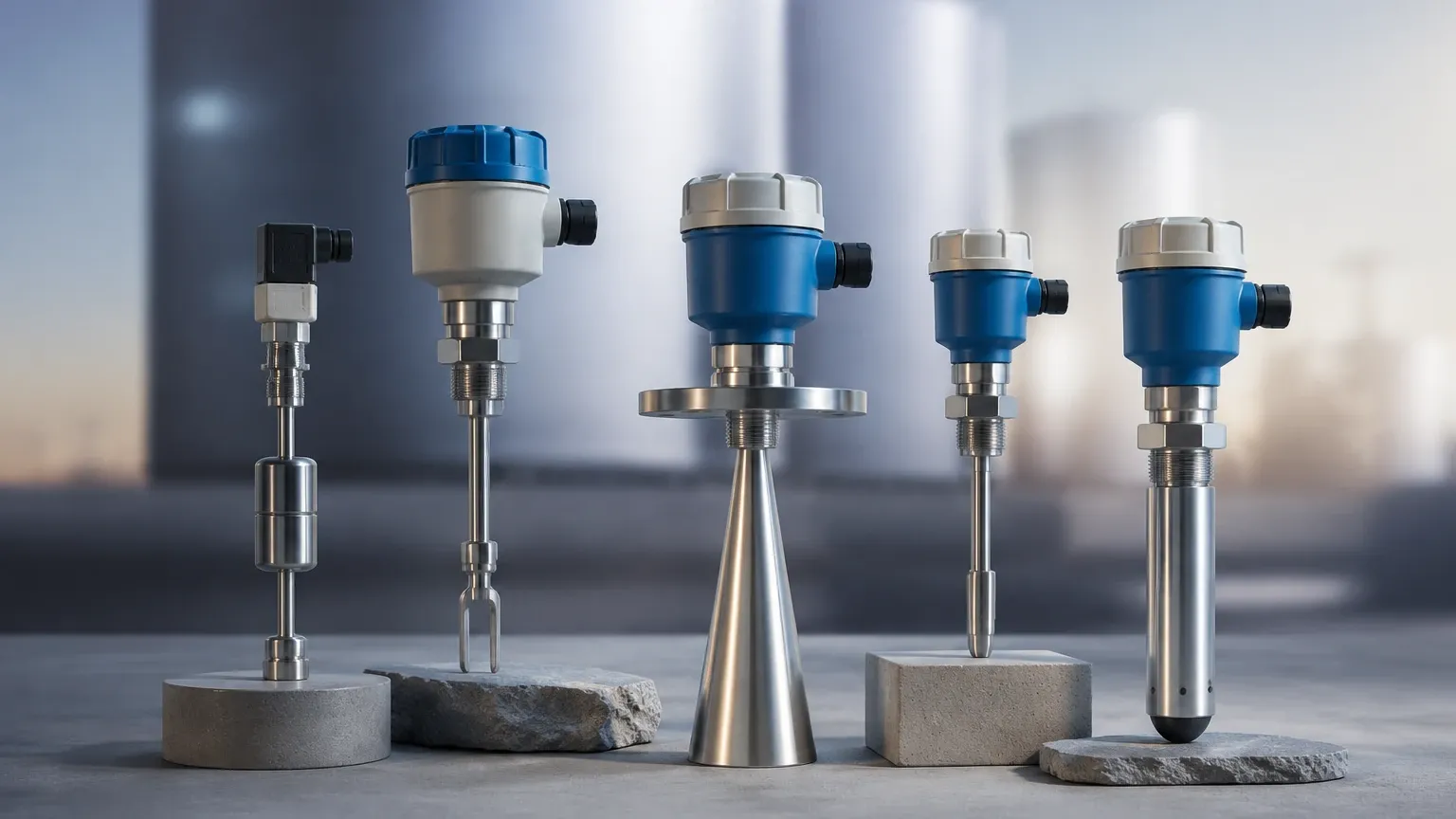
When searching for a "level switch e&h," engineers are typically looking for the Liquiphant (for liquids) or the Soliphant (for solids). These devices are renowned for their "Plug & Play" nature and their ability to operate in extreme temperatures (up to 280°C) and high pressures (up to 100 bar).
However, for many standard industrial applications—such as municipal water treatment or general chemical storage—specialized manufacturers like Welk provide comparable reliability and accuracy with a focus on cost-effectiveness and customization. While E&H dominates the high-specification, high-cost niche, many B2B buyers find that industrial-grade level switches from professional manufacturers offer the necessary ATEX, SIL, and hygienic certifications required for modern automation without the premium brand overhead.
Key Comparisons: E&H vs. Industrial Standards
| Feature | E&H Liquiphant/Soliphant | Standard Industrial Level Switches |
| :— | :— | :— |
| Primary Tech | Vibronic (Tuning Fork) | Vibronic, Capacitance, Float |
| Safety Rating | Up to SIL3 | Typically SIL2 |
| Customization | Standardized modules | High OEM/ODM flexibility |
| Lead Times | Can be long for special alloys | Often shorter for standard builds |
| Price Point | Premium | Cost-effective |
Technical Selection Criteria and Engineering Tables
Selecting the right instrument involves more than just identifying the medium. The following table outlines the criteria engineers must confirm before procurement.
Selection Matrix by Media Property
| Medium Type | Recommended Technology | Why? |
| :— | :— | :— |
| Clean Water | Conductive or Vibronic | High reliability, low maintenance. |
| Viscous Oils | Vibronic or Float | Vibronic resists coating; Float is simple. |
| Corrosive Chemicals | PTFE-coated Capacitance | High chemical resistance. |
| Fine Powders | Vibronic (Solids) | Resists bridging and false triggers. |
| Aerated Liquids | Vibronic | Not affected by bubbles or foam. |
| Interface (Oil/Water) | Capacitance | Detects change in dielectric constant. |
| Aggressive Slurries | Microwave Barrier | Non-contact, ignores heavy build-up. |
| High Pressure/Temp | Specialized Vibronic | Metal-to-metal seals and robust design. |
Essential Specifications to Confirm:
1. Process Temperature: Standard switches often handle -40°C to +150°C. High-temperature versions are required for steam applications.
2. Process Pressure: Ensure the flange or thread rating exceeds the maximum vessel pressure (measured in bar or MPa).
3. Wetted Materials: 316L stainless steel is standard, but Hastelloy or Monel may be needed for aggressive acids.
4. Output Type: Relay (SPDT/DPDT), PNP/NPN, or 2-wire (NAMUR) for hazardous areas.
Installation Best Practices and Geometric Constraints
Even the highest quality "level switch e&h" will fail if installed incorrectly. Engineering teams must consider the geometry of the vessel and the dynamics of the process.
1. Orientation and Nozzle Length
For vibronic switches, the fork should be oriented so that the liquid can easily drain off the blades. If installed horizontally, the blades should be vertical (standing on edge) to prevent sediment from settling on the flat surfaces. Furthermore, the nozzle length must not exceed the length of the fork, as stagnant liquid trapped in the nozzle can cause false "full" readings.
2. Avoiding the Filling Stream
Never install a level switch directly in the path of the incoming material. The kinetic energy of the filling stream can cause mechanical damage or trigger false alarms. If the location is unavoidable, a protective baffle or shield must be installed.
3. Turbulence and Agitators
In tanks with agitators, the switch must be positioned far enough away to avoid the vortex or physical contact with the blades. For highly turbulent liquids, a stilling well may be necessary to provide a stable environment for the sensor.
4. Grounding and Interference
Capacitive switches require a solid ground reference. In plastic or lined tanks, a ground rod or a grounding plate must be used to ensure the sensor can accurately measure the change in capacitance.
Limitations, Maintenance, and Common Risks
No technology is universal. Understanding the limitations of your chosen level switch is critical for long-term operational stability.
* Build-up and Coating: While vibronic switches are resistant to light coating, heavy, viscous build-up that bridges the forks will cause a permanent "covered" signal. Capacitance switches are even more sensitive to this unless they feature active shield compensation.
* Density Changes: Vibronic switches are tuned for specific density ranges (e.g., > 0.5 g/cm³). If the medium's density drops below this threshold (due to aeration or temperature), the switch may fail to detect the liquid.
* Mechanical Wear: Float switches, being mechanical, are prone to sticking if the liquid contains solids or if the shaft becomes corroded. They require more frequent manual inspection than solid-state vibronic or capacitive units.
* Electromagnetic Interference (EMI): In environments with large motors or variable frequency drives (VFDs), unshielded cables can introduce noise into the switching circuit. Always use shielded twisted-pair cabling for signal integrity.
Frequently Asked Questions (FAQ)
Q: Can a level switch e&h be used for both high and low-level detection?
A: Yes. Most modern switches can be configured via a DIP switch or software to be "Normally Open" or "Normally Closed," allowing them to function as either high-level (overfill) or low-level (dry-run) protection.
Q: How do I test a level switch without filling the tank?
A: Many vibronic switches feature a test button or a magnetic test point that simulates a frequency shift. For safety-critical applications, a partial stroke test or a manual immersion test during maintenance shutdowns is recommended.
Q: Is it possible to replace an E&H switch with a different brand?
A: In most cases, yes. As long as the process connection (e.g., G 1" thread, DN50 flange), wetted materials, and output signals match, industrial switches from other professional manufacturers can serve as direct replacements.
Q: What is the difference between a level switch and a level transmitter?
A: A level switch provides a binary output (On/Off) at a specific point. A level transmitter provides a continuous signal (e.g., 4-20mA or Modbus) representing the exact level across a range. For safety interlocks, switches are often preferred due to their simplicity and faster response times.
For engineers seeking reliable, accurate, and cost-effective measurement, evaluating the specific technical requirements of the application is the first step. To explore various configurations and technical data sheets for industrial Level Switches, consult with a specialist who can provide tailored OEM/ODM solutions that meet your project's unique demands.