Hydrocarbon Processing Analysis Instruments
Hydrocarbon Processing Analysis Instruments
In the complex environment of oil refineries, petrochemical plants, and natural gas processing facilities, the accuracy of hydrocarbon processing analysis instruments is fundamental to operational safety, environmental compliance, and economic efficiency. Hydrocarbon processing involves the transformation of crude oil and natural gas into valuable products such as gasoline, diesel, jet fuel, and chemical feedstocks. Throughout these stages, measuring the level, interface, and physical properties of fluids is critical for process control.
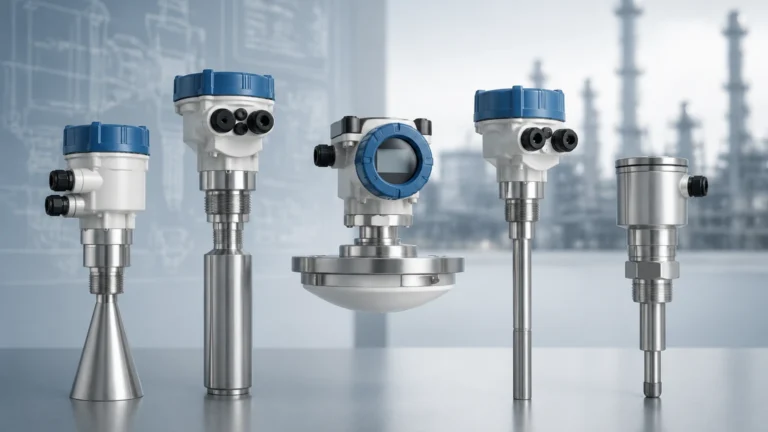
Industrial level measurement instruments serve as the backbone of these analytical systems. By providing real-time data on vessel inventory and separator performance, these tools allow engineers to optimize throughput while minimizing the risk of overfills or equipment damage. For professionals seeking high-performance hardware, the Main Page of Welk offers a comprehensive overview of the technologies used in modern hydrocarbon facilities.
Measurement Principles for Hydrocarbon Analysis
Before selecting specific hydrocarbon processing analysis instruments, it is essential to understand the physics governing their operation. Hydrocarbons present unique challenges, including low dielectric constants, high volatility, and the presence of hazardous vapors.
Radar Level Measurement (ToF)
Radar technology, specifically Time-of-Flight (ToF), is the industry standard for hydrocarbon storage and processing. It operates by emitting microwave pulses that travel at the speed of light. When these pulses hit the surface of the hydrocarbon liquid, a portion of the energy is reflected back to the sensor.
* Non-Contact Radar: Ideal for corrosive or volatile liquids where the sensor should not touch the medium. It is highly effective in tanks with internal obstructions if advanced false-echo suppression is used.
* Guided Wave Radar (GWR): Uses a physical probe to direct the microwave signal. This is particularly effective for low-dielectric hydrocarbons (like LPG or LNG) because the probe concentrates the signal, ensuring a stronger return echo even when the liquid's reflectivity is low.
Ultrasonic Level Sensing
Ultrasonic sensors emit high-frequency sound waves. The time taken for the sound to bounce off the liquid surface and return determines the distance. While cost-effective, ultrasonic instruments are generally limited in hydrocarbon processing because sound velocity is affected by vapor composition and temperature fluctuations common in refining.
Hydrostatic Pressure Measurement
This principle relies on the relationship between the height of a liquid column and the pressure it exerts at the base of a vessel. By measuring the head pressure and knowing the specific gravity of the hydrocarbon, the level can be calculated. This method is robust but requires accurate compensation if the fluid density changes due to temperature variations.
Magnetic Level Gauges (MLG)
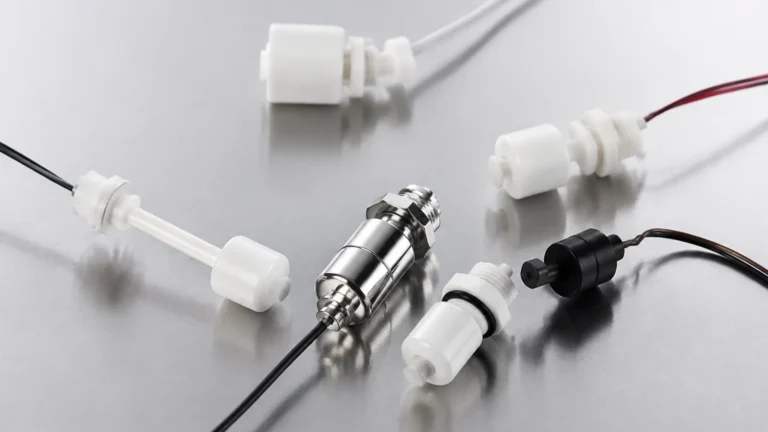
MLGs utilize a float containing a high-intensity magnet. As the liquid level rises or falls, the float moves a series of external flags or a transmitter. This provides a clear visual indication and a secondary electronic signal, making it a preferred choice for high-pressure boilers and separator tanks in the oil and gas sector.
Key Selection Criteria for Hydrocarbon Processing Analysis Instruments
Selecting the correct instrument requires a deep dive into the chemical and physical properties of the process media. In hydrocarbon processing, the following factors are decisive:
1. Dielectric Constant (εr): Many hydrocarbons have low dielectric constants (1.7 to 2.2). This influences the strength of radar reflections. Guided wave radar is often required for fluids with εr < 2.0 to ensure signal reliability.
2. Process Temperature and Pressure: Refining processes can range from cryogenic temperatures (LNG at -162°C) to high-heat cracking processes exceeding 400°C. Instruments must be rated for these extremes without losing calibration.
3. Vapor Space Composition: The presence of heavy vapors, steam, or dust can attenuate signals. Radar is generally immune to these factors, whereas ultrasonic sensors may fail.
4. Interface Measurement: In many hydrocarbon processes, such as desolters or separators, it is necessary to measure the interface between oil and water. GWR is uniquely suited for this, as the signal can pass through the top hydrocarbon layer and reflect off the more conductive water layer.
Technical Comparison Table
The following table summarizes the suitability of different technologies for common hydrocarbon processing applications.
| Technology | Best For | Limitations | Typical Accuracy |
| :— | :— | :— | :— |
| Guided Wave Radar | Interface, Low Dielectric Fluids | Probe fouling in heavy crude | ±2 mm |
| Non-Contact Radar | Large Storage Tanks, Corrosives | Signal loss in heavy foam | ±1 mm to ±5 mm |
| Hydrostatic | Constant Density Liquids | Affected by density changes | ±0.1% of Span |
| Magnetic Gauge | High-Pressure Vessels | Mechanical wear of float | ±5 mm |
| Ultrasonic | Water Treatment/Sumps | Unreliable in vacuum/high vapor | ±0.25% of Range |
Installation Considerations in Refinery Environments
Correct installation is as vital as instrument selection. In hydrocarbon processing, the environment is often classified as a hazardous area (ATEX/IECEx zones), requiring explosion-proof or intrinsically safe housings.
Nozzle and Stilling Well Geometry
For radar instruments, the nozzle height and diameter must be carefully managed to prevent signal interference. If a tank contains internal agitators, heating coils, or baffles, a stilling well or bypass chamber is recommended. This provides a "quiet" environment for the measurement, eliminating turbulence and surface foam.
Mounting Position
The sensor should not be mounted in the center of a tank (to avoid multiple reflections from the tank walls) or too close to the fill inlet (to avoid measuring the falling stream of liquid). For hydrostatic transmitters, the sensor must be placed at a point where sediment or sludge will not accumulate and block the diaphragm.
Grounding and Shielding
Given the high electrical noise in industrial plants, signal cables must be properly shielded and grounded at one end to prevent interference with the 4-20mA or digital (HART, Foundation Fieldbus) signals.
Limitations and Operational Challenges
While modern hydrocarbon processing analysis instruments are highly advanced, they are not without limitations. Engineers must account for:
* Paraffin and Asphaltene Buildup: In heavy oil applications, waxes can coat radar probes or clog pressure ports. Specialized coatings or flushing ports are often necessary to maintain functionality.
* Foaming: High-pressure let-down or chemical reactions can create foam. While low-frequency radar can sometimes penetrate foam, thick or metallic foams may reflect the signal prematurely, leading to false high-level readings.
* Density Fluctuations: Hydrostatic systems are sensitive to changes in fluid composition. If a refinery switches from a light sweet crude to a heavy sour crude, the level measurement will drift unless the system is re-calibrated for the new specific gravity.
Frequently Asked Questions (FAQ)
Q: Why is Guided Wave Radar preferred over Non-Contact Radar for LPG?
A: Liquefied Petroleum Gas (LPG) has a very low dielectric constant. A non-contact radar signal might pass through the liquid and reflect off the bottom of the tank instead of the surface. Guided Wave Radar uses a probe to concentrate the energy, allowing it to detect the surface of low-reflection fluids more reliably.
Q: How do I handle level measurement in a vacuum distillation column?
A: Vacuum conditions rule out ultrasonic sensors because sound requires a medium to travel. Radar (both GWR and non-contact) works perfectly in a vacuum. However, the high temperatures in distillation columns often require the use of cooling fins or remote electronics to protect the sensor head.
Q: Can one instrument measure both total level and interface?
A: Yes, advanced Guided Wave Radar transmitters are designed to detect two distinct echoes—the first from the upper liquid surface (e.g., oil) and the second from the interface level (e.g., water). This is common in separator applications.
Q: What is the maintenance cycle for these instruments?
A: Most solid-state electronic instruments like radar require minimal maintenance. However, mechanical systems like magnetic level gauges should be inspected annually for float integrity and sediment buildup in the chamber.
Conclusion and Engineering Support
Integrating the right hydrocarbon processing analysis instruments is a multifaceted task that requires balancing technical specifications with environmental constraints. Whether managing a simple storage terminal or a complex multi-stage refinery, the choice of technology directly impacts the bottom line through reduced waste and enhanced safety.
Welk provides a wide range of industrial level measurement solutions, including radar, ultrasonic, and hydrostatic transmitters tailored for the rigors of the oil and gas industry. For detailed product specifications and application-specific engineering support, professionals are encouraged to visit the Main Page to explore the full catalog of measurement technologies. By combining advanced measurement principles with robust hardware, operators can ensure their hydrocarbon processing facilities remain efficient and compliant in an increasingly demanding global market.
Download Hydrocarbon Processing Analysis Instruments as a PDF