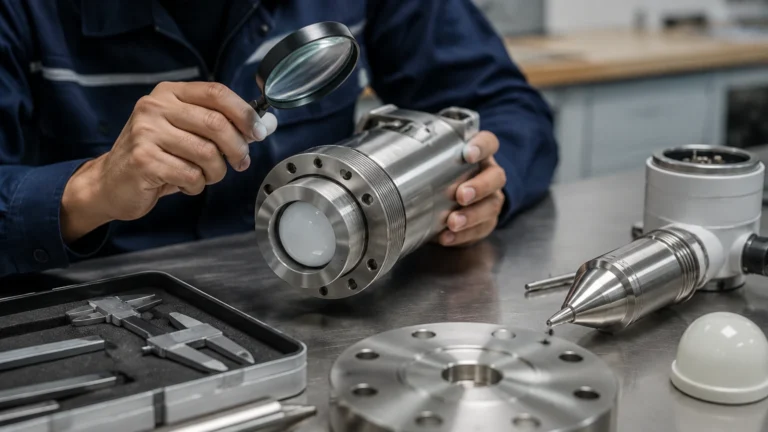
What Is Vg2 on a Radar Detector
What Is Vg2 on a Radar Detector
In the realm of signal detection and electromagnetic surveillance, the term "VG-2" represents a pivotal era in the cat-and-mouse game between signal emitters and signal receivers. While primarily discussed in the context of automotive radar detectors and law enforcement, the underlying principles of VG-2—specifically signal leakage, superheterodyne receiver architecture, and electromagnetic compatibility (EMC)—are deeply relevant to industrial automation.
For engineers and procurement specialists working with industrial instrumentation, understanding how one device can detect another's presence through unintended emissions is critical. This guide explores the technical definition of VG-2, how it functions, and how these same physics principles govern the reliability and isolation of industrial radar level meters used in process industries.
Understanding the VG-2 Standard
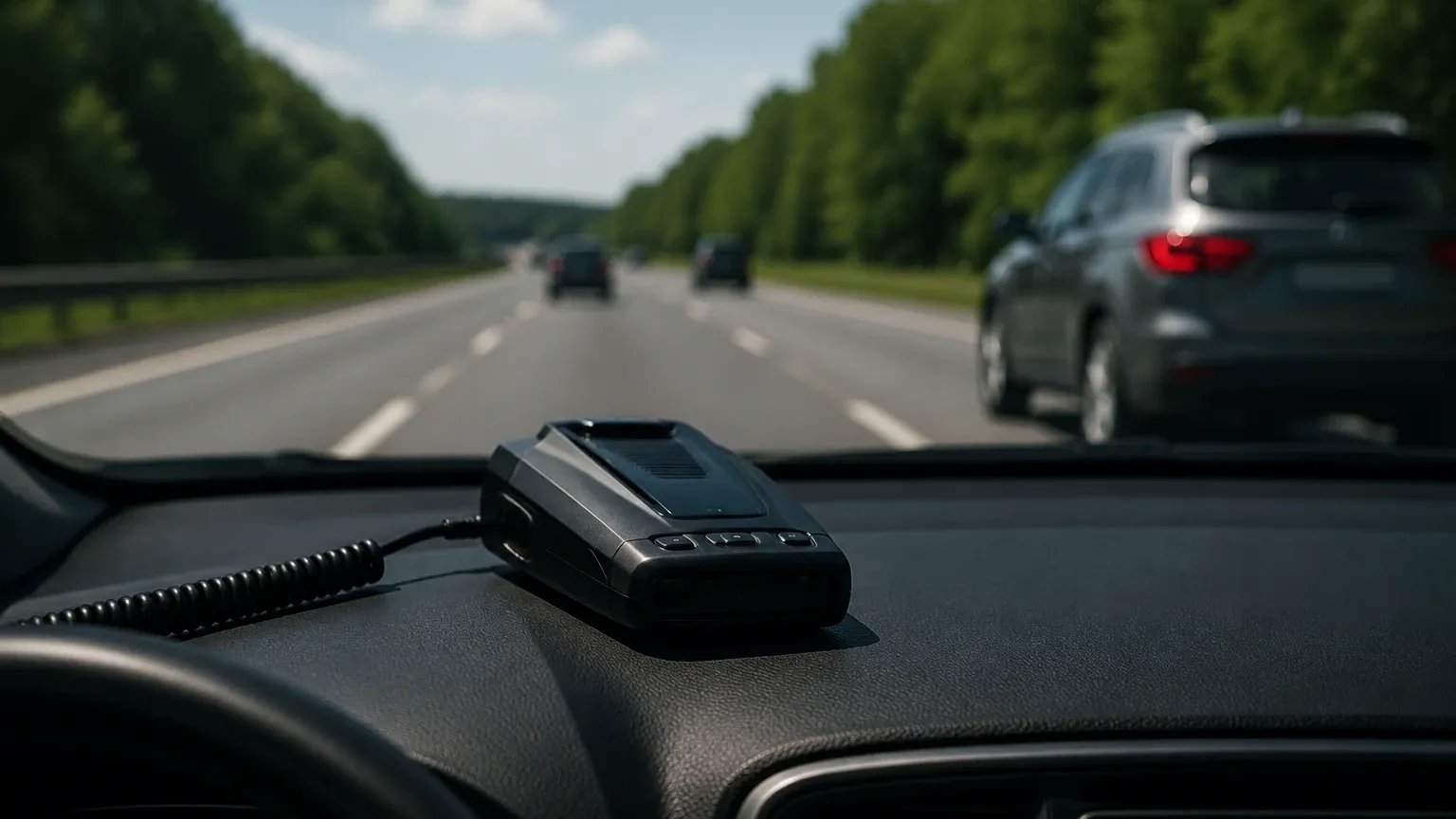
VG-2 is a specific type of "Radar Detector Detector" (RDD). It is a microwave receiver used by law enforcement agencies to identify vehicles equipped with radar detectors, particularly in jurisdictions where such devices are prohibited.
To understand what VG-2 is, one must first understand how a standard radar detector works. Most radar detectors are designed as superheterodyne receivers. These devices use an internal component called a local oscillator (LO) to create a radio frequency (RF) signal. This internal signal is mixed with the incoming radar signal from a police gun to produce an intermediate frequency that the device can process.
However, these local oscillators are not perfectly shielded. They "leak" a small amount of RF energy through the detector’s antenna. The VG-2 is essentially a highly sensitive receiver tuned specifically to the frequency of the local oscillators used in most consumer radar detectors. When a VG-2 device picks up this leaked frequency, it alerts the officer that a radar detector is in use nearby.
The Physics of Signal Leakage and Interference
In the industrial sector, particularly when deploying high-frequency level measurement instruments, the concept of signal leakage is addressed under the umbrella of Electromagnetic Compatibility (EMC). Just as a VG-2 identifies a radar detector by its unintended emissions, industrial sensors must be designed to ensure their signals do not interfere with other sensitive electronics on-site.
Superheterodyne vs. Direct Sampling
In older electronics, the superheterodyne method was standard because it allowed for high sensitivity with the components available at the time. Modern industrial radar level meters, such as those provided by Welk, often utilize advanced digital signal processing (DSP) and superior shielding to minimize the "noise" or leakage that could affect nearby equipment.
Shielding and Isolation
In an industrial plant, multiple radar level meters may be installed in close proximity—for example, on a row of chemical storage tanks. If these units were to leak signals similar to how a consumer radar detector leaks to a VG-2, they could cause "cross-talk," leading to false level readings and potential process overflows. Industrial-grade radar instruments use heavy-duty enclosures (often IP66/IP67 or higher) and specialized antenna designs to ensure that the energy is directed strictly toward the product surface and that internal oscillator noise is contained.
Measurement Principles of Industrial Radar
Before selecting a level measurement solution, it is vital to understand the two primary radar technologies used in the industry: Pulse Radar and Frequency Modulated Continuous Wave (FMCW). Both operate on the principle of measuring the "Time of Flight" (ToF) of electromagnetic waves, but they handle signal emission differently.
1. Pulse Radar
Pulse radar level meters emit a short microwave pulse and then wait for the reflection. The distance is calculated based on the time interval between transmission and reception. Because the device is "silent" between pulses, it generally has lower power consumption, though it may be more susceptible to noise in complex environments.
2. FMCW Radar
FMCW (Frequency Modulated Continuous Wave) radar, which is the gold standard for high-precision industrial applications, transmits a continuous signal with a constantly changing frequency. The distance is determined by the frequency difference between the transmitted signal and the reflected signal at any given moment. This method provides superior accuracy and is much more robust against the types of interference that might trigger a device like a VG-2.
For those evaluating these technologies for specific tank or silo applications, you can Review product options and application support to determine which frequency band (e.g., 26GHz vs. 80GHz) best suits your environment.
Selection Table: Radar Technology Comparison
When choosing between different radar configurations, engineers must balance sensitivity, frequency, and the potential for interference.
| Feature | Pulse Radar (6GHz – 26GHz) | FMCW Radar (26GHz – 80GHz) |
| :— | :— | :— |
| Accuracy | ±5mm to ±10mm | Up to ±1mm |
| Signal Strength | Moderate; pulses can dissipate | High; continuous signal integration |
| Interference Risk | Low (intermittent emission) | Very Low (due to frequency modulation) |
| Application | Simple liquids, large tanks | Agitated liquids, solids, narrow nozzles |
| Beam Angle | Wider (approx. 10° – 20°) | Narrow (approx. 3° – 8°) |
| Cost | Generally more economical | Higher investment for precision |
Installation Considerations for Signal Integrity
To prevent the industrial equivalent of "VG-2 detection" (interference and signal degradation), proper installation is paramount. Even the most advanced radar level meter can fail if electromagnetic and physical boundaries are ignored.
1. Nozzle Height and Diameter: The mounting nozzle should be as short as possible. If a nozzle is too long or narrow, the radar signal can bounce off the internal walls of the nozzle, creating "ringing" or false echoes that mask the true level of the product.
2. Obstruction Avoidance: Radar beams spread as they travel. Internal tank structures like ladders, agitators, or heating coils can reflect the signal. Using a high-frequency (80GHz) radar with a narrow beam angle helps avoid these obstacles.
3. Dielectric Constant (Dk): Radar relies on the reflection of waves off the surface of the medium. Materials with a low dielectric constant (like liquid nitrogen or certain oils) reflect very little energy. In these cases, a guided wave radar (GWR) or a high-sensitivity FMCW unit is required.
4. Grounding: Proper electrical grounding of the instrument housing is essential to drain any stray electromagnetic energy, ensuring the device complies with local EMC regulations and does not interfere with wireless communication networks in the plant.
Limitations and Challenges
While radar is one of the most versatile level measurement technologies, it is not without limitations.
* Heavy Foam: Extremely dense, thick foam can absorb microwave signals rather than reflecting them, leading to a loss of signal.
* Vacuum Conditions: While radar works in a vacuum (unlike ultrasonic sensors), the mechanical seals of the radar unit must be rated for vacuum pressures to prevent damage to the internal electronics.
* Extreme Temperatures: While the microwave signal itself is unaffected by temperature, the sensor electronics and the antenna seals have specific thermal limits. High-temperature spacers or cooling fins may be necessary for molten metal or steam applications.
Frequently Asked Questions (FAQ)
Does "VG-2 Cloaking" exist for industrial sensors?
In the consumer world, "stealth" radar detectors use high-quality shielding to prevent VG-2 from detecting their local oscillators. In the industrial world, this is known as "Electromagnetic Shielding." High-quality industrial meters are housed in cast aluminum or stainless steel enclosures specifically designed to prevent signal leakage and protect the internal circuitry from external RF interference.
Can two radar level meters interfere with each other?
If two units are operating at the same frequency and are mounted very close together in an open-air environment, there is a small possibility of interference. However, most modern FMCW radars use unique signal coding or slight frequency offsets to ensure that a receiver only recognizes its own reflected signal.
What is the difference between VG-2 and Spectre?
Spectre is a more advanced version of an RDD (Radar Detector Detector) that can detect even "stealthy" radar detectors that are immune to the older VG-2 technology. Similarly, in industrial settings, as detection technology improves, the standards for EMC and signal isolation continue to evolve, requiring manufacturers like Welk to constantly update their filtering algorithms.
Why is 80GHz radar becoming the industry standard?
Higher frequency (80GHz) allows for a much smaller antenna and a narrower beam angle (as small as 3 degrees). This precision minimizes reflections from tank walls and internal obstructions, effectively reducing the "noise" and making the signal much easier to process compared to older 6GHz or 26GHz models.
Conclusion
Whether discussing the detection of a hidden device on a highway via VG-2 or the precision measurement of a volatile chemical in a process vessel, the core principles remain the same: the management of electromagnetic signals. For the B2B professional, the lesson of VG-2 is a reminder that every electronic device is both a transmitter and a potential receiver. Selecting industrial instruments with superior shielding, advanced measurement principles, and robust EMC compliance is the only way to ensure long-term operational reliability.
For more technical specifications on how modern radar instruments manage signal integrity in complex environments, visit the Main Page for comprehensive data sheets and engineering support.