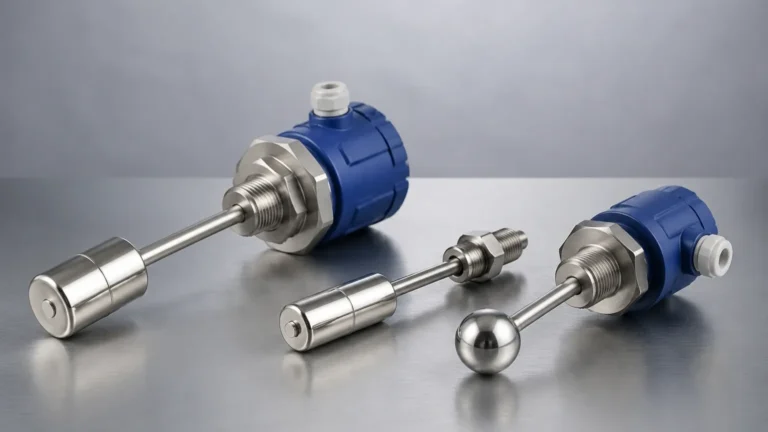
Atex Level Switches
Atex Level Switches
In industrial environments where flammable gases, vapors, or combustible dusts are present, safety is the primary engineering priority. Point level detection in these areas requires specialized equipment that prevents the ignition of the surrounding atmosphere. This is where atex level switches become indispensable. ATEX (Appareils destinés à être utilisés en ATmosphères EXplosibles) refers to the European Union directives that regulate equipment used in explosive atmospheres. Selecting the right level switch for these zones involves a deep understanding of both the measurement physics and the specific hazardous area classification.
Point level switches serve as critical components in process automation, providing high-level alarms to prevent overfills or low-level alarms to protect pumps from running dry. When these tasks occur in a refinery, a chemical plant, or a grain silo, the Level Switches must be designed to contain internal explosions or limit energy levels to prevent sparks.
Understanding ATEX Zones and Classifications
Before selecting a level switch, engineers must identify the specific hazardous zone where the instrument will be installed. ATEX classifies environments based on the frequency and duration of the occurrence of an explosive atmosphere.
Gas, Vapor, and Mist (Zones 0, 1, and 2)
* Zone 0: A place in which an explosive atmosphere is present continuously or for long periods. Level switches installed inside a fuel tank usually fall under this category.
* Zone 1: A place in which an explosive atmosphere is likely to occur in normal operation occasionally.
* Zone 2: A place in which an explosive atmosphere is not likely to occur in normal operation but, if it does occur, will persist for a short period only.
Dust (Zones 20, 21, and 22)
* Zone 20: A place in which an explosive atmosphere in the form of a cloud of combustible dust in air is present continuously or for long periods.
* Zone 21: A place in which an explosive atmosphere in the form of a cloud of combustible dust in air is likely to occur in normal operation occasionally.
* Zone 22: A place in which an explosive atmosphere in the form of a cloud of combustible dust in air is not likely to occur in normal operation but, if it does occur, will persist for a short period only.
For atex level switches, the protection method is usually "Ex d" (flameproof/explosion-proof) or "Ex i" (intrinsic safety). Ex d enclosures are designed to contain an internal explosion and prevent it from igniting the external atmosphere. Ex i circuits limit the electrical and thermal energy to levels that cannot cause ignition.
Measurement Principles for Level Switches
Choosing the correct measurement principle is vital for reliability. Each technology interacts differently with the process media and the hazardous environment.
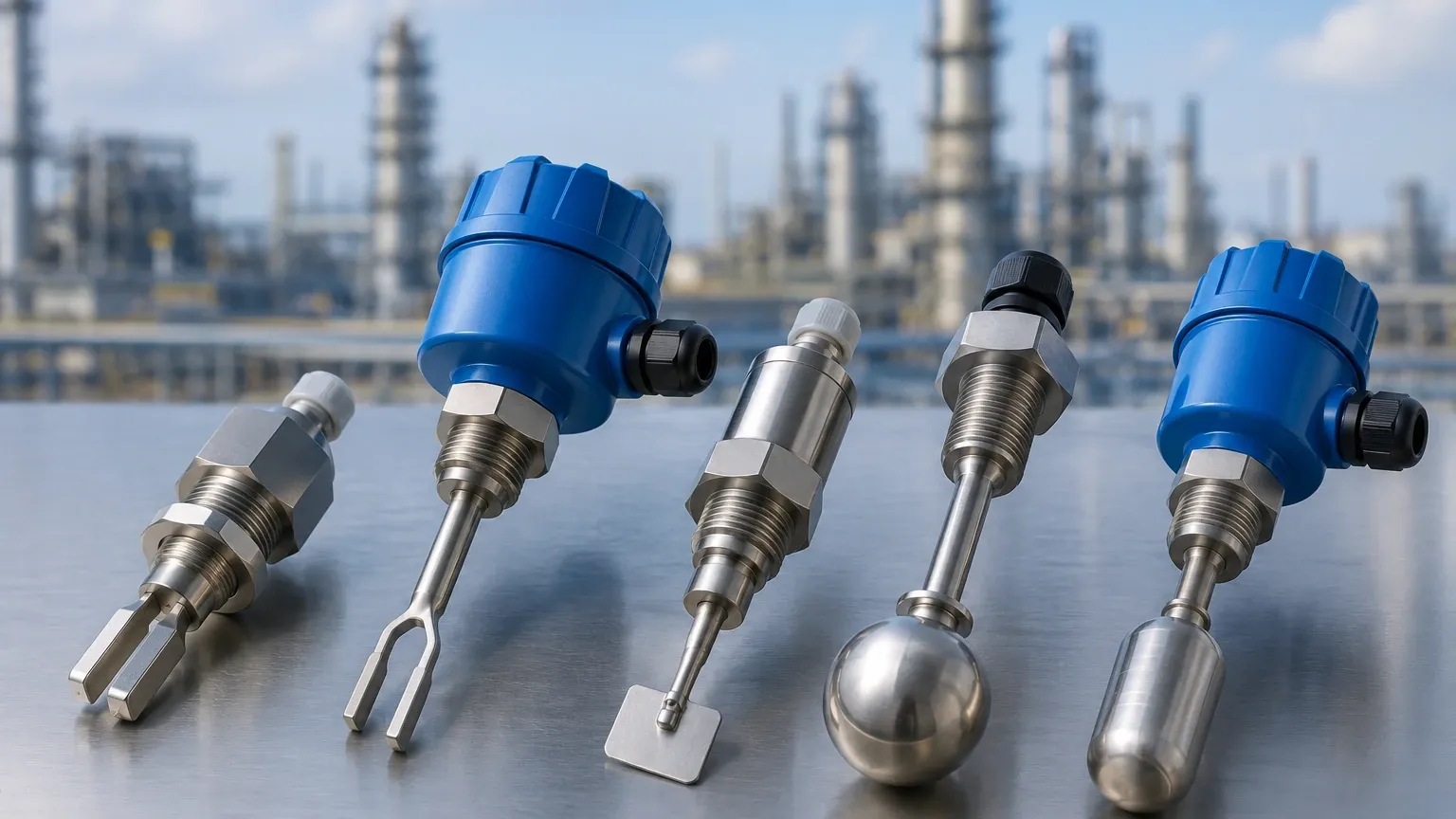
1. Vibrating Fork (Tuning Fork)
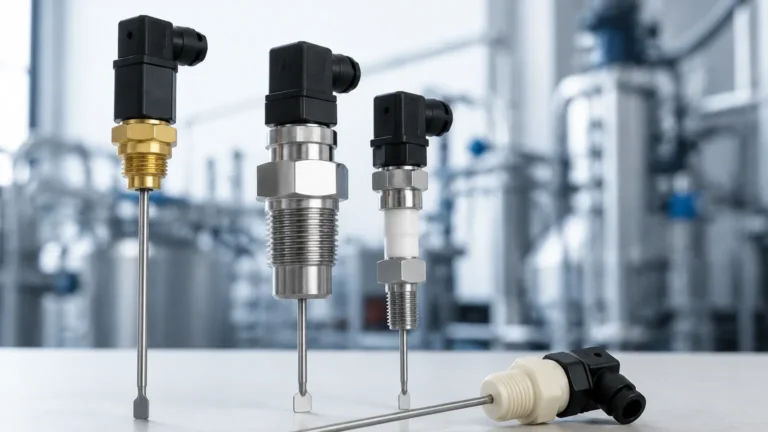
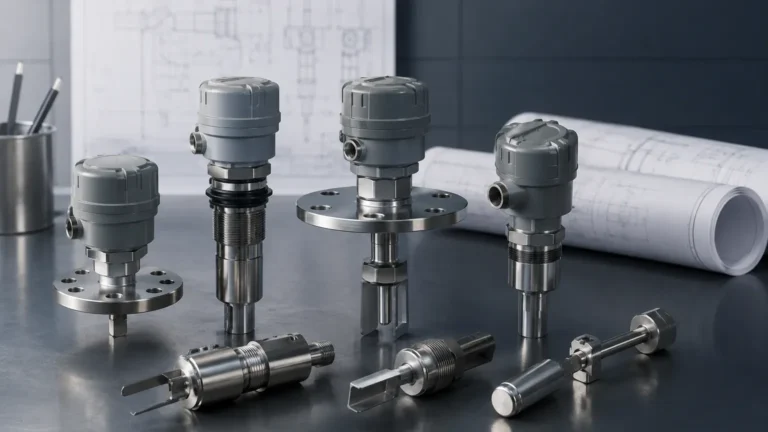
This is one of the most versatile technologies for liquid and solid point level detection. A piezoelectric crystal vibrates the fork at its natural resonance frequency. When the fork is submerged in the medium, the frequency shifts. The internal electronics detect this change and trigger the switch output.
* Advantages: Immune to turbulence, bubbles, and external vibrations. No moving parts mean low maintenance.
* ATEX Application: Commonly used in Zone 0 and Zone 1 for overfill protection in chemical tanks.
2. Rotary Paddle
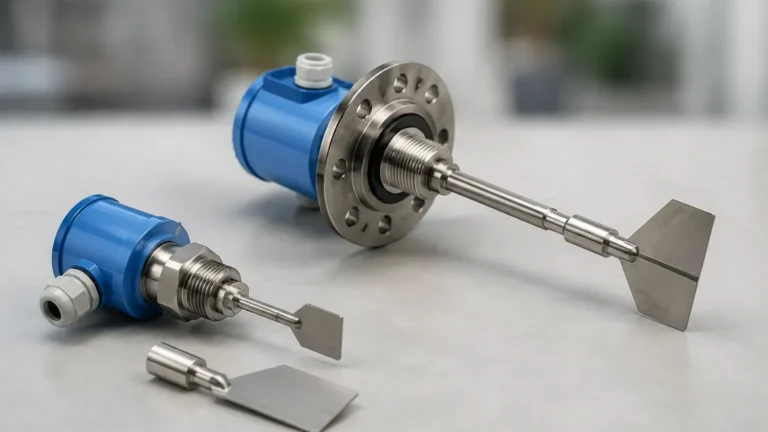
Primarily used for bulk solids and powders. A low-speed motor rotates a paddle. When the material reaches the paddle, the rotation is impeded. The resulting torque activates a microswitch, which stops the motor and signals the level alarm.
* Advantages: Robust and easy to install. Excellent for heavy materials like sand or grain.
* ATEX Application: Essential for Zone 20/21 dust environments, such as flour mills or plastic pellet silos.
3. Float Switches
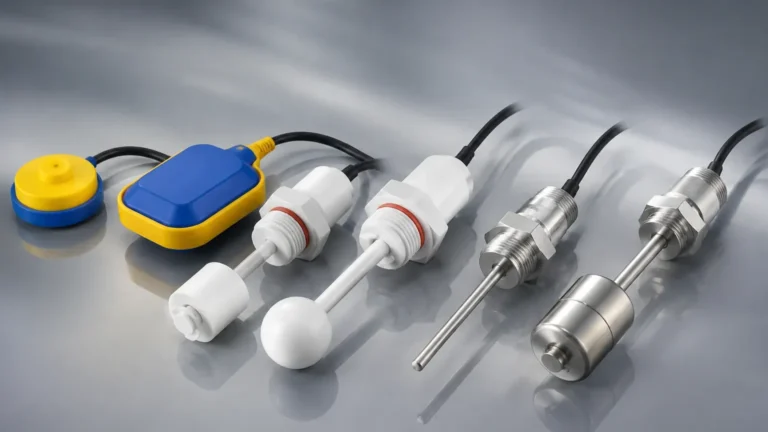
Float switches operate on the principle of buoyancy. A magnetic float moves with the liquid level along a stem. Inside the stem, a reed switch is activated by the magnet.
* Advantages: Simple, cost-effective, and requires no external power for the sensing element itself (though the output circuit must be protected).
* ATEX Application: Often used in water treatment and oil-water separators in Zone 1 areas.
4. Capacitance Level Switches
These switches detect the change in electrical capacitance between the sensor probe and the tank wall (or a reference electrode). As the material covers the probe, the dielectric constant changes, altering the capacitance and triggering the switch.
* Advantages: Can handle high temperatures and pressures. Suitable for both liquids and solids.
* ATEX Application: Useful for aggressive chemicals where non-contact or coated probes are required.
Selection Criteria for Hazardous Areas
When specifying atex level switches, engineers must look beyond the ATEX certificate. The following technical parameters are critical:
1. Process Temperature and Pressure: Hazardous areas often involve extreme conditions. Ensure the switch is rated for the maximum process pressure (e.g., 40 bar) and temperature (e.g., 150°C). Note that the ATEX temperature class (T1-T6) refers to the maximum surface temperature of the device, not the process temperature.
2. Material Compatibility: The wetted parts (316L stainless steel, PTFE, Hastelloy) must resist corrosion from the process media. In ATEX zones, corrosion can lead to leaks, which creates a hazardous atmosphere.
3. Media Density and Viscosity: Vibrating forks require a minimum density to function (typically >0.5 g/cm³). Rotary paddles need sufficient torque resistance from the material.
4. Ingress Protection (IP Rating): For outdoor or wash-down areas, an IP66 or IP67 rating is necessary to prevent moisture from entering the explosion-proof housing.
Practical Selection Table
| Technology | Best Suited For | ATEX Zone Suitability | Key Limitation |
| :— | :— | :— | :— |
| Vibrating Fork | Liquids, Slurries, Fine Powders | Zones 0, 1, 2, 20, 21, 22 | High-viscosity coating/buildup |
| Rotary Paddle | Bulk Solids, Grains, Ores | Zones 20, 21, 22 | Mechanical wear in abrasive media |
| Float Switch | Clean Liquids, Water, Oils | Zones 1, 2 | Moving parts susceptible to debris |
| Capacitance | Liquids, Solids, Interface | Zones 0, 1, 2, 20, 21, 22 | Sensitive to changes in moisture |
Installation Considerations in ATEX Zones
Correct installation is as important as the hardware itself. Failure to follow ATEX installation standards (such as EN 60079-14) can void the certification and create significant risks.
* Cable Glands: Only ATEX-certified cable glands matching the protection type (Ex d or Ex e) must be used. They must provide a proper seal to maintain the integrity of the enclosure.
* Earthing and Bonding: Proper grounding is mandatory to prevent the buildup of static electricity, which is a common ignition source in dust environments.
* Intrinsic Safety Barriers: If using an "Ex i" (Intrinsically Safe) switch, a galvanic isolator or Zener barrier must be installed in the safe area to limit the energy sent to the hazardous area.
* Mounting Position: Avoid mounting switches directly in the path of the material inflow, as this can cause false triggering or mechanical damage to the probe.
Limitations and Common Risks
While atex level switches are designed for safety, they are not infallible. One common risk is the "T-Class" violation. If a process runs hotter than the switch's temperature rating (e.g., a T6 switch used in a T3 environment), the surface of the switch could become an ignition source.
Another limitation is material buildup. In vibrating fork switches, if a thick, sticky medium bridges the two tines, the fork will continue to vibrate at the "covered" frequency even after the level drops. Regular maintenance and choosing the correct probe coating can mitigate this.
In rotary paddle applications, the motor is the most common point of failure. Modern designs include a "motor slip" feature or a motor-off function when the paddle is stalled to extend the lifespan of the unit.
Frequently Asked Questions (FAQs)
Q: Can I use a standard level switch in an ATEX zone if I put it in an explosion-proof box?
A: No. The entire assembly, including the sensor probe and the electronics, must be certified as a system. Modifying a standard switch or using uncertified components in a hazardous area is a violation of safety regulations.
Q: What is the difference between Ex d and Ex i for level switches?
A: Ex d (Flameproof) uses a heavy-duty enclosure to contain an explosion. Ex i (Intrinsic Safety) limits the electrical energy so that a spark or heat cannot occur in the first place. Ex i is often preferred for Zone 0 because it is inherently safer, but it requires the use of safety barriers in the control cabinet.
Q: How often should ATEX level switches be inspected?
A: Industrial standards typically recommend a detailed inspection every 1 to 3 years, depending on the severity of the environment. However, functional tests (checking if the switch triggers an alarm) should be performed more frequently as part of the facility's safety instrumented system (SIS) testing.
Q: Do ATEX level switches work with all types of dust?
A: They work with most combustible dusts, but the user must confirm the dust's ignition temperature and the switch's maximum surface temperature. Conductive dusts (like metal powders) may require specific capacitance probe insulation.
Conclusion
Selecting atex level switches requires a balanced approach between process requirements and safety compliance. By understanding the measurement principles—whether it be the vibration of a fork or the resistance of a rotary paddle—and strictly adhering to ATEX zone classifications, engineers can ensure reliable point level detection in the most challenging environments. Always verify the certification markings on the device and ensure that the installation complies with local hazardous area regulations to maintain a safe and productive facility.