Float Level Switches South Africa
Float Level Switches South Africa
In the diverse industrial landscape of South Africa, ranging from deep-level mining operations in the North West to extensive water treatment facilities in Gauteng and petrochemical plants in KwaZulu-Natal, reliable point-level detection is a fundamental requirement. Float level switches represent one of the most established, cost-effective, and robust technologies for managing liquid levels in tanks, sumps, and reservoirs. This guide examines the technical principles, selection criteria, and practical applications of float level switches within the South African industrial context.
Understanding the Measurement Principle
Float level switches operate on the principle of buoyancy, as defined by Archimedes' Law. A float—an object with a lower density than the process liquid—is submerged or partially submerged in the fluid. As the liquid level rises or falls, the float moves accordingly. This mechanical movement is then converted into an electrical signal to indicate a specific level threshold (high, low, or intermediate).
There are two primary methods by which this mechanical movement triggers an electrical response:
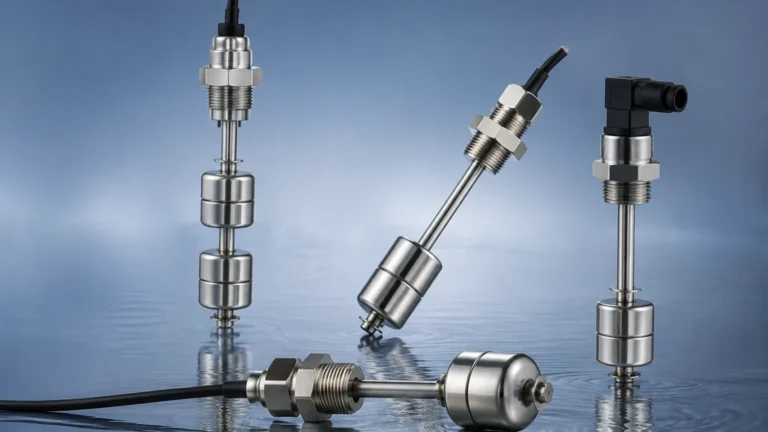
1. Magnetic Reed Switches: In this design, the float contains a permanent magnet. As the float slides up or down a stationary stem (which contains a hermetically sealed reed switch), the magnetic field causes the reed switch contacts to open or close. This method is highly reliable as the electrical components are completely isolated from the process media.
2. Mechanical Microswitches: Often found in cable-hung or "tilt" switches, the float contains a heavy ball or a weighted mechanism. When the float tilts beyond a certain angle due to the rising liquid, the internal weight shifts, physically depressing a microswitch to change the state of the circuit.
For industrial automation and safety, these Level Switches provide the critical "dry contact" signals required to start or stop pumps, open or close valves, or trigger high-level alarms to prevent environmental spills.
Types of Float Level Switches for South African Industry
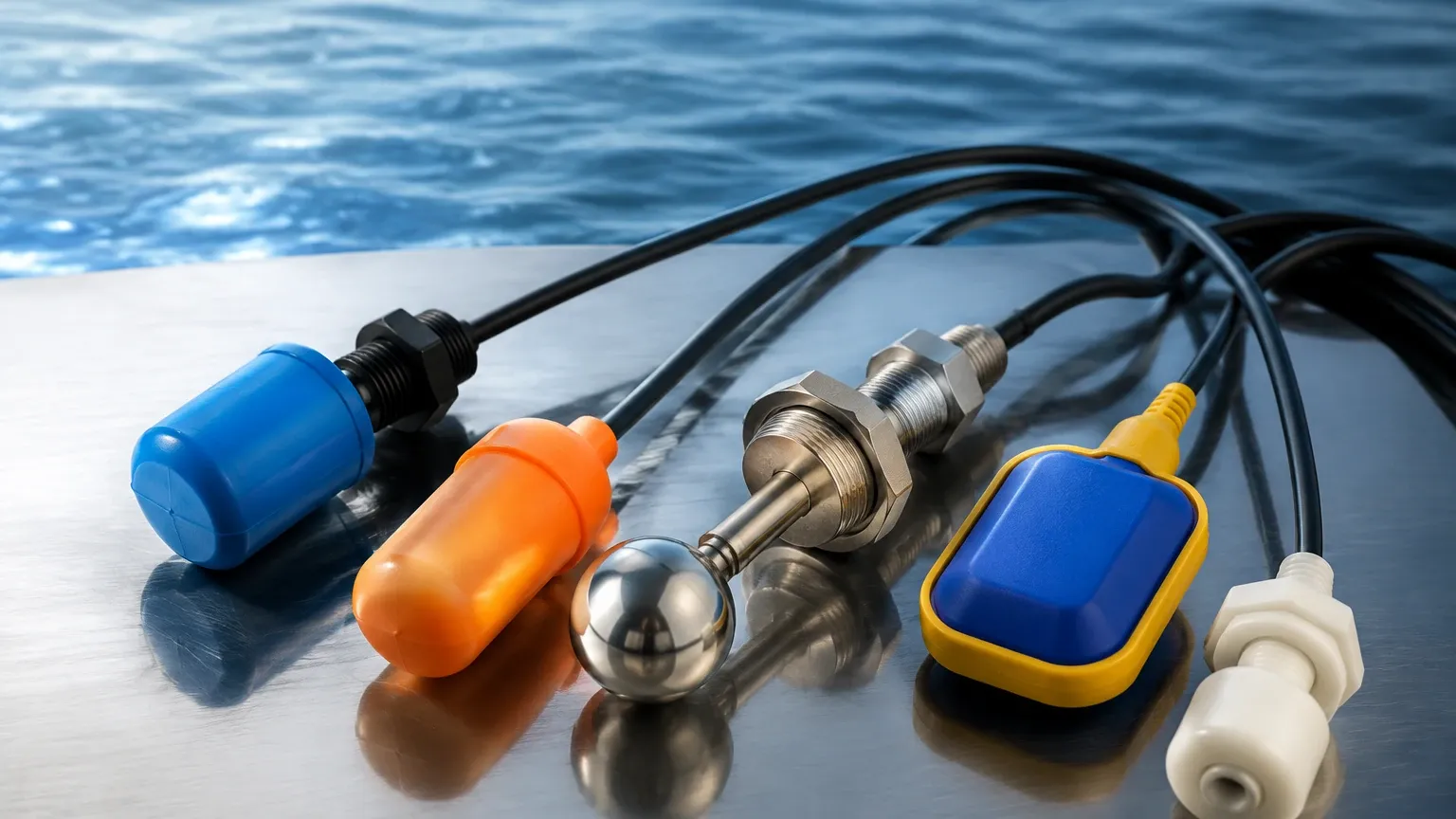
Selecting the correct hardware depends heavily on the specific tank geometry and the nature of the liquid being measured. In the South African market, three main configurations dominate the industrial sector.
Cable-Suspended Float Switches
These are the most common switches for wastewater and sewage applications. They consist of a float housing attached to a flexible, chemical-resistant cable. The switching point is adjusted by moving a counterweight along the cable or by securing the cable at a specific height. They are ideal for large open pits or sumps where turbulence might damage a rigid stem.
Vertical Stem-Mounted Switches
Used primarily in chemical processing and fuel storage, these switches feature a rigid rod (stem) with one or more floats. Multi-point vertical switches can monitor multiple levels (e.g., low-low, low, high, and high-high) with a single tank entry. They offer high precision and are often manufactured from 316L stainless steel or specialized plastics like PVDF for corrosive environments.
Side-Mounted Horizontal Switches
When top access to a tank is restricted, side-mounted switches are installed through the tank wall. These typically use a hinged float arm. As the level reaches the float, the arm pivots, activating a switch. These are frequently used in small process vessels or as secondary safety cut-offs in hydraulic power units.
Selection Criteria for Float Level Switches South Africa
When sourcing float level switches in South Africa, engineers must account for unique environmental and process conditions. The following factors are critical for ensuring long-term reliability:
Material Compatibility and Corrosion
In South African mining, process water often contains high concentrations of chlorides or acidic components. Standard 304 stainless steel may succumb to pitting corrosion. In such cases, 316L stainless steel or plastic-coated floats (PP, PVC, or PTFE) are mandatory. For the petrochemical sector, materials must be compatible with hydrocarbons and potentially explosive atmospheres.
Temperature and Pressure
Standard plastic float switches are typically rated for temperatures up to 60°C or 80°C. However, in steam condensate return systems or high-pressure boilers, stainless steel floats capable of withstanding 150°C and pressures up to 30 bar (3.0 MPa) are required. Always verify the specific gravity (SG) of the liquid; if the liquid is too light (low SG), the float may not rise effectively.
Environmental Protection (IP Ratings)
Given South Africa's high UV index and the potential for heavy seasonal rainfall, outdoor installations require high Ingress Protection (IP) ratings. Switches installed in outdoor reservoirs or water treatment plants should ideally be rated IP68 to ensure they remain functional even if temporarily submerged or exposed to high-pressure wash-downs.
Technical Comparison Table
| Feature | Cable-Hung (Tilt) | Vertical Stem (Magnetic) | Side-Mounted (Hinged) |
| :— | :— | :— | :— |
| Primary Application | Wastewater, Sumps | Chemicals, Fuel, Oils | Small Tanks, Hydraulics |
| Mounting | Top (Suspended) | Top or Bottom (Rigid) | Side (Horizontal) |
| Max Temperature | 60°C – 80°C | Up to 180°C (SS versions) | Up to 150°C |
| Max Pressure | Atmospheric | Up to 40 bar (4.0 MPa) | Up to 10 bar (1.0 MPa) |
| Switching Points | Single per float | Multiple (up to 7+) | Single |
| Liquid SG Min. | > 0.8 | > 0.45 | > 0.6 |
Installation and Maintenance Considerations
To maximize the lifespan of float level switches, proper installation is paramount. In South African industrial sites, where maintenance cycles may be extended, the following engineering practices are recommended:
* Turbulence Management: If a tank has an agitator or high-velocity inflow, the float can bounce, causing "chatter" in the electrical relay. In these scenarios, a stilling well (a perforated pipe) should be installed around the float to provide a calm liquid surface.
* Avoid Magnetic Interference: For magnetic reed-type switches, ensure the stem is kept away from strong external magnetic fields or ferrous metal walls that could interfere with the internal reed switch operation.
* Orientation: Vertical switches must be installed within 20° to 30° of true vertical to ensure the float slides freely along the stem without binding.
* Build-up and Scaling: In applications like lime slurry or mining thickeners, material can build up on the float, increasing its weight and causing it to sink. Regular inspection and cleaning are necessary in "dirty" applications to prevent switch failure.
Limitations of Float Technology
While highly effective, float level switches are not suitable for every application. Engineers should consider alternative technologies (such as radar or ultrasonic) if the following conditions exist:
* Highly Viscous Liquids: Extremely thick fluids or those that solidify (like bitumen or heavy resins) will prevent the float from moving.
* Granular Solids: Float switches are designed for liquids; they cannot be used for powders or grains, where rotary paddle switches or vibrating probes are more appropriate.
* Interface Measurement: While specialized floats can be weighted to sit at the interface of two liquids (e.g., oil and water), this requires very precise engineering and is sensitive to changes in liquid density.
Frequently Asked Questions (FAQs)
Q: Can I use a float switch in a hazardous (Ex) zone in South Africa?
A: Yes, but you must use a switch that is certified for hazardous areas. This usually involves using a "simple apparatus" float switch connected to an intrinsically safe (IS) barrier in the control panel, or a switch housed in an explosion-proof enclosure.
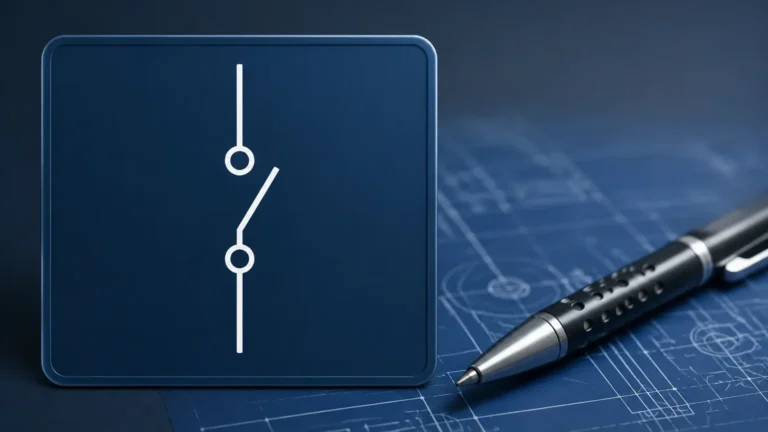
Q: What is the difference between N.O. and N.C. contacts?
A: N.O. (Normally Open) means the circuit is open when the float is at its "rest" position (usually the bottom). N.C. (Normally Closed) means the circuit is complete at rest. Most industrial float switches allow the user to reverse the action by simply flipping the float 180° on the stem.
Q: How do I handle high-power pumps with a small float switch?
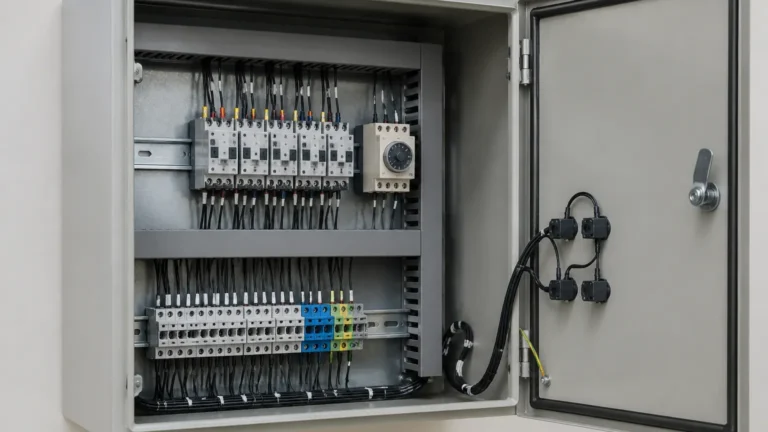
A: Float switches are generally pilot-duty devices, meaning they should not switch high-current pump motors directly. Instead, the switch should trigger a contactor or relay that handles the actual power load of the pump.
Conclusion
For industrial operators across South Africa, selecting the right level measurement tool is a balance of reliability, cost, and environmental suitability. Float level switches remain a primary choice due to their simplicity and the lack of complex electronics that can fail in harsh conditions. By understanding the specific gravity of the media, the chemical compatibility of the materials, and the physical constraints of the tank, engineers can implement a level control solution that provides years of trouble-free service. For those exploring comprehensive options for point-level control, reviewing high-quality Level Switches is the best starting point for any new project or system retrofit.