Gateron Switches List
Gateron Switches List
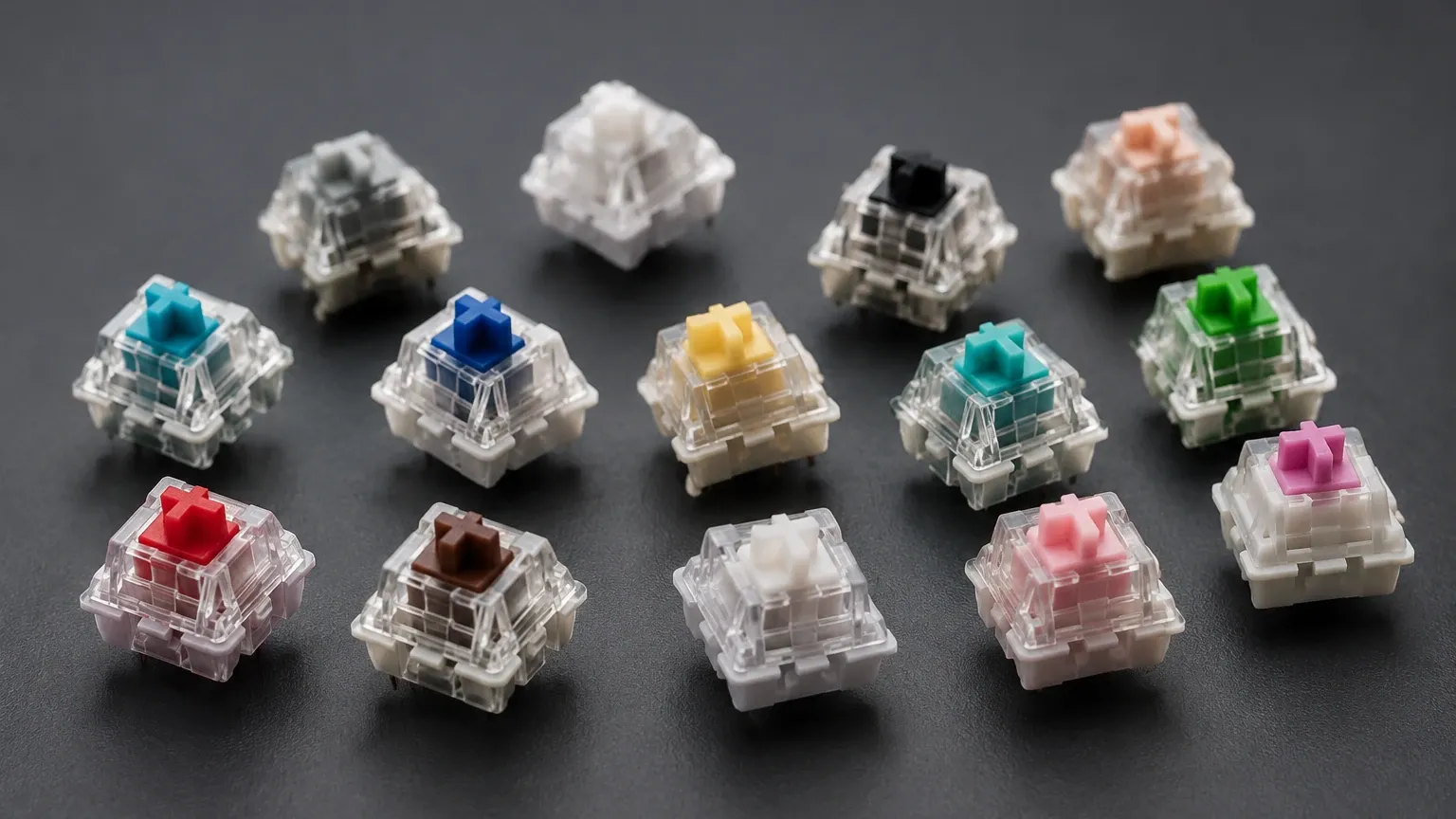
In the diverse landscape of electronic and mechanical switching, terminology often overlaps between consumer electronics and industrial automation. While a gateron switches list is a common reference for mechanical keyboard enthusiasts seeking specific tactile or linear actuation profiles for human-machine interfaces (HMI), the engineering requirements for industrial process control demand a different category of hardware. In industrial environments, the term "switch" primarily refers to Level Switches, which are critical components used to detect the presence or absence of liquids, powders, or granulated solids at specific heights within a vessel.
This guide provides a comprehensive technical overview of industrial level switching technologies, their measurement principles, and selection criteria for engineering professionals. Understanding these systems is essential for preventing tank overfills, protecting pumps from dry running, and maintaining precise inventory control in water treatment, chemical processing, and oil and gas applications.
Measurement Principles of Industrial Level Switches
Before selecting a specific device, it is vital to understand the physics governing different level detection methods. Unlike the simple mechanical contact found in a standard gateron switches list, industrial level sensors must interact with diverse media ranging from corrosive acids to viscous oils.
1. Buoyancy (Float) Principle
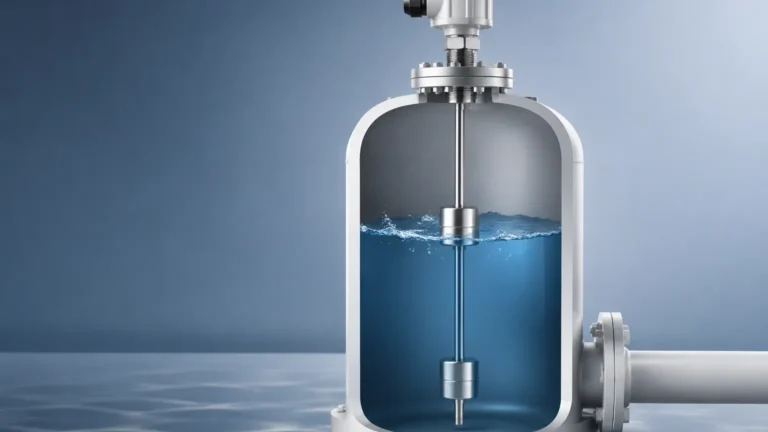
Float level switches operate on the principle of buoyancy. A float containing a permanent magnet moves with the liquid level. When the float reaches a predetermined point, the magnetic field actuates a hermetically sealed reed switch located within the stationary stem. This method is purely mechanical and does not require external power for the sensing element itself, making it highly reliable for simple high/low-level alarms.
2. Vibrating (Tuning Fork) Principle
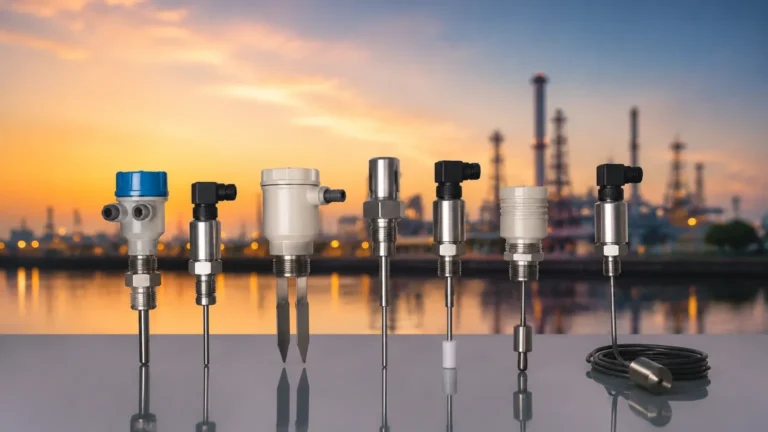
The tuning fork switch utilizes piezoelectric crystals to vibrate a metal fork at its natural resonant frequency in the air. When the fork is immersed in a medium (liquid or solid), the frequency of vibration shifts or the amplitude decreases. The internal electronics detect this change and convert it into a switching signal. This technology is particularly effective for detecting powders and granulates where build-up might occur.
3. Capacitance Principle
Capacitive level switches treat the sensor probe and the vessel wall (or a reference probe) as two plates of a capacitor. The medium acts as the dielectric. As the material level rises and covers the probe, the capacitance increases due to the higher dielectric constant of the material compared to air. This change is measured and used to trigger the switch output.
4. Optoelectronic Principle
These sensors use an infrared LED and a light receiver. Within a conical prismatic tip, the light is reflected back to the receiver when the tip is in the air. When liquid covers the tip, the light is refracted into the liquid, causing the receiver to sense a drop in intensity. This provides a very compact solution for point level detection in clean liquids.
Types of Industrial Level Switches and Their Applications
Industrial level switches are categorized by their contact method and the type of media they are designed to monitor. Selecting the wrong type can lead to sensor failure or inaccurate readings.
Magnetic Float Switches
These are the workhorses of the water treatment industry. They are available in various materials, including SUS304/316 stainless steel and plastics like PP or PVDF.
* Best for: Clean liquids, water tanks, and fuel storage.
* Limitations: Not suitable for liquids containing magnetic particles or highly viscous fluids that could cause the float to stick.
Vibrating Level Switches (Tuning Forks)
Welk tuning fork switches are designed for both liquid and solid applications. They are immune to changes in conductivity, dielectric constant, or pressure.
* Best for: Granular solids, grains, powders, and aerated liquids.
* Limitations: Extremely sticky media may bridge the forks, requiring specialized "short fork" designs.
Hydrostatic Level Switches
While often used for continuous measurement, hydrostatic transmitters can be configured with switch outputs. They measure the pressure exerted by a liquid column. For every 10 meters (approx. 32.8 feet) of water, the pressure increases by 1 bar (14.5 psi).
* Best for: Deep wells, open reservoirs, and large storage tanks.
* Limitations: Density changes in the liquid will affect the accuracy of the switch point.
Ultrasonic Level Switches
These non-contact switches emit ultrasonic pulses that reflect off the surface of the medium. The time-of-flight is measured to determine the level.
* Best for: Corrosive chemicals where contact must be avoided.
* Limitations: High-pressure environments or heavy foam can dissipate the ultrasonic signal.
Selection Criteria and Technical Specifications
When transitioning from a general component search—perhaps initiated by looking at a gateron switches list for a control panel—to specifying industrial Level Switches, engineers must evaluate several environmental factors.
Practical Selection Table
| Technology | Media Type | Temp. Range (°C) | Max Pressure (bar) | Typical Accuracy |
| :— | :— | :— | :— | :— |
| Magnetic Float | Clean Liquids | -20 to +150 | 30 | ±2 mm |
| Tuning Fork | Liquids/Solids | -40 to +150 | 40 | ±1 mm |
| Capacitance | Liquids/Paste | -40 to +200 | 25 | ±2 mm |
| Ultrasonic | Liquids | -40 to +80 | 3 | ±0.25% of range |
| Hydrostatic | Liquids | -10 to +70 | N/A (Submersible) | ±0.5% FS |
Key Evaluation Factors
1. Chemical Compatibility: Ensure the wetted parts (the parts touching the liquid) are resistant to corrosion. For example, use PTFE or PVDF for strong acids.
2. Process Temperature: Standard switches often operate up to 80°C (176°F), but high-temperature versions with cooling fins can handle up to 200°C (392°F).
3. Output Type: Determine if you need a relay output (SPDT/DPDT), a transistor output (PNP/NPN), or a two-wire loop-powered output.
4. Hazardous Areas: If the environment contains explosive gases or dust, the switch must carry ATEX or IECEx intrinsic safety or explosion-proof certifications.
Installation Considerations
Proper installation is critical to the longevity of the instrument. Even the highest quality switch will fail if installed incorrectly.
* Avoid Turbulence: Do not install a level switch directly in the path of an incoming fluid stream. The force of the fluid can damage the probe or cause false triggering. Use a stilling well if turbulence is unavoidable.
* Mounting Orientation: Float switches are often mounted vertically from the top, while tuning forks can be mounted horizontally from the side. For horizontal mounting, ensure the fork tines are oriented vertically so the material can flow through them and not rest on top of them.
* Dead Zones: Be aware of the "dead zone" or "unmeasurable zone" near the mounting flange. Ensure your switch point is within the active sensing range of the device.
* Electrical Wiring: Use shielded cables for electronic switches (ultrasonic or capacitive) to prevent electromagnetic interference (EMI) from nearby motors or variable frequency drives (VFDs).
Limitations and Common Risks
While industrial level switches are robust, they are not universal solutions. Engineers should be aware of the following risks:
* Coating and Build-up: In wastewater or slurry applications, material can build up on the sensor. Capacitance switches with "active shield" technology can ignore this build-up, but mechanical floats will eventually fail.
* Specific Gravity Changes: Float switches rely on the density of the liquid. If the process involves different fluids with varying densities, a float that works in water might sink in light oil.
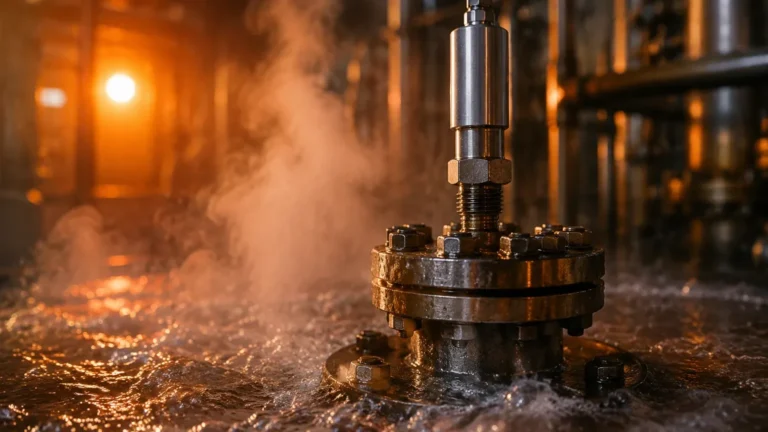
* Pressure Extremes: High-pressure tanks can crush hollow floats. Always check the pressure rating of the instrument against the maximum possible vessel pressure.
Frequently Asked Questions (FAQs)
Q: Can I use a level switch for continuous level monitoring?
A: Generally, no. A level switch provides a discrete "on/off" signal at a specific point. For continuous monitoring (e.g., 0-100% full), you should use a level transmitter, such as a radar or hydrostatic sensor.
Q: How do I test if my level switch is functioning?
A: For float switches, you can manually move the float and check for continuity with a multimeter. For tuning forks, most modern units have a test button or an LED indicator that changes color when the fork is touched or immersed.
Q: What is the difference between a NPN and PNP output?
A: This refers to the polarity of the switching signal. PNP switches provide a positive voltage output when triggered (sourcing), while NPN switches connect the load to the negative/ground (sinking). The choice depends on your PLC or controller requirements.
Q: Are there switches that can handle both liquids and solids?
A: Yes, vibrating tuning fork switches are versatile enough to handle both, provided the density of the material is within the sensor's sensitivity range (typically >0.7 g/cm³ for liquids and >0.05 g/cm³ for solids).
Conclusion
While a gateron switches list serves the needs of interface design, selecting industrial Level Switches requires a deep dive into fluid dynamics, material science, and electrical engineering. By understanding the measurement principles—from simple buoyancy to complex piezoelectric vibration—and matching them to the specific demands of your process, you can ensure a safe and efficient operation. For those specifying hardware for harsh industrial environments, Welk offers a range of customized OEM/ODM services to provide accurate and cost-effective level measurement solutions worldwide.