High Temperature Liquid Level Switches
High Temperature Liquid Level Switches
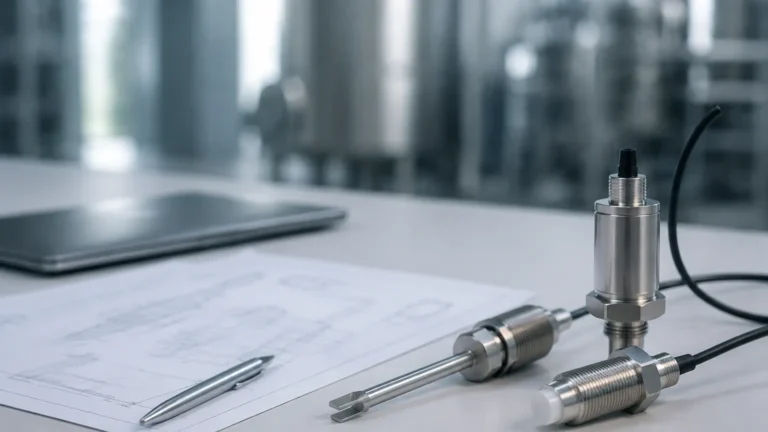
In industrial process control, monitoring liquid levels in high-temperature environments presents a significant engineering challenge. Standard level sensors often fail when exposed to extreme heat, leading to seal degradation, electronic component failure, or mechanical binding. High temperature liquid level switches are specialized instruments designed to provide reliable point-level detection in environments such as steam boilers, distillation columns, chemical reactors, and thermal oil systems.
Selecting the right technology requires a deep understanding of how thermal energy affects both the physical sensing element and the associated electronics. This guide explores the measurement principles, selection criteria, and installation best practices for Level Switches operating in elevated temperature ranges.
Measurement Principles for High-Temperature Applications
Before selecting a specific device, it is essential to understand the physical principles that allow these switches to function under thermal stress. Not all sensing technologies are suitable for high-heat environments; those that are usually incorporate specific design modifications to isolate sensitive components from the heat source.
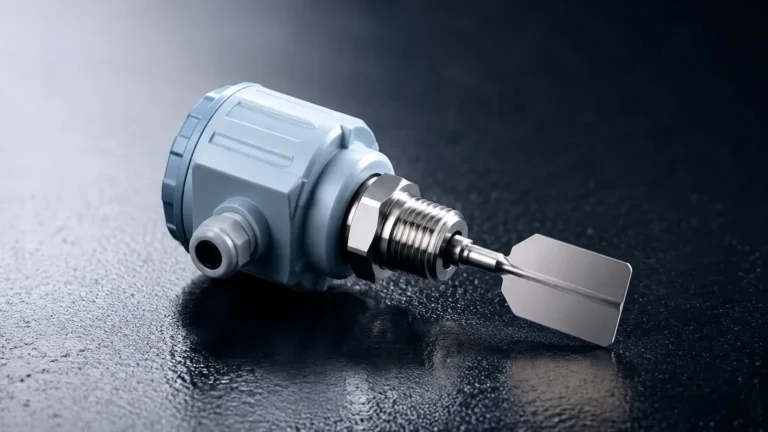
Vibrating Tuning Fork Switches
These switches utilize a tuning fork-shaped element that vibrates at its natural resonant frequency using piezoelectric crystals. When the fork is submerged in liquid, the frequency changes, which the electronics detect to trigger a switch state. For high-temperature applications, manufacturers use specialized piezoelectric elements capable of withstanding heat up to 250°C (482°F). To protect the electronics, these units often feature an extended neck or cooling fins to dissipate heat before it reaches the housing.
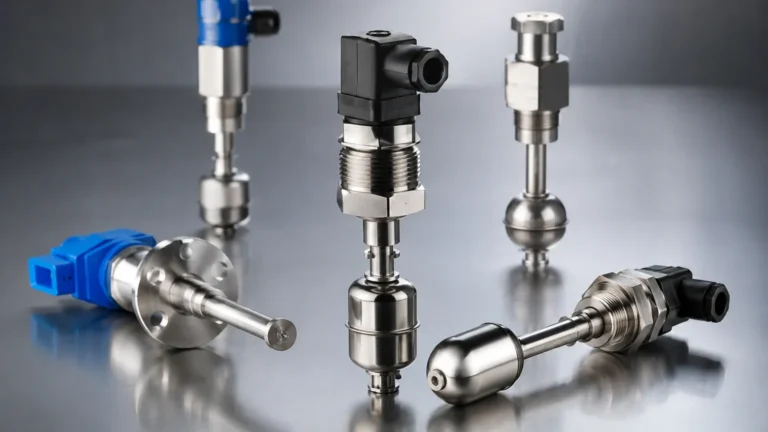
Magnetic Float Switches
Magnetic float switches operate on the principle of buoyancy. A float containing a permanent magnet moves up and down a stem as the liquid level changes. Inside the stem, a reed switch is hermetically sealed. When the magnet aligns with the reed switch, the circuit closes or opens. In high-temperature variants, the floats are typically constructed from 316L stainless steel or titanium, and the internal wiring uses ceramic or glass-fiber insulation to prevent melting. These can often handle temperatures up to 400°C (752°F) if the electronics are remotely mounted.
Capacitance Level Switches
Capacitance switches measure the change in electrical capacitance between a probe and the tank wall (or a reference electrode). As liquid replaces air, the dielectric constant changes, altering the capacitance. For high-temperature liquid level switches, the probe is usually insulated with high-grade PTFE (Teflon) or ceramic materials. Because there are no moving parts, they are highly resistant to mechanical wear caused by thermal expansion, often supporting temperatures exceeding 500°C (932°F) in specialized configurations.
Displacer Switches
Unlike float switches, displacers do not float on the surface. Instead, they are heavier than the liquid and are suspended by a spring. As the liquid level rises, the apparent weight of the displacer decreases due to buoyancy. This change in force is transmitted through a pressure-tight tube to trigger a switch. Displacers are exceptionally robust and are preferred for high-pressure, high-temperature steam applications in power plants.
Key Evaluation Criteria for High Temperature Liquid Level Switches
When specifying high temperature liquid level switches, engineers must look beyond the maximum temperature rating. The interaction between heat, pressure, and the chemical nature of the fluid dictates the longevity of the instrument.
1. Thermal Isolation and Heat Dissipation
The most common cause of failure in high-temperature switches is heat transfer to the electronic housing. Look for designs that include:
* Extended Necks: Increasing the distance between the process connection and the housing.
* Cooling Fins: Metal ridges on the neck that increase surface area for convective cooling.
* Remote Electronics: Systems where the sensing probe and the transmitter/switch housing are connected by a high-temperature cable, allowing the electronics to be mounted in a cooler ambient zone.
2. Material Compatibility and Thermal Expansion
At high temperatures, chemical corrosion rates often accelerate. A material that is resistant to a chemical at 25°C (77°F) may fail rapidly at 200°C (392°F). Furthermore, different materials expand at different rates. If a switch uses a combination of plastic and metal parts in the wetted area, thermal cycling can lead to seal failure or mechanical jamming. All-welded stainless steel or exotic alloy (Hastelloy, Monel) constructions are preferred for reliability.
3. Pressure Ratings
Temperature and pressure are inextricably linked. As temperature rises, the pressure-retaining capability of metal flanges and housings decreases. Always consult the pressure-temperature de-rating curves provided by the manufacturer to ensure the switch can handle the operating pressure at the maximum possible process temperature.
Comparison of High-Temperature Switch Technologies
| Technology | Typical Max Temp | Pressure Resistance | Best Application | Limitations |
| :— | :— | :— | :— | :— |
| Vibrating Fork | 250°C (482°F) | High | General purpose, slurries, turbulent liquids | Limited to moderate temperatures; sensitive to heavy coating |
| Magnetic Float | 400°C (752°F) | Medium | Clean oils, water, fuels | Moving parts can stick; sensitive to magnetic particles |
| Capacitance | 500°C+ (932°F+) | High | Corrosive chemicals, extreme heat | Requires calibration; sensitive to changes in dielectric constant |
| Displacer | 450°C (842°F) | Very High | Heavy industrial, oil/gas, steam drums | Large physical footprint; complex installation |
Common Risks and Mitigation Strategies
Operating level switches at the edge of their thermal envelope introduces specific risks that must be managed during the design phase.
Thermal Shock
Rapid changes in temperature, such as when a cold liquid enters a hot tank, can cause ceramic insulators to crack or metal components to warp. If thermal shock is expected, capacitance probes with specialized ceramic-to-metal seals or rugged displacer switches are recommended over more delicate vibrating fork designs.
Signal Drift
In capacitance and electronic-based switches, high temperatures can cause the internal components to shift in value, leading to "switch point drift." This means the switch may trigger at a slightly different level when hot versus when cold. High-quality high temperature liquid level switches incorporate temperature compensation circuits to negate this effect.
Gasket and Seal Degradation
Standard O-rings made of Nitrile or Viton have strict temperature limits. For extreme heat, engineers should specify graphite gaskets, metallic O-rings, or hermetically welded seals to prevent leaks. Leaking process fluid not only creates a safety hazard but can also destroy the switch electronics instantly.

Installation Considerations for High-Heat Environments
Correct installation is as critical as selecting the right technology. Failure to account for ambient conditions and mounting orientation can lead to premature failure.
1. Orientation: For high-temperature applications, horizontal mounting is often preferred if it allows the electronics housing to be positioned away from rising heat plumes. If vertical mounting is required, ensure the housing is not directly above an uninsulated steam pipe or heat source.
2. Insulation Clearance: While it is common to insulate tanks to conserve energy, the neck and cooling fins of a high-temperature level switch should never be covered by insulation. These components must be exposed to ambient air to function as a heat sink.
3. Wiring and Conduit: Use high-temperature rated cabling for the final connection to the switch. Standard PVC-jacketed wire will brittle and crack near a hot process vessel. Additionally, use a conduit seal to prevent hot gases from migrating through the conduit into the control room or junction box.
4. Stilling Wells: In boiling liquids or applications with high turbulence, a stilling well (a pipe inside the tank that shields the sensor) can prevent mechanical fatigue on the probe and reduce false triggers caused by bubbles or foam.
Frequently Asked Questions (FAQs)
Q: Can I use an ultrasonic sensor for high-temperature liquid level switching?
A: Generally, no. Standard ultrasonic sensors rely on the speed of sound, which changes significantly with air temperature and vapor composition. Furthermore, the transducer crystals have relatively low Curie points (the temperature at which they lose their piezoelectric properties). For high-heat point level detection, vibrating forks or capacitance probes are more reliable.
Q: How do I handle liquids that crystallize or coat the probe at high temperatures?
A: Vibrating tuning forks are often better at shedding light coating, but for heavy crystallization, a capacitance switch with a "coat-rejection" circuit or a heavy-duty displacer switch is more effective. Regular steam cleaning or flushing ports can also be integrated into the mounting.
Q: Is it better to use a top-mounted or side-mounted switch for high heat?
A: Top-mounted switches (like displacers or long capacitance probes) keep the sensitive seals and electronics further away from the liquid, but they are exposed to rising vapors. Side-mounted switches with cooling fins are effective for point-level detection if there is sufficient clearance for heat dissipation.
Conclusion
High temperature liquid level switches are vital components in ensuring the safety and efficiency of industrial thermal processes. By understanding the underlying measurement principles—whether buoyancy, vibration, or capacitance—and accounting for the physical realities of thermal expansion and heat transfer, engineers can select a solution that provides years of maintenance-free service. Always prioritize thermal isolation for electronics and verify that all wetted materials are rated for the maximum possible process excursions. For those managing complex industrial systems, choosing a robust switch is a critical step in preventing overfills, pump cavitation, and dry-run conditions in high-heat environments.