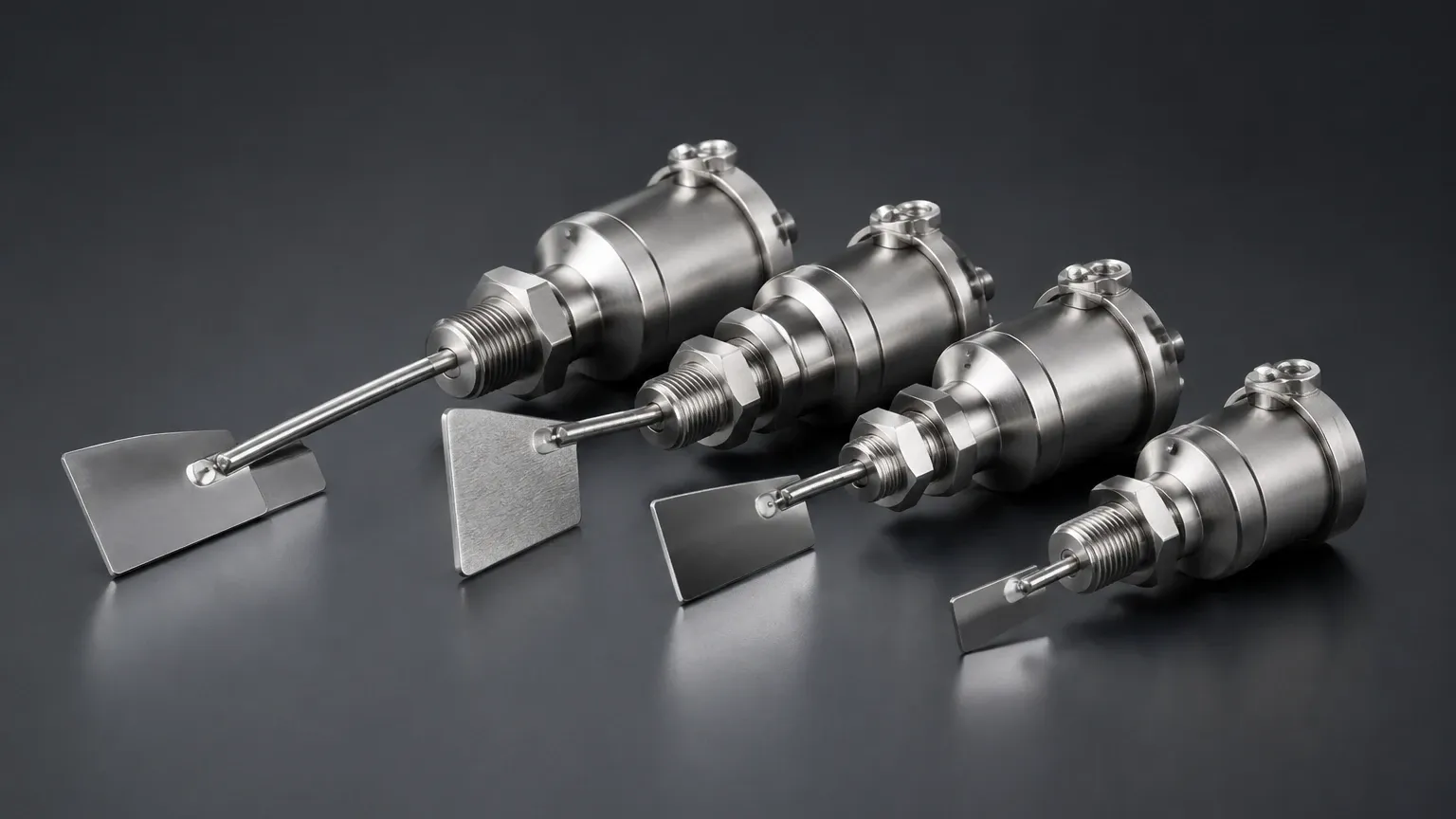
Kuebler Level Switch
Kuebler Level Switch
In the landscape of industrial automation and process control, the Kuebler level switch represents a specialized category of point-level detection instruments primarily based on magnetic float technology. These devices are engineered to provide reliable switching signals when a liquid reaches a predefined height within a tank or vessel. For engineers and system integrators, selecting the correct level switch requires a deep understanding of fluid dynamics, material compatibility, and the mechanical principles that govern sensor reliability.
This guide examines the technical foundations of float-based level measurement, the specific design characteristics of the Kuebler level switch range, and the critical factors involved in selecting, installing, and maintaining these instruments in demanding B2B environments.
Understanding the Measurement Principle of Float Level Switches
Before diving into specific model configurations, it is essential to understand the underlying physics of the magnetic float principle. This technology is the cornerstone of the Kuebler level switch design and remains one of the most robust methods for point-level detection in non-viscous liquids.
The Reed Switch Mechanism
At the heart of the device is a hermetically sealed reed switch located within a stationary guide tube. A reed switch consists of two ferromagnetic blades (reeds) enclosed in a glass envelope. In their default state, these blades are separated.
Magnetic Actuation
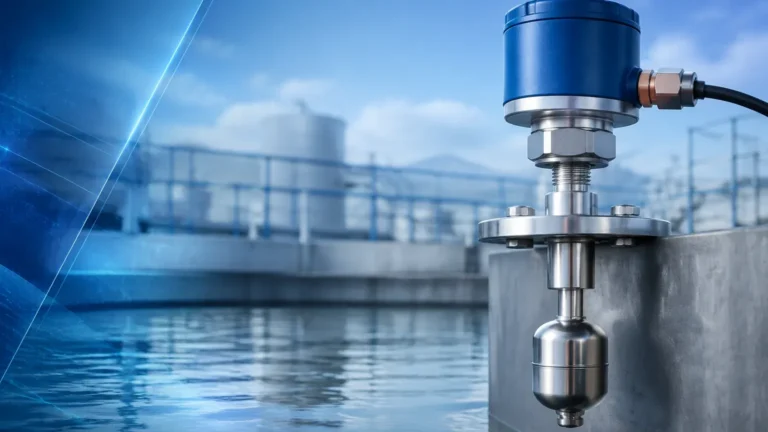
A buoyant float, containing a permanent magnet, slides up and down the guide tube as the liquid level changes. When the float reaches the position of the reed switch, the magnetic field forces the reeds to contact each other, closing the electrical circuit (or opening it, depending on the configuration). Because the electrical contacts are sealed from the process media, the system is highly resistant to oxidation and corrosion.
Potential Configurations
* Normally Open (NO): The circuit closes when the float rises to the switch point.
* Normally Closed (NC): The circuit opens when the float rises to the switch point.
* Change-over (SPDT): Provides both NO and NC options, allowing for more complex logic in control systems.
Key Components and Construction Materials
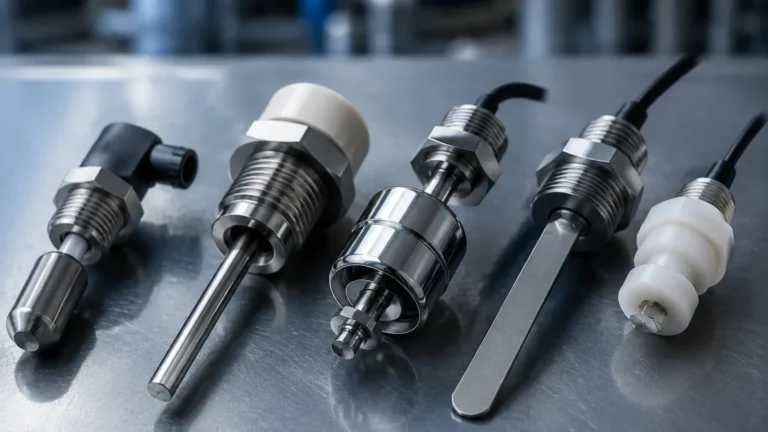
The reliability of a kuebler level switch in industrial applications is largely determined by its construction materials. Since these sensors are often submerged in aggressive chemicals or subjected to high pressures, the choice of material is a primary engineering concern.
Stainless Steel (316Ti / 1.4571)
Stainless steel is the standard for high-pressure and high-temperature applications. It offers excellent resistance to organic chemicals and many acids. It is commonly used in oil and gas, food and beverage, and pharmaceutical industries where hygiene and durability are paramount.
Plastics (PP, PVC, PVDF)
For highly corrosive environments where stainless steel may fail—such as in hydrochloric acid or bleach handling—plastic level switches are preferred:
* Polypropylene (PP): Suitable for aqueous solutions of acids, alkalis, and salts.
* PVC: Ideal for general water treatment and less aggressive chemical storage.
* PVDF: Offers superior chemical resistance and can handle higher temperatures than PP or PVC.
Brass
Brass is frequently utilized in hydraulic systems and lubricant monitoring due to its cost-effectiveness and compatibility with oils and non-corrosive fluids.
Selection Criteria for Kuebler Level Switch Applications
Choosing the right level switch involves more than just matching a pipe thread. Engineers must evaluate the following parameters to ensure long-term operational stability.
1. Media Density
The float must be lighter than the liquid it is intended to measure. Most standard floats are designed for a density of ≥ 0.8 g/cm³, but specialized floats are available for lighter hydrocarbons or heavier slurries. If the density is too low, the float will not rise sufficiently to actuate the switch.
2. Operating Pressure and Temperature
Pressure ratings can vary significantly. While plastic switches may be limited to 3–6 bar, stainless steel variants can often withstand up to 40 bar or higher. Similarly, temperature ratings must be checked; standard units might handle up to 80°C, while high-temperature versions with specialized cables can reach 200°C.
3. Electrical Load and Protection
Reed switches are sensitive to overcurrent and inductive loads. When switching pumps or solenoid valves directly, the inrush current can weld the reed contacts together. It is standard practice to use a contact protection relay or an RC circuit to prolong the life of the switch. For more information on integrating these sensors into a broader control architecture, reviewing various Level Switches options can provide insight into different output types, such as NAMUR or transistor outputs.
Technical Specifications and Comparison Table
The following table provides a general overview of typical specifications found within the Kuebler level switch product lines. Note that these values are representative and should be verified against specific data sheets.
| Feature | Miniature Series | Standard Industrial | High-Pressure Series |
| :— | :— | :— | :— |
| Material | PP / Stainless Steel | Stainless Steel 316Ti | Stainless Steel 316Ti |
| Max Pressure | 3 bar (Plastic) / 10 bar (SS) | 25 bar | 40+ bar |
| Temp Range | -10°C to +80°C | -20°C to +120°C | -20°C to +200°C |
| Mounting | G1/8", G1/4", M10 | G1/2", G1", Flange | Flange / High-pressure thread |
| Switching Power| 10W to 50W | Up to 100W | Up to 100W |
| Min. Density | 0.85 g/cm³ | 0.70 g/cm³ | 0.80 g/cm³ |
Installation Guidelines and Best Practices
Correct installation is critical to prevent mechanical failure and false triggering. Even the most robust kuebler level switch can fail if environmental factors are ignored.
Orientation and Positioning
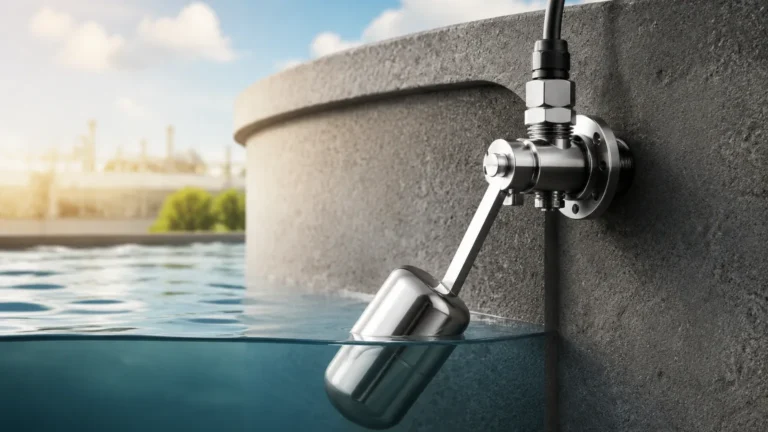
Most magnetic float switches are designed for vertical installation. The guide tube must be within a few degrees of vertical (typically ±30°) to ensure the float moves freely. If horizontal mounting is required, specific side-mount hinged float switches must be used instead.
Avoiding Turbulence
In tanks with agitators or high-velocity inflow, the float can be buffeted, leading to "chatter" (rapid opening and closing of the switch). This can be mitigated by:
* Installing the switch in a stilling well (a bypass pipe).
* Positioning the switch away from the inlet flow.
* Using electronic damping or time-delay relays in the control circuit.
Magnetic Interference
Since the switch operates via magnetism, it should not be installed near strong electromagnetic fields or large ferrous masses that could distort the magnetic field and cause the switch to stay open or closed regardless of the float position.
Limitations and Operational Considerations
While highly reliable, magnetic float level switches are not universal solutions. Engineers should be aware of the following limitations:
1. Build-up and Scaling: In liquids that crystallize or contain heavy solids, debris can accumulate on the guide tube, eventually pinning the float in place. For these applications, non-contact methods like ultrasonic or radar may be more appropriate.
2. Magnetic Particles: If the liquid contains iron filings or magnetic scale, these particles will be attracted to the float's internal magnet, increasing its weight and eventually jamming the mechanism.
3. Viscosity: Highly viscous liquids (like heavy syrups or glues) can impede the movement of the float, leading to delayed response times or total failure to switch.
4. Single Point Detection: A standard switch only detects a single level. For continuous level monitoring, a level transmitter (using a reed chain or magnetostrictive principle) is required.
Maintenance and Troubleshooting
One of the primary advantages of the Kuebler level switch is its low maintenance requirement. However, periodic inspections are recommended in critical safety or process loops.
* Visual Inspection: Check for signs of corrosion on the housing and ensure the cable entry is sealed to prevent moisture ingress (wicking).
* Manual Actuation: If the tank can be drained, manually move the float to confirm the electrical signal is received by the PLC or controller.
* Cleaning: In applications with slight film build-up, remove the sensor and wipe the guide tube with a compatible solvent to ensure smooth float travel.
Troubleshooting Common Issues
* Switch won't trigger: Check for a stuck float due to debris or a density mismatch. Verify the electrical continuity of the reed switch.
* Intermittent signal: Often caused by turbulence or a damaged cable. Check for loose terminals in the junction box.
* Switch stays closed: This may indicate the contacts have been welded shut due to an electrical overload. Replace the switch and install contact protection.
Frequently Asked Questions (FAQ)
Q: Can I use a Kuebler level switch in hazardous (Ex) zones?
A: Yes, many models are available with ATEX or IECEx certifications. These typically use intrinsic safety (Ex i) principles and must be connected through an approved isolated barrier.
Q: How do I change the switch function from Normally Open to Normally Closed?
A: On many simple float switches, the function can be reversed by removing the retaining ring at the bottom of the guide tube, flipping the float 180 degrees, and reinstalling it.
Q: What is the typical lifespan of a reed switch?
A: Under ideal electrical conditions (low load, proper protection), a reed switch can perform millions of cycles. However, switching high inductive loads without protection can reduce this to a few thousand cycles.
Q: Are these switches suitable for food-grade applications?
A: Yes, provided you select the stainless steel versions with appropriate surface finishes and FDA-compliant gaskets.
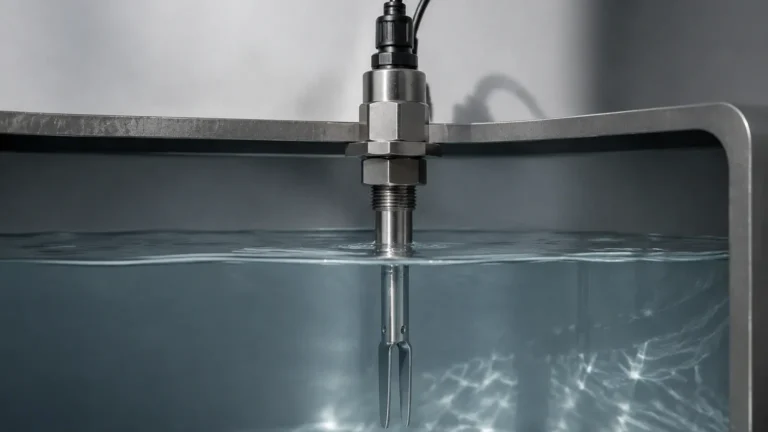
For technical professionals managing complex fluid systems, the kuebler level switch offers a time-tested balance of simplicity and precision. By adhering to strict selection criteria and understanding the mechanical boundaries of float technology, facilities can achieve high levels of automation safety and process efficiency. For a broader look at the various technologies available for point-level monitoring, including vibrating forks and capacitive sensors, consult the Level Switches category for comprehensive application support.