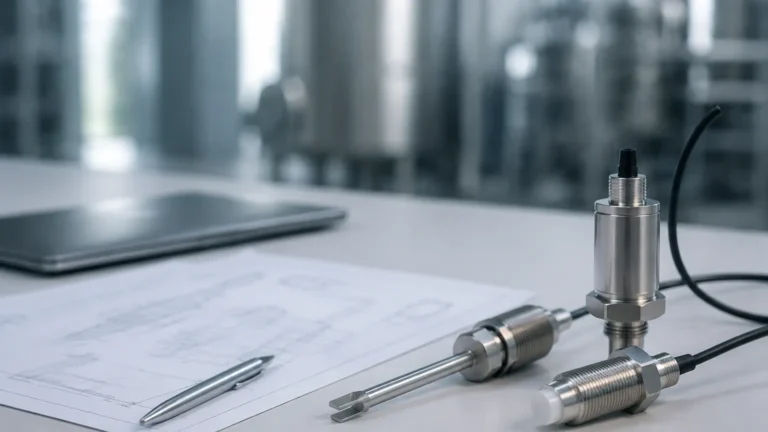
N-ray Range Sub Level 1 Switches
N-ray Range Sub Level 1 Switches
In the complex landscape of industrial process control, point level detection serves as a critical safeguard for inventory management, overfill prevention, and pump protection. While mechanical and contact-based sensors suffice for standard applications, extreme environments—characterized by high temperatures, corrosive chemicals, or high-pressure vessels—demand non-intrusive solutions. Among the most sophisticated of these technologies are radiometric level detection systems, often referred to in specialized engineering contexts as N-ray range sub level 1 switches. These instruments provide a reliable means of monitoring material thresholds without ever coming into contact with the process medium.
Understanding the Measurement Principle
To understand the application of N-ray range sub level 1 switches, one must first grasp the physics of radiometric (nuclear) level measurement. Unlike ultrasonic or radar sensors that rely on reflected waves, radiometric switches operate on the principle of transmission and attenuation.
A typical system consists of two primary components mounted on opposite sides of a vessel or pipe: a radioactive source (usually Cesium-137 or Cobalt-60) housed in a lead-shielded container, and a highly sensitive detector. The source emits a narrow beam of gamma radiation (N-rays) that passes through the vessel walls and the internal medium.
As the radiation travels through the material, it is attenuated—meaning its intensity decreases—based on the density and thickness of the substance it encounters. The detector on the opposite side measures the remaining radiation intensity. When the material level rises and intercepts the beam path, the radiation reaching the detector drops significantly. This change in intensity triggers the internal relay of the Level Switches, signaling that a specific level has been reached.
Defining N-ray Range Sub Level 1 Switches
The term "N-ray range sub level 1" refers to a specific classification of sensitivity and range within radiometric detection. In industrial instrumentation, "Sub Level 1" typically denotes the highest tier of sensitivity, where the detector is capable of identifying minute changes in radiation counts. This is particularly vital in applications involving low-density materials (such as foams or light powders) or vessels with extremely thick steel walls (exceeding 100 mm or 3.9 in).
The "Range" aspect refers to the distance the N-ray can effectively travel while maintaining a signal-to-noise ratio high enough to ensure a reliable switch point. Sub level 1 switches are engineered with advanced scintillation crystals or high-efficiency gas-filled tubes that can operate at lower source activities, thereby increasing safety while maintaining precise switching accuracy.
Key Evaluation Criteria for Selection
Selecting the appropriate level switch requires a thorough analysis of the process environment. For N-ray range sub level 1 switches, engineers must consider the following factors:
1. Vessel Geometry and Wall Thickness: Since the radiation must penetrate both vessel walls, the total "steel equivalent" thickness determines the required source strength. Sub level 1 switches are preferred when the wall thickness is substantial, as their high sensitivity allows for the use of smaller, safer radioactive sources.
2. Medium Density: The difference in density between the "empty" state (air or vapor) and the "full" state (liquid or solid) must be sufficient to cause a detectable change in radiation. For low-density hydrocarbons or aerated solids, the high-resolution capabilities of sub level 1 electronics are essential.
3. Ambient Temperature at the Detector: While the process temperature inside the tank does not affect the N-rays, the electronics in the detector have specific operating limits. In high-heat environments, water-cooled jackets or specialized heat shields may be required.
4. Response Time: In fast-filling vessels, the switch must trigger within milliseconds. The integration time of the radiometric signal must be balanced against the need to filter out statistical fluctuations in radiation counts.
Practical Selection Table
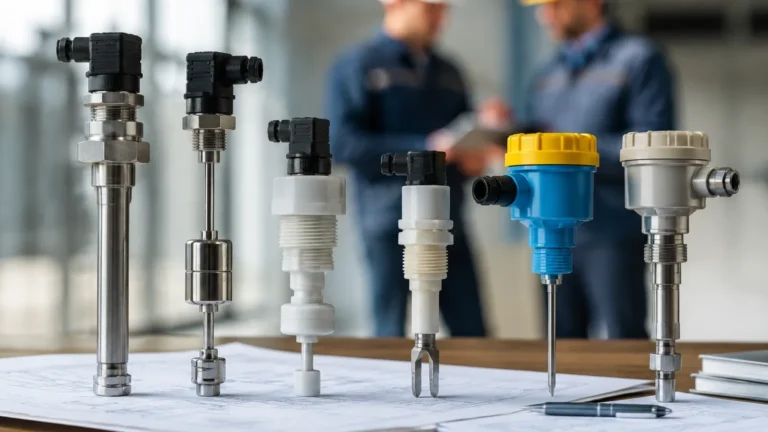
When evaluating different technologies for point level detection, it is helpful to compare radiometric switches with other common industrial level switches.
| Technology | Principle | Best For | Limitation |
| :— | :— | :— | :— |
| N-ray (Radiometric) | Gamma Attenuation | Extreme pressure, high temp, corrosive media | Requires regulatory licensing and shielding |
| Vibrating Fork | Frequency Shift | General liquids and powders | Requires process penetration; prone to coating |
| Capacitance | Dielectric Change | Interface detection, non-conductive liquids | Sensitive to changes in material composition |
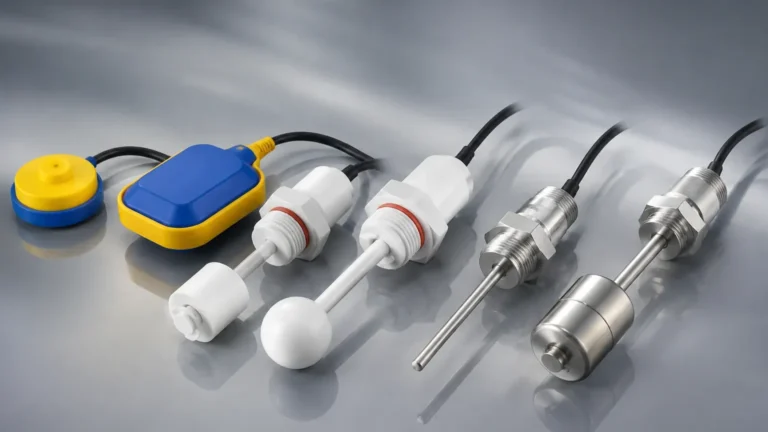
| Float Switch | Buoyancy | Simple water/oil tanks | Moving parts can jam; limited to clean liquids |
| Ultrasonic Switch | Sound Reflection | Non-contact liquid detection | Affected by foam, dust, and heavy vapors |
Installation Considerations and Best Practices
The performance of N-ray range sub level 1 switches is heavily dependent on precise installation. Because these systems involve ionizing radiation, safety and regulatory compliance are paramount.
* Alignment: The source holder and the detector must be perfectly aligned. Even a few degrees of misalignment can cause the beam to miss the active area of the detector, leading to false "high level" alarms.
* Mounting Brackets: Given that industrial vessels often vibrate, mounting brackets must be rigid. Any shift in the position of the source or detector over time will degrade the calibration.
* Shielding and Collimation: The source holder is designed to collimate the N-rays into a narrow fan or pencil beam. This ensures that radiation is only directed toward the detector, minimizing the "controlled area" around the vessel and reducing exposure to personnel.
* External Interference: Radiometric switches can be affected by other radiation sources, such as industrial X-raying of nearby weld joints. Sub level 1 switches often include software filters to recognize and ignore transient external radiation spikes.
Safety and Regulatory Compliance
Operating N-ray range sub level 1 switches involves strict adherence to the ALARA (As Low As Reasonably Achievable) principle. Most jurisdictions require facilities to have a Radiation Safety Officer (RSO) and to perform periodic leak tests (wipe tests) on the source holders.
However, modern designs from manufacturers like Welk have significantly reduced the risks. Modern source holders feature fire-proof housings and automatic shutters that close in the event of a plant emergency, ensuring the radioactive material remains contained even under catastrophic conditions.
Limitations of Radiometric Technology
While N-ray range sub level 1 switches are the "problem solvers" of the industry, they are not without limitations:
* Cost: The initial capital expenditure for a radiometric system is higher than for most other level switches due to the specialized materials and regulatory requirements.
* Licensing: The administrative burden of obtaining and maintaining radioactive material licenses can be a deterrent for smaller facilities.
* Source Decay: The radioactive source has a half-life (e.g., 30 years for Cs-137). Over decades, the source strength will diminish, eventually requiring recalibration of the detector or replacement of the source.
Applications in Industry
N-ray range sub level 1 switches are indispensable in several key sectors:
* Chemical and Petrochemical: Monitoring levels in high-pressure reactors or toxic storage tanks where any leak from a vessel penetration would be hazardous.
* Mining and Minerals: Detecting the level of abrasive slurries in cyclones or sumps that would quickly erode contact-based sensors.
* Oil and Gas: Used in coker units where extreme temperatures (above 450°C / 842°F) and heavy bitumen make other technologies non-viable.
* Water Treatment: In large-scale lime silos or chemical feed tanks where dust and corrosive vapors interfere with ultrasonic or radar signals.
FAQ: Common Questions on N-ray Level Switches
Q: Can N-ray switches detect the interface between two liquids?
A: Yes, if there is a sufficient density difference between the two liquids (e.g., oil and water), a high-sensitivity sub level 1 switch can be calibrated to trigger at the interface point.
Q: Is the material inside the tank made radioactive by the N-rays?
A: No. Gamma radiation at the energy levels used in industrial level measurement (Cs-137 or Co-60) does not have enough energy to induce radioactivity in the process material.
Q: How often do these switches need to be calibrated?
A: Once commissioned, N-ray switches are remarkably stable. Calibration is typically checked annually, or whenever there is a significant change in the density of the process medium.
Q: What is the maximum vessel diameter for a sub level 1 switch?
A: With a sufficiently strong source and a high-sensitivity sub level 1 detector, these systems can span vessels up to 15 meters (approx. 49 feet) in diameter, though the specific range depends on the density of the material and the vessel wall thickness.
Conclusion
For engineers facing the most demanding level measurement challenges, N-ray range sub level 1 switches offer a robust, non-contact solution that bypasses the limitations of traditional instrumentation. By leveraging the principles of gamma attenuation and high-sensitivity detection, these switches provide reliable point level control in environments where other sensors fail. When selecting a system, it is crucial to partner with a manufacturer like Welk that provides comprehensive technical support, from initial source sizing and shielding calculations to final commissioning and safety compliance. For more information on the various types of point level detection available, engineers should consult detailed technical specifications for Level Switches to ensure the chosen technology aligns with their specific process requirements.