Level Sensor Adblue
Level Sensor Adblue
In the context of modern diesel engine emissions control, the accurate measurement and monitoring of Diesel Exhaust Fluid (DEF), commonly known by the brand name AdBlue, is a critical technical requirement. AdBlue is an aqueous urea solution (32.5% high-purity urea and 67.5% deionized water) used in Selective Catalytic Reduction (SCR) systems to reduce nitrogen oxide (NOx) emissions. Because SCR systems rely on a precise injection of this fluid, the failure to accurately monitor tank levels can lead to non-compliance with environmental regulations, engine derating, or complete vehicle immobilization.
Selecting a level sensor for AdBlue requires a deep understanding of the fluid's unique chemical and physical properties. This guide explores the measurement principles, selection criteria, and engineering considerations for implementing effective level monitoring solutions in industrial, commercial, and automotive DEF applications.
Measurement Principles for AdBlue Level Sensing
Before selecting a specific instrument, it is essential to understand the physics behind the most common measurement technologies. AdBlue presents specific challenges, including its corrosive nature toward certain metals and its tendency to crystallize upon exposure to air.
1. Hydrostatic Pressure Measurement
Hydrostatic level sensors measure the pressure exerted by the liquid column at the bottom of the tank. The principle follows the formula $P = \rho \cdot g \cdot h$, where $P$ is pressure, $\rho$ is the density of the fluid, $g$ is gravity, and $h$ is the height of the liquid.
Since AdBlue has a consistent density (approximately 1087 to 1093 kg/m³ at 20°C), hydrostatic transmitters are highly effective. These sensors are typically submersible or externally mounted via a process connection at the tank base. For AdBlue, the sensing diaphragm must be made of compatible materials like 316L stainless steel or ceramic to resist corrosion.
2. Ultrasonic (Non-Contact) Measurement
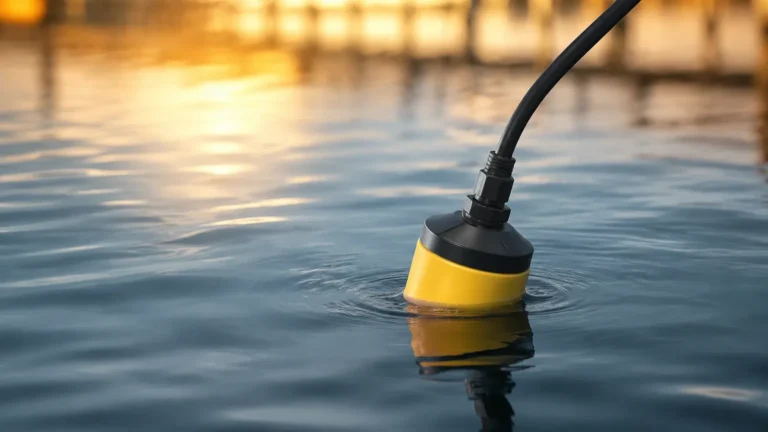
Ultrasonic sensors emit high-frequency sound waves that travel through the air, reflect off the surface of the AdBlue, and return to the transducer. The sensor calculates the distance based on the time-of-flight.
This method is preferred in many B2B applications because it is non-contact, meaning the sensor does not touch the fluid. This eliminates concerns regarding urea crystallization on the sensing element. However, ultrasonic sensors must be compensated for temperature changes, as the speed of sound varies with air temperature inside the tank.
3. Magnetic Float and Reed Switch Technology
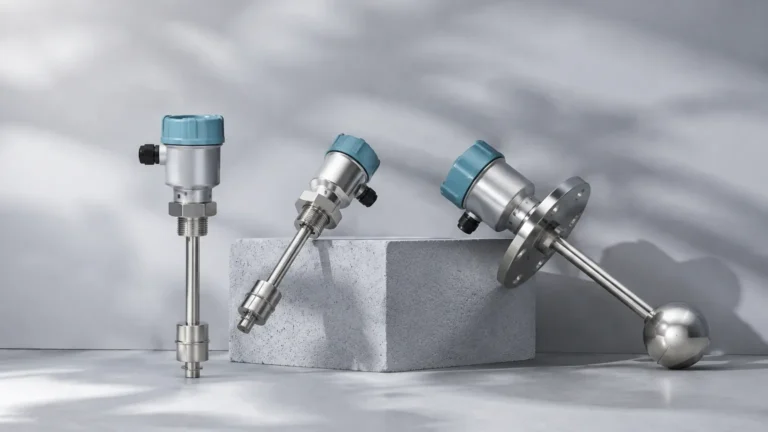
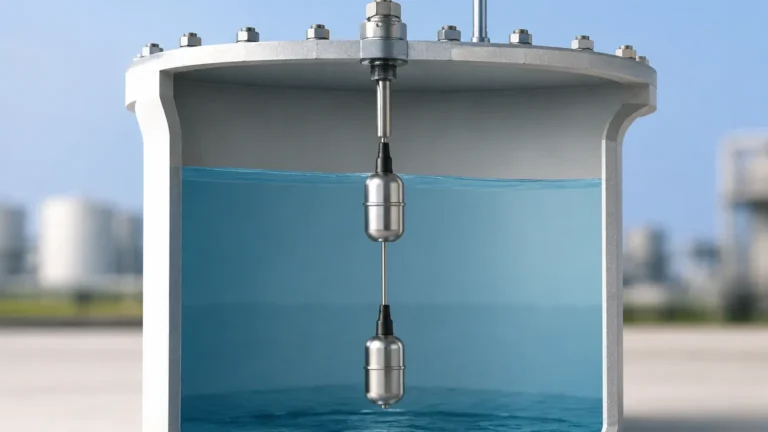
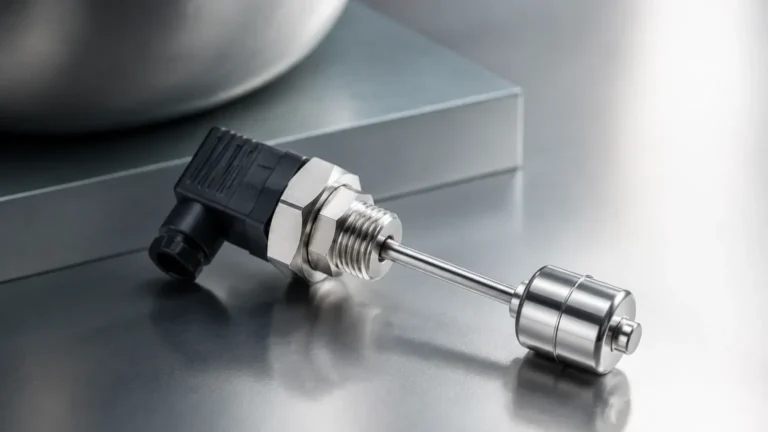
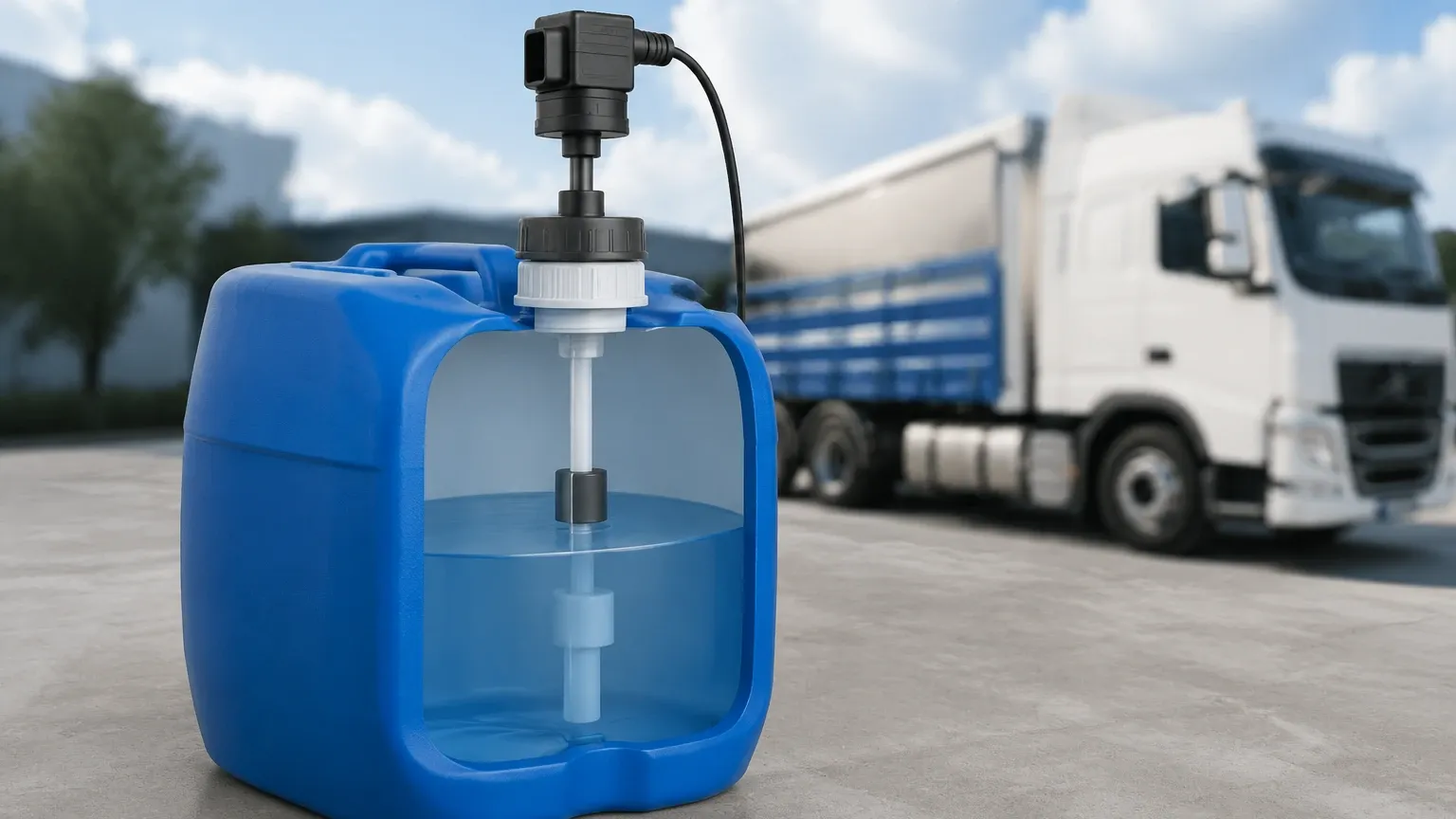
Magnetic float sensors utilize a float containing a magnet that moves up and down a stem. Inside the stem are reed switches positioned at specific intervals. As the float passes a switch, it opens or closes a circuit. This technology is often used for discrete point level detection. For continuous measurement, a series of reed switches or a magnetostrictive wire can provide high-resolution data.
4. Capacitance Level Sensing
Capacitance sensors measure the change in electrical capacitance between two electrodes (or one electrode and the tank wall) as the liquid level rises. AdBlue has a specific dielectric constant that allows for reliable measurement. These sensors are robust and have no moving parts, making them suitable for mobile equipment where vibration is a factor.
The Role of Level Switches in AdBlue Systems
While continuous level sensors provide real-time volume data, Level Switches are indispensable for safety and automation. In an AdBlue storage or dispensing system, level switches act as the primary defense against operational errors.
* High-Level Alarms: A level switch installed at the top of a bulk storage tank prevents overfilling during delivery, which could lead to environmental contamination or damage to the tank's venting system.
* Low-Level Protection: At the bottom of the tank, a switch ensures that pumps do not run dry. Running a DEF pump without fluid can lead to rapid overheating and mechanical failure.
* Redundancy: In critical industrial SCR applications, engineers often install a level switch alongside a radar or ultrasonic transmitter to provide a redundant, independent signal for emergency shutdown (ESD) systems.
Material Compatibility and Selection Criteria
AdBlue is chemically aggressive toward many common materials. Using the wrong sensor materials will lead to fluid contamination and sensor degradation. According to ISO 22241 standards, the following materials are generally recommended or prohibited:
Recommended Materials
* Stainless Steel: 316L, 316Ti, and 304 (though 316L is preferred for long-term immersion).
* Plastics: Polypropylene (PP), High-Density Polyethylene (HDPE), and PTFE (Teflon).
* Elastomers: EPDM and Viton (FKM) are typically used for seals and gaskets.
Prohibited Materials
* Non-ferrous metals: Copper, zinc, lead, and brass must be avoided as they react with urea to form precipitates that can clog SCR injectors.
* Carbon Steel: Rapidly corrodes when in contact with AdBlue.
* Nickel-based alloys: Certain alloys can leach ions into the fluid, degrading its purity.
Evaluation Table: Technology Comparison
| Technology | Contact Type | Accuracy | Pros | Cons |
| :— | :— | :— | :— | :— |
| Ultrasonic | Non-contact | High (±0.25%) | No moving parts; no corrosion risk. | Affected by foam and heavy vapors. |
| Hydrostatic | Contact | Medium-High | Easy to install; reliable in deep tanks. | Requires compatible diaphragm material. |
| Magnetic Float | Contact | Discrete/Point | Simple; low cost; highly reliable. | Moving parts can stick if crystallization occurs. |
| Radar (80GHz) | Non-contact | Very High (±1mm) | Unaffected by temperature or vapor. | Higher initial investment. |
| Capacitance | Contact | Medium | Compact; handles vibration well. | Requires calibration for fluid type. |
Installation and Engineering Considerations
When installing a level sensor for AdBlue, several practical engineering factors must be addressed to ensure long-term reliability.
1. Tank Geometry and Internal Obstructions
For ultrasonic and radar sensors, the "beam angle" is a critical consideration. If the tank has internal baffles, ladders, or heating coils, the sensor must be positioned to avoid false reflections. In small AdBlue tanks common in mobile machinery, the sensor is often integrated into a multi-function head unit that includes suction and return lines.
2. Temperature Management
AdBlue freezes at -11°C (12.2°F). In cold climates, tanks are often equipped with heaters. The level sensor must be able to withstand these temperature cycles. Furthermore, if the fluid freezes, hydrostatic sensors may be damaged by the expansion of ice if they are not designed for such conditions. Non-contact sensors are generally safer in freezing environments as they are not submerged.
3. Preventing Urea Crystallization
When AdBlue evaporates, it leaves behind white urea crystals. These crystals can build up on the moving parts of float switches or on the face of ultrasonic transducers. For ultrasonic sensors, a "drip-off" transducer face design helps prevent moisture and crystals from accumulating. For mechanical switches, ensuring the float has sufficient clearance from the stem is vital.
4. Electrical Integration
In B2B and industrial automation, AdBlue sensors typically output a 4-20 mA signal, a 0-10V signal, or utilize digital protocols like Modbus RTU or CANbus (J1939 for automotive). Level switches usually provide a dry contact (SPDT or SPST) or a PNP/NPN transistor output.
Limitations and Environmental Factors
While modern sensors are highly accurate, certain environmental factors can limit their performance:
* Vapor and Condensation: In closed tanks, AdBlue can create a humid environment. Condensation on the sensor face can attenuate ultrasonic signals. Radar sensors are generally immune to this.
* Fluid Purity: The sensor itself must not contaminate the fluid. Even trace amounts of metal ions can poison the SCR catalyst, a component that is extremely expensive to replace.
* Pressure Variations: If the tank is pressurized or under vacuum during dispensing, a standard hydrostatic sensor will give an incorrect reading unless a differential pressure sensor or a vented cable is used.
Frequently Asked Questions (FAQ)
Q: Can I use a standard water level sensor for AdBlue?
A: No. While AdBlue is mostly water, its urea content is corrosive to many materials found in standard water sensors, such as brass or low-grade stainless steel. You must use sensors rated for DEF/AdBlue compatibility (ISO 22241).
Q: How does freezing affect level measurement?
A: When AdBlue freezes, it expands by approximately 7%. This can cause physical damage to submerged sensors. Most industrial systems use heating elements to keep the fluid liquid. From a measurement perspective, a frozen tank will show a static level until the fluid thaws.
Q: Is non-contact measurement always better for AdBlue?
A: Non-contact (Ultrasonic or Radar) is often preferred because it avoids the issues of corrosion and crystallization. However, hydrostatic sensors are often more cost-effective for very tall bulk storage tanks where the cost of high-power non-contact sensors might be prohibitive.
Q: What maintenance is required for AdBlue level sensors?
A: Periodic inspection for urea crystal buildup is recommended, especially for mechanical float switches. For non-contact sensors, checking the transducer face for condensation or debris is usually sufficient. Calibration should be verified annually to ensure the SCR system receives accurate dosing data.
Conclusion
Effective AdBlue management is a cornerstone of industrial emissions compliance. By selecting a level sensor based on robust measurement principles—whether it be the precision of ultrasonic waves, the reliability of hydrostatic pressure, or the safety of dedicated Level Switches—operators can ensure their SCR systems function efficiently. Always prioritize material compatibility with ISO 22241 standards to protect both the sensor and the downstream catalytic components.