Level Switch Boiler
Level Switch Boiler
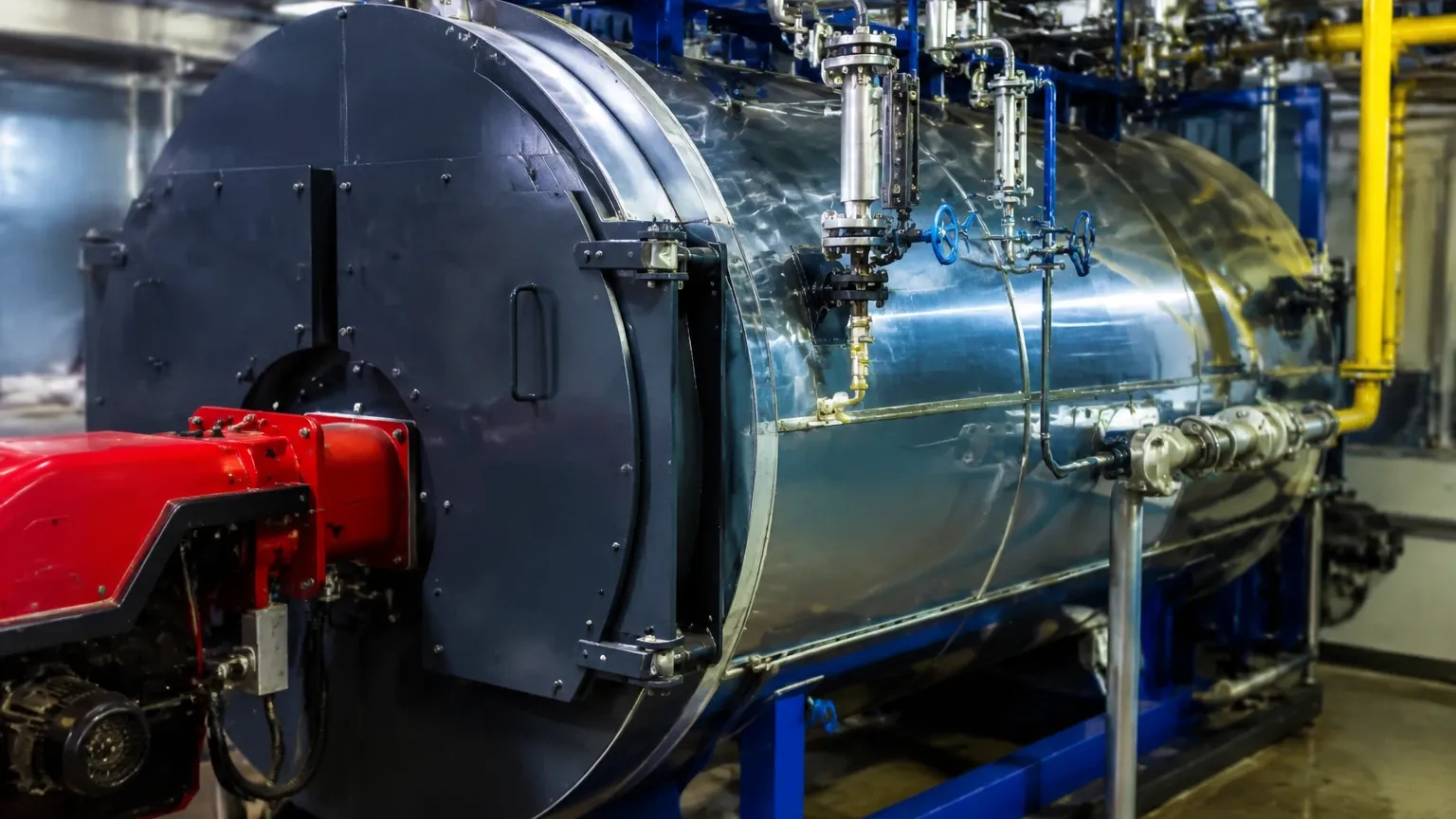
In industrial steam generation, the precise monitoring of water levels is not merely a matter of process efficiency; it is a fundamental safety requirement. A level switch boiler system acts as the primary defense against catastrophic equipment failure. Whether managing a high-pressure fire-tube boiler or a complex water-tube configuration, the integration of reliable Level Switches ensures that the burner operates only when sufficient water is present to absorb the thermal energy produced.
Failure to maintain the correct water level can lead to "dry firing," where the boiler tubes overheat and lose structural integrity, or "priming," where water enters the steam lines, causing water hammer and damage to downstream turbines or heat exchangers. This article examines the principles, selection criteria, and installation best practices for boiler level switches in industrial environments.
Measurement Principles for Boiler Level Detection
Before selecting a level switch boiler configuration, it is essential to understand the physics behind the sensing technologies. Boilers present a harsh environment characterized by high temperatures, high pressures, and the presence of turbulent, boiling water. Three primary principles are commonly employed:
1. Buoyancy (Float-Operated)
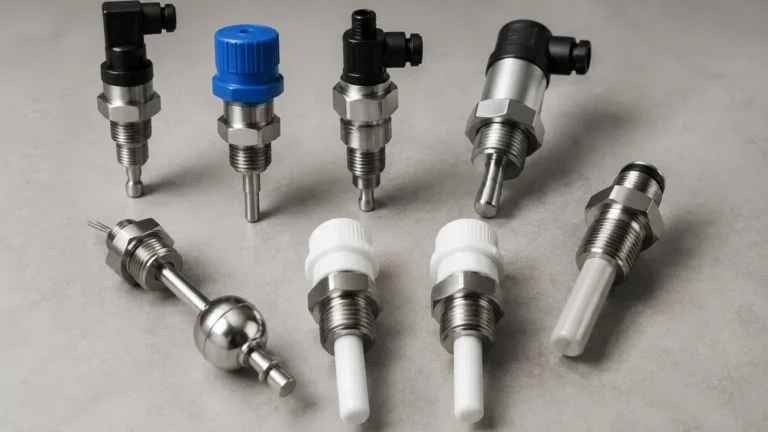
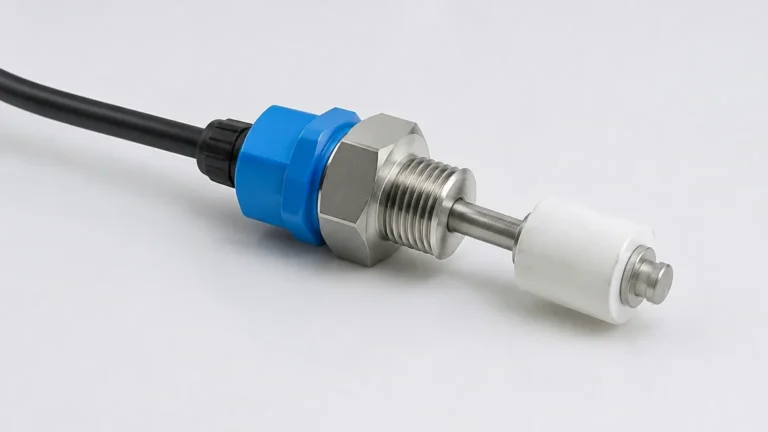
Float-operated level switches rely on Archimedes' principle. A float, typically made of stainless steel or specialized alloys, is designed to be less dense than water but denser than steam. As the water level rises or falls, the float moves accordingly. In boiler applications, this mechanical movement is usually coupled to a switch mechanism—often via a magnetic sleeve and a dry reed switch or a microswitch—to ensure the electrical components remain hermetically sealed from the high-pressure process fluid.
2. Conductivity (Probe-Based)
Conductivity level switches utilize the electrical conductivity of the boiler water to complete a circuit. A low-voltage AC signal is applied to a stainless steel probe. When the water level reaches the probe, the liquid acts as a conductor, allowing a small current to flow to the boiler shell (ground) or a reference probe. This change in state is detected by a controller. Because steam is non-conductive, this method provides a very distinct and reliable point-level detection. Conductivity probes are favored for their lack of moving parts, making them resistant to mechanical wear.
3. Capacitance
Capacitance switches measure the change in electrical capacitance between a sensing electrode and the vessel wall (or a reference rod). As the water level rises, it replaces the steam (which has a low dielectric constant of approximately 1.0) with water (which has a much higher dielectric constant). This change in the dielectric environment increases the measured capacitance, triggering the switch. Capacitance technology is effective for both point-level and continuous measurement, though it may require calibration to account for changes in water chemistry.
Common Level Switch Boiler Applications
In a standard industrial boiler, level switches are typically deployed in two critical roles: Low Water Cut-Off (LWCO) and High-Level Alarm.
Low Water Cut-Off (LWCO)
The LWCO is the most critical safety component. If the water level drops below a predetermined safety point, the level switch must immediately interrupt the fuel supply to the burner. Many jurisdictions require redundant LWCO systems—a "primary" and a "secondary" (or manual reset) switch—to ensure that a single component failure does not lead to a dry-fire condition.
High-Level Alarm and Pump Control
Conversely, if the water level is too high, water can be carried over into the steam header. A high-level switch triggers an alarm or shuts down the feedwater pump. Many level switch boiler systems also incorporate "on/off" pump control, where the switch starts the feedwater pump at a low setpoint and stops it at a high setpoint to maintain the optimal operating range.
Technical Selection Criteria
Selecting the appropriate level switch for a boiler requires a detailed analysis of the operating environment. The following factors must be confirmed before procurement:
* Design Pressure: The switch housing and sensing element must withstand the maximum allowable working pressure (MAWP) of the boiler. For high-pressure steam, this often exceeds 10 MPa (100 bar).
* Operating Temperature: Saturated steam temperatures rise with pressure. A switch rated for 1.0 MPa must withstand approximately 184°C, while high-pressure systems may require components rated for over 350°C.
* Specific Gravity: For float-based systems, the float must be engineered to stay buoyant in water that becomes less dense as temperatures rise. At critical temperatures, the density difference between water and steam narrows significantly.
* Water Chemistry: Boiler water is often treated with chemicals to prevent scaling and corrosion. The materials of construction (e.g., 316L Stainless Steel, Monel, or Hastelloy) must be compatible with these treatments to prevent premature failure.
Installation and Engineering Considerations
Proper installation is as vital as the technology itself. Most boiler level switches are installed in an external "level chamber" or "stilling well" rather than directly in the boiler drum. This configuration offers several advantages:
1. Turbulence Reduction: The chamber isolates the switch from the turbulent surface of the boiling water, preventing "nuisance tripping" or rapid cycling of the burner.
2. Maintenance Accessibility: By using isolation valves, the level switch can be serviced or replaced without fully depressurizing the entire boiler system.
3. Cooling Effect: In some designs, the external chamber allows the water to cool slightly, which can extend the life of the sensing electronics.
Piping and Blowdown Requirements
Level chambers must be connected to the boiler with steam and water legs. These pipes should be as short and straight as possible to ensure the level in the chamber accurately reflects the level in the boiler. Crucially, every level switch boiler chamber must be equipped with a blowdown valve. Regular "blowing down" of the chamber flushes out accumulated sediment and sludge that could otherwise jam a float or foul a conductivity probe.
Selection Table for Boiler Level Switches
| Technology | Max Pressure (Typical) | Max Temp (Typical) | Best For | Limitations |
| :— | :— | :— | :— | :— |
| Magnetic Float | Up to 20 MPa | 400°C | General purpose, clear indication | Susceptible to scale buildup |
| Conductivity Probe | Up to 25 MPa | 550°C | High-pressure safety cut-off | Requires conductive liquid |
| Capacitance | Up to 10 MPa | 250°C | Non-conductive fluids, continuous | Sensitive to coating/scaling |
| Displacer | Up to 15 MPa | 400°C | Wide switching differentials | Large footprint required |
Maintenance and Safety Testing
Industrial standards (such as ASME CSD-1 or local boiler codes) mandate regular testing of Level Switches in boiler service.
* Daily/Weekly Blowdown: Operating the blowdown valve ensures the piping is clear and the switch responds to a falling water level.
* Evaporation Test: Periodically, the boiler should be allowed to lose water naturally (under strict supervision) to verify that the LWCO actually shuts down the burner at the correct physical level.
* Visual Inspection: For float-based systems, the float rod and mechanism should be inspected annually for signs of corrosion, pitting, or mechanical binding.
Limitations and Risks
While highly reliable, level switch boiler systems are not infallible. The most common risks include:
* Scaling and Fouling: In poorly treated water, calcium and magnesium deposits can build up on probes or floats. This can "insulate" a conductivity probe or weigh down a float, leading to a failure to trip.
* Foaming: If the boiler water has high total dissolved solids (TDS), foaming can occur. A level switch may detect the foam as liquid, preventing a low-water cut-off even when the actual water level is dangerously low.
* Mechanical Fatigue: In high-vibration environments, the internal components of mechanical switches can suffer from fatigue over several years of service.
Frequently Asked Questions (FAQ)
Q: Can I use a standard industrial level switch for a boiler?
A: No. Boiler level switches must be specifically rated for the high temperature and pressure of steam service. Standard switches often use seals or materials that will fail rapidly in a steam environment.
Q: What is the difference between a primary and secondary LWCO?
A: A primary LWCO is often an automatic-reset switch that controls the burner during normal operation. A secondary LWCO is a safety backup that usually requires a manual reset by an operator, ensuring that the cause of the low-water condition is investigated before the boiler is restarted.
Q: How often should I replace my boiler level switch?
A: While there is no fixed expiration date, many manufacturers and insurance inspectors recommend a full overhaul or replacement every 5 to 10 years, depending on water quality and the frequency of testing.
Q: Does the orientation of the switch matter?
A: Yes. Most boiler level switches are designed specifically for either vertical or horizontal installation. A vertical float switch cannot be mounted horizontally as the buoyancy mechanics will not function correctly.
For engineers and facility managers, selecting the right level switch boiler components is a critical step in ensuring plant safety. By understanding the underlying measurement principles and adhering to strict installation and maintenance protocols, the risks associated with high-pressure steam generation can be effectively managed.