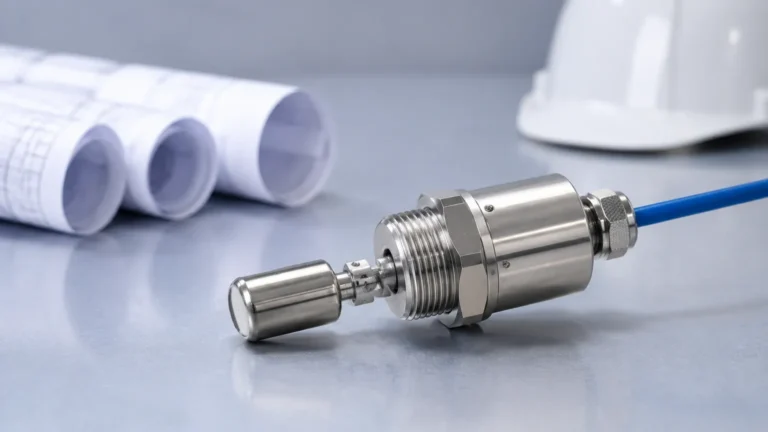
Level Switch Endress
Level Switch Endress
In the landscape of industrial process automation, point level detection serves as a critical safeguard for inventory management, overfill prevention, and pump protection. When engineers search for a "level switch endress," they are typically looking for the high-reliability standards established by the Endress+Hauser Liquiphant or Soliphant series. These instruments have become benchmarks in the industry for their robustness in demanding environments. However, understanding the underlying measurement principles and selection criteria is essential for any plant manager or instrumentation engineer looking to integrate Level Switches into their infrastructure, whether they are utilizing premium brands or seeking high-performance alternatives from manufacturers like Welk.
Point level switches differ from continuous level transmitters in that they do not provide a 4-20mA or digital signal representing the exact level. Instead, they provide a binary output (on/off) when a specific level is reached. This article provides a comprehensive technical overview of the technologies behind these devices, their application in various industries, and the engineering considerations required for successful deployment.
Core Measurement Principles of Industrial Level Switches
Before selecting a specific model, such as a level switch endress type vibrating fork or a capacitive probe, it is vital to understand the physics of the measurement. Each technology interacts differently with the process medium, temperature, and pressure.
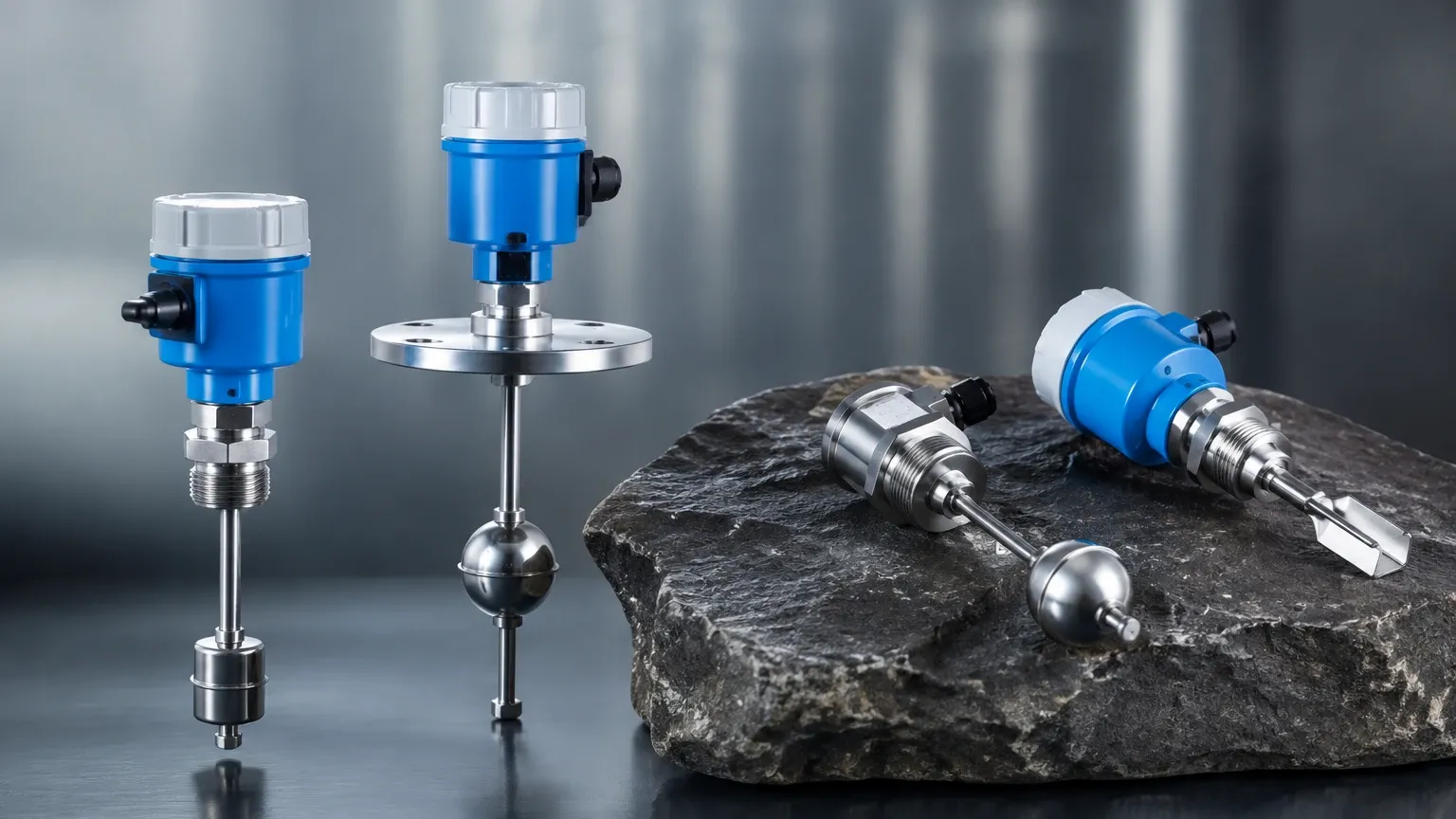
1. Vibrating Fork (Tuning Fork) Principle
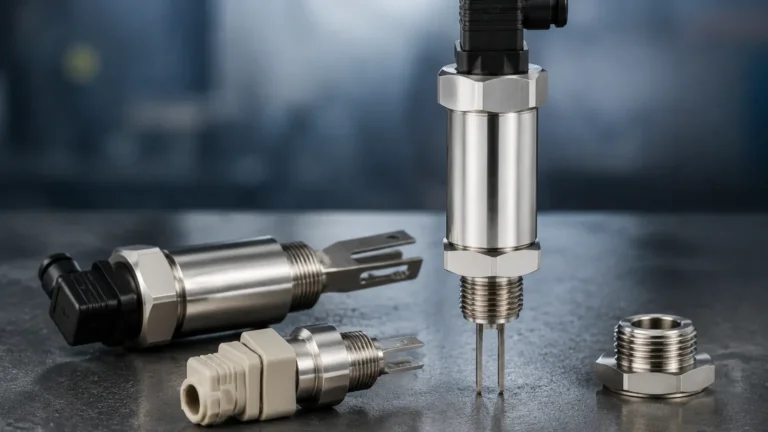
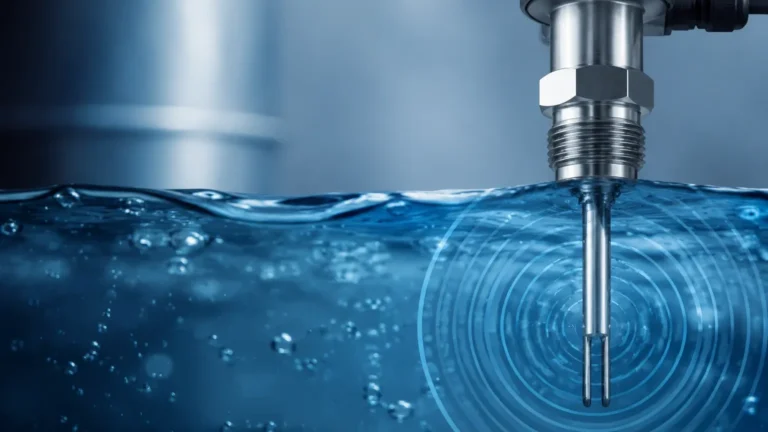
This is perhaps the most common technology associated with the level switch endress (Liquiphant) line. The sensor consists of a symmetric vibrating fork. An internal piezoelectric crystal excites the fork to its resonance frequency in the air. When the fork is submerged in a liquid or covered by solids, the frequency shifts or the amplitude is dampened.
* Liquids: The frequency decreases when the fork enters the liquid. This change is detected by the electronics and converted into a switching signal.
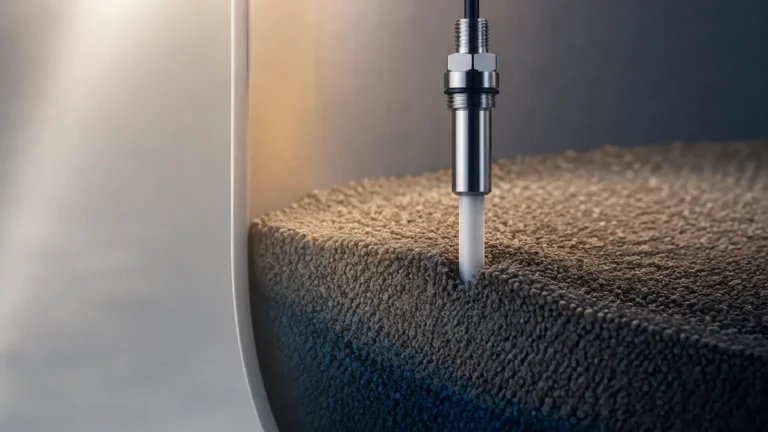
* Solids: For bulk solids (like the Soliphant series), the vibration is dampened by the material. This is ideal for fine-grained or powdery solids.
2. Conductive Level Detection
Conductive switches rely on the electrical conductivity of the process medium. A low-voltage, low-current circuit is established between two electrodes or between an electrode and the metallic tank wall. When the conductive liquid reaches the electrode, the circuit closes.
* Limitation: This method only works with conductive liquids (e.g., water, acids, alkalis) and is unsuitable for oils or hydrocarbons.
3. Capacitive Level Detection
Capacitive switches treat the probe and the tank wall (or a second probe) as two plates of a capacitor. The process medium acts as the dielectric. As the level rises, the dielectric constant changes, increasing the measured capacitance.
* Key Factor: The dielectric constant ($ε_r$) of the material must be significantly different from air ($ε_r = 1$). This technology is versatile for both liquids and solids but requires calibration for the specific medium.
4. Float and Magnetic Switches
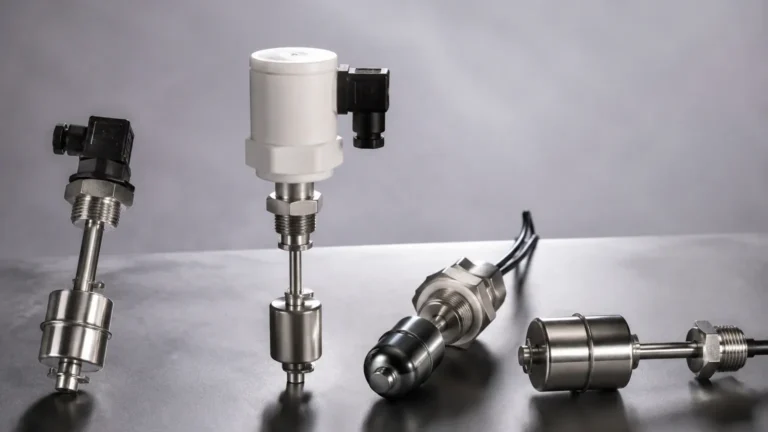
These are mechanical or electro-mechanical devices. A float containing a magnet moves with the liquid level. When it reaches a reed switch located within the guide tube, the magnetic field closes or opens the contact.
Technical Comparison and Selection Table
Choosing the right level switch requires balancing process conditions against sensor capabilities. The following table outlines the typical operational boundaries for standard industrial Level Switches.
| Technology | Typical Application | Max Pressure (Approx.) | Max Temperature (Approx.) | Viscosity Limit |
| :— | :— | :— | :— | :— |
| Vibrating Fork (Liquid) | Overfill, Pump Protection | 64 bar (928 psi) | -50°C to 250°C | Up to 10,000 mm²/s |
| Vibrating Fork (Solid) | Silo High/Low Alarm | 25 bar (362 psi) | -40°C to 150°C | N/A (Bulk density >10g/l) |
| Capacitive | Chemical Tanks, Grains | 100 bar (1450 psi) | -50°C to 200°C | High (handles buildup) |
| Conductive | Water Treatment | 10 bar (145 psi) | -20°C to 100°C | Low |
| Float Switch | Sump Pits, Fuel Tanks | 40 bar (580 psi) | -20°C to 120°C | Low to Medium |
Application Engineering: Why Choose a Level Switch Endress Type?
In high-stakes environments like petrochemical refineries or pharmaceutical cleanrooms, the level switch endress (specifically the Liquiphant FTL series) is often specified due to its "Functional Safety" ratings. These devices are frequently SIL2 or SIL3 (Safety Integrity Level) certified, meaning they have a calculated low probability of failure on demand.
Liquid Applications
In liquid applications, the primary challenge is often turbulence, foam, or gas bubbles. Vibrating forks are generally immune to these factors, making them superior to ultrasonic or optical switches in agitated tanks. For example, in a chemical reactor where boiling occurs, a vibrating fork level switch will ignore the foam and trigger only when the actual liquid density reaches the tines.
Solid Applications
For bulk solids, such as cement, flour, or plastic pellets, the "level switch endress" Soliphant model is a standard choice. The main engineering concern here is the mechanical load on the probe. If a silo is 30 meters high, the weight of the material pulling down on a side-mounted switch can be immense. In these cases, reinforced probes or top-mounted flexible cable extensions are required.
Installation Considerations and Best Practices
Correct installation is as critical as selecting the right technology. Even a high-end level switch will fail if placed in a high-velocity flow stream without protection.
1. Orientation:
* Vibrating Forks: Should be installed so that the liquid can drain easily from the tines. In horizontal installations, the tines should be oriented vertically (one above the other) to prevent material buildup between them.
* Float Switches: Must be perfectly vertical to prevent the float from sticking against the guide tube.
2. Nozzle Length:
* Ensure the active part of the sensor (the tines or the capacitive element) extends fully into the vessel. If the sensor is recessed in a long mounting nozzle, material can become trapped, leading to false "high level" readings.
3. Avoid the Inflow Stream:
* Never install a level switch directly under the filling inlet. The impact of the falling material can cause mechanical damage or trigger false alarms.
4. Agitators and Baffles:
* In tanks with mixers, ensure the switch is positioned away from the vortex. Protective baffles may be necessary to shield the probe from the lateral force of the moving liquid.
Limitations and Common Risks
While industrial Level Switches are highly reliable, they are not universal solutions. Engineers must be aware of the following limitations:
* Coating and Buildup: In applications with sticky media (like molasses or wastewater sludge), material can coat the sensor. While capacitive switches with "active shield" technology can ignore some buildup, vibrating forks may eventually fail if the coating becomes thick enough to dampen the vibration permanently.
* Dielectric Constant Changes: For capacitive switches, if a plant switches from processing an oil-based product to a water-based product, the switch must be recalibrated, as the dielectric constant will change drastically.
* Corrosion: Always verify the wetted parts (usually 316L Stainless Steel, Hastelloy, or PFA coating) are compatible with the process chemical. A level switch endress might offer exotic alloys that are necessary for hot sulfuric acid or chlorine environments.
Maintenance and Functional Testing
Modern digital level switches often include self-diagnostic features. For instance, a vibrating fork switch can monitor its own frequency; if the frequency falls outside a specific range (indicating corrosion or damage to the tines), it will trigger a fault alarm.
However, manual proof-testing is still required in safety-critical applications. This involves physically raising the level of the liquid to trigger the switch or using a test magnet (available on some models) to simulate a high-level state. This ensures that the entire loop—from the sensor to the control room PLC and the final element (like a shut-off valve)—is functioning correctly.
Frequently Asked Questions (FAQ)
Q: Can a vibrating fork level switch be used in highly aerated liquids?
A: Yes, most high-quality vibrating forks are designed to ignore gas bubbles. However, if the liquid is essentially a foam with very low density (below 0.5 g/cm³), you may need a specialized low-density version of the switch.
Q: What is the difference between a PNP and NPN output in a level switch?
A: These refer to the type of transistor output. PNP (Source) is common in Europe and North America, where the load is connected to the negative terminal. NPN (Sink) is more common in some Asian markets, where the load is connected to the positive terminal. Always match the output to your PLC input card.
Q: How do I handle level switching in a pressurized vessel (e.g., 50 bar)?
A: You must ensure the process connection (flange or thread) and the sensor housing are rated for that pressure. Vibrating forks and capacitive probes are well-suited for high-pressure applications, whereas standard float switches may collapse under high external pressure.
Q: Is a level switch endress compatible with other manufacturers' mounting hardware?
A: Most industrial switches use standard process connections like G1", 1½" NPT, or standard DIN/ANSI flanges. This allows for interchanging brands as long as the insertion length and thread type match.
Conclusion
Whether you are specifying a level switch endress for a safety-instrumented system or selecting a robust Welk alternative for general industrial automation, the priority remains the same: matching the physical principle of the sensor to the characteristics of the medium. By understanding the nuances of vibrating forks, capacitance, and conductivity, engineers can ensure long-term reliability and minimize downtime in their process loops. For those looking to explore a wide range of options tailored to specific industrial needs, reviewing various Level Switches and their technical specifications is the recommended next step in the procurement process.