Level Switch Kobold
Level Switch Kobold
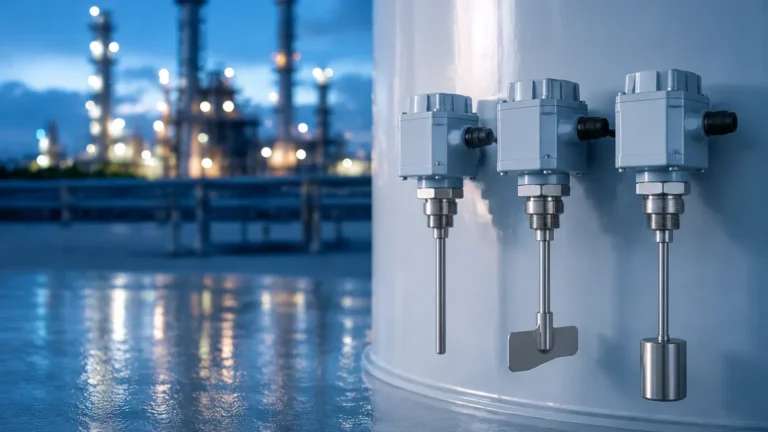
In the landscape of industrial automation and process control, the reliable detection of liquid and solid levels is fundamental to operational safety and efficiency. Among the various manufacturers serving this sector, the level switch Kobold range represents a significant portion of the market, offering a diverse array of technologies designed to meet specific environmental and material challenges. For engineers and procurement specialists, understanding the underlying measurement principles and selection criteria of these instruments is essential for ensuring long-term system reliability.
Level switches are discrete sensors that provide a binary signal—typically an electrical contact closure or opening—when a substance reaches a predefined height within a vessel. Unlike continuous level transmitters, which provide a constant stream of data regarding the exact level, switches are used for point-level detection, such as high-level alarms to prevent overfills or low-level alarms to protect pumps from running dry.
Measurement Principles of Level Switches
Before selecting a specific level switch Kobold model or an equivalent industrial alternative, it is necessary to understand the physics of the measurement. Different media—ranging from viscous oils to granular solids—require different sensing technologies.
Float and Magnetic Principles
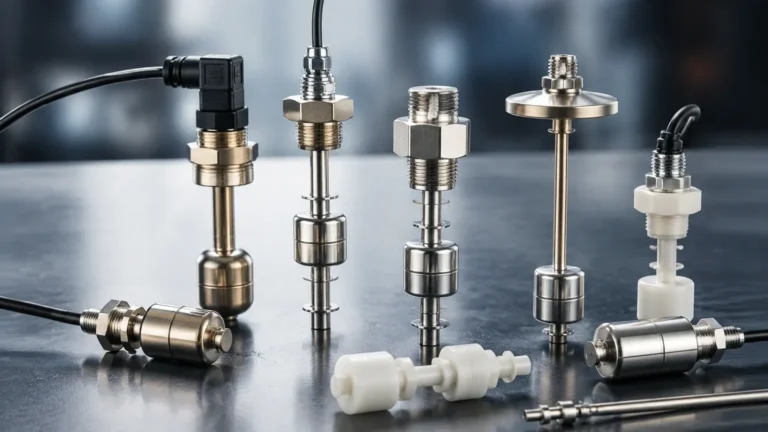
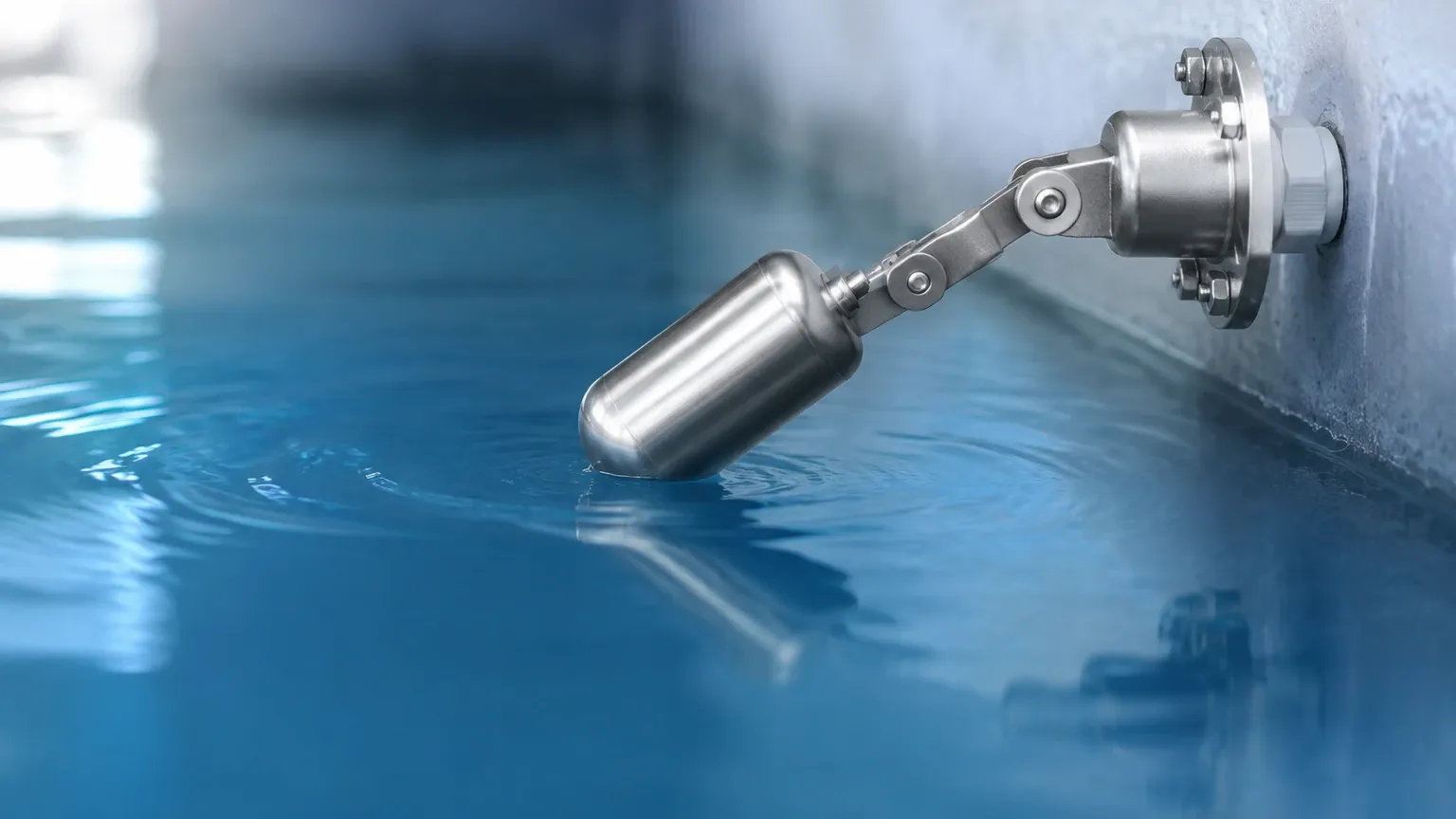
Float switches are among the most common and cost-effective solutions for liquid level detection. They operate on the principle of buoyancy. A float, containing a permanent magnet, moves along a guide tube or pivots on a hinge as the liquid level rises or falls. Inside the housing or tube, a reed contact or a microswitch is positioned. When the magnet in the float reaches the switching point, the magnetic field actuates the contact. This technology is highly reliable for clean, non-coating liquids but can be susceptible to mechanical sticking if the media contains high levels of particulates.
Vibrating Level Switches (Tuning Forks)
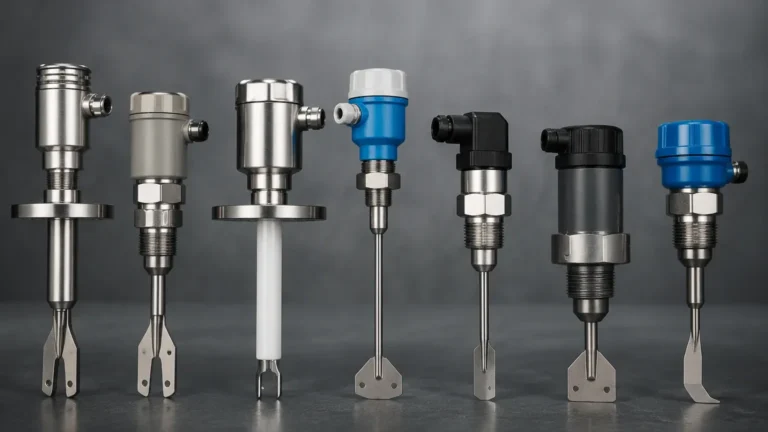
Often used for both liquids and fine-grained solids, vibrating switches utilize a tuning fork-shaped sensor. A piezoelectric crystal excites the fork to vibrate at its natural resonance frequency in the air. When the fork is covered by the medium, the frequency shifts or the vibration is damped. The electronic circuit detects this change and triggers the output. These are favored for their immunity to turbulence, bubbles, and external vibrations.
Capacitive Sensing
Capacitive level switches treat the sensor probe and the tank wall (or a second probe) as two plates of a capacitor. The medium acts as the dielectric. As the level rises and covers the probe, the capacitance changes based on the dielectric constant of the material. This technology is versatile but requires calibration to the specific medium and may struggle with materials that have fluctuating moisture levels or those that leave a conductive coating on the probe.
Conductive Principles
For conductive liquids, such as water or acids, conductive switches use multiple electrodes. When the liquid touches the electrodes, a low-voltage electrical circuit is completed. This is a simple, no-moving-parts solution, though it is strictly limited to conductive media and cannot be used in explosive environments without intrinsic safety barriers.
Evaluating the Level Switch Kobold Product Range
The level switch Kobold portfolio is characterized by its breadth, covering almost every physical principle mentioned above. When integrating these into a process, engineers typically categorize them by their application suitability.
1. Plastic Float Switches: Often used in water treatment and chemical dosing where corrosion resistance is paramount. Materials like Polypropylene (PP) or PVDF are standard.
2. Stainless Steel Magnetic Switches: Designed for high-pressure and high-temperature environments, such as steam boilers or hydraulic oil tanks. These can often withstand pressures up to 40 bar and temperatures exceeding 150°C.
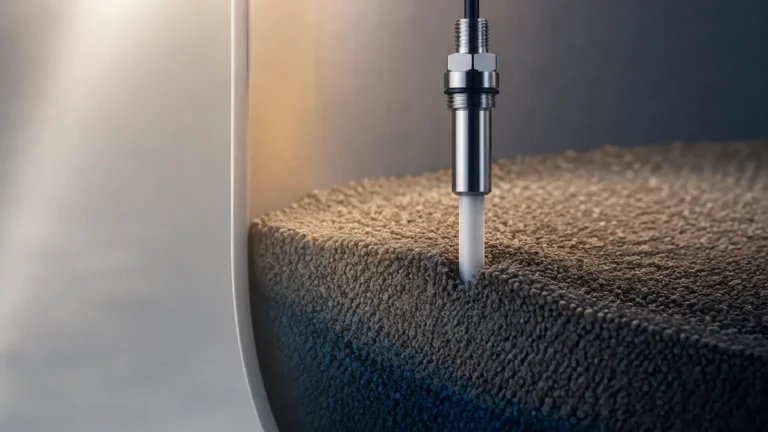
3. Rotating Paddle Switches: Specifically for bulk solids like grain, sand, or plastic pellets. A motor drives a paddle; when the material reaches the paddle, the rotation is impeded, which flips a switch. Kobold’s versions are known for robust housings that protect the motor from dust ingress.
4. Ultrasonic Switches: These provide non-contact detection for liquids, using sound waves to detect the presence of a surface. They are ideal for aggressive media that would otherwise corrode a physical probe.
For those seeking a broad range of industrial-grade Level Switches, it is important to compare the technical specifications of brand-name components like Kobold against specialized OEM solutions to find the best balance of precision and cost.
Selection Criteria for Industrial Applications
Choosing the correct level switch requires a systematic evaluation of the process conditions. The following table provides a general guideline for technology selection based on common industrial variables:
| Medium Property | Recommended Technology | Considerations |
| :— | :— | :— |
| Clean, Low-Viscosity Liquid | Float / Magnetic | Most economical; check chemical compatibility. |
| Viscous or Coating Liquid | Vibrating Fork | High reliability; resists build-up. |
| Highly Corrosive Acid | Plastic Float / Ultrasonic | Ensure material compatibility (e.g., PTFE/PVDF). |
| Bulk Solids (Granules) | Rotating Paddle / Vibrating | Check for mechanical wear and dust explosion ratings. |
| Conductive Liquid | Conductive Electrodes | Simple; requires conductive media (>10 µS/cm). |
| High Pressure (>30 bar) | Stainless Steel Float | Ensure float is rated for collapse pressure. |
Material Compatibility
The housing and wetted parts must be compatible with the process media. For example, while 316L stainless steel is a standard for many industrial applications, it may fail in the presence of high-concentration hydrochloric acid. In such cases, specialized plastics or exotic alloys like Hastelloy are required.
Temperature and Pressure
Standard level switches often operate up to 80°C or 100°C. However, in power generation or oil refining, temperatures can reach 400°C. In these instances, the electronics must be thermally decoupled from the process connection using cooling fins or remote mounting.
Installation and Engineering Best Practices
Correct installation is as critical as selecting the right technology. Even a high-quality level switch Kobold unit will fail if positioned incorrectly within a vessel.
* Turbulence Management: In tanks with agitators or high-velocity fill lines, float switches can be damaged by mechanical stress. Stilling wells (a pipe installed vertically in the tank) should be used to provide a calm area for the float to operate.
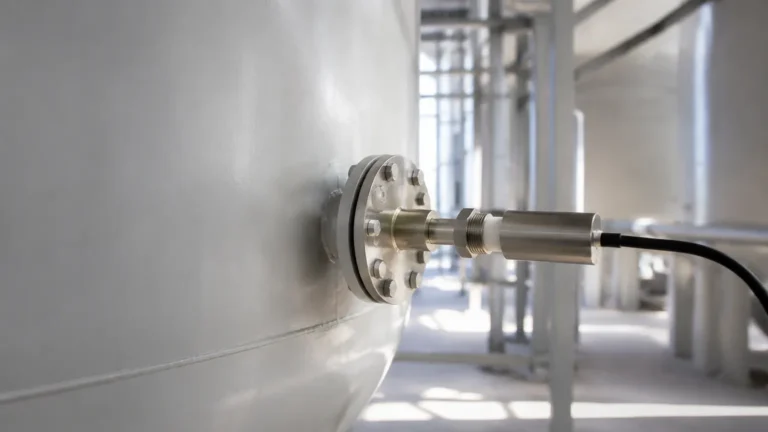
* Mounting Orientation: Some switches are designed for vertical mounting (top-down), while others are side-mounted. Ensure the switch is oriented so that the reset point (hysteresis) is accounted for. If a switch triggers at 500mm, it may not reset until the level drops to 490mm.
* Avoid Dead Zones: For ultrasonic or radar-based switches, there is often a "dead zone" near the sensor face where measurement is impossible. Ensure the sensor is mounted high enough that the maximum liquid level never enters this zone.
* Electrical Integration: Most industrial switches provide a SPDT (Single Pole Double Throw) relay output. It is best practice to use an intermediate relay in the control cabinet rather than switching high-current loads (like large pump motors) directly through the sensor's small internal contacts.
Operational Limitations and Environmental Factors
While level switches are robust, they are not universal. Engineers must be aware of the following limitations:
1. Specific Gravity: Float switches rely on the density of the liquid. If a float is designed for water (SG 1.0) but used in a light oil (SG 0.7), it may not float at all, leading to a failure to trigger.
2. Build-up and Scaling: In wastewater applications, fats, oils, and grease (FOG) can build up on probes. Vibrating forks are better at shedding this material than capacitive probes, but periodic cleaning is still necessary.
3. Foam: Foam on the surface of a liquid can confuse ultrasonic and capacitive sensors. If foam is present, a mechanical float or a specialized tuning fork is usually a more reliable choice.
4. Ambient Environment: In outdoor installations, condensation can form inside the sensor housing if the cable glands are not sealed correctly. Using a "drip loop" in the wiring and ensuring high IP ratings (IP65 or higher) is mandatory.
Frequently Asked Questions (FAQs)
Q: Can a level switch be used for continuous level measurement?
A: No. A level switch only provides a signal at a specific point. For continuous data (e.g., 0-100% full), you require a level transmitter, such as a radar or hydrostatic pressure sensor.
Q: What is the difference between an NPN and PNP output in electronic switches?
A: These refer to the type of transistor output. PNP switches "push" the voltage to the load (positive switching), while NPN switches "pull" the load to ground (negative switching). Most European systems use PNP, while NPN is common in some Asian-manufactured equipment.
Q: How do I test a level switch without filling the tank?
A: Most float switches can be manually actuated by moving the float. Vibrating forks often have a test magnet or a button on the electronics module that simulates a "covered" state for safety loop testing.
Q: Is it possible to use a level switch in a vacuum?
A: Yes, but you must ensure the seal at the process connection is vacuum-tight and that any floats used are not "hollow" in a way that would cause them to expand or deform under pressure changes.
Conclusion
Selecting a level switch Kobold or a comparable industrial sensor requires a deep dive into the physical properties of the media and the mechanical constraints of the vessel. By understanding the principles of buoyancy, vibration, and capacitance, and by adhering to strict installation guidelines, process engineers can implement level control solutions that minimize downtime and maximize safety. Whether the application involves simple water storage or complex chemical processing, the right switch is the first line of defense in automated fluid management.