Level Switch Manufacturers in India
Level Switch Manufacturers in India
Level switches serve as the critical "eyes" of industrial automation, providing essential point-level detection to prevent tank overfills, protect pumps from dry running, and manage inventory in silos. In the rapidly expanding industrial landscape of South Asia, identifying reliable level switch manufacturers in India has become a priority for procurement managers and process engineers in sectors ranging from wastewater treatment to petrochemical processing.
This guide examines the technological principles of level switches, the specific landscape of the Indian manufacturing market, and the technical criteria necessary for selecting a robust measurement solution.
Fundamental Principles of Level Detection
Before evaluating specific suppliers or regional manufacturers, it is essential to understand the underlying physics of point-level detection. Level switches operate on various physical principles, each suited to specific media and environmental conditions.
1. Float Level Switches
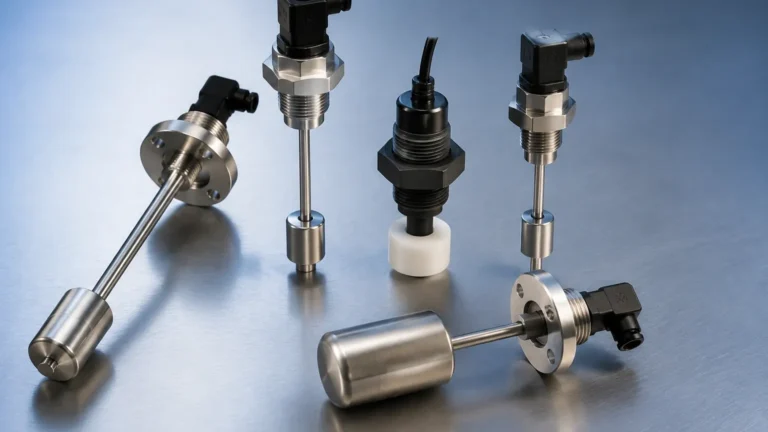
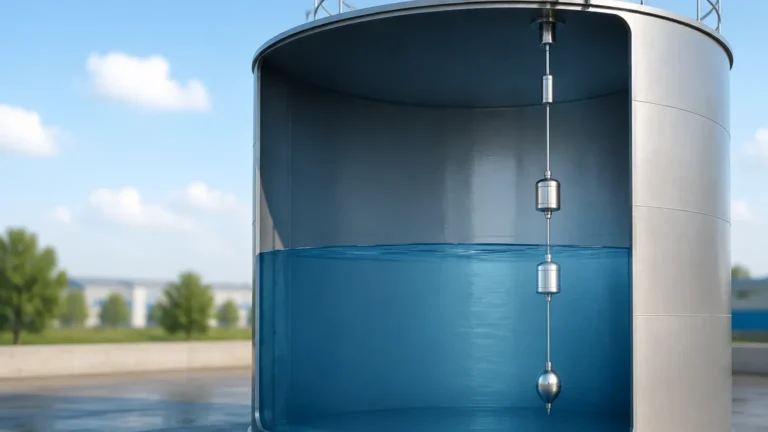
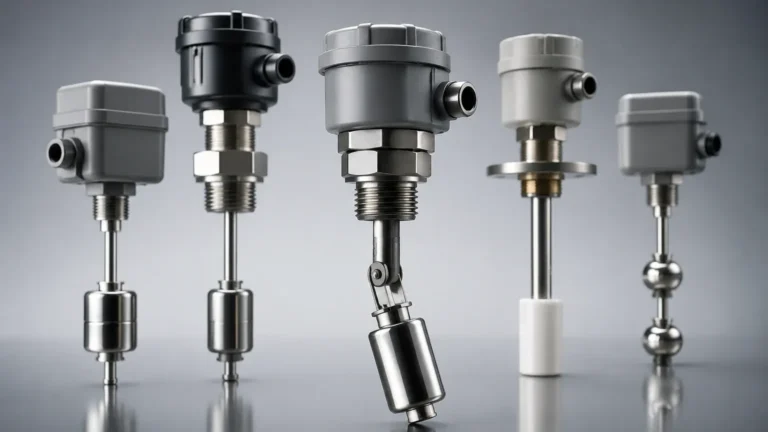
Float switches utilize the principle of buoyancy. A magnetic float moves with the liquid level, actuating a reed switch or a microswitch within the stem. These are widely used in water treatment due to their simplicity and low cost. However, they are susceptible to mechanical jamming if the liquid contains high levels of suspended solids or high viscosity.
2. Vibrating Level Switches (Tuning Fork)
These sensors use piezoelectric crystals to vibrate a fork-shaped probe at its natural frequency. When the probe is immersed in a medium (liquid or solid), the frequency shifts. The electronics detect this change and trigger the switch. Vibrating switches are highly versatile, unaffected by bubbles, foam, or vibration, making them a standard choice for the pharmaceutical and food industries.
3. Capacitance Level Switches
Capacitance sensors measure the change in electrical capacitance between the sensor probe and the tank wall (or a reference probe). As the material rises, it displaces air (which has a low dielectric constant) with the process material (which has a higher dielectric constant). These are excellent for both liquids and bulk solids, though they require calibration and can be sensitive to material buildup on the probe.
4. Rotary Paddle Level Switches
Designed specifically for bulk solids and powders, these switches use a low-speed motor that rotates a paddle. When the material reaches the paddle, it creates torque that triggers a microswitch and stops the motor. They are robust but involve moving parts that require periodic maintenance.
5. Ultrasonic Level Switches
These utilize high-frequency sound waves. A gap in the sensor probe is filled with liquid, allowing the ultrasonic signal to pass and trigger the switch. In air, the signal is attenuated. These are non-contact in nature (in some configurations) and are ideal for corrosive or hazardous liquids where mechanical contact is undesirable.
The Landscape of Level Switch Manufacturers in India
The Indian market for level instrumentation is characterized by a mix of home-grown engineering firms and international subsidiaries. Industrial hubs such as Pune, Mumbai, Ahmedabad, and Chennai have become centers for Level Switches production.
Regional Manufacturing Strengths
* Maharashtra (Pune/Mumbai): Known for high-end engineering and compliance with international standards. Many manufacturers here focus on the oil and gas sector, providing explosion-proof and flame-proof certifications.
* Gujarat (Ahmedabad/Vadodara): A hub for chemical and pharmaceutical instrumentation. Manufacturers in this region often specialize in corrosion-resistant materials like PTFE or Hastelloy.
* Tamil Nadu (Chennai/Coimbatore): Strong focus on water and wastewater management solutions, offering cost-effective float and hydrostatic switches.
Regulatory and Quality Standards
When sourcing from level switch manufacturers in India, engineers must verify compliance with both local and international standards. Key certifications include:
* PESO (Petroleum and Explosives Safety Organization): Mandatory for any equipment used in hazardous areas in India.
* BIS (Bureau of Indian Standards): Ensures the product meets national quality benchmarks.
* IP Ratings: Essential for the Indian climate, where high humidity and heavy monsoon rains require at least IP65 or IP67 protection for outdoor installations.
* CE/ATEX: Crucial for companies exporting products or following global safety protocols.
Selection Criteria for Industrial Level Switches
Selecting the right technology involves more than just identifying a manufacturer. Engineers must match the sensor's physical properties to the process environment. Use the following table as a baseline for technology selection:
| Technology | Media Type | Temp. Range (Typical) | Pressure Range (Typical) | Best For |
| :— | :— | :— | :— | :— |
| Float | Clean Liquids | -20°C to 120°C | Up to 20 bar | Water tanks, fuel storage |
| Vibrating Fork | Liquids/Solids | -40°C to 150°C | Up to 40 bar | Overfill protection, pump dry-run |
| Capacitance | Liquids/Solids | -40°C to 200°C | Up to 100 bar | High pressure, corrosive media |
| Rotary Paddle | Bulk Solids | -20°C to 80°C | Atmospheric | Grain silos, cement hoppers |
| Conductivity | Conductive Liquids | -20°C to 100°C | Up to 10 bar | Simple sump control |
Material Compatibility
The choice of wetted parts is critical. While Stainless Steel 316 (SS316) is the standard for most Indian industrial applications, highly corrosive environments in chemical plants may require PVDF, PP, or specialized coatings. Manufacturers should provide material test reports (MTRs) to verify the grade of steel or plastic used.
Installation Considerations and Best Practices
Even the highest quality switch from the most reputable level switch manufacturers in India will fail if installed incorrectly. Proper installation ensures longevity and accuracy.
1. Avoid Turbulence: Do not install level switches directly in the path of the inlet flow. If turbulence is unavoidable, use a stilling well or a baffle plate to protect the sensor.
2. Orientation: Vibrating forks should be oriented so that material can easily flow off the blades, preventing "bridging" or false triggers. For solids, the forks should be slanted to prevent heavy material impact.
3. Nozzle Length: Ensure the active part of the sensor (the fork, paddle, or probe) extends sufficiently into the tank. If the nozzle is too long, material may get trapped, causing the switch to remain in the "covered" state.
4. Cable Entry: In the humid Indian climate, always install a drip loop in the cabling. Ensure cable glands are tightened to maintain the IP rating of the housing.
5. Grounding: For capacitance switches, proper grounding to the metallic tank wall is essential. In non-metallic tanks, a reference ground rod must be used.
Challenges and Limitations
While level switches are generally reliable, they are not "set and forget" devices. Understanding their limitations is key to process safety.
* Build-up and Coating: Capacitance and vibrating switches can struggle with extremely sticky media. While many modern switches have "coating rejection" logic, heavy buildup will eventually cause a false signal.
* Mechanical Wear: Rotary paddles and float switches have moving parts. In abrasive environments (like sand or ore), these components will wear down and require replacement.
* Dielectric Constant: Capacitance switches require a minimum dielectric constant (εr) to function. If the material properties change significantly, the switch may require recalibration.
Frequently Asked Questions (FAQ)
Q: Can a single level switch be used for both high and low-level detection?
A: No. A level switch is a point-level device. To detect both high and low levels, you generally need two separate switches or a continuous level transmitter with programmable relay outputs.
Q: How do I choose between a domestic Indian manufacturer and an international brand?
A: Domestic manufacturers often provide faster lead times and localized support, which is vital for maintenance. International brands may offer more advanced digital integration (like IO-Link or HART). The choice should depend on the criticality of the application and the required certifications.
Q: Are vibrating fork switches suitable for highly aerated liquids?
A: Yes, vibrating forks are generally excellent for aerated liquids or foam, as the frequency shift required to trigger the switch is specifically tuned to distinguish between the density of air/foam and the liquid.
Q: What is the typical lifespan of an industrial level switch?
A: In clean, non-corrosive environments, a high-quality switch can last 10-15 years. In abrasive or highly corrosive applications, the lifespan may be reduced to 2-5 years, necessitating a regular inspection schedule.
Conclusion
Sourcing from level switch manufacturers in India requires a balanced approach that considers technical specifications, environmental challenges, and regulatory compliance. Whether you are managing a municipal water project or a complex chemical refinery, the reliability of your point-level detection is the foundation of your plant's safety and efficiency. By understanding the measurement principles and strictly adhering to installation best practices, engineers can ensure that their level switches provide accurate, long-term service in even the most demanding conditions.