Level Switch Officine Orobiche
Level Switch Officine Orobiche
In the landscape of industrial process control, the reliability of point-level detection is paramount for safety, environmental protection, and operational efficiency. Among the established names in the sector, the level switch officine orobiche represents a class of instrumentation engineered for demanding environments, particularly in the oil and gas, petrochemical, and power generation industries. These devices are designed to provide discrete signals when a liquid reaches a predetermined level, facilitating pump control, high-level alarms, and low-level dry-run protection.
Selecting the right instrumentation requires a deep understanding of measurement principles, process conditions, and the specific mechanical advantages offered by different designs. This guide explores the engineering fundamentals of industrial level switches, the specific characteristics of the Officine Orobiche range, and the critical factors involved in selecting, installing, and maintaining these essential components.
Measurement Principles of Level Switches
Before evaluating specific brands or models, it is essential to understand the physical principles that govern how industrial Level Switches operate. While modern electronics have introduced ultrasonic and radar-based point detection, mechanical and magnetic principles remain the standard for high-pressure and high-temperature applications due to their inherent robustness.
Float-Operated Mechanisms
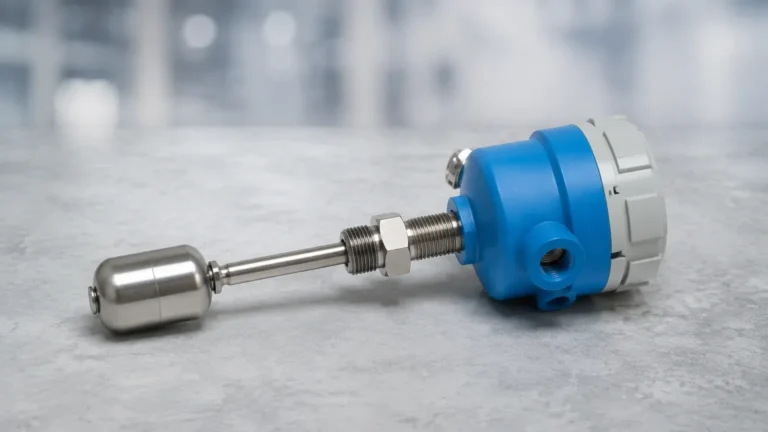
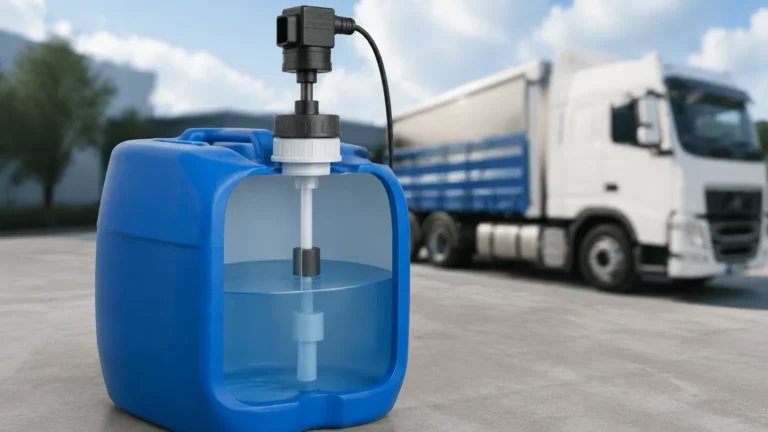
Float-operated switches rely on the buoyancy of a float that moves with the liquid level. As the liquid rises or falls, the float moves an internal magnet or a mechanical linkage. In magnetically coupled designs, the float contains a permanent magnet that acts upon a reed switch or a microswitch located outside the process pressure boundary. This isolation is critical for preventing leaks and ensuring the longevity of the electrical components.
Displacement-Type Switches
Unlike float switches, displacement-type switches do not rely on a floating body. Instead, they use a weighted "displacer" that is heavier than the liquid. The displacer is suspended by a spring. When the liquid reaches the displacer, the buoyant force reduces the effective weight of the displacer, causing the spring to retract slightly. This movement is then transmitted to the switching mechanism. Displacement switches are particularly useful in turbulent liquids or for detecting the interface between two immiscible liquids of different densities.
Magnetic Coupling and Glandless Design
A hallmark of high-quality industrial switches, including the level switch officine orobiche, is the glandless design. By using magnetic coupling to transmit movement from the process side to the switch side, the need for dynamic seals or bellows is eliminated. This significantly reduces the risk of process fluid leakage and mechanical friction, which are common failure points in traditional mechanical switches.
The Role of Officine Orobiche in Level Measurement
Officine Orobiche, an Italian manufacturer with decades of experience, specializes in the production of level, flow, and visual measurement instruments. Their level switches are recognized for their heavy-duty construction and ability to operate under extreme process conditions.
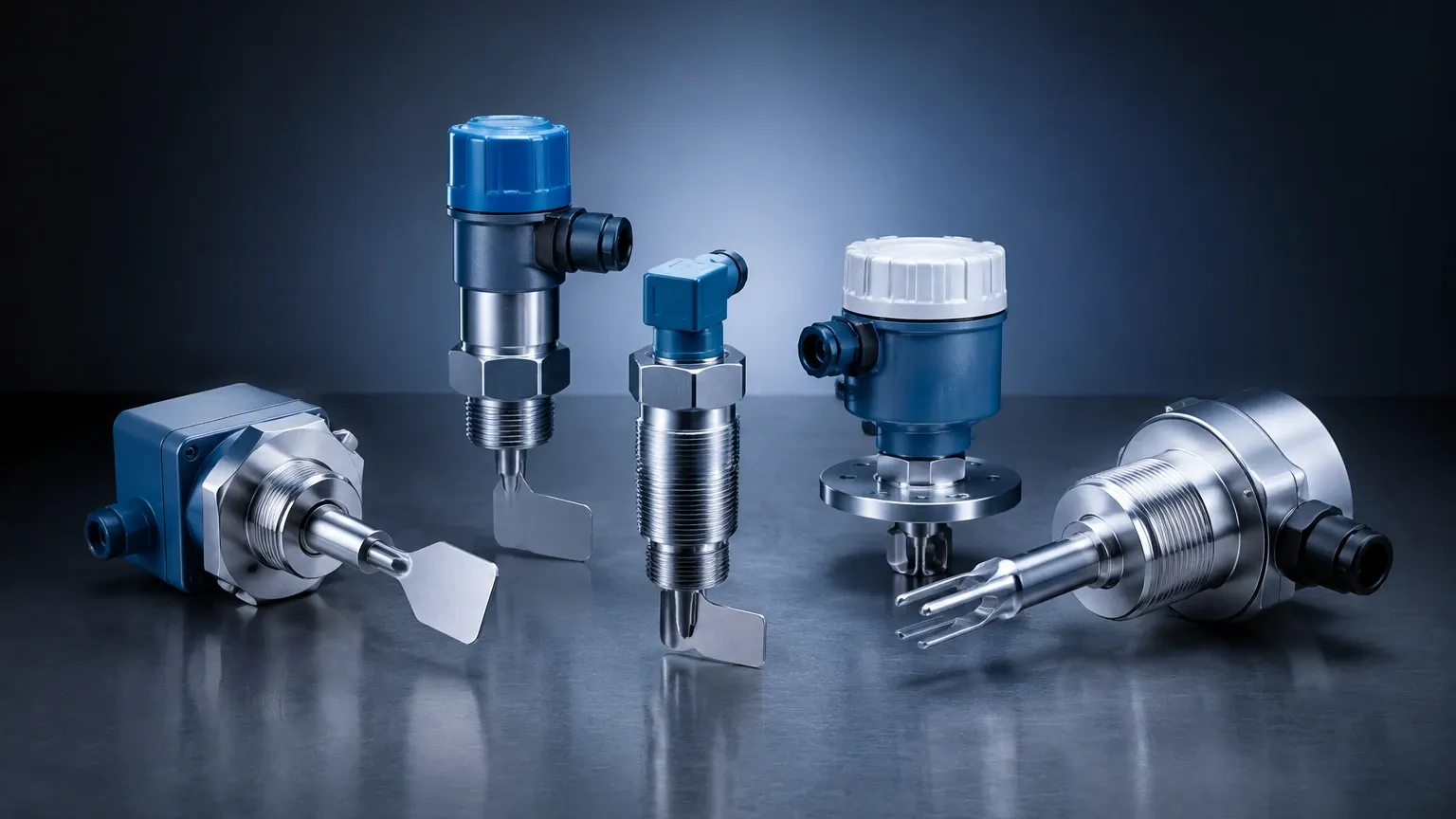
The level switch officine orobiche portfolio typically includes:
* Magnetic Float Switches: Often utilized in storage tanks and process vessels where a simple, reliable high/low alarm is required.
* Displacer Level Switches: Preferred for high-pressure separators and applications where the liquid surface may be agitated.
* Side-Mounted and Top-Mounted Configurations: Providing flexibility for vessel integration depending on the available space and nozzle locations.
These instruments are frequently specified in projects requiring compliance with international standards such as ATEX (for explosive atmospheres), PED (Pressure Equipment Directive), and SIL (Safety Integrity Level) ratings for functional safety systems.
Key Evaluation Criteria for Level Switches
Choosing a level switch involves more than just identifying the required set point. Engineers must consider the holistic environment in which the device will operate. Failure to account for any of the following factors can lead to premature failure or inaccurate switching.
1. Process Temperature and Pressure
The materials of construction for the housing, the float/displacer, and the seals must be rated for the maximum expected process temperature and pressure. High-temperature applications may require cooling fins or extended necks to protect the switch housing from heat conduction.
2. Fluid Density (Specific Gravity)
For buoyancy-based switches, the specific gravity (SG) of the liquid is the most critical variable. A float designed for water (SG 1.0) may not function correctly in a light hydrocarbon (SG 0.6). When ordering a level switch officine orobiche, the minimum fluid density must be specified to ensure the float or displacer is appropriately sized.
3. Chemical Compatibility
The wetted parts—typically stainless steel (316L), Monel, Hastelloy, or plastics—must be resistant to corrosion by the process media. This includes not only the primary fluid but also any cleaning agents or additives used in the process.
4. Electrical Requirements and Certifications
The switch type (SPDT, DPDT) and the electrical load (voltage and amperage) must match the control system. Furthermore, if the installation is in a hazardous area, the switch must carry the appropriate explosion-proof or intrinsically safe certifications.
Practical Selection Table for Industrial Level Switches
The following table provides a general comparison of common level switch configurations found in industrial applications.
| Switch Type | Typical Application | Max Pressure (Approx.) | Max Temp (Approx.) | Minimum SG |
| :— | :— | :— | :— | :— |
| Side-Mount Float | Tank high/low alarm | 100 bar | 400°C | 0.45 |
| Top-Mount Displacer | Turbulent sumps | 150 bar | 450°C | 0.50 |
| Magnetic Level Gauge Switch | Visual + Alarm | 200 bar | 400°C | 0.40 |
| Miniature Float | OEM equipment | 10 bar | 120°C | 0.80 |
| Chamber-Mounted | External to vessel | 250 bar | 450°C | 0.45 |
Installation and Engineering Considerations
Correct installation is as important as the selection of the instrument itself. For a level switch officine orobiche to perform reliably, several engineering best practices must be followed.
Mounting Orientation
Side-mounted switches must be installed perfectly level to ensure the float arm moves freely. Top-mounted displacer switches require sufficient overhead clearance for the removal of the displacer rod during maintenance.
Use of External Chambers
In many process applications, it is preferable to mount the level switch in an external bypass chamber (bridle). This allows the instrument to be isolated from the main vessel for maintenance or calibration without shutting down the process. It also acts as a stilling well, reducing the impact of turbulence on the switch mechanism.
Wiring and Conduit Seals
In hazardous areas, the use of certified cable glands and conduit seals is mandatory. Water ingress into the switch housing is a common cause of failure; therefore, ensuring that the housing cover is properly tightened and the cable entries are sealed is a critical step in the installation process.
Still-Wells for Internal Mounting
If a switch is mounted directly inside a vessel with high-velocity inflow or an agitator, a still-well (a perforated pipe surrounding the float) should be used to protect the mechanical components from lateral forces and surface ripples.
Limitations and Application Risks
While robust, mechanical level switches have inherent limitations that must be managed:
* Build-up and Fouling: Sticky or viscous fluids can cause the float or displacer to become stuck. In such environments, non-contacting technologies or switches with high-torque mechanisms are preferred.
* Mechanical Fatigue: In applications with frequent cycling or extreme vibration, the mechanical linkages can eventually suffer from fatigue. Regular inspection intervals should be established.
* Specific Gravity Fluctuations: If the process involves fluids with varying densities, a float-based switch may trigger at different physical levels. Displacement switches are generally more tolerant of these variations but still require careful calibration.
* Magnetic Interference: Since many of these devices rely on magnetic coupling, the presence of strong external magnetic fields or large amounts of ferromagnetic debris in the fluid can interfere with operation.
Maintenance and Troubleshooting
A proactive maintenance program for a level switch officine orobiche typically involves periodic "wet tests" where the liquid level is manually raised (or the float is manually lifted) to verify the electrical trigger.
Common Troubleshooting Steps:
1. Switch does not trigger: Check for a collapsed float (due to overpressure), a stuck mechanism (due to debris), or a failed electrical contact.
2. Intermittent signal: Often caused by loose wiring, moisture in the housing, or the switch being positioned too close to a turbulent inlet.
3. Leakage from housing: Usually indicates a failure of the primary seal or pressure boundary, requiring immediate replacement of the unit or the wetted assembly.
Frequently Asked Questions (FAQs)
Q: Can a level switch officine orobiche be used for interface detection?
A: Yes, specifically the displacer models. By calibrating the spring tension and displacer weight to the densities of the two liquids, the switch can be set to trigger only when the interface reaches a certain height.
Q: What is the difference between a reed switch and a microswitch in these devices?
A: Reed switches are hermetically sealed and operated by a magnet; they are excellent for low-power signals and corrosive atmospheres. Microswitches are mechanical snap-action switches that can handle higher current loads but may be more susceptible to environmental degradation if the housing is breached.
Q: How do I choose between a side-mounted and a top-mounted switch?
A: Side-mounted switches are easier to access for maintenance but require a nozzle at the exact point of detection. Top-mounted switches allow for adjustable set points (by changing the length of the rod or cable) and are better for underground tanks.
Q: Are these switches suitable for sanitary applications?
A: While many industrial switches are made of stainless steel, sanitary applications (food, beverage, pharma) usually require specific surface finishes (Ra < 0.8 μm) and tri-clamp connections. You should verify that the specific model meets 3A or EHEDG standards.
Conclusion
The level switch officine orobiche remains a staple in heavy industry due to its uncompromising build quality and the reliability of its mechanical-magnetic design. By understanding the underlying physics of buoyancy and displacement, and by carefully matching the instrument specifications to the process conditions, engineers can ensure long-term safety and precision in level control. Whether for simple tank protection or complex safety instrumented systems, the correct application of these switches is a cornerstone of sound process engineering.