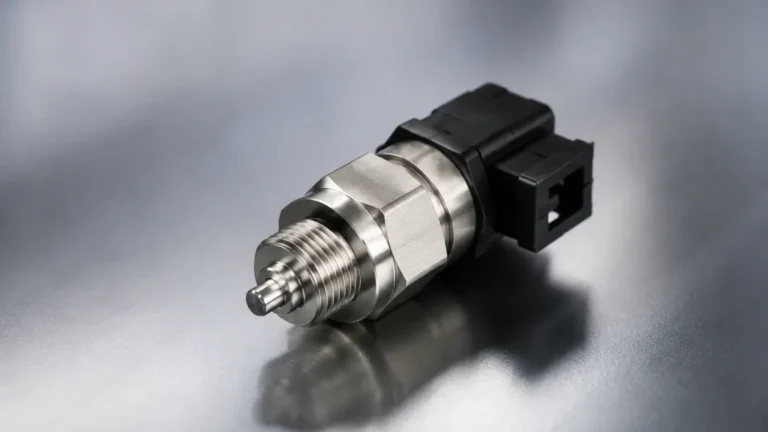
Madison Liquid Level Switches
Madison Liquid Level Switches
In the landscape of industrial automation and fluid management, point level detection serves as a fundamental safety and control mechanism. Madison liquid level switches have established a significant presence in this sector, particularly known for their robust float-based designs and versatility across various chemical and thermal environments. For engineers and facility managers, selecting the correct switch involves understanding the underlying physics of buoyancy, material compatibility, and the specific electrical requirements of the control system.
Reliable Level Switches are essential for preventing tank overfills, protecting pumps from dry running, and maintaining precise inventory levels in process vessels. This guide examines the technical specifications, measurement principles, and application criteria necessary for integrating Madison-style liquid level switches into modern industrial workflows.
Understanding the Measurement Principles
The primary technology employed by Madison liquid level switches is the magnetic reed switch mechanism. This principle relies on the interaction between a moving float and a stationary electrical component.
The Magnetic Reed Switch Mechanism
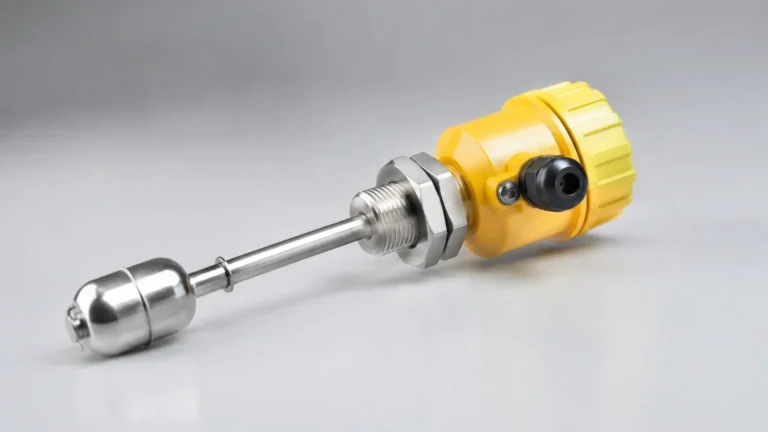
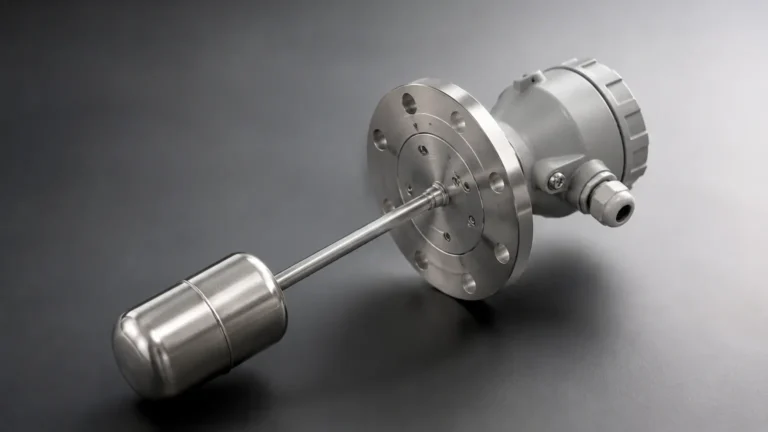
Inside the hollow stem of the level switch is a hermetically sealed reed switch. This switch consists of two overlapping ferromagnetic blades (reeds) enclosed in a glass envelope. A float, which contains an internal permanent magnet, slides up and down the stem as the liquid level changes.
When the float reaches the position of the reed switch, the magnetic field pulls the blades together (closing the circuit) or allows them to spring apart (opening the circuit). This transition provides a digital signal to a PLC, relay, or alarm system. Because the electrical components are sealed within the stem, they are protected from the process media, ensuring a long operational life in harsh environments.
Single-Point vs. Multi-Point Detection
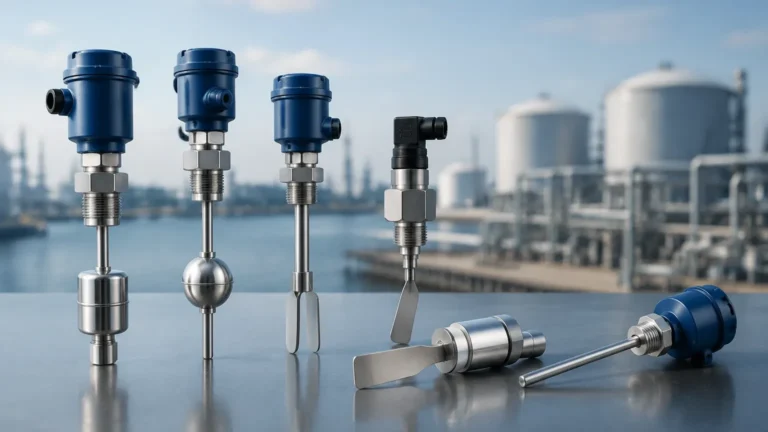
* Single-Point Switches: These are used for high-level or low-level alarms. They are typically mounted at the top or bottom of a tank or through a side-wall fitting.
* Multi-Point Switches: These units feature a single stem with multiple reed switches positioned at different heights. This allows a single entry point into the tank to provide signals for several levels, such as "Low-Low," "Low," "High," and "High-High."
Technical Specifications and Material Selection
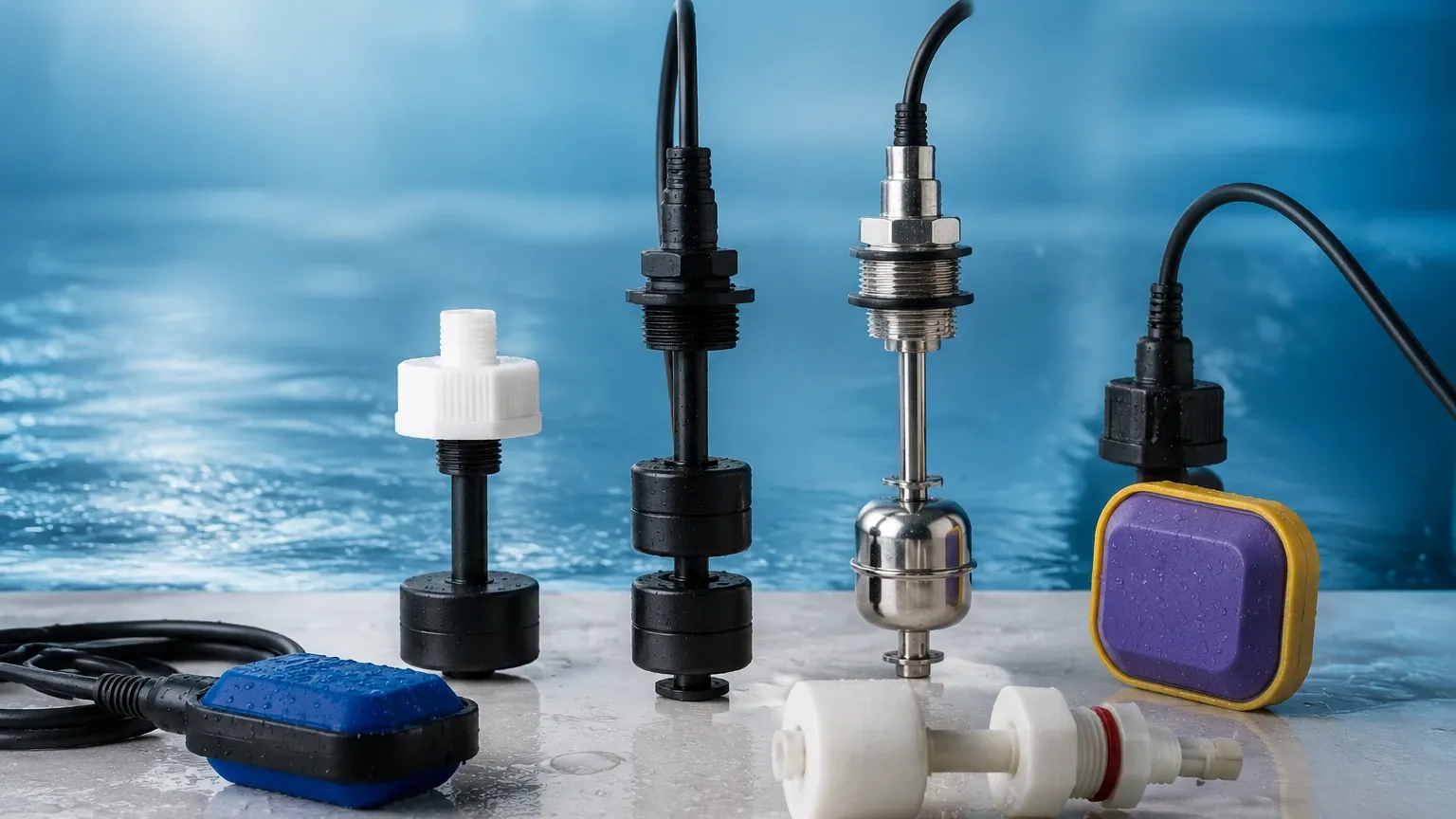
One of the defining characteristics of Madison liquid level switches is the variety of materials available to suit different chemical profiles. Choosing the wrong material can lead to premature failure due to corrosion or material degradation.
Common Housing and Float Materials
1. Stainless Steel (316SS): The standard for high-pressure and high-temperature applications. It offers excellent resistance to many chemicals and is suitable for food-grade or sanitary applications. It can typically withstand temperatures up to 200°C (392°F) and pressures up to 20 bar (approx. 300 PSI).
2. Polypropylene (PP): A cost-effective choice for general-purpose water and acidic environments. It is lightweight and resistant to many organic solvents but has lower temperature limits, usually around 100°C (212°F).
3. Kynar (PVDF): Utilized for high-purity applications and highly corrosive chemicals, such as concentrated acids or halogens.
4. Buna-N: Often used for the float material in oil and fuel applications due to its excellent buoyancy and compatibility with petroleum products.
Specific Gravity Considerations
For a float switch to function, the float must be less dense than the liquid it is measuring. This is measured by Specific Gravity (SG). Most standard Madison liquid level switches require a minimum SG of 0.60 to 0.80. If the liquid is too light (e.g., certain liquefied gases or light hydrocarbons), the float will sink, and the switch will fail to trigger.
Selection Table for Level Switches
When evaluating options for industrial applications, the following table provides a comparison of typical performance metrics for different switch configurations.
| Feature | Miniature Float Switch | Full-Size Stainless Switch | Side-Mount Switch | Multi-Point Assembly |
| :— | :— | :— | :— | :— |
| Mounting | 1/8" NPT or M12 | 1/2" NPT or 2" Flange | 1/2" NPT Side Wall | 1" to 3" NPT/Flange |
| Max Temp | 90°C (194°F) | 200°C (392°F) | 150°C (302°F) | 200°C (392°F) |
| Max Pressure | 3.5 bar (50 PSI) | 20 bar (300 PSI) | 7 bar (100 PSI) | 15 bar (220 PSI) |
| Materials | PP, Nylon, Kynar | 316 Stainless Steel | 316SS, PP | Custom Mix |
| Best For | Small tanks, OEM equipment | Industrial processing | Limited overhead space | Complex pump control |
Installation and Wiring Considerations
Proper installation is critical to the accuracy and longevity of Madison liquid level switches. Failure to follow engineering best practices can result in "switch bounce" or mechanical binding.
Mounting Orientation
Most float switches are designed for either vertical or horizontal mounting. Vertical switches must be installed perfectly plumb to prevent the float from sticking against the stem. If the tank experiences high turbulence or agitation, a stilling well (a perforated pipe surrounding the switch) should be installed to dampen fluid movement and protect the float from mechanical stress.
Electrical Configuration: NO vs. NC
Most Madison-style switches are "form A" (Single Pole Single Throw – SPST). They can be configured as either Normally Open (NO) or Normally Closed (NC) by simply removing the float, flipping it 180 degrees, and reinstalling it on the stem.
* Normally Open (NO): The circuit is open when the float is at the bottom (rest) position. It closes as the level rises.
* Normally Closed (NC): The circuit is closed at the rest position and opens as the level rises. This is often preferred for high-level safety alarms because a wire break will trigger the same response as a high-level condition (fail-safe).
Contact Protection
Reed switches have limited current-carrying capacities, often ranging from 10W to 50W. They should never be used to power a pump or motor directly. Instead, they should trigger a high-impedance input on a PLC or drive an interposing relay. For inductive loads (like a relay coil), a diode or varistor should be used to suppress voltage spikes that could weld the reed contacts together.
Limitations and Application Risks
While Madison liquid level switches are highly reliable, they are not universal solutions. Engineers must be aware of the following limitations:
1. Viscosity and Coating: In highly viscous liquids or fluids that tend to crystallize or form scales (like wastewater with high mineral content or heavy syrups), the float can become stuck to the stem. In these cases, non-contact technologies like ultrasonic or radar level sensors are preferred.
2. Magnetic Interference: Since the switch operates via magnetism, the presence of heavy ferrous particles in the liquid can coat the float and interfere with the reed switch operation. Magnetic traps or filters may be required upstream.
3. Turbulence: In tanks with high-speed mixers, the mechanical force of the moving liquid can bend the stem or cause the float to vibrate excessively, leading to false triggers. Stilling wells are mandatory in these environments.
4. Dielectric Constant: Unlike capacitive switches, float switches are unaffected by the dielectric constant of the liquid, which is an advantage. However, they are sensitive to changes in liquid density (Specific Gravity).
Frequently Asked Questions (FAQs)
Q: Can Madison liquid level switches be used in hazardous locations?
A: Yes, many models are available with ATEX or UL explosion-proof ratings. However, standard switches can often be used in hazardous areas if they are connected to an intrinsically safe (IS) barrier that limits the energy available to the switch.
Q: How do I clean a float switch if it becomes fouled?
A: Most switches can be cleaned with a mild solvent compatible with the switch material. It is important to ensure that no debris is trapped inside the float's center hole, as this is the most common cause of mechanical binding.
Q: What is the typical lifespan of a magnetic reed level switch?
A: Under proper electrical loads (using a relay) and within specified temperature/pressure limits, these switches can last for millions of cycles. Premature failure is almost always caused by electrical overloading or chemical incompatibility.
Q: Are there alternatives for liquids with very low specific gravity?
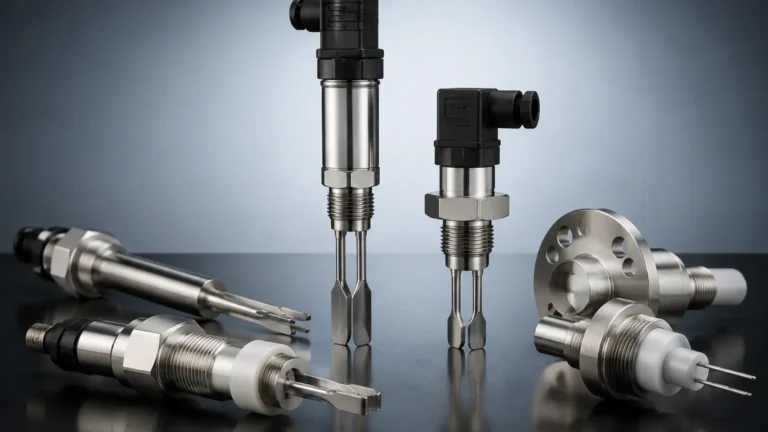
A: If the liquid density is below the buoyancy limit of a standard float, specialized low-SG floats or alternative technologies like tuning forks (vibrating level switches) or ultrasonic sensors should be considered.
Conclusion and Engineering Recommendations
Madison liquid level switches remain a staple in the industry due to their simplicity and the "set and forget" nature of their operation. When correctly specified for material compatibility and specific gravity, they provide an exceptionally cost-effective method for point level control.
For complex applications involving pressurized vessels, extreme temperatures, or hazardous chemicals, it is advisable to consult with a specialist. Reviewing the full range of Level Switches and seeking application support ensures that the selected instrument meets both the functional requirements and the safety standards of the facility. By prioritizing material integrity and proper electrical protection, engineers can minimize maintenance downtime and ensure the long-term reliability of their level management systems.