Murphy Level Switches
Murphy Level Switches
In the landscape of industrial process control, point level detection remains a critical safety and operational requirement. Level switches are discrete sensors designed to trigger a response—such as an alarm, a pump start, or an emergency shutdown—when a liquid reaches a specific elevation within a vessel. Among the various technologies available, murphy level switches have established a long-standing reputation, particularly in the monitoring of engines, compressors, and pressure vessels.
For engineers and plant operators, selecting the correct Level Switches requires an understanding of both the mechanical principles of traditional float-based systems and the integration of modern electronic monitoring. This guide examines the technical foundations, selection criteria, and installation best practices for these essential industrial components.
Measurement Principles of Float-Actuated Switches
Before selecting a specific model, it is vital to understand the physics governing the operation of murphy level switches. Most traditional Murphy-style instruments utilize the buoyancy principle, often referred to as Archimedes' Principle, which states that a body immersed in a fluid is buoyed up by a force equal to the weight of the fluid displaced.
The Float and Magnet Mechanism
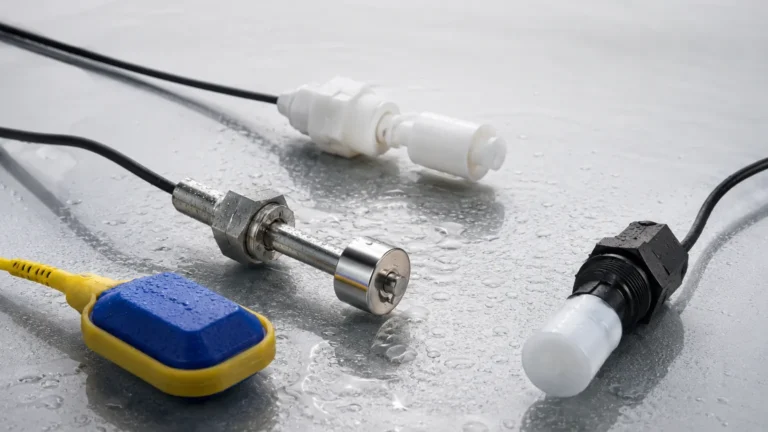
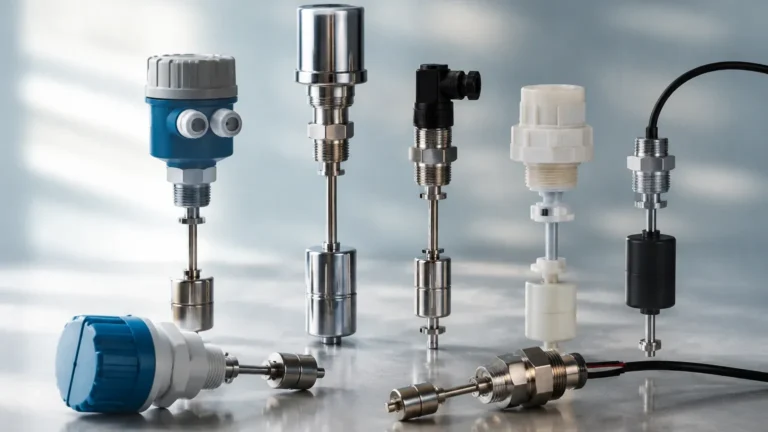
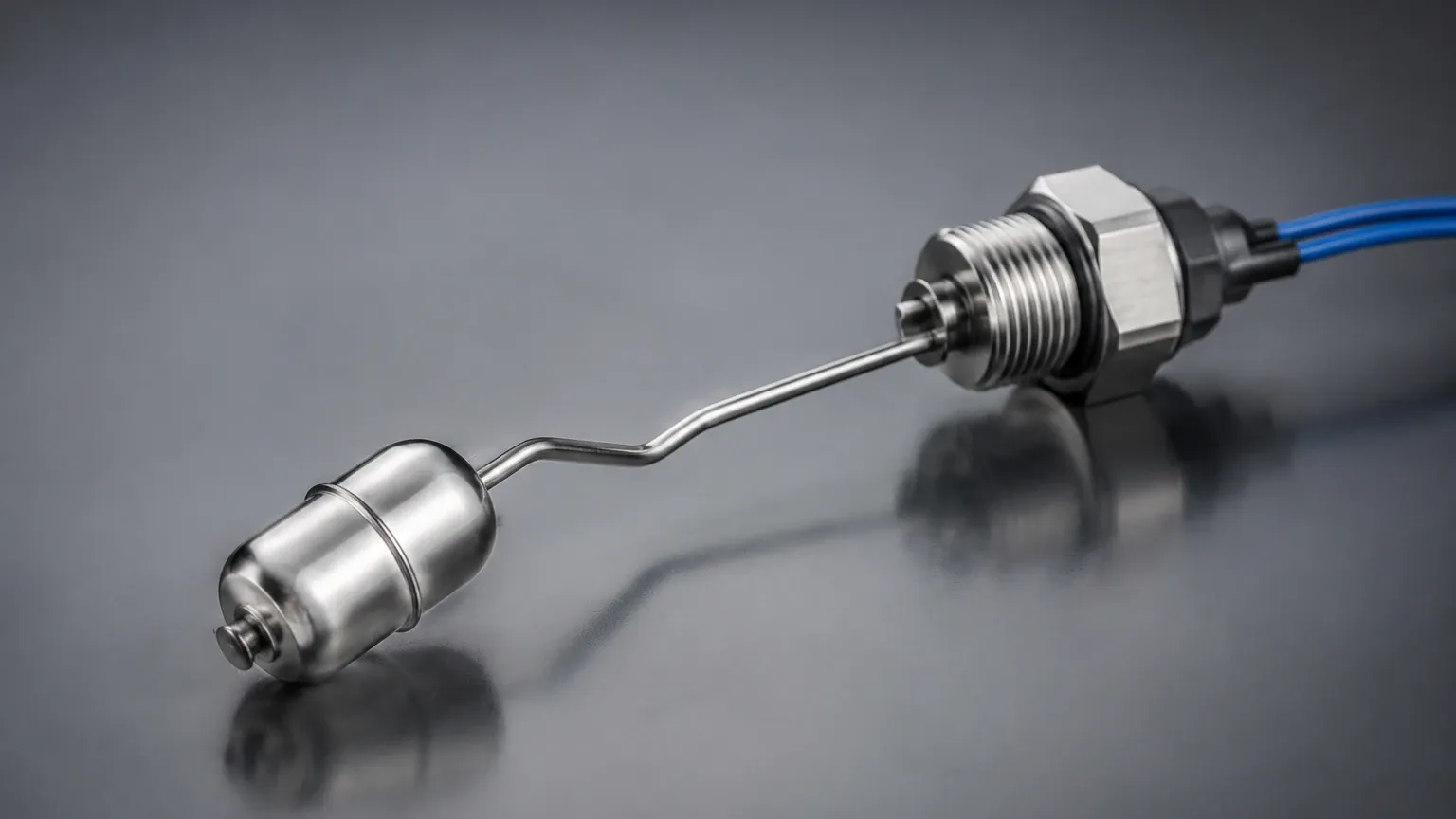
In a typical float-actuated level switch, a buoyant float is housed within a chamber or directly within the process vessel. As the liquid level rises, the float moves upward. In many designs, this float is connected to a rod or a pivot arm.
There are two primary methods for translating this movement into an electrical signal:
1. Direct Mechanical Linkage: The float arm physically moves a cam that trips a microswitch. This is common in older, non-pressurized applications.
2. Magnetic Coupling: The float contains a permanent magnet. As the float moves, its magnetic field acts through a non-magnetic pressure boundary (such as a stainless steel tube) to actuate a reed switch or a dry contact switch. This method is preferred for high-pressure environments because it eliminates the need for dynamic seals that could leak.
Scrubber and Pressure Vessel Logic
In oil and gas applications, specifically in gas compressors and scrubbers, murphy level switches are often used to detect "high-high" liquid levels to prevent liquid carryover into the compressor cylinders. These switches must operate reliably under high static pressures, often exceeding 100 bar (1450 psi), requiring robust housing and high-density floats that will not collapse under pressure.
Key Evaluation Criteria for Level Switches
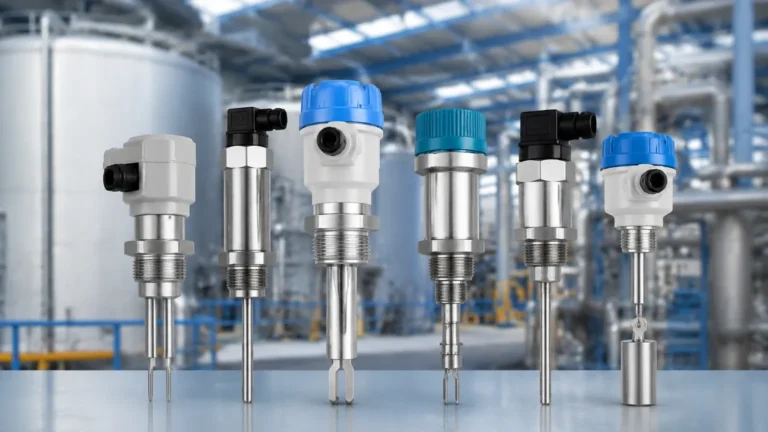
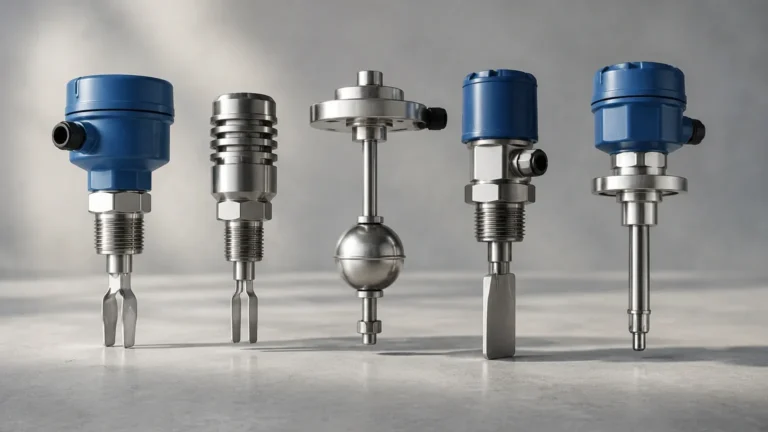
Selecting the right instrument involves more than just matching a pipe thread size. The chemical and physical properties of the process media dictate the materials and the sensing technology required. While murphy level switches are excellent for many rugged applications, they must be compared against other technologies like ultrasonic or tuning fork switches depending on the environment.
Material Compatibility
Industrial fluids can be corrosive, abrasive, or prone to scaling. Standard level switches often utilize 316 Stainless Steel for wetted parts, but specialized applications may require Monel, Hastelloy, or plastic coatings. The float material must also be compatible with the fluid's specific gravity; if the float is too heavy, it will not rise; if it is too light, it may be overly sensitive to turbulence.
Comparison of Level Switching Technologies
| Technology | Best Use Case | Limitations | Maintenance Needs |
| :— | :— | :— | :— |
| Float Switches (Murphy Style) | Engines, Scrubbers, Oil/Water Separation | Moving parts can stick in dirty/viscous fluids | Periodic cleaning of float chamber |
| Ultrasonic Switches | Non-contact, Chemical tanks | Affected by foam and heavy vapor | Low; no moving parts |
| Tuning Fork (Vibrating) | Powders, Granules, Liquids | Buildup between forks can cause false trips | Minimal |
| Capacitance Switches | High temperature, Non-conductive liquids | Requires calibration for different media | Moderate |
Technical Specifications and Selection Table
When specifying murphy level switches or equivalent industrial level switches, the following parameters are the baseline for a reliable installation. Use the table below as a general reference for common industrial configurations.
| Parameter | Standard Industrial Range | High-Pressure/Specialized Range |
| :— | :— | :— |
| Max Operating Pressure | 0 to 20 bar (290 psi) | Up to 138 bar (2000 psi) |
| Temperature Range | -40°C to 120°C (-40°F to 248°F) | Up to 200°C (392°F) with heat sinks |
| Specific Gravity (Min) | 0.60 | 0.45 (for light hydrocarbons) |
| Switch Rating | 5A @ 120/240 VAC | Gold-plated contacts for low-current PLC inputs |
| Process Connection | 1" NPT or 2" Flange | API or ANSI High-Pressure Flanges |
| Enclosure Rating | IP66 / NEMA 4 | NEMA 7 (Explosion-proof) |
Installation and Configuration Guidelines
Correct installation is the most significant factor in the longevity of a level switch. Because murphy level switches often involve mechanical movement, they are sensitive to orientation and vibration.
Mounting Orientation
Most float switches are designed for either horizontal (side-mount) or vertical (top-mount) installation. A horizontal switch must be installed perfectly level; if it is tilted, the pivot point may experience excessive friction, preventing the float from returning to its rest position. Vertical switches must be installed away from the tank's fill stream to avoid "chatter" caused by turbulent incoming liquid.
External Cage vs. Direct Insertion
For vessels with significant internal turbulence or where the switch needs to be serviced without depressurizing the main tank, an external cage (or bridle) is recommended. The cage acts as a stilling well, providing a stable liquid level for the float. Isolation valves can be installed between the vessel and the cage, allowing for maintenance while the process remains online.
Wiring and Safety Circuits
In safety-critical applications, level switches should be wired in a "Normally Closed" (NC) configuration. This ensures that if a wire breaks or power is lost, the system fails into an alarm state (fail-safe). For hazardous areas (Class I, Div 1), ensure the switch is housed in an explosion-proof enclosure and utilizes appropriate conduit seals to prevent the passage of gases.
Limitations and Common Risks
While robust, murphy level switches and similar mechanical devices have inherent limitations that engineers must account for during the design phase.
1. Fluid Viscosity and Coating: If the process fluid is highly viscous or prone to crystallization (like heavy crude or certain polymers), the float can become stuck to the chamber wall. In these cases, a non-contact radar or ultrasonic sensor is a better alternative.
2. Mechanical Wear: Because these switches rely on moving parts, the pivot pins and springs will eventually wear out, especially in high-vibration environments like those found on reciprocating engine skids. Regular inspection intervals are necessary.
3. Specific Gravity Shifts: If a tank is used for different fluids, a float calibrated for a specific gravity of 1.0 (water) may fail to float in a fluid with a specific gravity of 0.7 (hydrocarbons).
4. Surge and Turbulence: Rapid changes in level or splashing can cause the switch to cycle rapidly, which can damage downstream pumps or contactors. Using a time-delay relay in the control circuit can mitigate this issue.
Frequently Asked Questions (FAQ)
Q: How do I test a Murphy level switch without filling the tank?
A: Many industrial level switches include a manual test plunger or a "test jack." By depressing this plunger, the operator can manually lift the float to verify that the electrical contacts trip and the control system responds correctly. If no test plunger is present, the switch must be removed for a bench test or the vessel must be filled.
Q: Can these switches be used for hazardous chemicals?
A: Yes, provided the wetted materials are compatible. For acidic or caustic environments, stainless steel is often insufficient, and specialized plastics or exotic alloys must be specified. Always cross-reference the fluid's MSDS with the manufacturer's material compatibility chart.
Q: What is the difference between a level switch and a level transmitter?
A: A level switch provides a discrete "on/off" signal at a specific point. A level transmitter (such as a radar or hydrostatic sensor) provides a continuous 4-20mA or digital signal representing the exact level across a range (e.g., 0% to 100% full).
Q: Why is my switch failing to reset after the level drops?
A: This is usually caused by one of three things: debris trapped in the float mechanism, a collapsed float (due to over-pressure), or a magnetized reed switch that has welded shut due to an electrical surge. Check for mechanical obstructions first.
Conclusion
Murphy level switches remain a staple in industrial automation due to their simplicity and reliability in harsh conditions. By understanding the buoyancy principles, selecting appropriate materials for the process media, and adhering to strict installation standards, facilities can ensure long-term protection for their equipment. For applications involving complex fluids or requiring continuous data, integrating these switches with advanced radar or ultrasonic technologies provides a comprehensive level management solution.