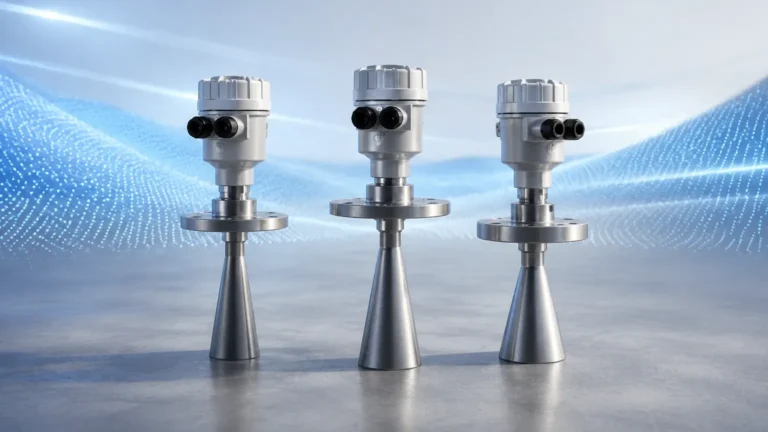
Side-mounted Level Switches
Side-mounted Level Switches
In industrial process control, point level detection serves as a critical safeguard for equipment protection and inventory management. Side-mounted level switches are among the most common instruments used for high-level alarms, low-level protection, and pump automation. By installing these devices through the side wall of a tank or vessel, engineers gain several advantages in terms of accessibility and mechanical simplicity.
As a professional manufacturer of industrial measurement instruments, Welk provides a range of Level Switches designed to withstand the rigorous demands of water treatment, chemical processing, and oil and gas applications. Understanding the underlying measurement principles and mechanical constraints of these devices is essential for ensuring long-term reliability in the field.
Understanding the Measurement Principles
Side-mounted level switches generally operate on one of two primary physical principles: buoyancy (float-based) or vibration (frequency-based). Each technology reacts differently to the physical properties of the medium, such as density, viscosity, and turbulence.
1. Magnetic Float Principle
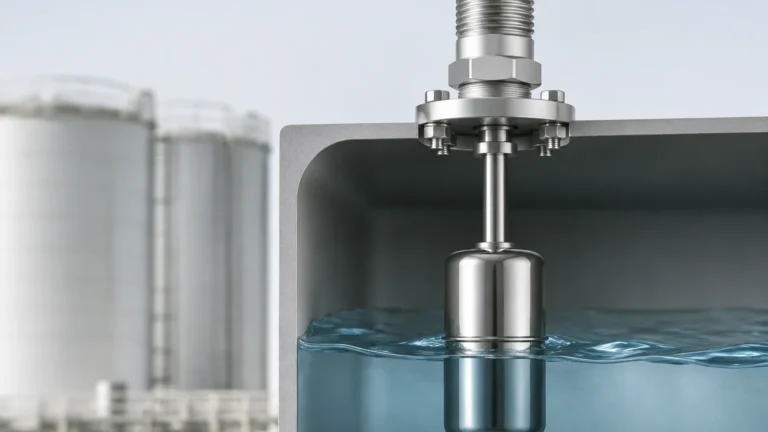
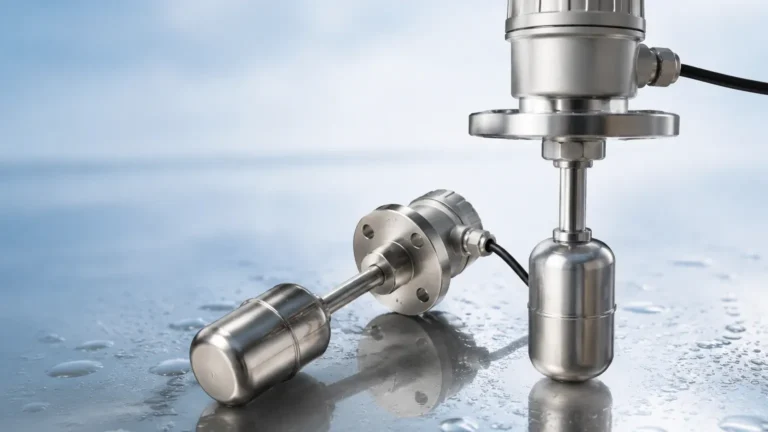
The most traditional side-mounted design utilizes a float attached to a hinged arm or a sliding mechanism. As the liquid level rises or falls, the float moves accordingly. Inside the housing, a permanent magnet is coupled to the float assembly. When the float reaches a predetermined switching point, the magnet actuates a dry contact reed switch or a microswitch.
In many Welk designs, the magnetic coupling is indirect, meaning the electrical components are hermetically sealed from the process media. This ensures that even if the float is submerged in corrosive chemicals, the electrical circuit remains protected. The buoyancy force required to actuate the switch is a function of the float volume and the specific gravity (SG) of the liquid.
2. Vibrating Tuning Fork Principle
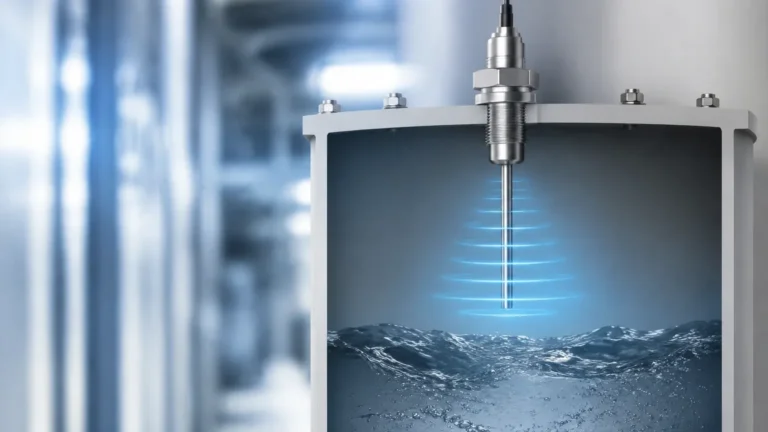
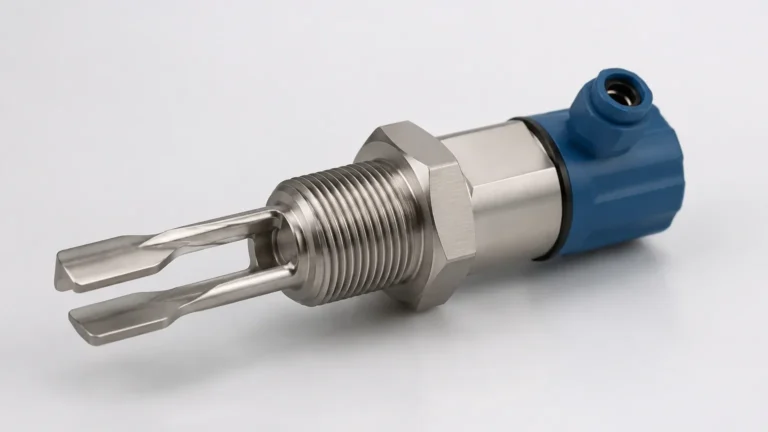
Vibrating level switches utilize piezoelectric crystals to drive a metal fork at its natural resonant frequency in the air. When the fork is immersed in a liquid, the frequency changes or the vibration is damped. An internal electronic circuit detects this change in frequency and converts it into an output signal (SPDT relay, PNP/NPN, or two-wire AC/DC).
Unlike float switches, tuning forks have no moving parts that can jam or wear out. This makes them highly suitable for applications involving sticky liquids or media with suspended solids, provided the solids do not bridge the gap between the fork tines.
Advantages of Side-mounted Configuration
Choosing a side-mounted level switch over a top-mounted probe is often dictated by the physical constraints of the installation site and the maintenance strategy of the plant.
* Accessibility: In tall silos or large outdoor storage tanks, top-mounted instruments require technicians to climb to significant heights for inspection or replacement. Side-mounted switches can be installed at man-height or near existing walkways, significantly reducing maintenance risks and costs.
* Space Constraints: Many process vessels have limited headspace or are crowded with agitators, spray balls, and heating coils at the top. Side mounting allows the sensor to be placed exactly where the level detection is needed without interfering with internal tank components.
* Redundancy and Zonal Control: For tanks requiring multiple alarm points (e.g., Low-Low, Low, High, High-High), side-mounted switches allow for discrete placement at each specific elevation. This provides a clear physical separation of signals, which is often preferred in Safety Instrumented Systems (SIS).
Technical Selection and Comparison
When selecting side-mounted level switches, engineers must evaluate the media characteristics against the instrument's mechanical limits. The following table provides a general comparison of the two primary technologies offered by Welk.
| Feature | Magnetic Float Switch | Vibrating Tuning Fork |
| :— | :— | :— |
| Media Type | Clean, low-viscosity liquids | Liquids, slurries, and some powders |
| Specific Gravity | Typically > 0.6 SG | Typically > 0.5 SG (adjustable) |
| Max Operating Temp | Up to 350°C (with heat sinks) | Up to 150°C |
| Max Operating Pressure | Up to 100 bar (10 MPa) | Up to 40 bar (4 MPa) |
| Viscosity Limit | Low (< 500 cSt) | Medium to High (up to 10,000 cSt) |
| Moving Parts | Yes | No |
| Power Required | No (for dry contact models) | Yes (DC or AC) |
| Build-up Sensitivity | High (may jam) | Low (self-cleaning vibration) |
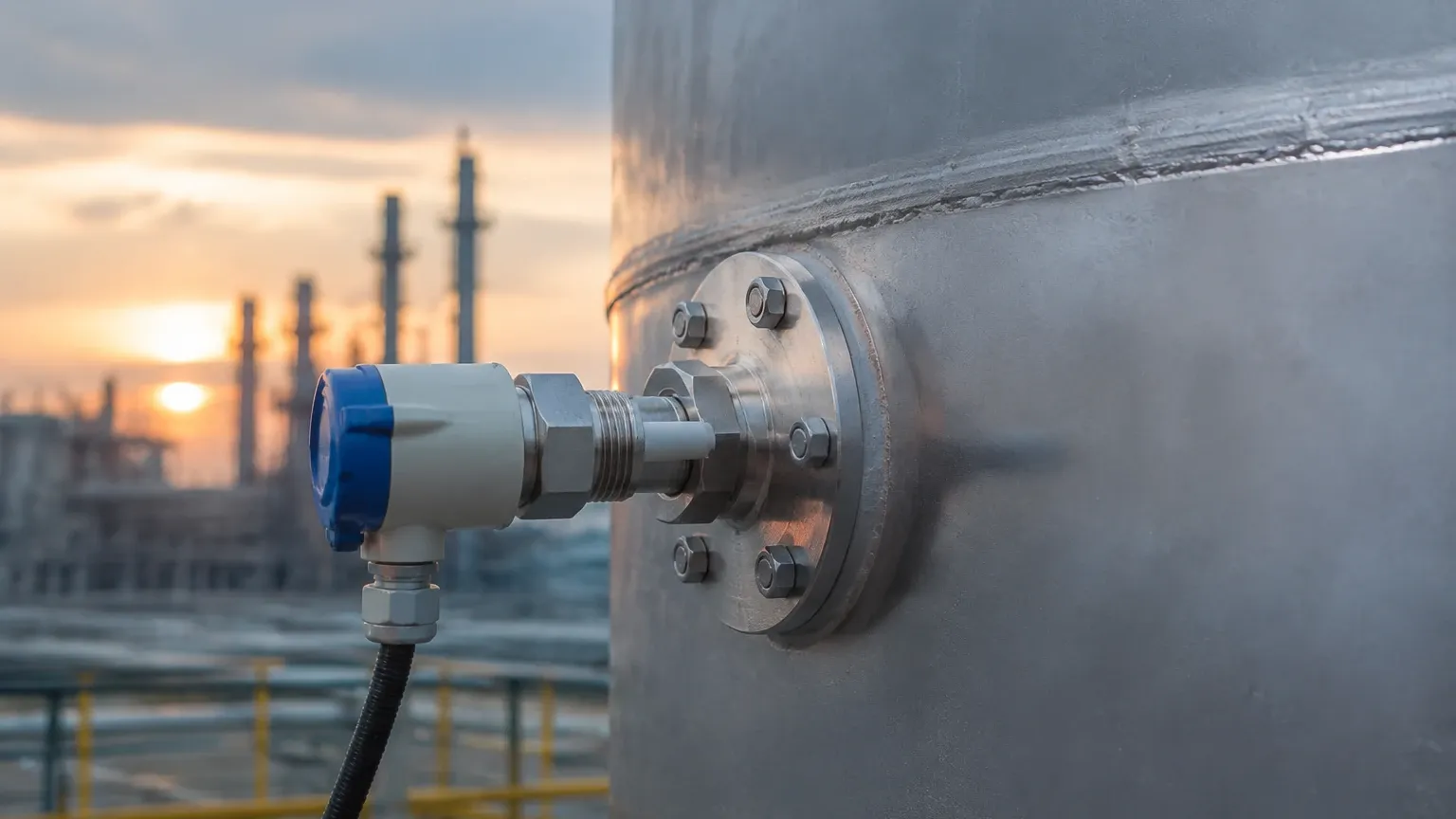
Installation Considerations for Optimal Performance
Proper installation is the most significant factor in preventing premature failure of side-mounted level switches. Engineers should adhere to the following guidelines during the design and commissioning phases:
1. Nozzle Length and Diameter
For side-mounted float switches, the nozzle (the pipe stub extending from the tank wall) must be wide enough and short enough to allow the float to move through its full arc without hitting the pipe walls. If the nozzle is too long, debris can accumulate inside, eventually pinning the float in one position. For tuning forks, the tines must extend fully into the vessel to ensure they are not shielded by the nozzle, which could cause a false "full" reading due to material entrapment.
2. Orientation and Alignment
Float switches must be installed perfectly horizontal to ensure the hinge mechanism operates without friction. Vibrating forks, however, should be installed with the tines oriented vertically (one above the other) if the liquid is viscous or contains solids. This orientation allows the media to drain easily from between the tines, preventing false triggers caused by "bridging."
3. Turbulence and Splash Zones
If the switch is located near a fill pipe or an agitator, the resulting turbulence can cause the switch to "chatter" (rapidly toggle on and off). In such cases, a stilling well or a baffle plate should be installed to protect the sensing element. Alternatively, a time-delay relay can be configured in the control system to ignore momentary state changes.
4. Sealing and Wiring
Always use appropriate thread sealant or gaskets compatible with the process media. For outdoor installations, the conduit entry should point downward to prevent moisture from entering the housing via capillary action. Welk recommends using shielded cables for electronic switches to prevent electromagnetic interference (EMI) from nearby pumps or motors.
Limitations and Application Risks
While side-mounted level switches are versatile, they are not universal solutions. Certain conditions pose significant risks to their operation:
* Coating and Scaling: In applications involving calcium carbonate, paraffin, or heavy oils, material can build up on the float or tuning fork. For float switches, this added weight can change the buoyancy point or cause the hinge to seize. Tuning forks are more resilient but can still fail if the build-up becomes thick enough to dampen the vibration permanently.
* High Flow Velocity: In pipelines or high-agitation tanks, the lateral force of the moving liquid can bend or snap the float arm. If high flow is expected, a reinforced arm or a different measurement technology (such as non-contact radar) should be considered.
* Interface Detection: Standard float switches are designed to float on the surface of a liquid. They are generally not suitable for detecting the interface between two liquids (e.g., oil and water) unless the float is specifically weighted for the density of the lower liquid.
Frequently Asked Questions
Q: Can side-mounted float switches be used in hazardous areas?
A: Yes, many magnetic float switches are considered "simple apparatus" and can be used with intrinsic safety barriers. Additionally, Welk offers explosion-proof (Ex d) housings for applications in refineries and chemical plants where flammable vapors are present.
Q: What is the minimum specific gravity required for a float switch?
A: Most standard stainless steel floats require a minimum specific gravity of 0.7. However, high-buoyancy floats made of specialized materials or larger volumes can detect liquids with an SG as low as 0.45.
Q: How do I test the switch without filling the tank?
A: Many side-mounted float switches are equipped with a manual test lever on the exterior of the housing. This allows operators to mechanically lift the float arm to simulate a high-level condition and verify the electrical circuit and alarm logic.
Q: Do tuning fork switches require calibration?
A: Generally, no. Vibrating level switches are factory-calibrated to detect the presence of liquid. Some models feature a sensitivity adjustment (potentiometer or DIP switches) to ignore light foam or to detect very low-density media.
Q: What materials are available for corrosive environments?
A: Standard switches are typically 304 or 316L stainless steel. For highly aggressive chemicals like hydrochloric acid or bleach, Welk provides switches coated in PTFE, PFA, or constructed entirely from plastics like Polypropylene (PP) or PVDF.
By carefully matching the switch technology to the process conditions and following rigorous installation standards, side-mounted level switches provide a cost-effective and reliable method for point level control in modern industrial automation.