80 GHz Fmcw Radar Measuring Range Up to 100 M
80 GHz Fmcw Radar Measuring Range Up to 100 M
In the realm of industrial level measurement, the demand for high-precision, long-range sensing has led to significant technological advancements. Among the most impactful developments is the transition from traditional pulse radar to high-frequency Frequency Modulated Continuous Wave (FMCW) technology. Specifically, the emergence of the 80 ghz fmcw radar measuring range up to 100 m has redefined how engineers approach level monitoring in tall silos, deep mineral pits, and large-scale liquid storage tanks. This technology offers a unique combination of narrow beam angles, high resolution, and the ability to penetrate challenging process environments that were previously difficult to manage with lower-frequency instruments.
Understanding the FMCW Measurement Principle
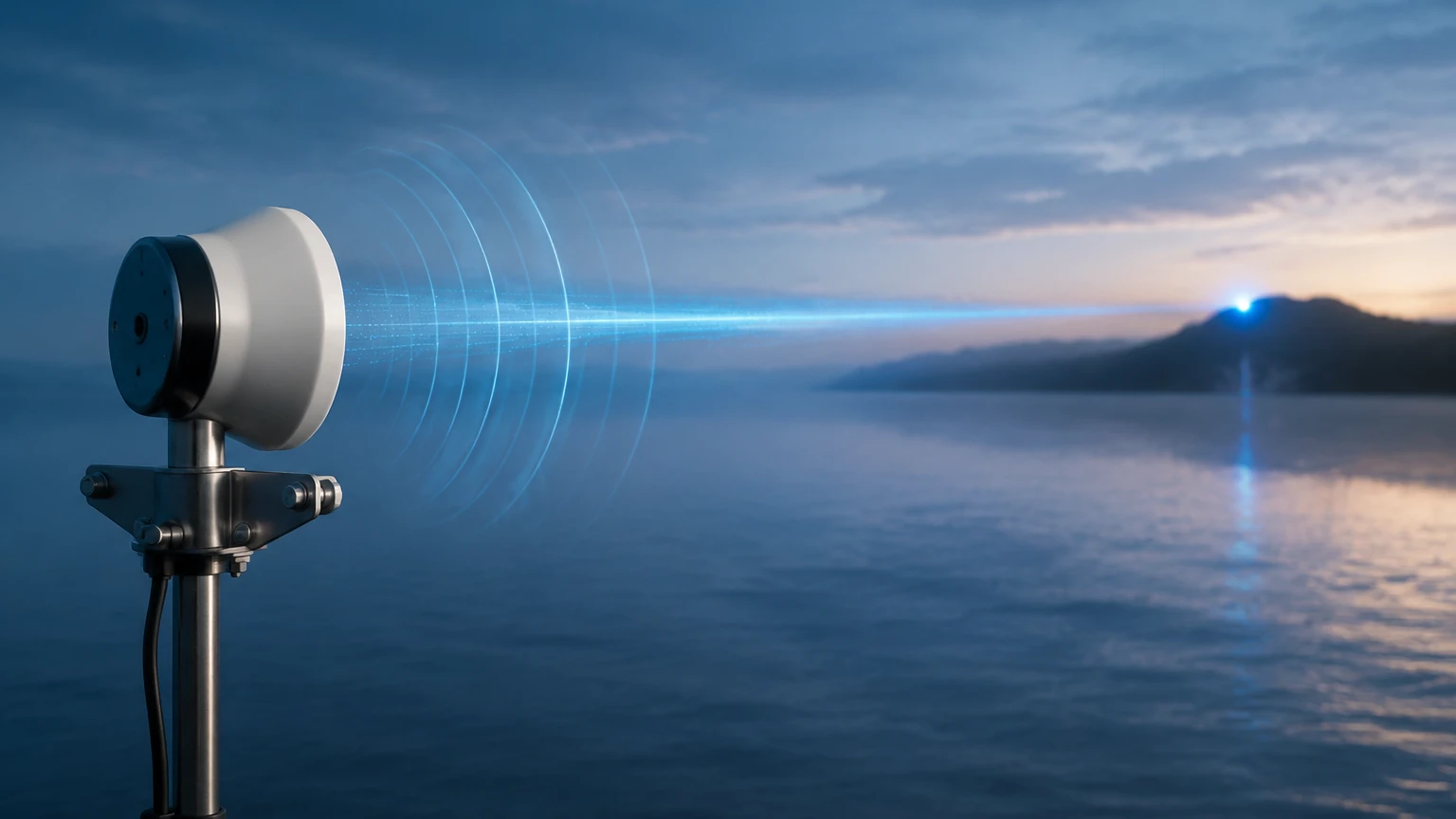
To appreciate the capabilities of an 80 GHz radar system, it is essential to understand the underlying Frequency Modulated Continuous Wave (FMCW) principle. Unlike pulse radar, which measures the time-of-flight of a single microwave pulse, FMCW radar transmits a continuous signal with a frequency that varies linearly over time. This variation is often referred to as a "chirp."
The radar sensor emits this frequency-modulated signal toward the medium. When the signal reflects off the material surface and returns to the antenna, it is compared with the signal currently being transmitted. Because the frequency of the transmitted signal is constantly changing, there is a measurable difference between the transmitted frequency and the received frequency. This frequency difference, known as the "beat frequency," is directly proportional to the distance between the sensor and the material surface.
Why 80 GHz Matters
The frequency of the radar (80 GHz) determines the wavelength of the signal. At 80 GHz, the wavelength is approximately 3.75 mm, which is significantly shorter than the 12 mm wavelength of standard 26 GHz radars. This shorter wavelength allows for:
1. Narrower Beam Angles: A smaller antenna can produce a much tighter beam. While a 26 GHz radar might have a beam angle of 10° to 15°, an 80 GHz radar can achieve angles as narrow as 3°. This is critical for avoiding internal obstructions like ladders, heating coils, or agitators.
2. Higher Resolution: The bandwidth available at 80 GHz is much larger (up to 4 GHz or more), which directly translates to better range resolution and accuracy. This allows the sensor to distinguish between the material surface and nearby noise or deposits on the antenna.
3. Improved Reflection: Shorter wavelengths reflect more effectively off uneven surfaces, such as grain piles or crushed stone, which often scatter lower-frequency signals.
Achieving the 100-Meter Measuring Range
Reaching a 80 ghz fmcw radar measuring range up to 100 m requires a sophisticated balance of signal power, antenna gain, and advanced signal processing. In long-range applications, the signal undergoes significant attenuation as it travels through the air and reflects off the target.
For a radar to maintain accuracy at 100 meters (approx. 328 feet), the signal-to-noise ratio (SNR) must remain high. Modern 80 GHz chips utilize high-gain lens antennas that focus the energy efficiently. Because the beam is so narrow, the energy is concentrated on a small area of the material surface, ensuring that a strong return signal reaches the receiver even from the bottom of a 100-meter silo. This capability makes it a preferred choice for the global market, as seen in the diverse product ranges available on the Main Page of leading manufacturers.
Key Applications for Long-Range 80 GHz Radar
The ability to measure accurately up to 100 meters opens doors to several high-stakes industrial applications where traditional level measurement methods often fail.
Large Solid Silos
In industries like cement, mining, and grain processing, silos can exceed 60 or 80 meters in height. These environments are characterized by heavy dust during filling and uneven material surfaces. The narrow beam of the 80 GHz radar prevents the signal from hitting the silo walls, which would otherwise cause "ghost echoes." Furthermore, the high frequency allows the signal to reflect off the steep slopes of solids more reliably than lower frequencies.
Deep Wells and Dam Monitoring
Hydrological monitoring often requires measuring the distance to a water surface from a high bridge or the top of a dam. The 100-meter range allows for consistent monitoring during seasonal fluctuations without the need for multiple sensors or complex mechanical mounting structures.
Chemical and Oil Storage
Large-scale storage tanks for crude oil or liquid chemicals require high precision for inventory management. The 80 GHz FMCW radar provides millimeter-level accuracy over the entire 100-meter range, ensuring that even small changes in volume are detected, which is vital for custody transfer and leak detection.
Technical Selection Criteria
When selecting an 80 ghz fmcw radar measuring range up to 100 m, engineers must evaluate several technical parameters to ensure the instrument is fit for purpose.
| Feature | Specification Detail | Importance |
| :— | :— | :— |
| Beam Angle | Typically 3° to 8° | Determines the ability to avoid internal obstructions. |
| Accuracy | ±1 mm to ±5 mm | Critical for inventory control and high-precision liquid measurement. |
| Process Temperature | -40°C to +200°C (standard) | Must match the specific process environment (e.g., molten metal vs. cryogenic). |
| Process Pressure | Vacuum to 40 bar or higher | Ensures the sensor housing and flange can withstand the vessel pressure. |
| Dielectric Constant (εr) | Minimum 1.4 to 2.0 | Determines the reflectivity of the material; lower εr requires higher sensitivity. |
| Output Signal | 4-20mA/HART, RS485/Modbus, Profibus | Compatibility with existing PLC/SCADA systems. |
Installation and Configuration Guidelines
Proper installation is the most significant factor in the performance of a long-range radar. Even the most advanced 80 GHz sensor will struggle if misaligned.
1. Nozzle Height and Diameter: While 80 GHz radars are less sensitive to nozzle interference than lower frequencies, the nozzle should ideally be short to prevent the beam from clipping the edge of the pipe. If a long nozzle is required, ensure the antenna extends slightly past the nozzle end.
2. Alignment: For solids measurement, the sensor should be aimed toward the center of the discharge cone to get a representative average of the level. In some cases, an adjustable flange (swivel mount) is used to optimize the signal return from the material slope.
3. Obstruction Clearance: Use the narrow beam to your advantage. Ensure the signal path is clear of ladders, braces, and filling streams. A 3° beam at 100 meters will have a footprint of approximately 5.2 meters. This must be factored into the silo geometry.
4. Dead Band (Blind Zone): Most 80 GHz radars have a very small dead band (often less than 100 mm). However, the sensor should still be mounted high enough that the maximum material level does not enter this zone.
Limitations and Practical Considerations
Despite the advantages, there are limitations to consider when deploying an 80 ghz fmcw radar measuring range up to 100 m:
* Extreme Steam and Condensation: While 80 GHz handles dust exceptionally well, extremely dense steam or heavy condensation on the lens can attenuate the signal. In these cases, a radar with a PTFE or PEI lens cover and a localized air purge system is recommended.
* Very Low Dielectric Materials: Materials with a dielectric constant below 1.4 (like some plastic pellets or liquefied gases) reflect very little energy. While the high sensitivity of 80 GHz FMCW helps, careful calibration and potentially a stilling well (for liquids) may be necessary.
* Surface Turbulence: In liquid tanks with high-speed agitators, the surface may become extremely turbulent. The radar's software must be configured with appropriate damping and false-echo suppression to filter out the noise caused by splashing.
Frequently Asked Questions (FAQ)
Q: Is 80 GHz always better than 26 GHz for long ranges?
A: Generally, yes. The narrower beam and higher resolution of 80 GHz make it superior for long ranges and narrow vessels. However, 26 GHz may still be preferred in applications with extreme steam or where a larger beam is needed to average out a very irregular solid surface.
Q: Does the 100-meter range apply to both liquids and solids?
A: Yes, but the effective range can be influenced by the material. Liquids (especially water-based) have high dielectric constants and reflect signals well. Solids like plastic powder have lower reflectivity, which might slightly reduce the reliable range in extreme dust conditions, though 80 GHz FMCW is designed to mitigate this.
Q: Can these sensors be used in hazardous areas?
A: Most professional-grade 80 GHz radars, such as those provided by Welk, come with Ex-proof (Explosion-proof) or Intrinsically Safe certifications (ATEX, IECEx) for use in flammable or explosive atmospheres.
Conclusion
The implementation of 80 ghz fmcw radar measuring range up to 100 m represents a significant leap forward in industrial process control. By providing a focused, high-resolution signal that can span the height of the world's largest storage structures, these instruments ensure safety, optimize inventory, and reduce maintenance costs. When selecting a solution, it is vital to partner with a manufacturer that understands the nuances of signal processing and mechanical integration. For more information on specific models and customized level measurement solutions, engineers are encouraged to Review product options and application support to find the ideal match for their specific industrial requirements.
Download 80 GHz Fmcw Radar Measuring Range Up to 100 M as a PDF