Arrestores
Arrestores
In the field of industrial automation and process control, the reliability of level measurement systems is often threatened by external electrical phenomena and environmental hazards. "Arrestores," or arrestors, serve as critical protective components designed to safeguard sensitive instrumentation, such as radar level meters and ultrasonic sensors, from catastrophic failure. Whether protecting against high-voltage surges caused by lightning or preventing the propagation of flames in volatile storage tanks, these devices are essential for maintaining operational continuity and personnel safety.
For engineers and plant managers, understanding the integration of arrestores within a level measurement framework is not merely a matter of compliance but a fundamental requirement for asset protection. This guide explores the principles, selection criteria, and installation best practices for arrestores used in conjunction with modern level measurement technologies.
The Role of Arrestores in Level Measurement
Level measurement instruments are frequently installed in exposed locations, such as the tops of tall metal silos, outdoor water treatment basins, or chemical storage tanks. These positions make them highly susceptible to atmospheric discharges and electrical transients. Furthermore, in industries involving flammable liquids, the interface between the level sensor and the tank atmosphere must be managed to prevent explosion risks.
There are two primary categories of arrestores relevant to this field:
1. Surge Arrestores (Surge Protection Devices – SPDs): These protect the electronic circuits of level transmitters from voltage spikes.
2. Flame Arrestores: These are mechanical devices installed on tank nozzles or vent lines to prevent the passage of a flame into or out of a vessel, often used alongside non-contact level sensors.
Measurement Principles and Vulnerabilities
Before selecting protection, it is vital to understand how the instruments being protected actually function. Industrial level measurement typically relies on several core technologies, each with specific electrical and physical profiles.
Radar Level Measurement
Radar level meters, such as those found on the Main Page, utilize Time of Flight (ToF) principles. The device emits high-frequency microwave pulses (typically in the 26 GHz or 80 GHz range). These pulses reflect off the surface of the medium and return to the sensor. The distance is calculated based on the time interval and the constant speed of light. Because these devices contain sophisticated high-frequency processing electronics and are often mounted at the highest point of a structure, they are primary targets for lightning-induced surges.
Ultrasonic Level Measurement
Ultrasonic sensors function similarly to radar but use sound waves. A piezoelectric crystal converts electrical energy into ultrasonic pulses. These waves reflect off the liquid or solid surface and return to the transducer. The electronics required to drive the piezoelectric element and process the return signal are sensitive to electromagnetic interference (EMI) and power fluctuations.
Hydrostatic and Magnetic Level Gauges
Hydrostatic transmitters measure the pressure exerted by a liquid column, while magnetic gauges use a float system to provide visual and electronic feedback. While these may seem more robust, their 4-20mA loop or RS485 Modbus communication lines act as long antennas, picking up induced voltages from nearby electrical activity.
Technical Specifications for Surge Arrestores
When specifying surge arrestores for level transmitters, engineers must evaluate several technical parameters to ensure the protection matches the instrument's sensitivity.
* Maximum Continuous Operating Voltage (Uc): This is the maximum voltage that can be applied to the arrestor without it beginning to conduct. For a standard 24V DC loop, an arrestor with a Uc of approximately 30V is typical.
* Nominal Discharge Current (In): The peak current (usually measured in kA) that the arrestor can withstand multiple times without failure. A common standard is 5kA to 10kA for signal lines.
* Voltage Protection Level (Up): This defines the maximum voltage that will reach the level transmitter during a surge event. It must be lower than the dielectric strength of the transmitter’s electronics.
* Response Time (tA): The speed at which the arrestor reacts to a surge. For electronic instrumentation, nanosecond response times are required.
Selection Criteria and Practical Application
Choosing the right arrestores requires a risk assessment of the installation site. A coastal chemical plant with high lightning frequency requires a different protection strategy than an indoor food processing facility.
Practical Selection Table
| Application Type | Recommended Arrestor Type | Key Feature | Primary Protection Goal |
| :— | :— | :— | :— |
| Outdoor Storage Tanks | Type 2 Surge Arrestor | High discharge capacity | Lightning-induced transients |
| Hazardous Areas (Ex) | Intrinsically Safe Arrestor | Energy limiting (ATEX/IECEx) | Prevention of ignition sparks |
| Volatile Liquid Storage | Flame Arrestor | Flame quenching mesh | Preventing internal tank explosions |
| Long Signal Cables | Data Line Arrestor | Low internal capacitance | Signal integrity (RS485/HART) |
| Submersible Sensors | Inline Hydrostatic Arrestor | Waterproof housing | Protecting submerged electronics |
Flame Arrestores in Level Sensing
In applications involving hydrocarbons or solvents, the installation of a radar or ultrasonic sensor often involves a nozzle that could potentially become a path for flame propagation. Flame arrestores used here consist of a "flame cell"—a matrix of metal ribbons or wire mesh. This matrix allows the passage of vapors (and the radar signal, if specifically designed for it) but absorbs the heat of a flame front, cooling it below its ignition temperature and extinguishing the fire before it enters the tank.
Installation Considerations
Proper installation is the difference between a protected system and a catastrophic failure. Even the highest-quality arrestores will fail to protect a level meter if the grounding is inadequate.
1. Lead Length: Keep the wires connecting the arrestor to the level transmitter and the ground bar as short as possible. Long leads add inductance, which increases the voltage drop during a high-frequency surge, effectively bypassing the protection.
2. Grounding Impedance: The earthing system should have a low impedance, ideally below 5 ohms. In rocky or dry soil, specialized grounding electrodes or soil treatments may be necessary.
3. Equipotential Bonding: Ensure that the tank, the level meter housing, and the arrestor are all bonded to the same ground potential to prevent circulating currents.
4. Placement: For optimal protection, arrestores should be installed at both ends of the signal cable: one near the level transmitter on the tank and one at the control cabinet (PLC/DCS end).
Limitations and Maintenance
Arrestores are sacrificial or wear-intensive components. They do not last forever. Every time a surge arrestor diverts a spike, its internal components (such as Metal Oxide Varistors or Gas Discharge Tubes) degrade slightly.
* Visual Inspection: Many modern surge arrestores include a visual status indicator (green for functional, red for replace). These should be checked during routine monthly walk-throughs.
* Testing: Use a dedicated SPD tester to check the breakdown voltage of the arrestor during annual maintenance shutdowns.
* Environmental Impact: In corrosive environments (e.g., wastewater treatment or chemical processing), the terminals of the arrestores can oxidize. Use protective greases and ensure enclosures are NEMA 4X or IP66 rated.
* Signal Interference: High-capacitance arrestores can distort high-speed digital signals. When using HART or Modbus communication with your level meters, ensure the arrestor is rated for data transmission to avoid communication errors.
Frequently Asked Questions (FAQs)
Q1: Does every level meter need an arrestor?
Not necessarily. If the instrument is located indoors in a low-risk environment with short cable runs, the risk is minimal. However, for any outdoor installation or long-distance cabling, arrestores are a cost-effective insurance policy against expensive hardware replacement.
Q2: Can a surge arrestor protect against a direct lightning strike?
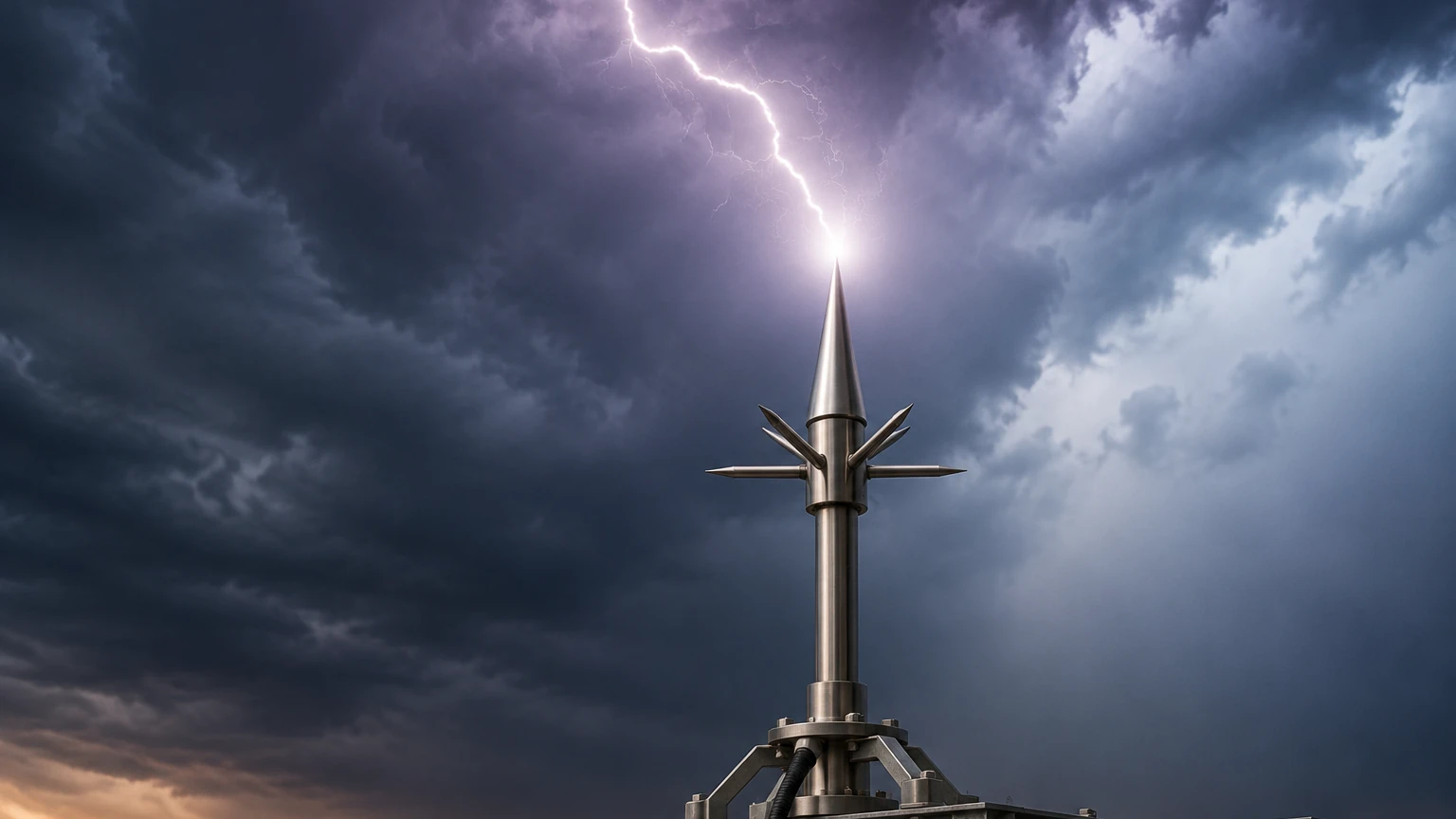
A direct strike carries immense energy that can vaporize equipment. Arrestores are primarily designed to handle "induced" surges—the electromagnetic pulse (EMP) from a nearby strike. Total protection against a direct hit requires a comprehensive lightning protection system (LPS), including lightning rods and down-conductors.
Q3: How do I know if my flame arrestor is compatible with my radar level meter?
Not all flame arrestores allow radar signals to pass through them effectively. If you are mounting a radar through a flame arrestor, you must ensure the mesh size and material do not cause excessive signal attenuation or false reflections. Consult with the instrument manufacturer for approved mounting configurations.
Q4: What is the difference between a surge protector and a surge arrestor?
In industrial terms, "arrestores" (arrestors) are typically heavy-duty devices installed on the supply side or at the field instrument level to handle large external surges. "Surge protectors" often refer to lower-capacity devices used for end-use consumer electronics, though the terms are frequently used interchangeably in B2B contexts.
Conclusion
In the complex ecosystem of industrial level measurement, arrestores represent a vital line of defense. By understanding the measurement principles of radar and ultrasonic systems and identifying the specific electrical and thermal risks of a site, engineers can implement a robust protection strategy. Whether it is ensuring the integrity of a 4-20mA signal loop or preventing a flash fire in a chemical silo, the correct application of these devices ensures that your level measurement data remains accurate and your facility remains safe.
For detailed specifications on level measurement instruments and integrated protection accessories, you may Review product options and application support to find the most suitable configuration for your specific industrial environment.